


 Order Status & Returns
 Gift Cards
 Help Center
 1-800-345-4545

Fuel Pressure Regulators
A fuel pressure regulator holds fuel pressure steady at the carburetor or injectors, so your engine gets consistent fuel delivery from idle to wide-open throttle. JEGS stocks regulators for carbureted and EFI builds, including carburetor deadhead units, bypass and return-style regulators, EFI regulators and adjustable fuel pressure regulators. You'll also find rebuild kits, diaphragms, spring kits, mounting brackets and AN fitting kits to set up or service the regulator you already run.
Show More
How a Fuel Pressure Regulator Works
A fuel pressure regulator uses a spring-loaded diaphragm to hold fuel pressure at a set level before fuel reaches the carburetor or injectors. Your pump moves more fuel than the engine needs, and the regulator keeps that extra volume from turning into excess pressure. Too much pressure can push past a carburetor's needle and seat, while too little can starve the engine under load.
Deadhead regulators control pressure by restricting flow to the engine. Bypass regulators send extra fuel back to the tank through a return line. Many units add a vacuum or boost reference port and a gauge port. An adjustable fuel pressure regulator lets you fine-tune pressure for your setup.
Shop regulators alongside our fuel pumps, regulators and filters. Run fuel filters ahead of the regulator to keep debris off the diaphragm. For a deeper walkthrough, read our guide on how to choose the right fuel pressure regulator for EFI or carb.
Choosing a Fuel Pressure Regulator for Carburetor Engines
Most carbureted engines need roughly 4.5-9 PSI, so choose a regulator built for that low-pressure range. JEGS tech guidance puts typical four-barrel carburetors at about 5.5-6.5 PSI. Always check your carburetor's spec before you set pressure, since running too high can cause flooding.
A 2-port deadhead regulator is a common choice for street engines fed by mechanical fuel pumps. Top Street Performance offers carburetor regulators in 1-4 PSI, 4.5-9 PSI and 5-12 PSI ranges. You can pick black, red, chrome or clear anodized finishes to match the rest of your engine bay.
MagnaFuel regulators, including the Large 2-Port Regulator and the 4-Port Flow-Thru Regulator, give you more port and plumbing layout options. If you're upgrading to high-performance carburetors, match the regulator's range to the new carb's pressure spec. It's easier to set pressure accurately when your target sits mid-range on the regulator.
Bypass vs. Deadhead Regulators
A deadhead regulator stops extra fuel at the regulator, while a bypass regulator returns it to the tank. That one difference changes how hard your pump works and how warm your fuel gets.
Here's how the two styles compare:
- Deadhead regulators use a 2-port layout with one inlet and one outlet for simple carbureted systems.
- Bypass, or return-style, regulators add a third port marked "Return" that routes unused fuel back to the tank.
- A return-style regulator lowers pump load because the pump keeps flowing instead of pushing against a closed outlet.
- Steady fuel flow back to the tank helps limit fuel heat in the lines.
If you're running electric fuel pumps on a high-horsepower build, a bypass regulator is the usual pairing. Aeromotive bypass regulator fitting kits help you plumb the return line cleanly. Their universal bypass regulator spring kits let you tune the pressure range.
EFI and Adjustable Fuel Pressure Regulators
EFI engines need far more pressure than carburetors, usually about 43-70 PSI of base pressure, so you need a regulator built for injection. LS engines typically run about 58-60 PSI. Top Street Performance offers a 40-75 PSI EFI bypass regulator that covers that range with room to adjust.
Most EFI regulators use a vacuum or boost reference port tied to the intake manifold. Fuel pressure rises with boost and drops at high vacuum, which helps your injectors deliver consistent fuel across engine load. An adjustable fuel pressure regulator also lets you reset base pressure when you change injectors, pumps or boost levels.
If you're converting from a carburetor, browse our fuel injection systems to plan the full setup. Our fuel pump selection guide for LS engines and EFI conversions walks you through pump and regulator pairing for common swaps.
Regulator Rebuild Kits, Brackets and Fittings
You can keep a regulator in service with rebuild kits, replacement diaphragms and spring kits, and you can finish the install with brackets and fittings. These parts help you refresh a worn regulator, change its pressure range or mount a new one cleanly.
Common service and installation parts include:
- Aeromotive regulator service kits for rebuilding Aeromotive regulators.
- Replacement diaphragms, including TBI regulator diaphragms.
- Universal bypass regulator spring kits for changing the pressure range.
- Regulator mounting brackets, including brackets for MagnaFuel regulators.
- AN fitting kits, such as -8AN regulator kits and -6AN regulator-to-carburetor kits.
A fresh diaphragm and leak-free fittings help a regulator hold its setting over time. Rebuilding is often a practical option when the regulator body is still in good shape. For routine checks on the rest of your system, see our carburetor and fuel system maintenance and tuning tips.

ADD A VEHICLE TO GUARANTEE PARTS FIT
See products that fit

ADD A VEHICLE TO GUARANTEE PARTS FIT
See products that fit
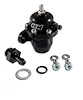
AEM ELECTRONICS
Adjustable Fuel Pressure Regulator 1988-2001 Acura/Honda
Part Number: 017-25-300BK
 Ships on Nov 02, 2026
 Lowest price guarantee
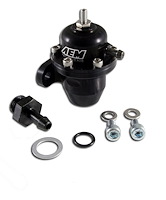
AEM ELECTRONICS
Adjustable Fuel Pressure Regulator 1988-2001 Acura/Honda
Part Number: 017-25-300BK
Ships on Nov 02, 2026Lowest Price Guarantee
AEM ELECTRONICS
Adjustable Fuel Pressure Regulator 1996-2005 Acura/Honda
Part Number: 017-25-301BK
Ships on Nov 02, 2026Lowest price guarantee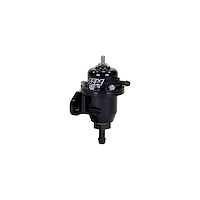
AEM ELECTRONICS
Adjustable Fuel Pressure Regulator 1996-2005 Acura/Honda
Part Number: 017-25-301BK
Ships on Nov 02, 2026Lowest Price Guarantee
AEM ELECTRONICS
Adjustable Fuel Pressure Regulator Universal 20-150 psi
Part Number: 017-25-302BK
Ships on Nov 02, 2026Lowest price guarantee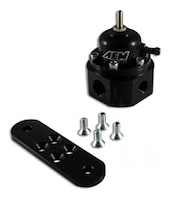
AEM ELECTRONICS
Adjustable Fuel Pressure Regulator Universal 20-150 psi
Part Number: 017-25-302BK
Ships on Nov 02, 2026Lowest Price Guarantee


AEROMOTIVE
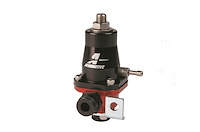
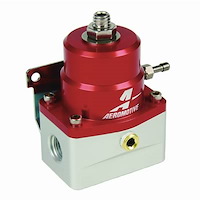
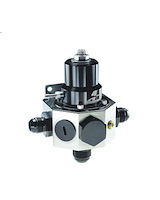
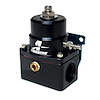
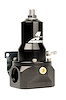
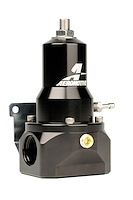
A1000 EFI Bypass Regulator (2) -10AN O-Ring Inlet Ports and (1) -6AN O-Ring Return Port
Part Number: 027-13114
Ships on Nov 02, 2026Lowest price guarantee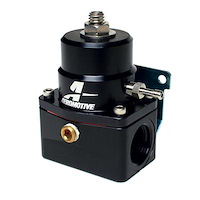
AEROMOTIVE
A1000 EFI Bypass Regulator (2) -10AN O-Ring Inlet Ports and (1) -6AN O-Ring Return Port
Part Number: 027-13114
Ships on Nov 02, 2026Lowest Price Guarantee
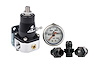
AEROMOTIVE
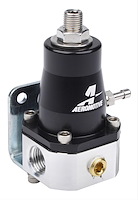
13130 Compact EFI Bypass Regulator Kit -6AN O-Ring Inlet/Outlet Ports w/Dual Inlets
Part Number: 027-13130
Ships on Nov 02, 2026Lowest price guarantee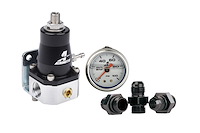
AEROMOTIVE
13130 Compact EFI Bypass Regulator Kit -6AN O-Ring Inlet/Outlet Ports w/Dual Inlets
Part Number: 027-13130
Ships on Nov 02, 2026Lowest Price Guarantee
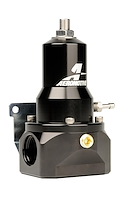
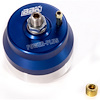
BBK PERFORMANCE PARTS
Adjustable Fuel Pressure Regulator 1986-93 Ford Mustang 302/351
Part Number: 129-1706
Ships on Nov 02, 2026Lowest price guarantee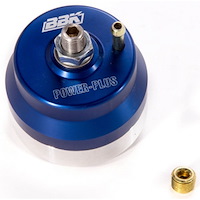
BBK PERFORMANCE PARTS
Adjustable Fuel Pressure Regulator 1986-93 Ford Mustang 302/351
Part Number: 129-1706
Ships on Nov 02, 2026Lowest Price Guarantee
BBK PERFORMANCE PARTS
Adjustable Fuel Pressure Regulator Housing Kit 1985-92 GM Tuned Port 305/350
Part Number: 129-1714
Ships on Nov 02, 2026Lowest price guarantee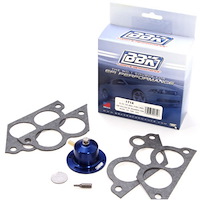
BBK PERFORMANCE PARTS
Adjustable Fuel Pressure Regulator Housing Kit 1985-92 GM Tuned Port 305/350
Part Number: 129-1714
Ships on Nov 02, 2026Lowest Price Guarantee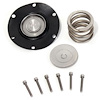
BBK PERFORMANCE PARTS
Fuel Pressure Regulator Rebuild Kit Includes Diaphram, Spring and Hardware
Part Number: 129-1914
Ships on Nov 02, 2026Lowest price guarantee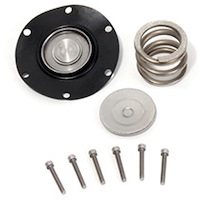
BBK PERFORMANCE PARTS
Fuel Pressure Regulator Rebuild Kit Includes Diaphram, Spring and Hardware
Part Number: 129-1914
Ships on Nov 02, 2026Lowest Price Guarantee

AEROMOTIVE
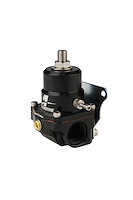
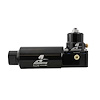
EFI Fuel Pressure Regulator and Fuel Filter Combo [-10 AN, 10 Micron Cellulose, 40-75 psi]
Part Number: 027-13146
Ships on Nov 02, 2026Lowest price guarantee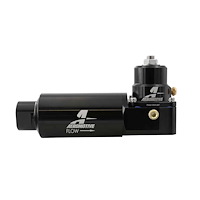
AEROMOTIVE
EFI Fuel Pressure Regulator and Fuel Filter Combo [-10 AN, 10 Micron Cellulose, 40-75 psi]
Part Number: 027-13146
Ships on Nov 02, 2026Lowest Price Guarantee
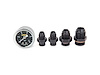
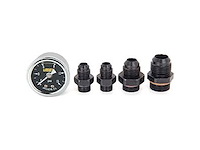
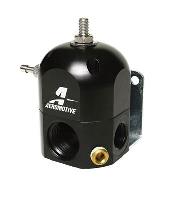
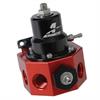
AEROMOTIVE
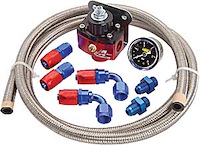
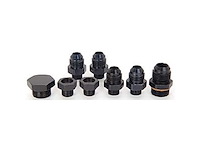
Double Adjustable Carbureted 4-Port Regulator (1) -8AN O-Ring Inlet Port
Part Number: 027-13209
Ships on Nov 02, 2026Lowest price guarantee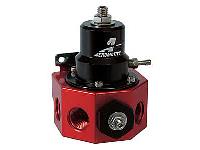
AEROMOTIVE
Double Adjustable Carbureted 4-Port Regulator (1) -8AN O-Ring Inlet Port
Part Number: 027-13209
Ships on Nov 02, 2026Lowest Price Guarantee
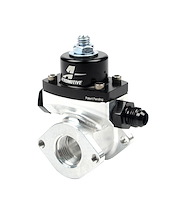
Frequently Asked Questions About Fuel Pressure Regulators
Do I need a fuel pressure gauge with my regulator?
Yes, a gauge is the only way to confirm the pressure your regulator is actually delivering. Many regulators include a gauge port, so you can read pressure right at the regulator. Check it after every adjustment and again once the engine is warm.
Where should a fuel pressure regulator be mounted?
Mount the regulator close to the carburetor or fuel rail so the pressure you set is the pressure the engine sees. Keep it away from exhaust heat and secure it with a regulator mounting bracket. On a return-style system, leave room to route the return line back to the tank.
What are signs of a bad fuel pressure regulator?
Common signs include pressure that won't hold or adjust, a rich-running engine, flooding or hard starting. Fuel in the vacuum reference line usually points to a leaking diaphragm. A gauge reading that drifts from your setting is another clue.
Can I use an EFI regulator on a carbureted engine?
Generally, no. EFI regulators are built for higher pressure, such as a 40-75 PSI range, while carbureted engines need far less. Choose a regulator rated for carburetor pressure so you can set it accurately.
Do I need a return line to run an electric fuel pump?
Not always, since some carbureted setups run an electric pump with a deadhead regulator. Higher-volume pumps generally work better with a return line and a bypass regulator, which reduces pump load and fuel heat. Check your pump's instructions to confirm what it requires.