


 Order Status & Returns
 Gift Cards
 Help Center
 1-800-345-4545
Trailer Hitches & Accessories
Trailer hitches link your truck, SUV or car to the trailer you pull, and JEGS stocks more than 2,000 towing products to complete that setup. You'll find receiver hitches, fifth wheel and gooseneck hitches, ball mounts and trailer wiring, plus weight distribution and sway control parts. Shop by hitch class, receiver size or vehicle fitment so every part matches your trailer and your vehicle's tow rating.
Show More
How Trailer Hitches Are Rated by Class
Trailer hitches fall into five classes based on receiver opening size and weight rating. A higher hitch class means a larger receiver and more capacity, but every rating depends on the specific hitch and your vehicle.
Here's how each class typically compares, based on CURT class guidelines:
- Class 1 hitches use a 1-1/4 in. receiver rated up to about 2,000 lbs.
- Class 2 hitches use a 1-1/4 in. receiver rated up to 3,500 lbs.
- Class 3 hitches use a 2 in. receiver rated up to 8,000 lbs gross trailer weight (GTW).
- Class 4 hitches share the 2 in. receiver but carry higher ratings than Class 3.
- Class 5 hitches use a 2-1/2 in. receiver rated up to about 20,000 lbs.
These are typical maximums, and actual ratings vary by hitch and vehicle. No hitch raises your vehicle's tow rating, so the lowest-rated part of your setup sets your limit. Check your owner's manual first, then match the hitch, ball mount and ball to that number.
Receiver Hitches vs. Fifth Wheel and Gooseneck Hitches
A receiver hitch bolts to your vehicle's frame at the rear and accepts removable ball mounts and accessories. Fifth wheel and gooseneck hitches mount in a pickup bed over the rear axle to handle heavier trailers.
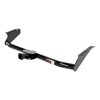
Browse receiver hitches in every common hitch class, including vehicle-specific hitches and RV bumper receivers. They suit cars, SUVs and pickups that tow utility, boat and small camper trailers. Your receiver can also hold a CURT forged receiver-mount pintle hook for trailers with a lunette ring.
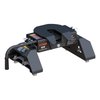
A fifth wheel hitch couples to a trailer kingpin with a jaw plate, while a gooseneck hitch uses a ball in the truck bed. Shop fifth wheel and gooseneck hitches for heavy-duty trucks, including the CURT 5th Wheel Rail Spyder gooseneck rated at 25,000 lbs GTW.
You'll also find the Mopar Accessories fifth wheel hitch assembly for 2013-2016 Ram 3500 trucks. For a deeper breakdown of each style, read our guide to the different types of tow hitches.
Weight Distribution Hitch and Sway Control Basics
A weight distribution hitch spreads tongue weight across your tow vehicle's front and rear axles and the trailer's axles. That keeps your vehicle level, which helps steering, braking and headlight aim.
Tongue weight should typically run 10-15% of gross trailer weight. A 6,000-lb trailer, for example, puts about 600-900 lbs on the hitch ball. Too little tongue weight can cause trailer sway, and too much can overload your rear axle.
If your rear end squats when you hitch up, or your trailer is heavy relative to your vehicle, consider a weight distribution setup. Your owner's manual may also list a trailer weight above which weight distribution is required.
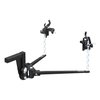
Sway control adds resistance to calm side-to-side trailer movement from crosswinds and passing trucks. Shop weight distribution hitches and sway control, including the CURT MV round bar hitch rated for 10,000 lbs GTW and CURT sway control kits.
Ball Mounts, Hitch Balls and Trailer Wiring Harness Options
Your trailer ball mount slides into the receiver, and the hitch ball on it must match your trailer's coupler. Common ball sizes are 1-7/8, 2 and 2-5/16 in., and most couplers are marked with the size they need.
Browse trailer balls and ball mounts, including CURT Class 3 ball mount kits with a 2 in. ball. A CURT adjustable tri-ball mount carries all three sizes, so you can switch trailers without swapping balls. Pick a mount with the right rise or drop so your trailer sits level.
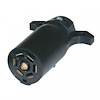
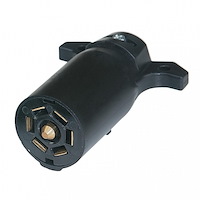
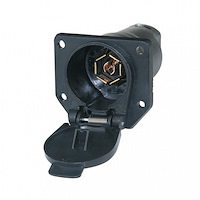
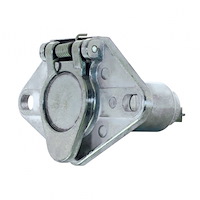
A trailer wiring harness connects your vehicle's lighting to the trailer. The two most common connector types are:
- 4-way flat connectors, which handle basic lighting on small utility and boat trailers
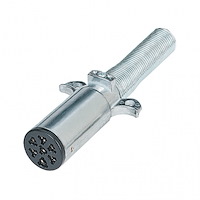
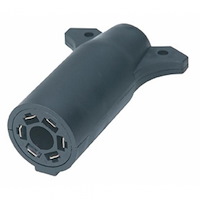
- 7-way RV blade connectors, which add circuits such as electric brakes on campers and larger trailers
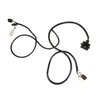
Shop trailer connectors and wiring, including CURT custom 4-way flat harnesses built for specific vehicles.
How to Choose the Right Tow Hitch for Your Vehicle
Start with your owner's manual, which lists your vehicle's maximum towing capacity and tongue weight limit. Then pick a tow hitch rated at or above your loaded trailer's weight, without going past what your vehicle can handle.
Use the JEGS Add a Vehicle fitment tool to filter results to parts that fit your year, make and model. Vehicle-specific hitches are designed around your frame's mounting points, which keeps installation simpler. Next, match your receiver size to your ball mount and accessories, and plan your wiring.
Trailer hitches do more than tow. When you're not pulling a trailer, a cargo carrier in the same receiver adds room for coolers, bags and gear. Our hitch cargo carrier buying guide compares your options.
To compare product lines before you buy, read our CURT towing products review. Once your hitch is sorted, browse all trailer, towing and recovery parts to finish your towing setup.

ADD A VEHICLE TO GUARANTEE PARTS FIT
See products that fit

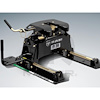
MOPAR ACCESSORIES
Fifth Wheel Hitch Assembly 2013-2016 Ram 3500
Part Number: 293-82213821
 Ships TomorrowFree shipping
 Lowest price guarantee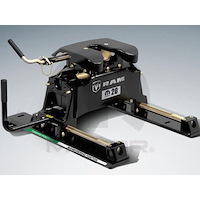
MOPAR ACCESSORIES
Fifth Wheel Hitch Assembly 2013-2016 Ram 3500
Part Number: 293-82213821
Ships TomorrowFree shippingLowest Price Guarantee
![Race Car Push Bar Kit [7ft. Long]](https://www.jegs.com/images/mini_100/500/555/555-64042.jpg)
![Race Car Push Bar Kit [7ft. Long]](https://www.jegs.com/images/mini_200/500/555/555-64042.jpg)
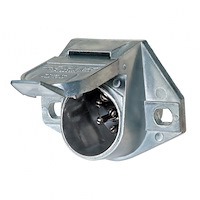
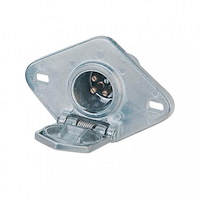
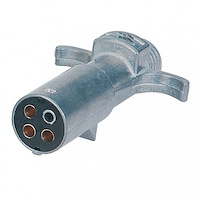
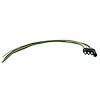
UNITED PACIFIC
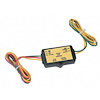
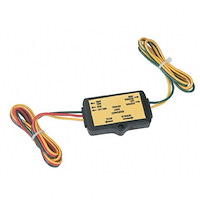
90627 4 Way LED Trailer Light Harness - 12 in. Positive & Ground Leads
Part Number: 953-90627
Ships on 10/13/2026Lowest price guarantee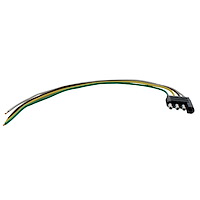
UNITED PACIFIC
90627 4 Way LED Trailer Light Harness - 12 in. Positive & Ground Leads
Part Number: 953-90627
Ships on 10/13/2026Lowest Price Guarantee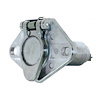
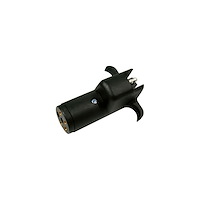

UNITED PACIFIC
77007 Chrome Plastic Hitch Cover For 2 in. x 2 in. Trailer Hitch Receivers
Part Number: 953-77007
Ships on 10/13/2026Lowest price guarantee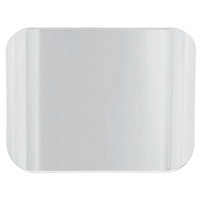
UNITED PACIFIC
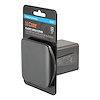
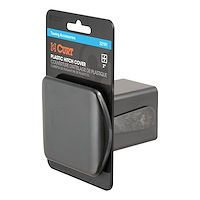
77007 Chrome Plastic Hitch Cover For 2 in. x 2 in. Trailer Hitch Receivers
Part Number: 953-77007
Ships on 10/13/2026Lowest Price Guarantee
UNITED PACIFIC
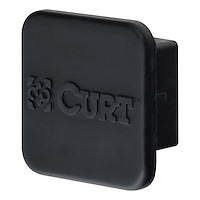
77008 Matte Black Plastic Hitch Cover For 2 in. x 2 in. Trailer Hitch Receivers
Part Number: 953-77008
Ships on 10/13/2026Lowest price guarantee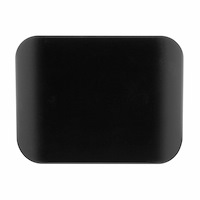
UNITED PACIFIC
77008 Matte Black Plastic Hitch Cover For 2 in. x 2 in. Trailer Hitch Receivers
Part Number: 953-77008
Ships on 10/13/2026Lowest Price Guarantee
UNITED PACIFIC
98396 2-Way Flat Molded FM & 2-Way Flat Molded M Trailer Connectors w/ Polarized Plugs, 1 Pc.
Part Number: 953-98396
Ships on 10/21/2026Lowest price guarantee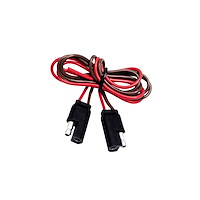
UNITED PACIFIC
98396 2-Way Flat Molded FM & 2-Way Flat Molded M Trailer Connectors w/ Polarized Plugs, 1 Pc.
Part Number: 953-98396
Ships on 10/21/2026Lowest Price GuaranteeFrequently Asked Questions About Trailer Hitches
Can I Install a Trailer Hitch Myself?
Yes, many receiver hitches install with basic hand tools and a torque wrench. Some vehicles require you to lower the exhaust or remove a heat shield first. Follow the included instructions and torque every bolt to spec.
Does a Trailer Hitch Increase My Vehicle's Towing Capacity?
No. Your vehicle's manufacturer sets its towing capacity based on the frame, engine, brakes, suspension and cooling. A higher-class hitch can't raise that number, so always tow within the lower of the hitch rating and the vehicle rating.
What Is the Difference Between Gross Trailer Weight and Tongue Weight?
Gross trailer weight (GTW) is the total weight of your loaded trailer. Tongue weight is the downward force the trailer coupler puts on the hitch ball. Your hitch carries a separate rating for each, and you need to stay under both.
Do I Need a Hitch Lock?
A hitch lock isn't required, but it keeps someone from pulling your ball mount or accessory out of the receiver. A locking pin, such as the CURT barbell hitch pin lock with a 5/8 in. pin for 2 in. receivers, replaces the standard pin and clip.
Will a Trailer Hitch Fit My Vehicle Without Drilling?
Many vehicle-specific hitches bolt into existing holes in the frame, so no drilling is needed. Some vehicles need a hole drilled or enlarged, and the product instructions will note it. Check the fitment details for your year, make and model before you order.