


 Order Status & Returns
 Gift Cards
 Help Center
 1-800-345-4545
Throttle & Carburetor Linkage Parts and Kits
Throttle linkage connects your gas pedal to the carburetor so you control engine speed and air-fuel flow with every press. This category covers the rods, cruise control brackets, carb end assemblies, throttle return spring brackets, studs, and clips you need to build or repair a linkage setup. You'll find parts in steel, aluminum, and stainless steel, so you can match strength, corrosion resistance, and fit to your project.
Show More
What Does Throttle Linkage Do?
Throttle linkage transfers the motion of your gas pedal to the carburetor's throttle blades, opening and closing them to control engine speed and air-fuel flow. When you press the pedal, the linkage rotates the throttle lever, the blades open wider, and more air and fuel reach the engine. Release the pedal and a throttle return spring pulls everything back to idle. A clean, properly adjusted linkage gives you smooth, predictable throttle response and a reliable return to idle every time. Worn rods, loose clips, or binding pivots make the throttle stick or feel vague, so the whole assembly matters. You can browse the full selection of throttle cables and linkage to see how rods, cables, brackets, and springs work together in one system. If you're deciding between fuel systems for a build, our guide to carburetor vs. fuel injection explains how each one meters fuel and why linkage plays a bigger role on carbureted engines.
Types of Throttle Linkage Parts and Kits
Throttle linkage parts and kits cover several jobs, and most builds use a mix of the following components:
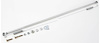
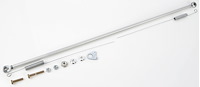
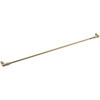
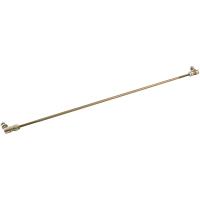
- Throttle linkage rods, including 24 in. and 26 in. steel rods that connect the pedal or lever to the carburetor
- Cruise control brackets and cables that mount and route the cruise system alongside the linkage
- Carb end assemblies that attach the linkage to the carburetor throttle lever
- Throttle return spring brackets that anchor the spring and pull the throttle back to idle
- Throttle and cruise control studs that give levers and cables a solid mounting point
- Rod clips that secure the rods and keep the linkage from separating under load
If you're mounting a cable-and-bracket setup instead of a solid rod, check the dedicated throttle cables and brackets parts to match your carburetor and firewall layout. Pick the pieces that fit your engine and build a complete linkage kit from there.
What Is Throttle Linkage Made Of?
Throttle linkage is built mainly from steel, aluminum, and stainless steel, and each material earns its place for a reason. Steel rods and brackets give you high strength and stiffness, so the linkage holds its geometry under repeated, hard pedal input without flexing or bending. Aluminum parts cut weight and resist corrosion, which makes them a popular pick for street rods and show-quality engine bays where looks matter as much as function. Stainless steel adds strong corrosion resistance for parts exposed to heat, moisture, and road grime, so the linkage stays smooth and long-lasting over years of use. When you're choosing, match the material to your priorities: raw durability, weight savings, a polished finish, or protection against rust. You can compare finishes and materials across the wider air and fuel delivery parts catalog to keep your linkage consistent with the rest of your fuel system.
Which Brands Make Throttle Linkage?
Several trusted names build throttle linkage parts and kits, so you can match components to the carburetor and style you're running. Holley offers linkage and throttle hardware designed to work with its popular carburetors and fuel systems, making setup straightforward on many builds. Lokar is known for cut-to-fit throttle cables, rods, and billet linkage that suit custom and street rod projects where fit and finish count. Edelbrock supplies linkage components matched to its carburetors and intake systems for clean, reliable operation. You'll also find parts from Demon Carburetion and Allstar Performance, which cover performance and racing applications with durable, purpose-built hardware. Choosing a brand that already supports your carburetor takes the guesswork out of fitment and helps the throttle move freely. Compare options across these brands to find rods, cables, and brackets that bolt up to your engine without extra fabrication.
How Much Does a Carburetor Throttle Linkage Kit Cost?
A basic carburetor throttle linkage kit runs about $20 to $50, which makes it an affordable way to get a complete, ready-to-install setup. Individual components start around $1 for small parts like clips and studs and climb to several hundred dollars for specialty billet assemblies and full cruise-ready systems. What you pay depends on the material, the brand, and how complete the kit is, so a simple steel rod-and-clip combination costs far less than a polished aluminum or stainless setup with cables and brackets. If you only need to replace a worn rod or a missing clip, buying the single piece keeps the repair cheap. If you're building from scratch or upgrading the whole system, a complete kit usually gives you better value and guarantees the parts work together. Set your budget around the material and finish you want, then match the kit to your carburetor and engine bay.

ADD A VEHICLE TO GUARANTEE PARTS FIT
See products that fit

ADD A VEHICLE TO GUARANTEE PARTS FIT
See products that fit
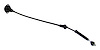
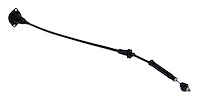
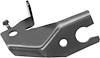
OER
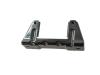
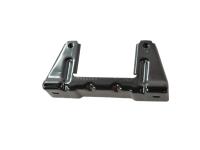
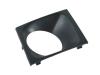
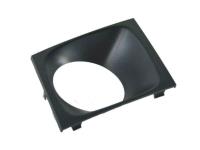
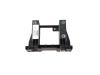
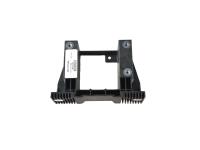
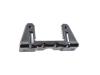
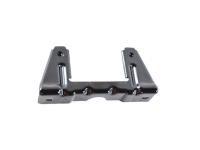
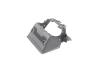
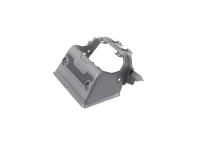
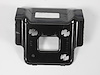
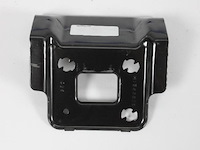
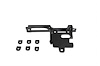
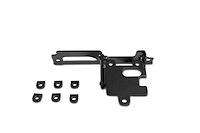
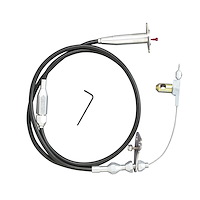
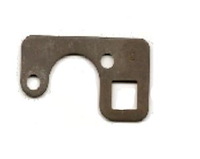
14876 1970-72 Camaro, Firebird, Accelerator Cable Bracket, w/ Holley Carburetor
Part Number: 691-14876
 Ships on 11/05/2026
 Lowest price guarantee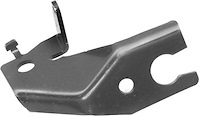
OER
14876 1970-72 Camaro, Firebird, Accelerator Cable Bracket, w/ Holley Carburetor
Part Number: 691-14876
Ships on 11/05/2026Lowest Price Guarantee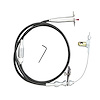
IDIDIT
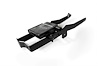
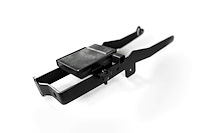
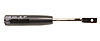
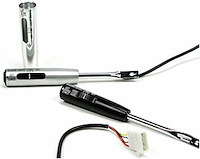
Rostra Cruise Handle Early GM-style Cruise Control Switch (1981 and earlier)
Part Number: 535-3100005024
Ships on 10/13/2026Lowest price guarantee
IDIDIT
Rostra Cruise Handle Early GM-style Cruise Control Switch (1981 and earlier)
Part Number: 535-3100005024
Ships on 10/13/2026Lowest Price Guarantee
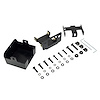
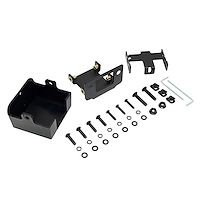
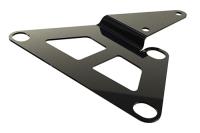
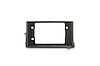
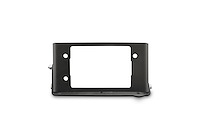
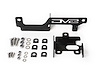
DV8 OFFROAD
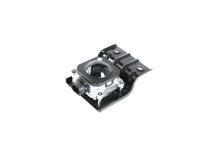
Adaptive Cruise Control Relocation Bracket for Late-Model Ford Bronco with Select DV8 Offroad Front Bumpers
Part Number: 339-ABBR-01
Ships on Oct 12, 2026Lowest price guarantee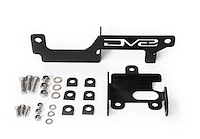
DV8 OFFROAD
Adaptive Cruise Control Relocation Bracket for Late-Model Ford Bronco with Select DV8 Offroad Front Bumpers
Part Number: 339-ABBR-01
Ships on Oct 12, 2026Lowest Price GuaranteeFrequently Asked Questions About Throttle Linkage
What Are the Symptoms of a Bad Throttle Linkage?
The most common signs are a throttle that sticks or binds, a pedal that won't return smoothly to idle, and inconsistent throttle response as you drive. Worn bushings, bent rods, and a tired return spring are usually behind these problems. Left unchecked, a sticking linkage is a safety risk, so inspect and replace worn parts early. Our guide to common carburetor problems and solutions walks through related throttle and choke issues and how to fix them.
How Do I Adjust Throttle Linkage?
Start by setting the idle-speed screw so the engine idles correctly with your foot off the pedal. Then check free travel at the pedal and confirm the throttle opens fully at wide-open throttle without binding. Make sure the return spring pulls the linkage cleanly back to idle. For carburetor-specific steps, follow our guide on how to adjust a Holley carburetor.
Can I Replace Just the Throttle Linkage Rod?
Yes. Individual throttle linkage rods, including 24 in. and 26 in. steel rods, are sold separately, along with the clips that hold them in place. If your kit is otherwise in good shape, replacing just the worn rod or a missing clip is a quick, low-cost fix. Match the length and diameter to your original part so the geometry stays correct.
Are Throttle Linkage Kits Universal or Vehicle-Specific?
It depends on the part. Some throttle linkage kits are universal or adjustable, so you can trim and fit them to a range of setups, while others are application-specific and built for a particular carburetor or vehicle. Always verify fitment with the site's vehicle selector tool before you buy. Matching the part to your engine and carburetor saves returns and keeps the throttle moving freely.
What's the Difference Between Throttle Cables and Throttle Linkage?
Throttle cables use a flexible braided cable to pull the throttle open, which makes routing around the engine bay easier on many builds. Throttle linkage uses solid rods and levers to move the throttle mechanically, giving a direct, positive feel. Many setups combine both, using a cable from the pedal and rods at the carburetor. Choose based on your engine bay layout, your carburetor, and the feel you want.