

 Order Status & Returns
 Gift Cards
 Help Center
 1-800-345-4545
Wheelie Bars & Kits
Wheelie bars keep your front end planted during hard launches, so power goes to the track instead of lifting the nose. You'll find complete wheelie bar kits, bolt-on and universal Wheel-E-Bars, and individual wheelie bar components built for drag racing here. Below, you'll learn what they do, how to choose length and material, and how to dial in height and adjustment.
Show More
What Do Wheelie Bars Do in Drag Racing?
Wheelie bars do two jobs at once: they stop the front end from lifting during hard acceleration, and they help you control wheel speed and tune the suspension. When your tires hook hard off the line, the chassis wants to rotate and lift the nose. A wheelie bar limits that rotation, keeping the car level, safe, and pointed straight. That same contact point also lets you manage how quickly the rear suspension loads, which affects traction and consistency run after run. Racers use the bars as a tuning tool, softening or stiffening the hit to match track conditions. If you're shopping the broader system, browse the full Traction Bars & Wheelie Bars category to compare setups. For deeper background on building a consistent car, read our bracket racing tech articles before you commit to a setup.
Types of Wheelie Bar Kits and Components
Wheelie bar options range from complete race-ready kits by Rhodes Race Cars, offered in Pro Series 80 in., Pro Mod 96 in., and Sportsman 70 in. lengths, to simple bolt-on kits like the dual-style 44 in. setup from Granatelli. Match the type to your car, budget, and class:
- Complete bolt-on wheelie bar kits that mount to the rear frame or axle brackets with basic hand tools.
- Universal Wheel-E-Bars you can adapt to many chassis without custom fabrication.
- Sprung designs that cushion the initial hit, versus unsprung designs that react instantly.
- Complete kits sized for everything from street/strip cars to dedicated Pro Mod combinations.
- Individual wheelie bar components such as struts, collars, billet aluminum arms, and mounting brackets.
Already running a setup? Shop individual Wheelie Bar Components to replace worn parts, add adjustment, or fine-tune the bars you already have.
How to Choose Wheelie Bar Length and Material
Choosing a wheelie bar comes down to length, material, and single- versus dual-bar design. Length typically ranges from about 44 in. up to 96 in.; longer bars react more gently and suit quicker, higher-horsepower cars, while shorter bars fit milder street/strip builds. Material matters for weight and strength: seamless steel tubing is durable and budget-friendly, while chrome moly is lighter and stronger for serious competition. Competition Engineering Wheel-E-Bars come in both bolt-on and universal versions using seamless steel and chrome moly tubes, so you can match the build to your class. Single-bar setups save weight and work well for lighter cars, while dual-bar designs add stability for high-power combinations that load hard. Wheel and tire choice affects how the car launches too, so review our guide on what size racing wheels to run for drag racing before you finalize your rear setup.
Wheelie Bar Markers and Track Accessories
Wheelie bar markers help you read exactly how your car behaves off the line. Also called wheelie bar chalk, these markers coat the bottom of your wheelie bar wheels so you can see how hard and how long the bars are loading against the track. That feedback tells you whether to raise, lower, or adjust the bars for better sixty-foot times. Allstar Performance offers wheelie bar markers that make this tuning quick between rounds. Pair your bars with the right supporting hardware, from mounting brackets to replacement wheels, to keep the system consistent. Remember that wheelie bars are only part of your traction package: how the rear suspension plants the tires matters just as much. If your car still spins or shakes despite good bars, add Traction Bars to control axle wrap and put more power to the ground.
How to Set Wheelie Bar Height and Adjustment
Start with your wheelie bar wheels about 2 to 4 inches off the ground at rest, then adjust from there based on how the car launches. Lower bars react sooner and control the front end more aggressively, while higher bars let the nose rise slightly before the bars take load. Rough or bumpy tracks often need higher bars so the wheels don't drag or bounce on imperfections. Make small changes, one at a time, and watch your wheelie bar markers and sixty-foot times to confirm the direction. Height, preload, and angle all interact, so record each change and its result. Because the bars work with the rest of your chassis, browse Chassis, Steering & Suspension parts to round out your setup. For step-by-step tuning help, our chassis and suspension tech articles walk through how these adjustments affect the whole car.

ADD A VEHICLE TO GUARANTEE PARTS FIT
See products that fit

ADD A VEHICLE TO GUARANTEE PARTS FIT
See products that fit




![Wheels Up Bottle Applicator Wheelie Bar Marker [3 Ounce, White, Chalk]](https://www.jegs.com/images/mini_100/0/049/049-all78207.jpg)
ALLSTAR PERFORMANCE
Wheels Up Bottle Applicator Wheelie Bar Marker [3 Ounce, White, Chalk]
Part Number: 049-ALL78207
 Ships on 10/13/2026
 Lowest price guarantee
![Wheels Up Bottle Applicator Wheelie Bar Marker [3 Ounce, White, Chalk]](https://www.jegs.com/images/mini_200/0/049/049-all78207.jpg)
ALLSTAR PERFORMANCE
Wheels Up Bottle Applicator Wheelie Bar Marker [3 Ounce, White, Chalk]
Part Number: 049-ALL78207
Ships on 10/13/2026Lowest Price Guarantee
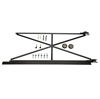
GRANATELLI
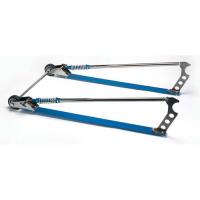
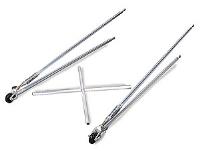
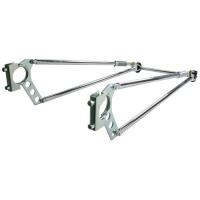
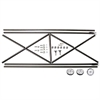
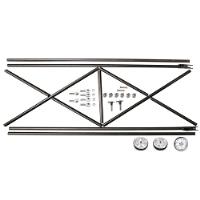
GMWB19 Wheelie Bar Kit, Bolt On, Dual Style, Unsprung, 44 in. Long, 14 in. Center to Center
Part Number: 467-GMWB19
Ships on 10/13/2026Lowest price guarantee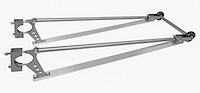
GRANATELLI
GMWB19 Wheelie Bar Kit, Bolt On, Dual Style, Unsprung, 44 in. Long, 14 in. Center to Center
Part Number: 467-GMWB19
Ships on 10/13/2026Lowest Price Guarantee
![Wheels Up Bottle Applicator Wheelie Bar Marker [3 Ounce, White, Chalk]](https://www.jegs.com/images/mini_100/0/049/049-all78207-12.jpg)
ALLSTAR PERFORMANCE
Wheels Up Bottle Applicator Wheelie Bar Marker [3 Ounce, White, Chalk]
Part Number: 049-ALL78207-12
Ships on 10/13/2026Lowest price guarantee![Wheels Up Bottle Applicator Wheelie Bar Marker [3 Ounce, White, Chalk]](https://www.jegs.com/images/mini_200/0/049/049-all78207-12.jpg)
ALLSTAR PERFORMANCE
Wheels Up Bottle Applicator Wheelie Bar Marker [3 Ounce, White, Chalk]
Part Number: 049-ALL78207-12
Ships on 10/13/2026Lowest Price Guarantee

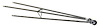
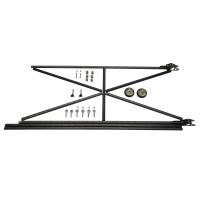
COMPETITION ENGINEERING
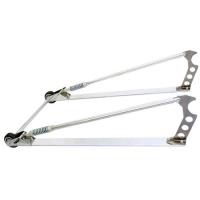
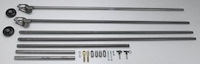
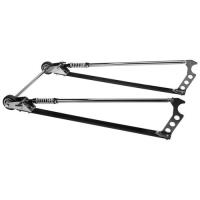
Universal 80" Single Wheel-E-Bar Seamless Chrome Moly Steel Tubes
Part Number: 247-2148
Ships on 10/13/2026Lowest price guarantee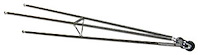
COMPETITION ENGINEERING
Universal 80" Single Wheel-E-Bar Seamless Chrome Moly Steel Tubes
Part Number: 247-2148
Ships on 10/13/2026Lowest Price Guarantee



Frequently Asked Questions About Wheelie Bars
How much do wheelie bars cost?
Wheelie bar pricing depends on complexity and materials. Entry-level and basic kits run roughly $150 to $300, mid-range adjustable kits fall around $300 to $600, and high-end pro kits run $600 and up. Chrome moly construction and full adjustability push you toward the higher end.
Are wheelie bars required for drag racing?
It depends on your class and speed. Wheelie bars become mandatory in many faster and quicker classes and above certain speeds, based on your track's and sanctioning body's rules. Always verify the current requirements with your track before you race.
Can you install bolt-on wheelie bars at home?
Often, yes. Bolt-on wheelie bar kits mount to the rear frame or axle brackets using common hand tools, so many racers install them in the garage. Weld-on styles, however, need fabrication and welding equipment, so plan for a shop if your setup isn't bolt-on.
Do wheelie bars fit any car?
Not automatically. Universal wheelie bars fit a wide range of chassis, but the bracket spacing and axle tube size still have to match your car. Confirm fitment against your specific rear-end and frame before ordering.