


 Order Status & Returns
 Gift Cards
 Help Center
 1-800-345-4545

Water Pump Gaskets
Water pump gaskets seal the joint between your water pump and the engine, keeping coolant inside a pressurized cooling system. A worn, torn, or poorly installed gasket lets coolant seep out, which can lead to low coolant levels and overheating. Shop paper, AFM, molded rubber, and rubber-coated stainless gaskets for domestic V8, V6, diesel, and import engines.
Show More
What a Water Pump Gasket Does
A water pump gasket seals the mating surface between the pump and the engine block, timing cover, or pump housing. That seal keeps coolant under pressure and keeps air out, so your engine can shed heat the way it should.
The gasket has to survive heat cycles, coolant chemicals, and clamping force from the mounting bolts without breaking down. That's why material and thickness matter as much as the port shape and bolt pattern. Some engines use one gasket between the pump and block, while others add a water pump-to-housing gasket where the pump bolts to a separate housing.
If you're replacing a belt-driven pump, browse our mechanical water pumps and components to match the pump and gasket in one order. Thinking about an electric pump for an LS swap? Our GM/Chevy LS electric water pump buying guide explains what to look for.
Water Pump Gasket Material Options
Water pump gasket material decides how the seal handles heat, pressure, and minor surface flaws. Here's what you'll find in this category:
- Paper and fiber gaskets are the traditional OE-style choice, and Cometic Gaskets offers fiber versions at 0.031-inch thick.
- AFM gaskets are a fiber-based option that Cometic lists at 0.032-inch thick for applications like the Nissan CA18DE/CA18DET.
- Molded rubber gaskets are a growing share of newer designs, according to Fel-Pro, though some applications still use paper.
- Rubber-coated stainless gaskets pair a thin steel core with a rubber coating, and Cometic offers them at 0.010-inch thick.
Start with the material your engine originally used, since the pump and mounting surface were designed around that thickness. A different thickness can change pump position and belt or pulley alignment. If you're switching materials, check the product's fitment notes before you order.
Signs of a Water Pump Gasket Leak
The clearest sign of a water pump gasket leak is coolant at the joint where the pump meets the block or housing. Look for wet spots, dried coolant residue, or drips under the front of the engine after it sits overnight.
Other warning signs include a coolant level you keep topping off, a sweet smell after driving, and rising engine temperatures. Pay attention to where the coolant shows up. Coolant from the pump's weep hole usually points to a failing pump shaft seal instead.
A cooling system pressure tester helps you pinpoint the source before you start pulling parts. Our guide on how to find and fix coolant leaks walks through the process. If a slow leak has already caused overheating or a check engine light, read up on P2181 code causes and fixes.
Water Pump Gasket Replacement Tips
A water pump gasket replacement lasts when you start with a clean, flat sealing surface and torque the bolts evenly. Most repeat leaks trace back to rushed surface prep, so give this step the time it needs.
Remove every bit of old gasket material with a plastic scraper or gasket-removal pad, taking care not to gouge aluminum surfaces. The surface should be clean, smooth, and free of corrosion or pitting. Wipe both sides with a residue-free cleaner so the new gasket seats fully.
Mounting hardware matters too. Inspect each bolt for corrosion, stretched threads, or damage, and replace questionable hardware with new water pump bolts. On some engines, bolts thread into coolant passages and need thread sealant, so check your service manual. Tighten in a crisscross pattern to the specified torque, then refill and bleed air from the cooling system.
Brands and Applications We Carry
This category includes water pump gaskets from three brands, covering domestic V8 and V6, diesel, and import engines for street and performance builds. Here's what each one offers:
- Fel-Pro fits Small Block Ford, GM 2.8L and 4.3L V6, 2001-2004 GM 6.6L Duramax, Honda/Acura K20 2.0L, and Jeep 3.8L V6 engines.
- Cometic Gaskets covers Nissan CA18DE/CA18DET and SR20DE/SR20DET, Toyota 7M-GE/7M-GTE and 2JZ-GE/2JZ-GTE, plus a Chrysler B/RB and Gen-2 Hemi kit.
- Meziere offers its own water pump gasket, part number 680-WPG001.
Gasket position varies by part. Fel-Pro's Small Block Ford part is a water pump-to-housing gasket, while its GM 4.3L V6 part seals the pump to the block. Read each listing to confirm which joint the gasket seals. Need the pump, pulley, or new hardware to go with it? Shop all water pumps and components to finish the job.

ADD A VEHICLE TO GUARANTEE PARTS FIT
See products that fit

ADD A VEHICLE TO GUARANTEE PARTS FIT
See products that fit

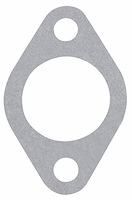

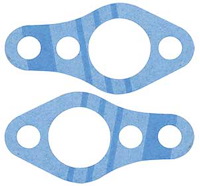
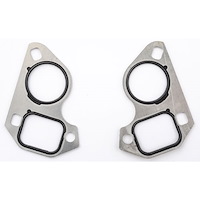


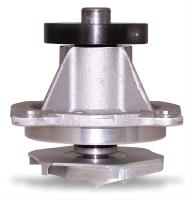
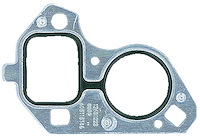

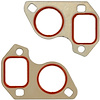
CLEVITE MAHLE
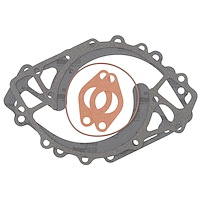
Water Pump Mounting Gasket Set 1999-2014 Chevy LS V8 4.8/5.3/5.7/6.0/6.2/7.0L (LS1/LS2/LS3/LS6/LS7/LSA/LS9)
Part Number: 695-K31628
 Ships Today
 Lowest price guarantee
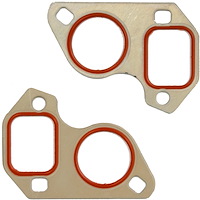
CLEVITE MAHLE
Water Pump Mounting Gasket Set 1999-2014 Chevy LS V8 4.8/5.3/5.7/6.0/6.2/7.0L (LS1/LS2/LS3/LS6/LS7/LSA/LS9)
Part Number: 695-K31628
Ships TodayLowest Price Guarantee
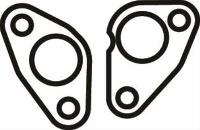

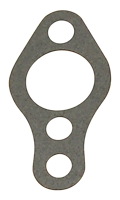

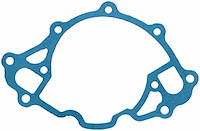

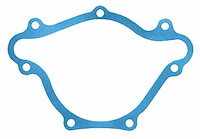

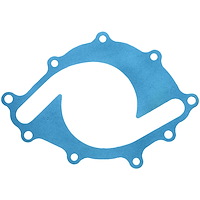






BRIAN TOOLEY RACING BTR
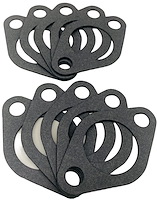
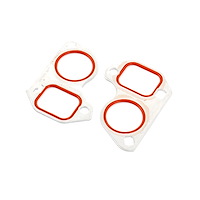
BTR57430-2 Gen V LT Water Pump Gasket Set for GM Gen V LT Engines
Part Number: 559-BTR-57430-2
Ships on 11/10/2026Lowest price guarantee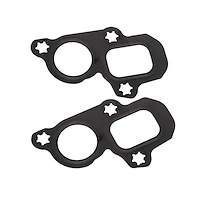
BRIAN TOOLEY RACING BTR
BTR57430-2 Gen V LT Water Pump Gasket Set for GM Gen V LT Engines
Part Number: 559-BTR-57430-2
Ships on 11/10/2026Lowest Price Guarantee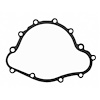
CLEVITE MAHLE
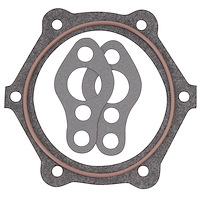
Water Pump Gasket 1969-1981 Pontiac V8 301/326/350/389/400/421/428/455
Part Number: 695-K27149
Ships on 02/16/2027Lowest price guarantee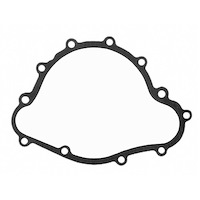
CLEVITE MAHLE
Water Pump Gasket 1969-1981 Pontiac V8 301/326/350/389/400/421/428/455
Part Number: 695-K27149
Ships on 02/16/2027Lowest Price Guarantee
Frequently Asked Questions About Water Pump Gaskets
Do water pump gaskets need sealant?
It depends on the gasket. Many paper and fiber gaskets install dry or with a light coat of sealant. Molded rubber and coated gaskets are usually designed to go on dry. Follow the instructions packed with your gasket, since excess sealant can squeeze into coolant passages.
Can you replace a water pump gasket without replacing the water pump?
Yes. If the pump's bearing and seal are healthy and only the gasket joint leaks, remove the pump, clean both surfaces, and install a new gasket. If coolant is coming from the weep hole or the shaft has play, replace the pump while it's off.
Should you use RTV instead of a water pump gasket?
Only if your engine was designed for it. Some engines use a formed-in-place bead from the factory, but if yours came with a gasket, stick with one for consistent thickness and clamp load. If your application calls for sealant, choose a coolant-resistant RTV gasket maker and let it cure fully before refilling.
Should you replace the water pump gasket when installing a new water pump?
Yes. Don't reuse an old gasket, because it has already compressed and taken a set. Many new pumps include a gasket, but check the box before you start so you're not stuck mid-job.
How do you find the right water pump gasket for your engine?
Match the gasket to your vehicle's year, make, model, and engine, then compare the port shape and bolt pattern against your pump. Note whether you need a pump-to-block or pump-to-housing gasket, since some engines use both. Check the fitment details on each product listing before you order.