


 Order Status & Returns
 Gift Cards
 Help Center
 1-800-345-4545
Oil Catch Cans and Breather Tanks - Shop by Type & Brand
Oil catch cans keep the oily blow-by vapor from your crankcase out of your intake, so your valves and intake tract stay clean. This category covers baffled catch cans, air oil separators, breather tanks, and complete bolt-on kits for street, strip, and boosted builds. Compare designs by material, port size, and mounting so you can match one to your engine and how you drive.
Show More
What Does an Oil Catch Can Do?
An oil catch can traps the oily blow-by vapor that escapes your crankcase before it reaches the intake. As combustion gases slip past the piston rings, they pressurize the crankcase and carry oil mist and fuel vapor with them.
Your PCV system normally routes that vapor back into the intake, where it bakes onto valves and builds sludge. A catch can sits in that line, separates the oil from the air, and collects it in a small reservoir. If a stubborn bad PCV valve is part of the problem, sort that out first.
The payoff is cleaner intake valves, steadier idle, and less carbon buildup over the life of the engine. On a sealed setup, the can does this while keeping your crankcase ventilation intact.
Ready to keep your intake clean? Shop oil catch cans now and match one to your engine setup.
Types of Oil Catch Cans and Breather Tanks
Oil catch cans and breather tanks come in a few distinct designs. The right one depends on whether your crankcase stays sealed or vents to atmosphere.
- Baffled catch cans: Internal baffles and filter media force vapor to change direction, dropping oil out before clean air continues to the intake.
- Non-baffled catch cans: A simple open can that collects heavier droplets; cheaper, but less effective on high-blow-by engines.
- Air oil separators: Sealed units that return separated oil and keep the PCV system closed for emissions compliance.
- Breather tanks: Vented reservoirs for race setups that dump crankcase pressure to atmosphere instead of recirculating it.
- Catch can kits: Complete kits with brackets, fittings, and hoses matched to a specific engine, so everything bolts on.
If your build runs a fully vented crankcase, pair a breather tank with a crankcase evacuation system to pull pressure out under load.
How to Choose the Right Oil Catch Can
Choose an oil catch can based on your engine's blow-by volume, your emissions requirements, and the space you have to mount it. Turbocharged and high-rpm engines produce more blow-by, so look for a baffled can with real filter media and larger port sizes.
If your car has to pass emissions, a sealed air oil separator keeps the PCV loop closed and street legal. Aluminum cans handle heat and vibration better than plastic, and a clear sight tube or drain valve makes emptying quick.
Match reservoir capacity to how you drive too. A tracked or boosted engine fills faster, so a larger can or one with a quick drain valve means fewer stops to empty it.
Before you buy, confirm the bracket fits your bay and that the fittings match your hose size. Getting port size and mounting right the first time saves you from re-routing hoses later.
Top Oil Catch Can Brands at JEGS
JEGS carries oil catch cans and separators from the brands enthusiasts trust for fit and quality. Each one focuses on a slightly different build, so pick by platform and how much separation you need.
Mishimoto builds baffled catch cans and complete kits engineered for popular late-model platforms. Radium Engineering offers air oil separators and dual catch can kits for demanding turbo builds.
Not sure which to pick? Match the brand to your platform and blow-by volume. A dedicated late-model kit gives a bolt-on fit, while a universal can and fittings suit a custom setup.
Improved Racing makes its CCS oil catch can kits with strong internal separation. Vibrant Performance supplies universal cans, brackets, and fittings to finish any install. Shop oil catch cans by brand now to match a proven design to your platform.
Oil Catch Can Kits for Direct-Injection and Turbo Engines
Direct-injection and turbocharged engines benefit most from an oil catch can kit, because they're the ones most prone to intake fouling. A kit gives you the can, brackets, and fittings sized for the job in one box.
Direct-injection engines spray fuel straight into the cylinder, so no fuel washes over the intake valves to clear away oil vapor. Over time that vapor bakes into carbon that chokes airflow and hurts performance.
Turbo engines push more blow-by past the rings under boost, sending extra oil mist toward the intake. A baffled kit intercepts that mist and keeps your oil system parts cleaner between services.
For more on protecting flow, see our guide to the best oil filters for performance engines. Then shop oil catch can kits now for your build.

ADD A VEHICLE TO GUARANTEE PARTS FIT
See products that fit

ADD A VEHICLE TO GUARANTEE PARTS FIT
See products that fit
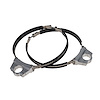
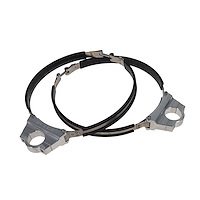
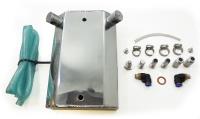
![12778 Gen 3 Catch Can Mounting Bracket [Single]](https://www.jegs.com/images/mini_100/200/231/231-12778.jpg)
![12778 Gen 3 Catch Can Mounting Bracket [Single]](https://www.jegs.com/images/mini_200/200/231/231-12778.jpg)
![12779 Gen 3 Catch Can Mounting Bracket [Dual]](https://www.jegs.com/images/mini_100/200/231/231-12779.jpg)
![12779 Gen 3 Catch Can Mounting Bracket [Dual]](https://www.jegs.com/images/mini_200/200/231/231-12779.jpg)
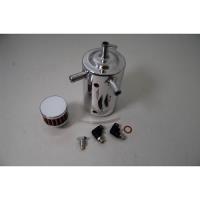

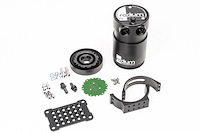
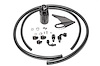
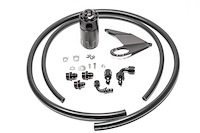
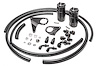
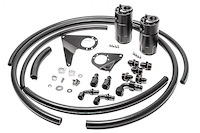
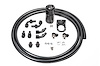
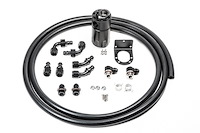

IMPROVED RACING
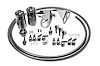
CCS-CH-105 CCS Oil Catch Can Kit for 2009-2018 Ram 1500 5.7 Hemi
Part Number: 553-CCS-CH-105
 Ships on 10/14/2026
 Lowest price guarantee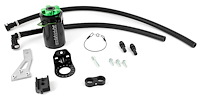
IMPROVED RACING
CCS-CH-105 CCS Oil Catch Can Kit for 2009-2018 Ram 1500 5.7 Hemi
Part Number: 553-CCS-CH-105
Ships on 10/14/2026Lowest Price Guarantee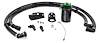
IMPROVED RACING
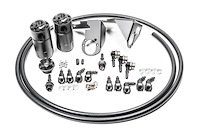
CCS-FR-100 CCS Oil Catch Can Kit for 2015+ Ford F-150 3.5L V6, Raptor R 5.2L V8
Part Number: 553-CCS-FR-100
Ships on 10/14/2026Lowest price guarantee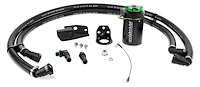
IMPROVED RACING
CCS-FR-100 CCS Oil Catch Can Kit for 2015+ Ford F-150 3.5L V6, Raptor R 5.2L V8
Part Number: 553-CCS-FR-100
Ships on 10/14/2026Lowest Price Guarantee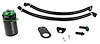
IMPROVED RACING
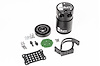
CCS-FR-102 CCS Turbo Inlet Oil Catch Can Kit for Ford Explorer 3.0 TT V6 ST/Platinum (Gen 6)
Part Number: 553-CCS-FR-102
Ships on 10/14/2026Lowest price guarantee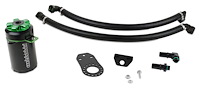
IMPROVED RACING
CCS-FR-102 CCS Turbo Inlet Oil Catch Can Kit for Ford Explorer 3.0 TT V6 ST/Platinum (Gen 6)
Part Number: 553-CCS-FR-102
Ships on 10/14/2026Lowest Price Guarantee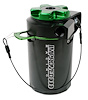
IMPROVED RACING
CCS-GM-C81 CCS Oil Catch Can Kit Fits Select Chevy C8 Corvette Convertible
Part Number: 553-CCS-GM-C81
Ships on 10/14/2026Lowest price guarantee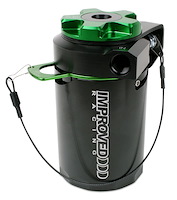
IMPROVED RACING
CCS-GM-C81 CCS Oil Catch Can Kit Fits Select Chevy C8 Corvette Convertible
Part Number: 553-CCS-GM-C81
Ships on 10/14/2026Lowest Price Guarantee
IMPROVED RACING
CCS-GM-C82 CCS Oil Catch Can Kit Fits Select Chevy C8 Corvette Z06 Coupe
Part Number: 553-CCS-GM-C82
Ships on 11/09/2026Lowest price guarantee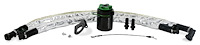
IMPROVED RACING
CCS-GM-C82 CCS Oil Catch Can Kit Fits Select Chevy C8 Corvette Z06 Coupe
Part Number: 553-CCS-GM-C82
Ships on 11/09/2026Lowest Price Guarantee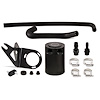
MISHIMOTO
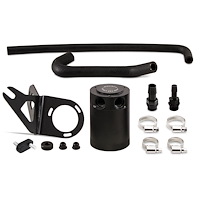
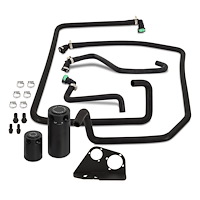
MMBCC-C8-20P Baffled Oil Catch Can PCV Side Chevrolet C8 Corvette Coupe 2020+
Part Number: 690-MMBCC-C8-20P
Ships on Oct 12, 2026Lowest price guarantee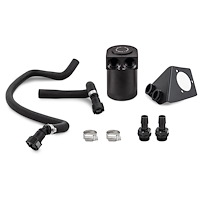
MISHIMOTO
MMBCC-C8-20P Baffled Oil Catch Can PCV Side Chevrolet C8 Corvette Coupe 2020+
Part Number: 690-MMBCC-C8-20P
Ships on Oct 12, 2026Lowest Price Guarantee
MISHIMOTO
MMBCC-CIV-22P Baffled Oil Catch Can PCV Side Honda Civic 1.5L Turbo 2022+
Part Number: 690-MMBCCCIV22P
Ships on Oct 12, 2026Lowest price guarantee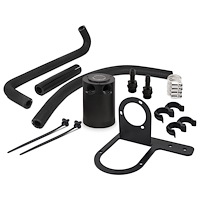
MISHIMOTO
MMBCC-CIV-22P Baffled Oil Catch Can PCV Side Honda Civic 1.5L Turbo 2022+
Part Number: 690-MMBCCCIV22P
Ships on Oct 12, 2026Lowest Price Guarantee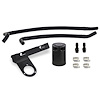
Frequently Asked Questions About Oil Catch Cans
Do oil catch cans really work?
Yes, a quality baffled oil catch can measurably reduces the oil vapor that reaches your intake. How much it collects depends on your engine's blow-by, driving style, and whether the can uses proper baffling or filter media. Direct-injection and boosted engines tend to see the clearest benefit.
How often should you empty an oil catch can?
Empty your oil catch can every oil change as a baseline, then adjust based on how much it collects. High-blow-by, tracked, or boosted engines may fill faster and need draining more often. A can with a sight tube or drain valve makes checking the level quick.
Are oil catch cans street legal and emissions legal?
It depends on your local rules and whether the can keeps the PCV system sealed. A closed air oil separator that recirculates vapor generally keeps you emissions compliant, while a vented breather tank is intended for off-road or race use. Check your state and local regulations before installing a vented setup.
Does an oil catch can void my vehicle warranty?
A properly installed oil catch can shouldn't automatically void your warranty, but it can complicate a claim if it's tied to a related failure. A sealed separator that maintains factory crankcase ventilation is the safest choice for a daily driver. Keep your receipts and installation notes in case a dealer asks.
Where should you mount an oil catch can?
Mount your oil catch can in the engine bay between the crankcase vent and the intake, with the inlet and outlet ports oriented correctly. Choose a cool, accessible spot so heat doesn't reduce separation and so you can drain it easily. Use a sturdy bracket to limit vibration and keep hose runs short.