


 Order Status & Returns
 Gift Cards
 Help Center
 1-800-345-4545
Rear Differential Covers
Differential covers seal the rear axle housing, hold gear oil, and shield the ring and pinion gears from dirt, water, and road debris. JEGS stocks rear differential covers in cast aluminum, steel, and chrome for GM, Ford, Dana, Chrysler, and AMC axles. Shop stock-style replacements, finned cast-aluminum upgrades, and matching gaskets to fit your rear-end type and driving setup.
Show More
What Does a Differential Cover Do?
A differential cover seals the back of your axle housing and keeps gear oil where it belongs. That oil bathes the ring and pinion gears, the differential carrier, and the bearings, so the cover's seal directly affects how long those parts last. When the cover leaks or gets dented, gear oil escapes and contaminants get in, which leads to overheating and premature wear. A solid cover keeps water, dirt, and road debris out while holding a consistent oil level. Some covers add fluid capacity or cooling fins to help the differential run cooler under load, towing, or hard driving. If you're rebuilding the internals behind the cover, browse matching differential carriers to complete the job. Choose a cover that fits your axle and matches how you drive. Whether it's a daily commuter, a tow rig, or a weekend track car, a dependable seal matters.
Differential Covers by Material: Aluminum, Steel and Chrome
The right material depends on your priorities: heat control, strength, budget, or looks. Each option JEGS carries handles those needs differently. Here's how the main differential cover materials compare:
- Cast aluminum: dissipates heat better than steel, which helps keep gear oil temperatures down during towing and spirited driving.
- Steel: delivers strength and value, and works well as an OE-style replacement for stock rear-end setups.
- Chrome: adds a bright show finish for builds where the rear axle is on display.
- Finned cast aluminum: uses cast-in fins to increase surface area for extra cooling under sustained load.
Finishes include black crinkle, natural, and chrome, so you can match the cover to the rest of your undercarriage. A cast-aluminum differential cover suits performance and towing builds, while a steel differential cover keeps a stock truck simple and affordable. If show-car looks matter most, a chrome differential cover finishes the axle cleanly.
Finding the Right Differential Cover for Your Axle
Start by identifying your rear-end type, because differential covers bolt on by axle model, not by vehicle year alone. JEGS stocks covers for GM 10-bolt, GM 12-bolt (8.875 in.), and GM 14-bolt truck (9.5 in.) axles, plus Ford 8.8 in. and Ford 10.25 in./10.5 in. 12-bolt truck rear ends. You'll also find Dana 44, Dana 60, Dana 70, and Dana 80 covers, Chrysler 8.25 in. and 8.75 in. options, and AMC Model 20 covers. Count the ring gear bolts, measure the ring gear diameter, or check the cover's shape to confirm the axle. The right cover protects the ring and pinion gears inside. A GM 12-bolt differential cover won't fit a Dana 60, and a Dana 60 cover won't clear a GM housing. If you run a Ford 9-inch, that axle uses a drop-out design, so shop Ford 9-inch third members instead of a bolt-on cover.
Differential Cover Gaskets, Hardware and Sealing
You can seal a differential cover two ways: with a reusable gasket or with RTV silicone sealant applied directly to the cover. A differential cover gasket gives you a clean, repeatable seal and faster installation, which helps if you service the axle often. RTV forms to the mating surface and works well on covers without a dedicated gasket, but it needs cure time before you refill the oil. JEGS carries gaskets from Fel-Pro, Mr. Gasket, Cometic Gaskets, and Mopar, plus chrome differential cover kits that bundle the cover with matching hardware. Torque the bolts evenly in a crossing pattern so the cover seats flat and doesn't leak. If you're already inside the axle, this is the right time to inspect the differential bearings and seals and set backlash with fresh differential shims. Clean both mating surfaces before assembly so the new seal holds.
Upgrade Covers for Cooling and Added Capacity
Upgrade covers do more than seal: they help your differential run cooler and simplify service. Finned cast-aluminum covers add surface area that sheds heat, which matters when you're towing, hauling, or running larger tires that load the gears. Many aftermarket covers also hold extra gear oil, and more fluid means more thermal mass to absorb heat and steadier lubrication under load. Built-in fill and drain ports let you change oil without pulling the whole cover, so routine service takes less time and makes less mess. A finned Dana 60 differential cover is a common upgrade on heavy-duty trucks and off-road rigs that see sustained strain. Some covers use a girdle-style design with support bolts to reduce housing flex on high-power builds. If your housing is worn or you're swapping to a heavier-duty setup, check rear axle housings too. Match the upgrade to your load, power level, and how hard you push the axle.

ADD A VEHICLE TO GUARANTEE PARTS FIT
See products that fit

ADD A VEHICLE TO GUARANTEE PARTS FIT
See products that fit
![Cast Aluminum Differential Cover, Black [Ford 10.25 in. and 10.5 in. 12-Bolt, Truck]](https://www.jegs.com/images/mini_100/500/555/555-62556.jpg)
JEGS
Cast Aluminum Differential Cover, Black [Ford 10.25 in. and 10.5 in. 12-Bolt, Truck]
Part Number: 555-62556
 Ships Tomorrow
 Lowest price guarantee
![Cast Aluminum Differential Cover, Black [Ford 10.25 in. and 10.5 in. 12-Bolt, Truck]](https://www.jegs.com/images/mini_200/500/555/555-62556.jpg)
JEGS
Cast Aluminum Differential Cover, Black [Ford 10.25 in. and 10.5 in. 12-Bolt, Truck]
Part Number: 555-62556
Ships TomorrowLowest Price Guarantee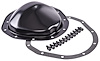
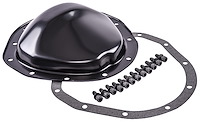
![Cast Aluminum Differential Cover for Dana 44 10-Bolt [Black]](https://www.jegs.com/images/mini_100/500/555/555-62509.jpg)
![Cast Aluminum Differential Cover for Dana 44 10-Bolt [Black]](https://www.jegs.com/images/mini_200/500/555/555-62509.jpg)
![Chrome Differential Cover Kit GM 8.875 in. 12-Bolt [1965-1972 Car]](https://www.jegs.com/images/mini_100/500/555/555-62512k.jpg)
![Chrome Differential Cover Kit GM 8.875 in. 12-Bolt [1965-1972 Car]](https://www.jegs.com/images/mini_200/500/555/555-62512k.jpg)
![Black EDP-Coated Steel Differential Cover & Gear Oil Kit [GM 8.2 in. 10-Bolt]](https://www.jegs.com/images/mini_100/500/555/555-62561k.jpg)
![Black EDP-Coated Steel Differential Cover & Gear Oil Kit [GM 8.2 in. 10-Bolt]](https://www.jegs.com/images/mini_200/500/555/555-62561k.jpg)
![Chrome Differential Cover Ford 8.8 in. 10-Bolt [1981-2013 Except IRS]](https://www.jegs.com/images/mini_100/500/555/555-62500.jpg)
JEGS
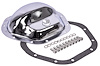
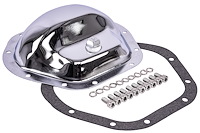
Chrome Differential Cover Ford 8.8 in. 10-Bolt [1981-2013 Except IRS]
Part Number: 555-62500
Ships TomorrowLowest price guarantee![Chrome Differential Cover Ford 8.8 in. 10-Bolt [1981-2013 Except IRS]](https://www.jegs.com/images/mini_200/500/555/555-62500.jpg)
JEGS
Chrome Differential Cover Ford 8.8 in. 10-Bolt [1981-2013 Except IRS]
Part Number: 555-62500
Ships TomorrowLowest Price Guarantee![Chrome Differential Cover GM 7.5 in. 10-Bolt [1977-1986]](https://www.jegs.com/images/mini_100/500/555/555-62511.jpg)
![Chrome Differential Cover GM 7.5 in. 10-Bolt [1977-1986]](https://www.jegs.com/images/mini_200/500/555/555-62511.jpg)
![Cast Aluminum Differential Cover, Black [GM 8.5 in. 10-Bolt]](https://www.jegs.com/images/mini_100/500/555/555-62553.jpg)
JEGS
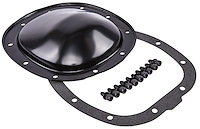
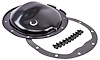
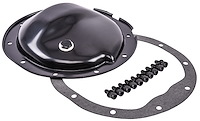
Cast Aluminum Differential Cover, Black [GM 8.5 in. 10-Bolt]
Part Number: 555-62553
Ships TomorrowLowest price guarantee![Cast Aluminum Differential Cover, Black [GM 8.5 in. 10-Bolt]](https://www.jegs.com/images/mini_200/500/555/555-62553.jpg)
JEGS
Cast Aluminum Differential Cover, Black [GM 8.5 in. 10-Bolt]
Part Number: 555-62553
Ships TomorrowLowest Price Guarantee
![Cast Aluminum Differential Cover for Dana 35 10-Bolt [Natural]](https://www.jegs.com/images/mini_100/500/555/555-62506.jpg)
JEGS
Cast Aluminum Differential Cover for Dana 35 10-Bolt [Natural]
Part Number: 555-62506
Ships TomorrowLowest price guarantee![Cast Aluminum Differential Cover for Dana 35 10-Bolt [Natural]](https://www.jegs.com/images/mini_200/500/555/555-62506.jpg)
JEGS
Cast Aluminum Differential Cover for Dana 35 10-Bolt [Natural]
Part Number: 555-62506
Ships TomorrowLowest Price Guarantee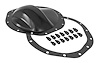
JEGS
Steel Differential Cover for Select 1985-2009 GM Trucks w/9.5 in. Dia. Ring Gear & 14-Bolt Cover
Part Number: 555-62503
Ships TomorrowLowest price guarantee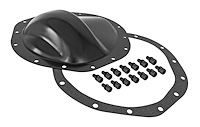
JEGS
Steel Differential Cover for Select 1985-2009 GM Trucks w/9.5 in. Dia. Ring Gear & 14-Bolt Cover
Part Number: 555-62503
Ships TomorrowLowest Price Guarantee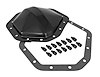
JEGS
Steel Differential Cover Fits Select 1967-2015 GM Trucks w/10.5 in. Dia. Ring Gear & 14-Bolt Cover
Part Number: 555-62504
Ships TomorrowLowest price guarantee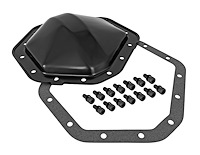
JEGS
Steel Differential Cover Fits Select 1967-2015 GM Trucks w/10.5 in. Dia. Ring Gear & 14-Bolt Cover
Part Number: 555-62504
Ships TomorrowLowest Price Guarantee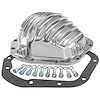
JEGS
Cast Aluminum Differential Cover Dana 60 10-Bolt (Standard Capacity)
Part Number: 555-62571
Ships TomorrowLowest price guarantee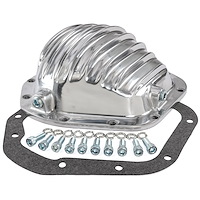
JEGS
Cast Aluminum Differential Cover Dana 60 10-Bolt (Standard Capacity)
Part Number: 555-62571
Ships TomorrowLowest Price Guarantee
![Chrome-Plated Differential Cover & Gear Oil Kit [GM 8.5 in. 10-Bolt]](https://www.jegs.com/images/mini_100/500/555/555-62566k.jpg)
![Chrome-Plated Differential Cover & Gear Oil Kit [GM 8.5 in. 10-Bolt]](https://www.jegs.com/images/mini_200/500/555/555-62566k.jpg)
![Cast Aluminum Differential Cover Kit, Polished [GM 8.5 in. 10-Bolt]](https://www.jegs.com/images/mini_100/500/555/555-62550k.jpg)
![Cast Aluminum Differential Cover Kit, Polished [GM 8.5 in. 10-Bolt]](https://www.jegs.com/images/mini_200/500/555/555-62550k.jpg)
Frequently Asked Questions About Differential Covers
Are aftermarket differential covers worth it?
It depends on how you use the vehicle. If you tow, haul, run larger tires, or drive hard, a finned cast-aluminum cover helps. Added capacity lets it run cooler and hold more oil. For a stock daily driver, a steel OE-style cover and a good seal are often all you need.
Do differential covers come with a gasket or do I need sealant?
It varies by cover. Some include a reusable gasket, some are designed for RTV silicone sealant, and chrome cover kits often bundle matching hardware. Check the product listing for what's included, and add a gasket or RTV separately if the cover doesn't ship with one.
How often should I change gear oil and reseal the differential cover?
It depends on how you drive. Towing, hauling, and hard use put more heat and load on the gear oil, so those setups need more frequent changes than a stock daily driver. Check your service manual for the interval that fits your axle and use. Reseal the cover with a fresh gasket or RTV every time you pull it, so you don't reuse a compressed seal.
Can I install a differential cover myself?
Yes, most bolt-on covers are a straightforward driveway job. You'll need basic hand tools, a drain pan, a gasket scraper, a torque wrench, and the correct gear oil to refill. Drain the old oil, clean both mating surfaces, set the gasket or RTV, then torque the bolts evenly in a crossing pattern so the cover seats flat.
Does JEGS carry OEM-style replacement covers, and which brands?
Yes. You'll find steel OE-style covers for stock rear ends alongside cast-aluminum and chrome upgrades. JEGS stocks covers and gaskets from JEGS, Proform, Mr. Gasket, Trans-Dapt, Fel-Pro, Ford Performance, Mopar, and Cometic Gaskets to fit GM, Ford, Dana, Chrysler, and AMC axles.