

 Order Status & Returns
 Gift Cards
 Help Center
 1-800-345-4545
Wheel Seals
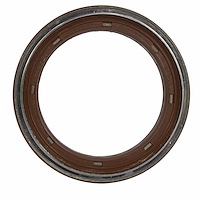
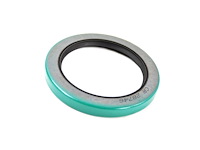
Wheel seals keep gear oil and grease where they belong while blocking dirt, water, and road grit from reaching your axle and wheel bearings. This category pulls together oil seals, grease retainers, hub bearing seals, axle seals, and complete wheel seal repair kits for street, strip, and off-road builds. Shop here to match the right seal to your axle size, position, and material, then get back on the road with confidence.
Show More
What Is A Wheel Seal And What Does It Do?
A wheel seal is a ring-shaped part that rides between rotating and stationary components at the wheel end, holding lubricant in and keeping contaminants out. On a driven axle it stops gear oil or grease from escaping past the bearing, and at the hub it shields the wheel bearing from water, grit, and brake dust. When the seal does its job, your bearings stay lubricated and last longer; when it fails, lube leaks out and abrasive dirt works its way in.
Most wheel seals use a metal case with a spring-loaded rubber lip that presses against the axle shaft or spindle. That lip holds the barrier, so its condition matters as much as a correct fit.
Because a worn seal can quietly ruin a bearing, inspect yours during routine service. If you're repacking bearings, read our guide on how to pack wheel bearings with grease before you reassemble.
What Types Of Wheel Seals Can You Shop?
You can shop several wheel seal styles here, each matched to a different job on your axle or hub. Pick the type that fits your setup and application:
- Oil seals — hold gear oil inside the housing on semi-float and independent setups, keeping lube off your brakes.
- Grease seals, also called grease retainers — trap packed grease around bearings on trailers, front hubs, and light-duty axles.
- Hub bearing seals — ride at the hub to shield the wheel bearing from water and road grime.
- Axle seals — seal the shaft where it exits the housing, so browse dedicated axle seals when that's your leak point.
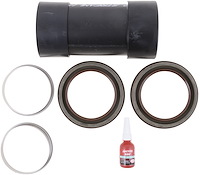
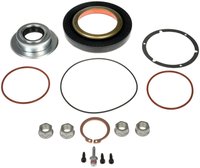
- Wheel seal repair kits — bundle the seal with related bearings or hardware for a cleaner job.
If you're replacing bearings at the same time, check the matching wheel bearings and hub assemblies so everything goes back together fresh. Buying the seal and bearing as a set saves a second teardown later.
What Are The Signs Of A Worn Or Leaking Wheel Seal?
The clearest sign of a worn or leaking wheel seal is lubricant showing up where it shouldn't. Look for gear oil or grease on the inside of a wheel, running down the backing plate, or pooling near the axle end after the vehicle sits. A greasy film on your brake rotor or drum is another red flag, and it can cut braking power fast.
You might also hear a humming or growling noise that changes with speed, which points to a bearing losing lubricant. In worse cases you'll feel play in the wheel or notice uneven tire wear.
Low fluid in the differential or axle housing often traces back to a failing seal, so don't just top it off and move on. Catching these symptoms early keeps a low-cost seal from turning into a costly bearing or axle repair. If any of these show up, plan a wheel seal replacement before your next long drive.
How Do You Choose The Right Wheel Seal?
Start by matching the seal's dimensions: outside diameter, inside diameter, and width all have to fit your housing bore and shaft. A seal that's even slightly off won't seat correctly and will leak from the first mile.
Next, confirm the position — inner axle seal, outer hub seal, or pinion seal — since each location uses a different design. Axle style matters too, so review our full-floating axle guide if you're unsure whether you have a full-floating or semi-float setup.
Then choose the lip material. Nitrile handles typical gear oil and grease, while Viton-style compounds stand up to higher heat in performance and towing use, and double-lip seals add protection where dirt and water are a concern. Finally, verify fitment against your year, make, model, and axle before you buy. Browse the full wheel and axle bearings and seals category to compare options side by side.
Which Brands Make Wheel Seals At JEGS?
JEGS carries wheel seals and related sealing parts from names builders already trust. Dana Spicer supplies seals engineered for its own axle assemblies, so fitment is straightforward on Dana-equipped rigs. Motorcraft and Mopar Accessories offer OE-style seals for Ford and Chrysler applications when you want a factory match.
Dorman Products rounds out coverage with replacement seals for a wide range of years and models, often paired with the hardware you need. Yukon Gear focuses on axle and differential parts, including seals sized for common swap and upgrade housings.
Wilwood adds sealing and hub hardware aimed at brake and performance setups. Between these brands you'll find options for daily drivers, trailers, trucks, and race builds. Compare specs across each brand, confirm the size and position you need, then add the right seal to your cart.

ADD A VEHICLE TO GUARANTEE PARTS FIT
See products that fit

ADD A VEHICLE TO GUARANTEE PARTS FIT
See products that fit
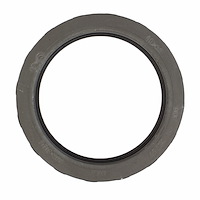
MOTORCRAFT
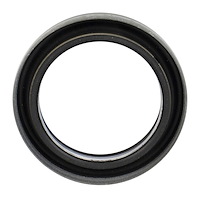
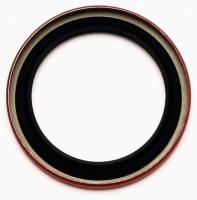
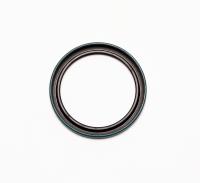
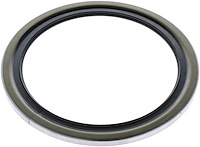
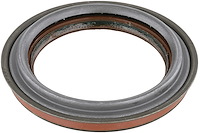
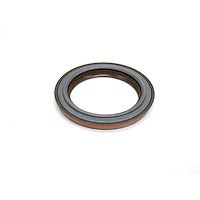
Rear Inner Wheel Seal for 2015-2025 Ford E-350 Super Duty Stripped Chassis, E-450, F-450, and F-550 Super Duty
Part Number: 037-BRS190
 Ships on 10/16/2026
 Lowest price guarantee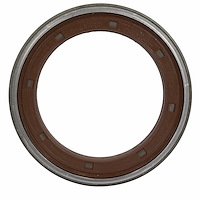
MOTORCRAFT
Rear Inner Wheel Seal for 2015-2025 Ford E-350 Super Duty Stripped Chassis, E-450, F-450, and F-550 Super Duty
Part Number: 037-BRS190
Ships on 10/16/2026Lowest Price Guarantee
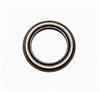
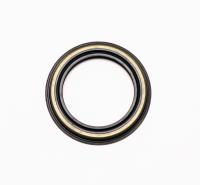
![Wheel Hub Seal Kit [Steel / Rubber, Paint]](https://www.jegs.com/images/mini_100/900/950/950-380-10792.jpg)
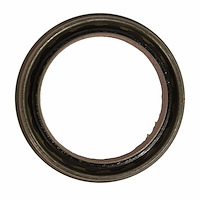
![Wheel Hub Seal Kit [Steel / Rubber, Paint]](https://www.jegs.com/images/mini_200/900/950/950-380-10792.jpg)
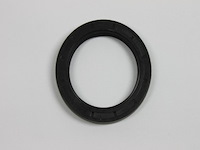
![Wheel Hub Seal Kit [Steel / Rubber, Paint]](https://www.jegs.com/images/mini_100/900/950/950-380-3446.jpg)
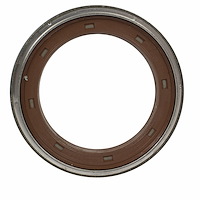
![Wheel Hub Seal Kit [Steel / Rubber, Paint]](https://www.jegs.com/images/mini_200/900/950/950-380-3446.jpg)




Frequently Asked Questions About Wheel Seals
Can You Drive With A Leaking Wheel Seal?
You can drive short distances, but you shouldn't keep going for long. A leaking seal lets lubricant escape and dirt get in, which shortens bearing life and can contaminate your brakes. Get it fixed before the leak drains enough fluid to damage the bearing or axle.
What's The Difference Between A Wheel Seal And An Axle Seal?
Wheel seal is a broad term for any seal at the wheel end, including hub and grease seals. An axle seal is the specific seal where the axle shaft exits the housing. Every axle seal is a type of wheel seal, but not every wheel seal is an axle seal.
How Much Does Wheel Seal Replacement Cost?
The seal itself is one of the more affordable driveline parts, and repair kits keep the part cost low. Total cost depends on your vehicle, the seal location, and whether you do the work yourself or pay for labor. Replacing the seal early is far cheaper than replacing a ruined bearing or axle later.
How Long Do Wheel Seals Last?
A quality wheel seal can last for many years or tens of thousands of miles under normal use. Heat, heavy towing, water crossings, and worn bearings all shorten that life. Inspect the seal during brake and bearing service, and replace it any time you have the hub apart.