


 Order Status & Returns
 Gift Cards
 Help Center
 1-800-345-4545
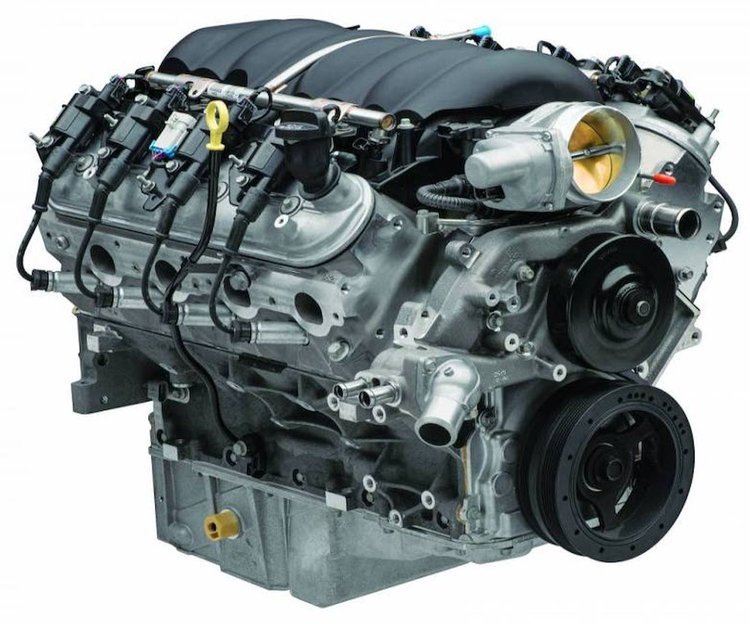
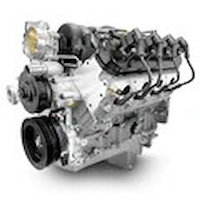
19435104 LS376/525 GM Gen IV LS3 6.2L Crate Engine 525 HP @ 6200 RPM
This product is no longer available. Please call customer service for assistance at 1-800-345-4545.
This Chevrolet Performance 19435104 LS376/525 Crate Engine includes the aggressive ASA performance cam. The camshaft has a tight lobe separation of 110 degrees and .525 inches of lift on both the intake and exhaust, 226 degrees duration on the intake, and 236 degrees duration on the exhaust measured at 0.050 inch, which produces superior throttle response, great top-end power, and a lumpy idle.
Chevrolet Performance 19435104 LS376/525 Crate Engine Specs:
- Engine Type: LS-Series Gen IV Small-Block V-8
- Displacement: 376 ci (6.2L)
- Bore x Stroke: 4.065 in. x 3.622 in. (103.25 x 92 mm)
- Block: Cast aluminum with six-bolt, cross-bolted main caps
- Crankshaft: Nodular iron
- Connecting Rods: Powdered metal
- Pistons: Hypereutectic aluminum
- Camshaft Type: Hydraulic roller
- Valve Lift: .525 in. intake/.525 in. exhaust
- Camshaft Duration @.050 in: 226° intake36° exhaust
- Cylinder Heads: Aluminum L92-style port; "as cast" with 68cc chambers
- Valve Size: 2.165 in. intake/1.590 in. exhaust
- Compression Ratio: 10.7:1
- Rocker Arms: Investment-cast, roller trunnion
- Rocker Arm Ratio: 1.7:1
- Recommended Fuel: Premium pump (92-octane)
- Maximum Recommended rpm: 6600
- Reluctor Wheel: 58X
- Balance: Internal
Chevrolet Performance 19435104 LS376/525 Crate Engine Notes:
- Does NOT include the ECM controller kit
- Requires Chevrolet Performance 19354332 Engine Controller Kit or equivalent (sold separately)
- Does NOT include exhaust manifolds or flexplate/flywheel
- Requires Premium 93-Octane Fuel
- Uses the Chevrolet SS Oil Pan Assembly
- Will require Muscle Car Oil Pan Kit 19212593 or equivalent (sold separately) for installation in older vehicles
- Not Intended for Marine Usage
- Developed by GM for Pre-1976 Street Vehicle Engine Swaps
Use only engine oil that meets dexos1 specifications. For track events or competitive driving, use Mobil 1 15W-50 engine oil. Fill the engine with oil and follow the proper engine priming procedure. Also check and fill as required any other necessary fluids such as coolant, power steering fluid, etc.
Start the engine and listen for any unusual noises. If no unusual noises are noted, run the engine at approximately 1000 RPM until normal operating temperature is reached. The engine should be driven at varying loads and conditions for the first 30 miles or one hour without wide open throttle (WOT) or sustained high RPM accelerations. Run five or six medium throttle (50%) accelerations to about 4000 RPM and back to idle (0% throttle) in gear. Run two or three hard throttle (WOT 100%) accelerations to about 4000 RPM and back to idle (0% throttle) in gear.
Change the engine oil and filter. Inspect the oil and the oil filter for any foreign particles to ensure that the engine is functioning properly. Drive the next 500 miles (12 to 15 engine hours) under normal conditions. Do not run the engine at its maximum rated engine speed. Also, do not expose the engine to extended periods of high load. Change the oil and filter again, inspect the oil and oil filter for any foreign particles to ensure that the engine is functioning properly.
19435104 supersedes 19434642, 19432418, 19419866, 19370413
Emissions Note:
This part is only legal for sale and use on Uncontrolled (Non-Emissions Controlled) Vehicles or on vehicles used solely for the purposes of closed competition racing.
CLICK THIS LINK FOR IMPORTANT CARB & EPA EMISSIONS INFORMATION ABOUT THIS PART
Fuel-Injected Ferocity for Performance Cars of All Ages
The Chevrolet Performance LS376/525 6.2L LS3 Engine is what do you get when you take Chevrolet's aggressive ASA camshaft, developed for the high-RPM world of circle track, and slip it into an LS3 crate engine. This 525 horsepower monster is one of their most powerful production-based crate engines, the new LS376/525! The ASA cam is a hydraulic roller that helps the engine deliver excellent throttle response and breathe exceptionally well at high RPM. For durability, they complement the cam with higher-rate valve springs to add stability to the valvetrain. This simple yet effective combination has an edge to it.
Show More
You'll notice it in the idle quality and you'll feel it when the revs quickly climb. With 20 more horsepower than the larger-displacement LS7, it's definitely not for the timid!Connect and Cruise Kits
Chevrolet Performance continues to lead the industry with its unprecedented Connect & Cruise crate powertrain systems - factory-engineered engine and transmission combinations. Chevy Performance engineers matched the engines and transmissions for optimal performance and durability, so you can wring out every horsepower from them with total confidence. The specially calibrated controllers are designed for retrofit installations in older vehicles, for easier and quicker installation and operation without the need for third-party tuning. Each kit delivers a brand-new, fully assembled crate engine, an electronically controlled overdrive transmission, electronic control modules for both, and the engine control hardware to get it all running in your project vehicle. The convenience of a crate engine, the assurance of factory validated performance, and the value of an inclusive package - that's what you get with Chevrolet Performance's Connect & Cruise crate powertrain systems. Detailed instructions outline all the necessary steps. The engineers did all the hard work of designing and calibrating perfectly matched powertrain systems - and they covered them with a 24-month/50,000-mile limited warranty.
Unleash serious street and track power with the Chevrolet Performance LS3 LS376/525 6.2L 525HP Crate Engine—a bold upgrade for any high-performance build. Based on the proven LS3 platform, this crate engine ups the ante with a more aggressive camshaft and enhanced airflow, delivering an impressive 525 horsepower and 486 lb-ft of torque.
The LS3 motor is known for its balance of reliability, modern technology, and performance, and this LS376/525 variant takes it a step further. It's engineered for enthusiasts who want more than stock but still value GM-level durability and ease of integration. Featuring high-flow rectangular port aluminum cylinder heads and a high-lift hydraulic roller camshaft, this engine offers thrilling top-end power without sacrificing street manners.
Perfect for Pro-Touring builds, hot rods, or late-model swaps, the LS376/525 delivers plug-and-play performance when paired with GM's Connect & Cruise system. Whether you're building a track weapon or weekend cruiser, this engine gives you the punch you're looking for with minimal guesswork.
Considering the LS376/525 price compared to custom-built alternatives, this engine offers outstanding value with factory-tested performance and peace of mind. If you're searching for a factory-backed crate engine that combines raw power with modern efficiency, the LS3 525 is your solution.
Upgrade your project with one of Chevrolet Performance's most exciting crate options—engineered to deliver uncompromising horsepower and rock-solid reliability right out of the box.
Items You Need
![Retrofit Oil Pan for GM LS Series [Cast Aluminum]](https://www.jegs.com/images/mini_200/500/555/555-50239.jpg)
JEGS
Retrofit Oil Pan for GM LS Series [Cast Aluminum]
Part Number : 555-50239
CHEVROLET PERFORMANCE
SuperMatic Transmission Controller Systems for 4L60-E with LS Engines
Part Number : 809-19302405
![Break-In Oil, 10W30 [1 Quart, 32 oz.]](https://www.jegs.com/images/mini_200/500/555/555-28067.jpg)
JEGS
Performance GM, Dodge Oil Filter, 3.35 in. High, 22mm x 1.5 Thread
Part Number : 555-JG113
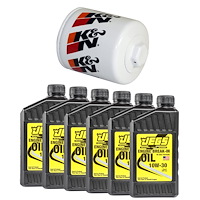
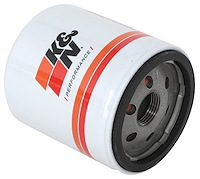
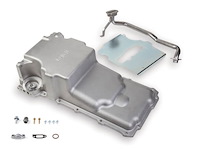
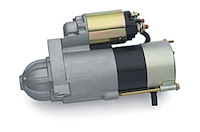
CHEVROLET PERFORMANCE
Remanufactured OE Replacement Starter Works with all LS Gen III and IV Engines
Part Number : 809-10465385
JEGS
Part Number : 555-50239
CHEVROLET PERFORMANCE
Part Number : 809-19302405
ITEM YOU MAY ALSO CONSIDER
BLUEPRINT ENGINES
PSLS3760CTF GM LS3 EFI Retrofit Dress Engine w/Cast Iron Block 530 HP, 495 FT.-LBS
Part Number : 138-PSLS3760CTF
BLUEPRINT ENGINES
Part Number : 138-PSLS3760CTF