


 Order Status & Returns
 Gift Cards
 Help Center
 1-800-345-4545

Aftermarket Automotive Wiring Accessories
Automotive wiring accessories at JEGS include harnesses, relays, switches, fuse panels, connectors, terminals and wire covering for street, strip and restoration projects. Whether you're rewiring a classic, building a hot rod or adding circuits to a race car, you'll find parts to route power cleanly and safely. Our tech specialists know wiring builds, so you can get fitment and installation help when you need it.
Show More
What Is an Automotive Wiring Harness?
An automotive wiring harness is a bundle of wires, connectors and terminals that routes power and signals to the electrical components in your vehicle. It replaces a tangle of loose wires with an organized, labeled system that's easier to install and troubleshoot.
You'll find two main styles of automotive wiring harnesses. A vehicle-specific harness matches your car's factory layout, so connectors plug in where the originals did. A universal harness comes in circuit counts such as 12, 18 or 21 and suits custom builds, engine swaps and street rods with nonstock layouts.
American Autowire offers restoration harnesses through its Factory Fit line, plus Classic Update Series kits and Power Plus, Builder and Highway street rod wiring. Painless Performance Products specializes in custom and universal wiring harnesses. Before you start, review our wiring harness installation guide to plan routing and connections.
Types of Automotive Wiring Accessories
Beyond the harness, you'll need supporting parts that connect, protect and organize each circuit. Most builds use a mix of these accessories:
- Automotive electrical connectors join wires and components so you can unplug them for service.
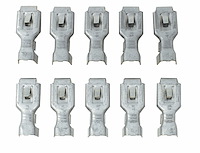
- Wiring terminals and components, such as ring, spade and butt terminals, finish wire ends for secure connections.
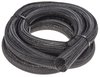
- Wire covering and protection, including wire loom, braided sleeving and heat shrink, shields wire from heat, abrasion and moisture.
- Electrical junction blocks distribute power or ground from one source to several circuits.
Match terminals and connectors to your wire gauge, and use a quality crimper for consistent results. Wire loom and braided sleeving also give your engine bay a clean, finished look while keeping wires away from headers and moving parts. Size heat shrink to fit snugly over each splice after you crimp it.
How Do Automotive Relays and Switches Work?
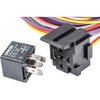
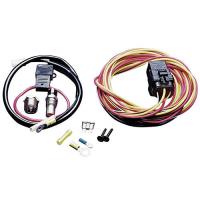
A relay lets a low-current switch control a high-current device, such as an electric fan or fuel pump. The switch sends a small signal to the relay, which closes a heavy-duty circuit fed from the battery.
This setup keeps heavy loads off your dash switches and factory wiring, which reduces heat and voltage drop. It also lets you run heavier wire on a shorter path to the device. Shop automotive relays for fans, lights, horns and fuel pumps.
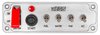
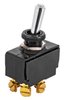
Automotive switches give you manual control over each circuit. Toggle switches suit race cars and vintage dashes, push-button switches work well for starters and rocker switches offer a modern look. For race cars and street rods, switch panels group several switches on one mounting plate, often with labels, to keep controls organized and within reach.
Choosing an Automotive Fuse Panel and Circuit Protection
An automotive fuse panel is the hub of your harness, sending power to each circuit through its own fuse. If a circuit shorts or overloads, the fuse blows before the wire can overheat.
You can buy automotive fuse panels as standalone upgrades or as part of a complete harness kit. Most use blade fuses for accessory circuits. For larger loads like electric fans, high-output alternators and amplifiers, MIDI or Maxi fuses and circuit breakers protect the main feeds. Keep spare fuses and circuit breakers in the ratings your build uses.
Mount your panel in a dry, accessible location, such as under the dash or behind a kick panel. That way you can check and replace fuses without pulling trim. Keep it away from exhaust heat and water spray. If you're building a system piece by piece, Ron Francis Wiring offers complete wiring kits, modular harnesses and individual components.
How to Choose the Right Automotive Wiring Kit for Your Build
Start by counting the circuits you need now and the ones you plan to add later. Then pick a wiring kit with enough capacity and wire sized for each load.
A 12-circuit kit can cover a basic street rod. A build with power windows, air conditioning and electric fans may need 18 or 21 circuits. Match wire gauge to the current draw and length of each run. Choose a vehicle-specific kit for a stock-style restoration or a universal kit for a custom layout. For add-ons, Caspers Electronics makes direct-install add-on harnesses, adapters and pigtails, including ones for in-line fuel pumps.
Read the diagram before you cut a wire. Our 21-circuit wiring harness diagram guide and our article on how to read automotive wiring diagrams walk you through it. Ground major components to clean, bare metal, then shop all ignition, electrical and tuning parts to finish your build.


ADD A VEHICLE TO GUARANTEE PARTS FIT
See products that fit





AMERICAN AUTOWIRE
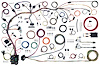
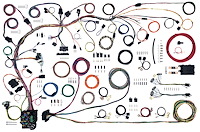
510838 Classic Update Wiring Kit 1971-1980 International Scout II, Scout Traveler
Part Number: 073-510838
 Ships on Oct 26, 2026
 Lowest price guarantee
AMERICAN AUTOWIRE
510838 Classic Update Wiring Kit 1971-1980 International Scout II, Scout Traveler
Part Number: 073-510838
Ships on Oct 26, 2026Lowest Price Guarantee

PAINLESS PERFORMANCE PRODUCTS
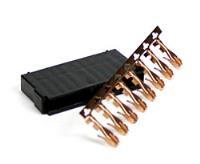
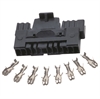
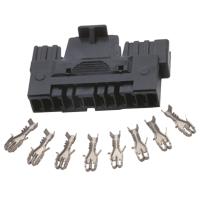
Weatherpack Connector Kit (1) Male, (1) Female, Terminals
Part Number: 764-70402
Ships on Oct 26, 2026Lowest price guarantee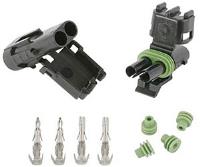
PAINLESS PERFORMANCE PRODUCTS
Weatherpack Connector Kit (1) Male, (1) Female, Terminals
Part Number: 764-70402
Ships on Oct 26, 2026Lowest Price Guarantee
MALLORY
3-Wire Harness For Distributor Series 34, 37, 38, 45, 46, 47, 48, 50, 54, 57, 60, 82, 83, 86, 87, 89, 91, 93, and 94
Part Number: 650-29349
Ships on Oct 26, 2026Lowest price guarantee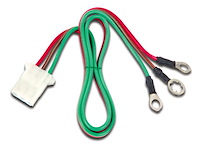
MALLORY
3-Wire Harness For Distributor Series 34, 37, 38, 45, 46, 47, 48, 50, 54, 57, 60, 82, 83, 86, 87, 89, 91, 93, and 94
Part Number: 650-29349
Ships on Oct 26, 2026Lowest Price Guarantee


PAINLESS PERFORMANCE PRODUCTS
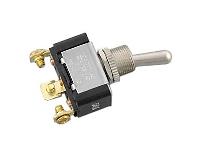
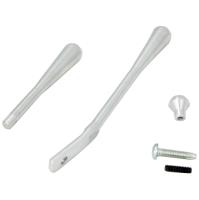
Aircraft Switch Cover For use on all toggle switches
Part Number: 764-80521
Ships on Oct 26, 2026Lowest price guarantee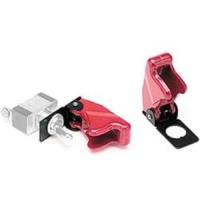
PAINLESS PERFORMANCE PRODUCTS
Aircraft Switch Cover For use on all toggle switches
Part Number: 764-80521
Ships on Oct 26, 2026Lowest Price Guarantee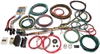
PAINLESS PERFORMANCE PRODUCTS
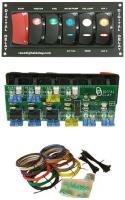
21-Circuit Color-Coded Wire Harness 1966-1976 Ford Galaxie, LTD, Falcon, Fairlane, Maverick, Torino, Ranchero
Part Number: 764-10123
Ships on Oct 26, 2026Lowest price guarantee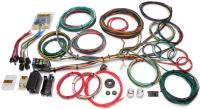
PAINLESS PERFORMANCE PRODUCTS
21-Circuit Color-Coded Wire Harness 1966-1976 Ford Galaxie, LTD, Falcon, Fairlane, Maverick, Torino, Ranchero
Part Number: 764-10123
Ships on Oct 26, 2026Lowest Price Guarantee
LOWDOLLER MOTORSPORTS
50005 Lightweight 3-Port Remote Sensor Mount, 1/8 in. NPT Ports
Part Number: 457-50005
Ships on Oct 26, 2026Lowest price guarantee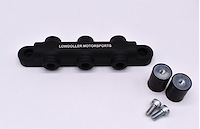
LOWDOLLER MOTORSPORTS
50005 Lightweight 3-Port Remote Sensor Mount, 1/8 in. NPT Ports
Part Number: 457-50005
Ships on Oct 26, 2026Lowest Price Guarantee
Frequently Asked Questions About Automotive Wiring
What wire gauge is used in automotive wiring?
Use 18 gauge for low-power circuits like interior lighting, sensors and small switches, and 16 gauge for radios, speakers and small motors. Step up to 14 gauge for headlights, taillights and power windows, and 12 gauge for electric fans, power seats and amplifiers. Always size wire by the circuit's load and the length of the run, since longer runs need heavier wire.
What type of wire is used in automotive applications?
Automotive applications use stranded copper primary wire, which flexes and handles vibration better than solid wire. Look for cross-linked insulation types such as TXL, GXL and SXL. TXL has the thinnest wall and SXL has the thickest. Avoid solid-core household wire, which can crack and fail under vibration.
How do you tell if car wiring is bad?
Common signs include flickering or dim lights, fuses that blow repeatedly, a burning smell and accessories that work intermittently. Inspect the harness for melted or cracked insulation and corroded terminals. Use a multimeter or test light to check voltage and continuity on any suspect circuit.
Can I install an automotive wiring harness myself?
Yes, you can install a harness yourself with careful planning and the right tools. Study the wiring diagram, gather crimpers, wire strippers and a multimeter, and disconnect the battery before you start. If you get stuck, call a JEGS tech specialist at 1-800-345-4545.
How much does it cost to rewire a car?
The cost depends on whether you choose a vehicle-specific or universal kit, how many circuits your build needs and whether you pay for labor. A basic universal kit you install yourself usually costs less than a complete vehicle-specific harness installed by a shop. Compare kits by circuit count and included components to find the right fit for your budget.