Sign up now to join the JEGS email newsletter and be the first to learn about new products, special deals and e-mail only offers!

 2 People Found This Article Helpful


A 21-circuit wiring harness is one of the most popular choices for classic car restorations, street rods, muscle cars, and custom builds. It offers enough circuits to support modern accessories while still being manageable for enthusiasts and builders who want a clean, organized electrical system.
Understanding how a 21-circuit wiring harness diagram works makes installation easier, helps prevent electrical issues, and ensures every component receives proper power and protection. This guide explains what a 21-circuit harness includes, how the circuits are typically organized, and how to use a wiring diagram effectively during installation.
A 21-circuit wiring harness is a universal or vehicle specific electrical system designed to distribute power throughout the vehicle. Each circuit is protected by a fuse and labeled for a specific function.
These harnesses are commonly used when replacing aging factory wiring, building a custom vehicle, or adding modern electrical components that older wiring systems were never designed to handle.
A 21-circuit harness offers a good balance between capability and simplicity, making it suitable for most street driven performance vehicles.

While exact layouts vary by manufacturer, most 21-circuit wiring harnesses include circuits for the following systems:
The extra circuits allow for future upgrades without needing to rewire the entire vehicle.
A wiring harness diagram is a map of how electricity flows through the vehicle. It shows each circuit, where it originates, where it terminates, and how it is protected.
A typical diagram includes:
Learning how to read the diagram before starting installation can save hours of troubleshooting later.

In a 21-circuit harness, the fuse block is the central hub. Each circuit is routed from the fuse block to its destination.
Circuits are often grouped by function, such as lighting, engine related systems, and accessories. This organization makes it easier to trace wires and diagnose issues.
Most modern harnesses use blade style fuses and include spare fuse locations for future use.
While color codes vary by manufacturer, many wiring harnesses follow similar conventions.
Examples include:
Always refer to the specific diagram included with your harness, as assumptions can lead to wiring errors.
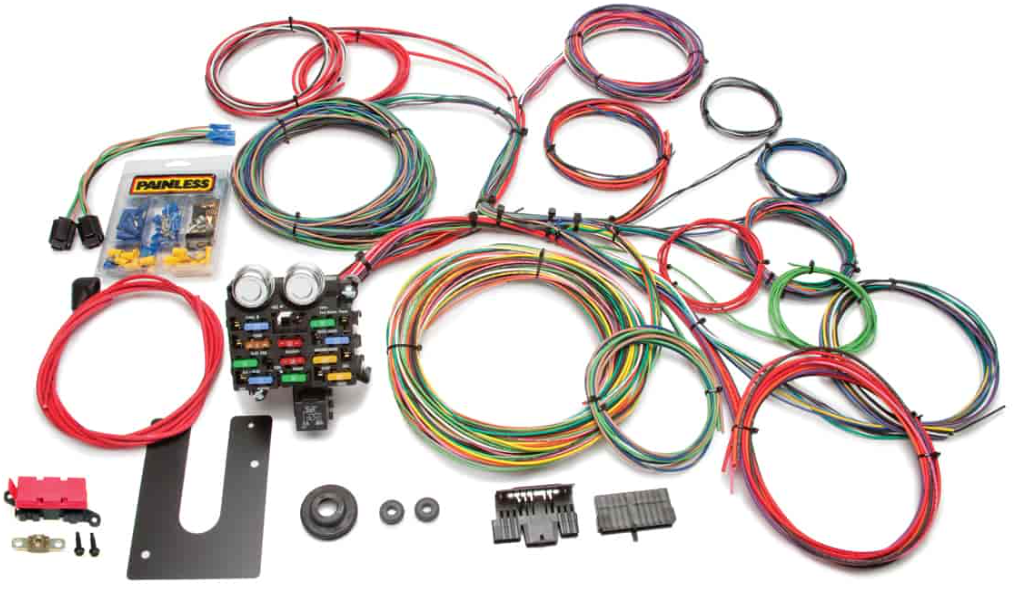
Using the wiring diagram correctly is critical for a clean install.
Before routing wires, study the diagram and plan where the fuse block, relays, and major components will be mounted. This helps avoid unnecessary wire extensions or rerouting.
Begin by establishing solid power and ground connections. Poor grounds are one of the most common causes of electrical problems.
Follow the diagram closely to ensure correct wire gauge and grounding points.

Sign up now to join the JEGS email newsletter and be the first to learn about new products, special deals and e-mail only offers!
Install circuits for ignition, charging, and lighting before moving on to accessories. These systems are essential and often interrelated.
Testing these systems early helps catch issues before the interior is fully assembled.
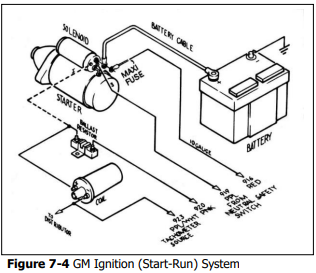
Once core systems are functioning, connect optional circuits such as electric fans, fuel pumps, or audio systems.
A 21-circuit harness usually includes labeled wires for these accessories, simplifying installation.
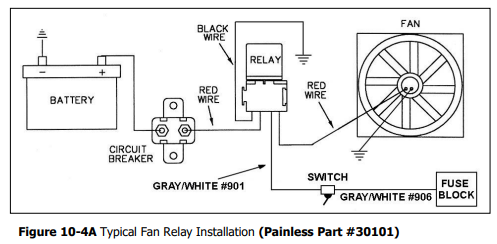
Many wiring diagrams include relays for high current devices like electric fans and fuel pumps.
Relays allow a low current switch to control a high current device safely. This reduces load on switches and improves reliability.
Always wire relays exactly as shown in the diagram to avoid damage or failure.

A wiring harness diagram will show recommended ground locations, but real world installation often requires flexibility.
Best practices include:
Good grounding is just as important as proper power distribution.

Even with a good wiring diagram, mistakes can happen.
Common issues include:
Taking your time and double checking the diagram prevents most problems.
A 21-circuit wiring harness is ideal for:
If your build includes extensive electronics or advanced features, a higher circuit count harness may be required.
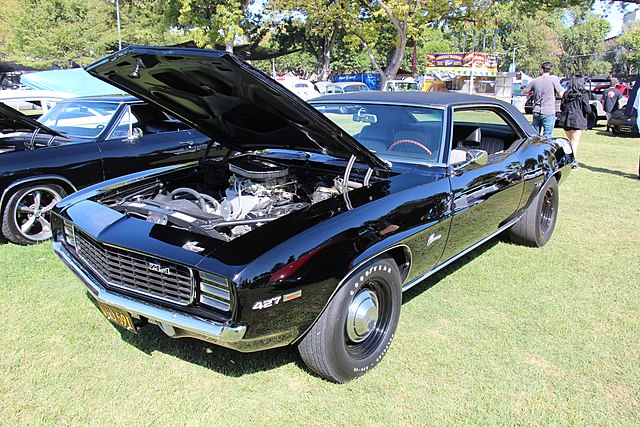
JEGS carries a wide selection of 21-circuit wiring harnesses, fuse blocks, relays, connectors, and electrical accessories.
Whether you are rewiring a classic car or building a custom project from scratch, JEGS offers trusted brands and components to support a reliable electrical system.
A 21-circuit wiring harness provides the flexibility and capacity needed for most street driven performance vehicles. Understanding the wiring diagram is the key to a successful installation.
By planning carefully, following the diagram closely, and using proper grounding techniques, you can build an electrical system that is reliable, easy to service, and ready for future upgrades.
Explore 21-circuit wiring harnesses and electrical components at www.jegs.com and take the guesswork out of your wiring project.





Leave a Reply