Sign up now to join the JEGS email newsletter and be the first to learn about new products, special deals and e-mail only offers!

 63 People Found This Article Helpful
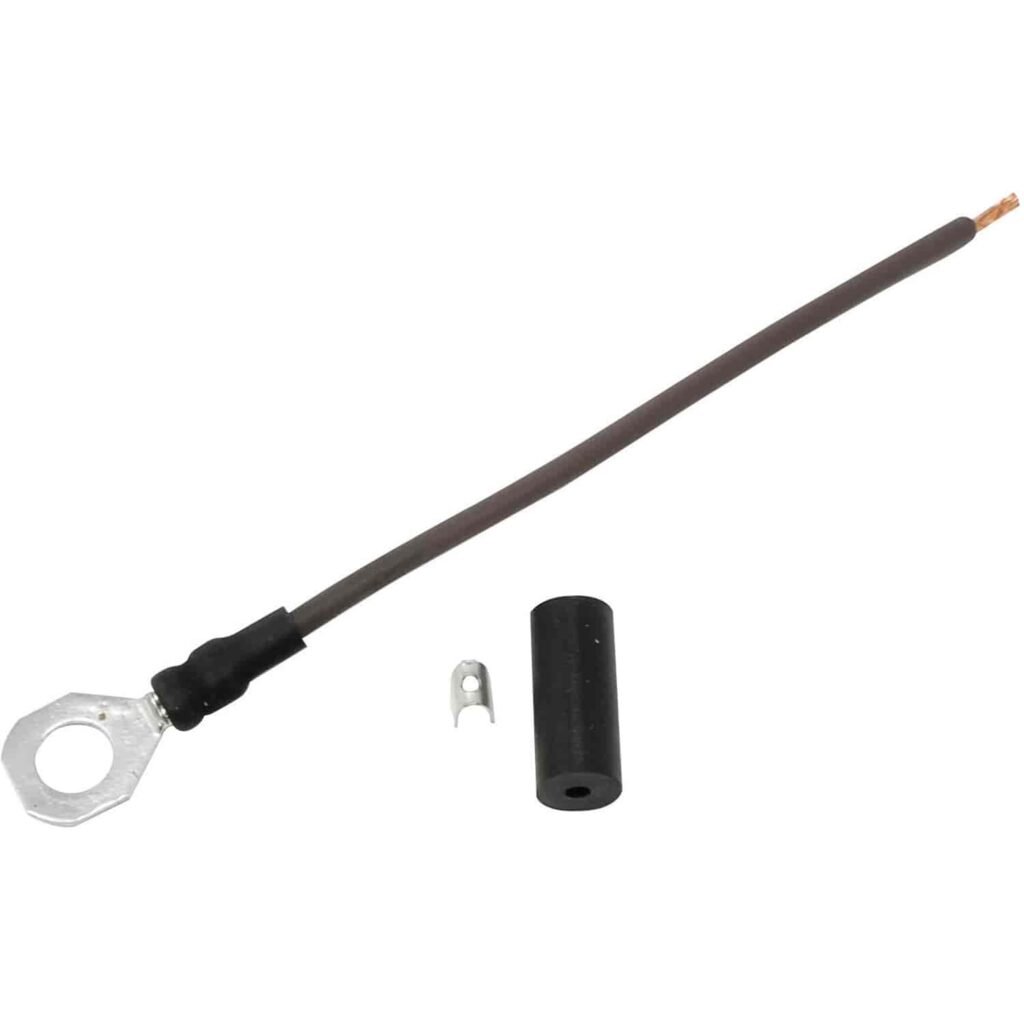

In the world of automotive electrical systems, there are various components that play crucial roles in ensuring smooth and safe operations. One such component is the fusible link. Often overlooked, the fusible link serves as a protective device, guarding against potential electrical hazards. In this article, we will delve into what a fusible link is, its importance, how to diagnose issues, and when it's necessary to replace it.
A fusible link is essentially a special type of electrical wire that acts as a sacrificial link in an automotive electrical system. It is designed to break or melt under excessive electrical loads or in the event of a short circuit. Its purpose is to protect sensitive electrical components and prevent damage to the wiring harness, as well as minimize the risk of fire.
Typically, you will find a fusible link installed between the alternator and the battery. This location is critical as it ensures that the power generated by the alternator reaches the battery while safeguarding against excessive current flow.
When a fusible link becomes faulty or blown, it can cause a variety of electrical problems in your vehicle. Here are some common signs to watch out for:
Sign up now to join the JEGS email newsletter and be the first to learn about new products, special deals and e-mail only offers!
Replacing a fusible link is relatively straightforward once you have identified the faulty link. Here are the steps to follow:
Understanding the role of a fusible link in your vehicle's electrical system is vital for maintaining a reliable and safe driving experience. By recognizing the signs of a faulty fusible link and knowing how to replace it, you can address potential issues promptly. Regular inspections and maintenance will help ensure the proper functioning of the fusible link, protecting your vehicle's electrical components and preventing potentially costly repairs. Remember, when it comes to electrical systems, it's always better to be proactive rather than reactive.

I am having tough time have wire all over place thick pink firewall one long wire passengers side have no clue where all these wires go it’ll crank but no fuel or spark at least guess about Spark..I’m getting frustrated it’s 1990 GMC rally sport van with 350 tbi

Hi Bobby,
It definitely sounds frustrating, and you’re not alone, electrical gremlins, especially in older vehicles like your 1990 GMC Rally Sport Van with a 350 TBI, can be a real headache.
From your description, it seems like you may have a wiring issue related to a fusible link or ignition power feed. Here are some steps that might help you get back on track:
Common Issues to Check:
Fusible Links: These are short, insulated wires designed to act like a fuse. A break inside the insulation can stop power from reaching critical systems like the ECM, fuel pump, or ignition coil—even if the wire looks fine.
Look near the starter solenoid and battery junction block for burnt or corroded fusible links.
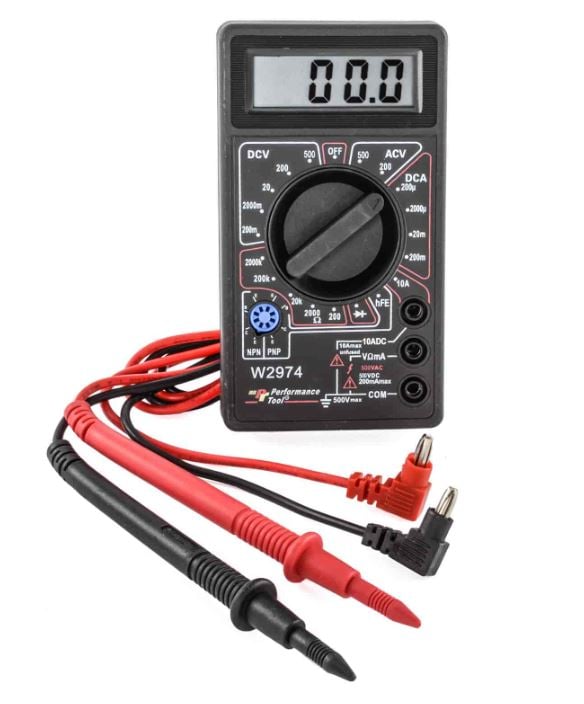
Wiggle test them gently while checking for continuity with a multimeter.
Pink Ignition Wire: That thick pink wire you’re seeing is likely an ignition feed wire. If it’s not providing 12V with the key on, it could be your root issue.
Trace it to see if it supplies power to the ECM, ignition coil, or injectors.
If it’s dead, check fuses and fusible links upstream.
No Fuel / No Spark:
No fuel could mean the fuel pump relay isn’t energized, often due to ECM not receiving ignition power.
No spark may point to a bad ignition module, pickup coil, or no power at the coil.
Also, double-check grounds near the thermostat housing and frame rails. Bad grounds are notorious for causing strange issues on TBI setups.
What You Can Do:
If you’re not getting 12V to key engine components (injectors, ECM, coil), a blown fusible link or faulty ignition switch could be the cause.
Use a wiring diagram to trace your pink wire and see where it’s supposed to deliver power. You can find diagrams in service manuals or online forums dedicated to GM vans and TBI setups.
If you need help identifying the fusible links or ignition circuits specific to your setup, don’t hesitate to call our tech team at 1-800-345-4545. We’re here to walk you through it and get your van back on the road. Hang in there as you’re closer than you think!

So, I have a quick question?
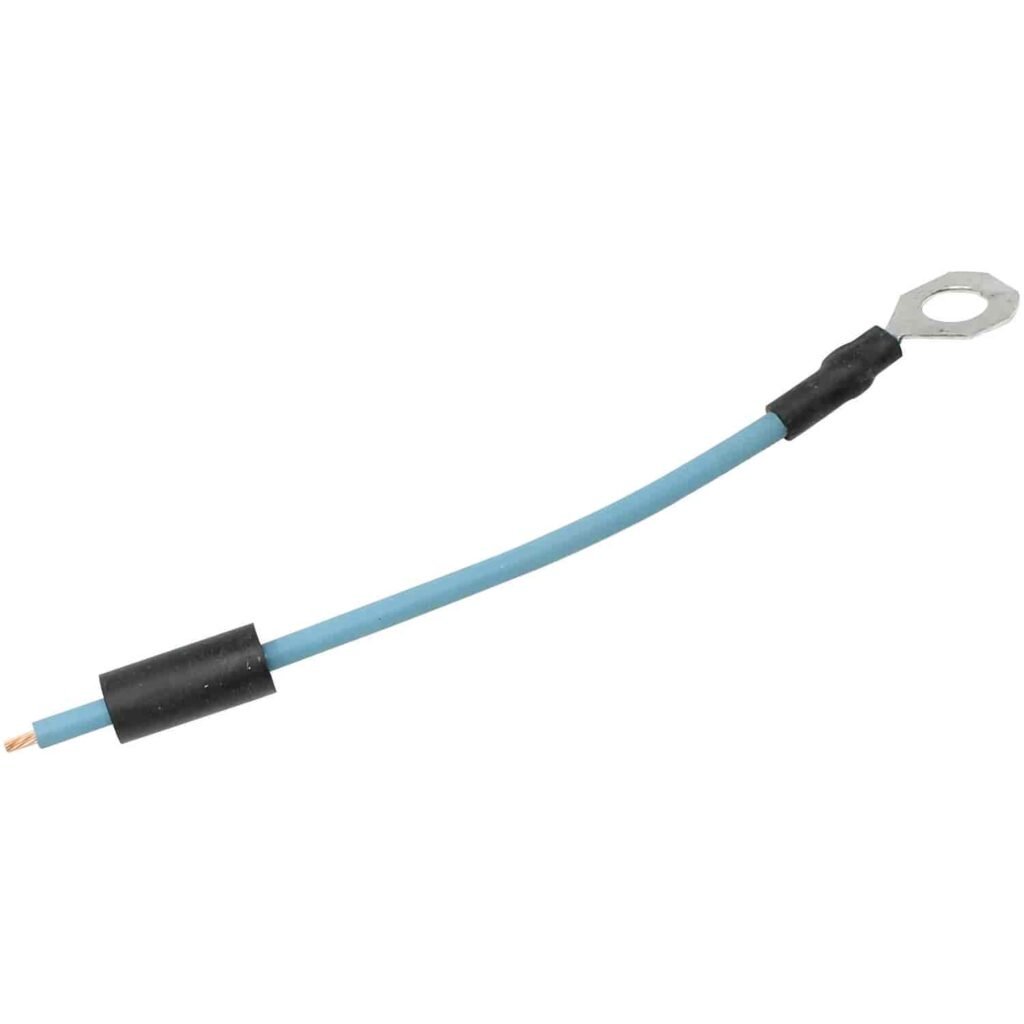
Question? I have a Pontiac g6 and I bought a fusible link but I’m not sure if the I need to install it with the blue tip. Do I need to take the blue part off or keep it on?
Hi Jay, Great question! The blue tip on a fusible link is typically there to help with installation and may act as a protective cover or an indicator for the correct orientation. In most cases, the blue tip should stay on unless the manufacturer’s instructions specifically state otherwise. Here’s what I recommend:
Check the packaging or instructions that came with your fusible link to confirm how it should be installed.
If no clear instructions are available, you can install the fusible link with the blue tip intact, ensuring a secure and proper connection.
If the blue tip is a protective cover for the wire, it may need to be removed to expose the connection point.
If you’re still unsure, consult your vehicle’s repair manual or call us at 1-800-345-4545 and speak to a tech support specialist. We are open 7 am-Midnight EST Monday through Friday and 8:00 am-11:00 pm on Saturday and Sunday. Proper installation is key to ensuring the fusible link functions as intended to protect your electrical system.
Good luck with your Pontiac G6!



Leave a Reply