


 Order Status & Returns
 Gift Cards
 Help Center
 1-800-345-4545

Gauges & Accessories
Automotive gauges from JEGS let you track oil pressure, coolant temperature, boost, fuel level and more, with about 9,000 items to choose from. You'll find mechanical and electric gauges, gauge pods and mounts, sending units, tachometers and shift lights in common sizes like 2-1/16 in. and 2-5/8 in. Use the Add a Vehicle selector and filters for size, type and brand to narrow the list to parts that fit your build.
Show More
Types of Automotive Gauges
Automotive gauges are grouped by what they measure, so start with the reading you need to watch. Most builders begin with an oil pressure gauge and a temperature gauge. Then they add readings that match the setup, like a boost gauge on a turbocharged engine. Common car gauges in this category include:
- Oil pressure gauges
- Water and coolant temperature gauges
- Transmission temperature gauges
- Fuel level and fuel pressure gauges
- Boost and vacuum gauges
- Voltmeters
- Exhaust gas temperature (EGT) and air/fuel ratio gauges
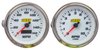
You can buy most gauges one at a time or as 3-gauge kits that share the same face style and size. Shop all performance gauges, or read our gauge selection guide on how to choose gauges if you're planning a full panel.
Mechanical vs. Electric Gauges
The main difference is how the reading gets to the gauge. Mechanical gauges use physical tubing or a capillary line that runs from the engine to the back of the gauge. They're durable, and electrical faults won't affect the reading.
Electric gauges use a sending unit at the engine and wires to the gauge instead. Wire is easier to route than tubing, which helps when you're mounting gauges far from the engine or passing through a tight firewall. The tradeoff is that you'll need power, ground and a sender that matches the gauge.
Go mechanical if you want a direct reading with no wiring to troubleshoot. Go electric if a tubing run would be hard to route or you want a cleaner install. For a deeper comparison, read electric vs. mechanical gauges: what's the difference.
Choosing Gauge Size, Pods and Mounts
Choose your gauge size first, because the size sets which pods and mounts will fit. Sizes like 2-1/16 in. and 2-5/8 in. refer to the diameter of the gauge housing. These smaller sizes are common for oil pressure, temperature, fuel and boost readings.
Larger 3-3/8 in. and 5 in. sizes are common for tachometers and speedometers, where you want an easy-to-read face. Some tachs come in other sizes, such as 4-5/8 in., so check the listed size before you order a mount.
Once you know the size, match it to a mount. Dash pods hold one or more gauges on or near the dash. Mounting panels and gauge cups let you place gauges under the dash or in a custom spot.
Vehicle-specific dash pod kits are also available for a direct-fit look. Browse gauge mounts and pods in every common size.
Sending Units and Gauge Accessories
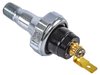
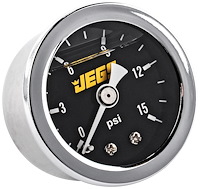
A sending unit is the sensor that reads pressure, temperature or fuel level and sends that signal to an electric gauge. Each sender has to match its gauge, so check the specs before you buy. For example, some fuel level gauges are built for a 240-33 ohm sender.
Shop oil pressure and water temperature sending units to replace a worn sender or complete a new electric gauge install. If you're adding several electric gauges, plan a sender location for each reading before you start drilling or tapping.
Gauge bezels, harnesses and other accessories cover the parts that finish the job. Mechanical gauges may also need copper tubing kits to run the line. If you're removing a factory speedometer, speedometer delete plugs close off the opening.
Speedometers, Tachometers and Shift Lights
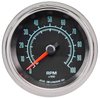
A tachometer shows engine speed in RPM so you can time your shifts and keep the engine in its power band. Most tachs get their signal from the negative side of the ignition coil, the engine's ECM or an aftermarket ignition box. Confirm your ignition setup before you choose one, since the signal source affects how you wire it.
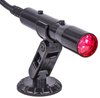
Many tachometers include a built-in shift light and RPM recall, which stores your peak engine speed. If you want a separate signal in your line of sight, add one of our shift lights and warning lights. Replacement and upgrade speedometers are available for street builds and restorations.
Shop all speedometers and tachometers, or follow our step-by-step instructions for installing a tachometer before you wire one in.
Trusted Gauge Brands
JEGS carries aftermarket gauges from established brands, so you can match styles across a full dash. Pick one brand and product line for your main gauges to keep the faces, needles and lighting consistent. Then add pods, senders and mounting parts that fit the same sizes.
Auto Meter gauges include the Sport-Comp and Ultra-Lite lines, with 2-1/16 in. and 2-5/8 in. options, plus 3-gauge kits and dash pod kits. Classic Instruments gauges include tachometers like the 4-5/8 in. AutoCross tach with a 10,000 rpm range.
Equus gauges and parts cover the install side too, with single gauge mounting panels, electrical water temperature senders and copper tubing kits. You can also shop VDO gauges and compare them with the Brand filter on this page.

ADD A VEHICLE TO GUARANTEE PARTS FIT
See products that fit

HOLLEY
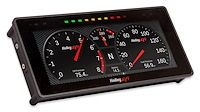
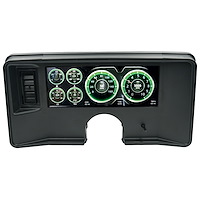
12.3 in. Pro Dash Full-Color Touchscreen EFI Display 200-Plus Channels
Part Number: 510-553-111
 Ships Today
 Lowest price guarantee
HOLLEY
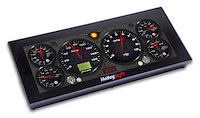
12.3 in. Pro Dash Full-Color Touchscreen EFI Display 200-Plus Channels
Part Number: 510-553-111
Ships TodayLowest Price Guarantee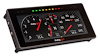

JEGS
5 in. Tachometer with Shift Light and Peak RPM Memory Recall, 0-10,000 RPM [Black Face with Black Bezel]
Part Number: 555-41263
Ships TodayLowest price guarantee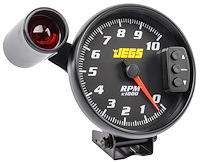
JEGS
5 in. Tachometer with Shift Light and Peak RPM Memory Recall, 0-10,000 RPM [Black Face with Black Bezel]
Part Number: 555-41263
Ships TodayLowest Price Guarantee
JEGS
5 in. Tachometer with Shift Light and Peak RPM Memory Recall, 0-10,000 RPM [White Face with Silver Bezel]
Part Number: 555-41262
Ships TodayLowest price guarantee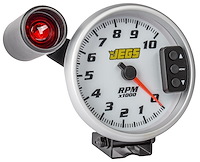
JEGS
5 in. Tachometer with Shift Light and Peak RPM Memory Recall, 0-10,000 RPM [White Face with Silver Bezel]
Part Number: 555-41262
Ships TodayLowest Price Guarantee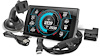
EDGE PRODUCTS
84130-3 Insight CTS3 Digital Gauge Monitor for Domestic Gas & Diesel Vehicles w/OBDII Port
Part Number: 367-84130-3
Ships TodayLowest price guarantee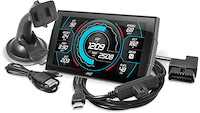
EDGE PRODUCTS
84130-3 Insight CTS3 Digital Gauge Monitor for Domestic Gas & Diesel Vehicles w/OBDII Port
Part Number: 367-84130-3
Ships TodayLowest Price Guarantee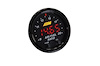
AEM ELECTRONICS
30-0300 X-Series Wideband UEGO AFR Sensor Controller Gauge With X-Digital Technology
Part Number: 017-30-0300
Ships TodayLowest price guarantee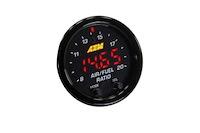
AEM ELECTRONICS
30-0300 X-Series Wideband UEGO AFR Sensor Controller Gauge With X-Digital Technology
Part Number: 017-30-0300
Ships TodayLowest Price Guarantee
INNOVATE MOTORSPORTS
3891 DLG-1 Dual Lambda Wideband Air/Fuel Ratio Gauge Kit w/2 Bosch LSU 4.9 O2 Sensors
Part Number: 540-38910
Ships TodayLowest price guarantee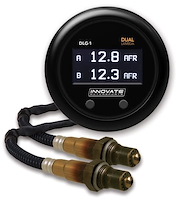
INNOVATE MOTORSPORTS
3891 DLG-1 Dual Lambda Wideband Air/Fuel Ratio Gauge Kit w/2 Bosch LSU 4.9 O2 Sensors
Part Number: 540-38910
Ships TodayLowest Price Guarantee


AEM ELECTRONICS
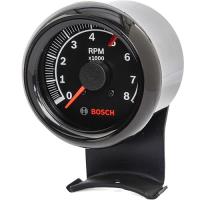
30-4110 Digital UEGO Wideband AFR Gauge [Accurate to 0.1 AFR]
Part Number: 017-30-4110
Ships TodayLowest price guarantee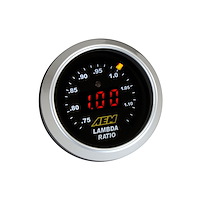
AEM ELECTRONICS
30-4110 Digital UEGO Wideband AFR Gauge [Accurate to 0.1 AFR]
Part Number: 017-30-4110
Ships TodayLowest Price Guarantee

AEM ELECTRONICS
X-Series OBD-II Wideband Air/Fuel Ratio Gauge Kit for 2008 & Newer CAN Bus Vehicles [Black]
Part Number: 017-30-0334
Ships TodayLowest price guarantee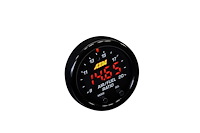
AEM ELECTRONICS
X-Series OBD-II Wideband Air/Fuel Ratio Gauge Kit for 2008 & Newer CAN Bus Vehicles [Black]
Part Number: 017-30-0334
Ships TodayLowest Price Guarantee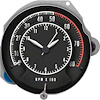
AUTO METAL DIRECT
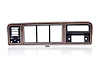
460-4573-WAC Chrome Dash Bezel Woodgrain with AC for 1973-1979 Ford F100, F150, F250, F350 Truck, 1978-1979 Bronco
Part Number: 106-460-4573-WAC
Ships TodayLowest price guarantee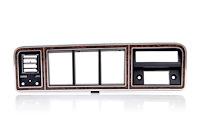
AUTO METAL DIRECT
460-4573-WAC Chrome Dash Bezel Woodgrain with AC for 1973-1979 Ford F100, F150, F250, F350 Truck, 1978-1979 Bronco
Part Number: 106-460-4573-WAC
Ships TodayLowest Price Guarantee
JEGS
5 in. Tachometer with Shift Light and Peak RPM Memory Recall, 0-10,000 RPM [Black Face with Silver Bezel]
Part Number: 555-41260
Ships TodayLowest price guarantee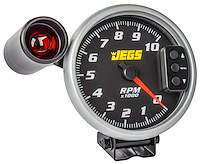
JEGS
5 in. Tachometer with Shift Light and Peak RPM Memory Recall, 0-10,000 RPM [Black Face with Silver Bezel]
Part Number: 555-41260
Ships TodayLowest Price Guarantee
JEGS
6-Gauge Set, Silver Analog Face [3 3/8 in. Dia. Speedometer & Tachometer]
Part Number: 555-41294
Ships TodayLowest price guarantee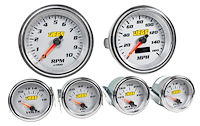
JEGS
6-Gauge Set, Silver Analog Face [3 3/8 in. Dia. Speedometer & Tachometer]
Part Number: 555-41294
Ships TodayLowest Price Guarantee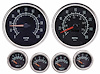
JEGS
Retro Muscle Car 6-Gauge Set, Black Analog Face [5 in. Dia. Speedometer & Tachometer]
Part Number: 555-41390
Ships TodayLowest price guarantee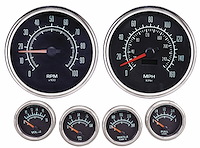
JEGS
Retro Muscle Car 6-Gauge Set, Black Analog Face [5 in. Dia. Speedometer & Tachometer]
Part Number: 555-41390
Ships TodayLowest Price Guarantee
JEGS
6-Gauge Set, Black Analog Face [5 in. Dia. Speedometer & Tachometer]
Part Number: 555-41392
Ships TodayLowest price guarantee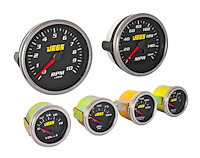
JEGS
6-Gauge Set, Black Analog Face [5 in. Dia. Speedometer & Tachometer]
Part Number: 555-41392
Ships TodayLowest Price Guarantee
OER
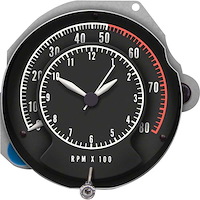
IN12293T Tic-Tock Tachometer w/Clock for 1970-1971 Olds 442, 1970-1972 Olds Cutlass
Part Number: 691-IN12293T
Ships TodayLowest price guarantee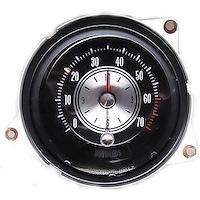
OER
IN12293T Tic-Tock Tachometer w/Clock for 1970-1971 Olds 442, 1970-1972 Olds Cutlass
Part Number: 691-IN12293T
Ships TodayLowest Price Guarantee
JEGS
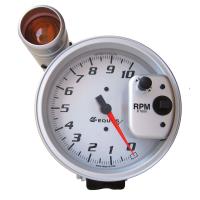
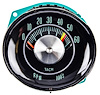
Factory Style Tachometer, 0-6,000 RPM & 5,200 RPM Redline for 1964-1965 Chevrolet Chevelle, El Camino w/V8 [In-Dash Mounted]
Part Number: 555-79266
Ships TodayLowest price guarantee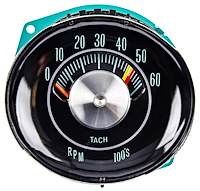
JEGS
Factory Style Tachometer, 0-6,000 RPM & 5,200 RPM Redline for 1964-1965 Chevrolet Chevelle, El Camino w/V8 [In-Dash Mounted]
Part Number: 555-79266
Ships TodayLowest Price GuaranteeFrequently Asked Questions About Automotive Gauges
Why should I add aftermarket gauges to my car?
Aftermarket gauges show you actual readings, like oil pressure and coolant temperature, instead of a single warning light. That lets you spot a rising temperature or falling pressure before it turns into engine damage. They're especially useful after upgrades like a turbo, an engine swap or a transmission swap.
Are aftermarket gauges vehicle-specific?
Most gauges are universal and fit any mount built for their size. Pods, dash panels and some gauge kits are made for specific vehicles. Use the Add a Vehicle selector to see the parts that fit your year, make and model.
Should I buy gauges individually or as a kit?
Buy a kit if you need several readings at once and want them to match. Many kits group three gauges in one size and face style. Buy individually if you're adding a single reading to an existing dash.
Can I install automotive gauges myself?
Yes, many gauge installs are a DIY job with basic hand tools. Mechanical gauges need a tubing or capillary line routed from the engine, while electric gauges need power, ground and a sending unit wire. Read the instructions that come with your gauge, and plan your mounting spot before you drill.
How do I narrow down the gauge selection on this page?
Use the filters on this page. You can filter by Part Type, Brand, Size, Type, RPM Range and whether mounting hardware is included. Combine filters with the Add a Vehicle selector to see only parts that match your build.