


 Order Status & Returns
 Gift Cards
 Help Center
 1-800-345-4545
Racing Safety Equipment
Racing safety equipment protects you when something goes wrong at speed, and the right gear depends on your car and class. JEGS carries about 12,000 safety products, so it helps to know which specs matter before you start shopping. This page explains SFI and Snell ratings, so you can match your race car safety gear to the rules at your track.
Show More
What Racing Safety Equipment Should You Buy First?
Buy the gear your sanctioning body requires first, then add upgrades as your car gets faster. The NHRA and other groups publish rulebooks that list the SFI or Snell spec each item must meet. Read yours before you spend a dollar, since requirements vary by class.
Use this order to build your kit:
- Read the rulebook for your class and series
- Write down the SFI or Snell spec for each required item
- Buy the required gear before you add optional upgrades
Our article on prioritizing race safety equipment explains what to look for as you work through that list. If you move up a class, recheck the rules, because your required specs can change with it. Gear that passed tech last season may need an upgrade after the move, so check every rating before your first race in the new class.
How Do You Choose a Racing Helmet and Shield?
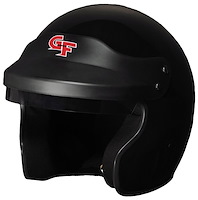
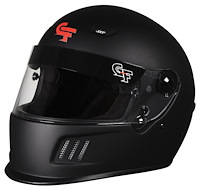
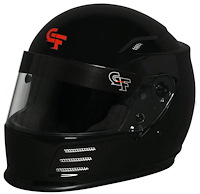
Choose a helmet with a current Snell rating that fits snugly and suits the type of racing you do. Snell updates its standards every 5 years, so check the rating year on the label before you buy. Read our guide to choosing a racing helmet before you measure your head.
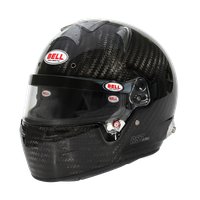
If you want a helmet built to the newest standard, the Zamp Racing RZ-67D carries a Snell SA2025 rating. Your shield matters as much as the shell, since it's your view down the track. Bell Helmets SE07 shields fit compatible Bell helmets, and tear-offs help keep your view clear between rounds.
Shop racing helmets and accessories now to compare Snell ratings, shields and add-ons in one place. Confirm the exact rating your class calls for, then pick the size and style that fit you.
What Do SFI Ratings Mean for Fire-Retardant Driving Suits?
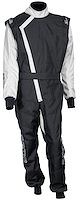
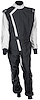
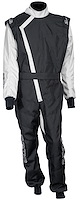
An SFI 3.2A rating tells you how long a fire-retardant suit protects you against second-degree burns. The number after the slash is the key, because a higher number means longer protection. Your rulebook sets the minimum number for your class.
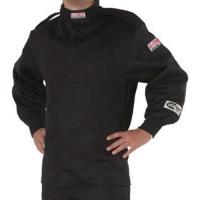
Here's how that looks on real gear. The Zamp ZR-31 three-layer suit carries an SFI 3.2A/5 rating, a good fit if your class lists that spec. For more protection, the Simpson Drag 5G pant is rated SFI 3.2A/15, three times the number on that suit.
Match every layer to the rating your class requires, and check both pieces if you buy a jacket and pants separately. Browse driving suits and clothing to compare SFI ratings across one-piece suits and separate pieces. Pick a rating that meets your class minimum today and leaves room if you plan to go faster later.
Which Racing Harness Fits Your Car and Class?
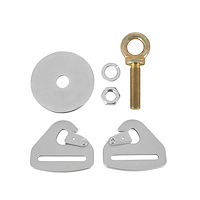
Pick a harness with the SFI rating your class requires, then match the buckle style to your seat and car. Racing harnesses carry SFI 16.1 or SFI 16.5 ratings, so check which one your rulebook lists. Our race harness buying guide explains how to compare harness options before you buy.
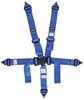
RJS Racing Equipment offers 5-point cam-lock harnesses, including an SFI 16.1 harness built for junior dragsters. If you prefer a ratchet design, the Simpson SB51204 is a 5-point harness with a ratchet buckle. Either way, confirm the SFI rating on the tag matches your rulebook.
Before you order, measure your seat's belt openings and confirm your mounting points. Belts that route cleanly through the seat and reach each mount without twisting are easier to adjust and inspect. Shop racing seat belts and harnesses now to compare SFI-rated options for your car.
When Do You Need Drag Racing Parachutes and Window Nets?
You need a parachute when your rulebook requires one for your car's speed, and a window net when your class calls for one. Both rules vary by sanctioning body, so check yours before you set up your car.
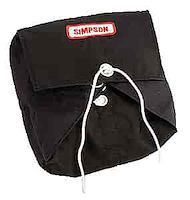
A parachute adds stopping power at the top end, where your car carries the most speed. The Simpson 14' professional parachute pack is one option for drag cars that need a chute. Browse drag racing parachutes and accessories to compare packs and accessories for your car.
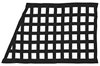
A window net keeps your arms and head inside the car if it rolls or hits the wall. Look for SFI 27.1 ribbon window nets, which RJS offers for race cars. Shop roll bar padding and window nets to finish your cage with the padding and nets your class requires.

ADD A VEHICLE TO GUARANTEE PARTS FIT
See products that fit


OER
154701 1969-72 Chevrolet/GMC Blazer, Jimmy, A-Pillar w/ Cowl Shoulder Assembly, RH
Part Number: 691-154701
 Ships TomorrowFree shipping
 Lowest price guarantee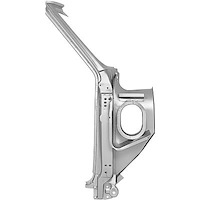
OER
154701 1969-72 Chevrolet/GMC Blazer, Jimmy, A-Pillar w/ Cowl Shoulder Assembly, RH
Part Number: 691-154701
Ships TomorrowFree shippingLowest Price Guarantee
OER
154700 1969-72 Chevrolet/GMC Blazer, Jimmy, A-Pillar w/ Cowl Shoulder Assembly, LH
Part Number: 691-154700
Ships TodayFree shippingLowest price guarantee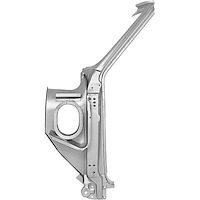
OER
154700 1969-72 Chevrolet/GMC Blazer, Jimmy, A-Pillar w/ Cowl Shoulder Assembly, LH
Part Number: 691-154700
Ships TodayFree shippingLowest Price Guarantee
HANS PERFORMANCE PRODUCTS
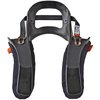
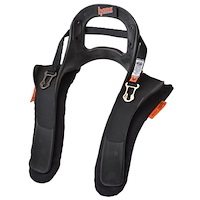
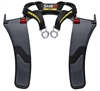
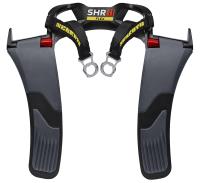
DK14247411SFI HANS III Head and Neck Restraint SFI 38.1 Certified
Part Number: 489-DK14247411SF
Ships TodayLowest price guarantee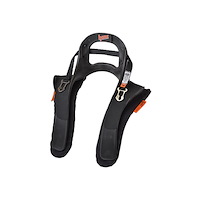
HANS PERFORMANCE PRODUCTS
DK14247411SFI HANS III Head and Neck Restraint SFI 38.1 Certified
Part Number: 489-DK14247411SF
Ships TodayLowest Price Guarantee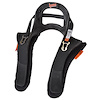
![AA0220BG1T61 Venti WRC Carbon Racing Helmet [Carbon Fiber, 61 cm]](https://www.jegs.com/images/mini_100/800/858/858-aa0220bg1t61.jpg)
![AA0220BG1T61 Venti WRC Carbon Racing Helmet [Carbon Fiber, 61 cm]](https://www.jegs.com/images/mini_200/800/858/858-aa0220bg1t61.jpg)
![AA0700AF1T60 ST5 GT Carbon Racing Helmet [Carbon Fiber, 60 cm]](https://www.jegs.com/images/mini_100/800/858/858-aa0700af1t60.jpg)
![AA0700AF1T60 ST5 GT Carbon Racing Helmet [Carbon Fiber, 60 cm]](https://www.jegs.com/images/mini_200/800/858/858-aa0700af1t60.jpg)
![H781C34S RZ-67D Racing Helmet [Snell SA2025]](https://www.jegs.com/images/mini_100/900/970/970-h781c34s.jpg)
![H781C34S RZ-67D Racing Helmet [Snell SA2025]](https://www.jegs.com/images/mini_200/900/970/970-h781c34s.jpg)

![29400BKL1X 5-Point Lever Camlock Harness [Black]](https://www.jegs.com/images/mini_100/800/856/856-29400bkl1x.jpg)
![29400BKL1X 5-Point Lever Camlock Harness [Black]](https://www.jegs.com/images/mini_200/800/856/856-29400bkl1x.jpg)





![929005C Kingsnake Racing Helmet [SA2025]](https://www.jegs.com/images/mini_100/800/850/850-929005c.jpg)
![929005C Kingsnake Racing Helmet [SA2025]](https://www.jegs.com/images/mini_200/800/850/850-929005c.jpg)
Frequently Asked Questions About Racing Safety Equipment
How Often Do Racing Harnesses Expire?
SFI-rated belts carry a 2-year expiration from their date of manufacture. That clock starts at the factory, so check the date on each belt before you buy. Recheck it before every season.
How Long Is a Snell-Rated Helmet Good For?
Snell-rated helmets expire 12 years from the Snell year in the rating. Per the NHRA, an SA2020 helmet stays valid through January 1, 2032. An SA2025 helmet follows the same 12-year rule.
Do You Need a Head and Neck Restraint for Drag Racing?
It depends on your class, so check the NHRA rulebook or your track's rules first. If your class requires one, look for SFI 38.1 certification. Browse SFI 38.1-rated head and neck restraint systems once you know the rule for your class.
What Size Fire Extinguisher Should You Carry in a Race Car?
Check your rulebook for the size and type it requires. Extinguishers at JEGS come in 2.5 to 5 lb sizes, in both dry-chemical and clean-agent types. Shop fire extinguishers and accessories to compare sizes and types for your car.
How Do You Check the Rating on Your Safety Gear?
Look for the SFI label sewn onto suits and harness webbing, and the Snell sticker inside your helmet. Tech inspectors check these labels, so keep them intact and readable.