


 Order Status & Returns
 Gift Cards
 Help Center
 1-800-345-4545
Fire Extinguishers & Accessories
Car fire extinguishers give street drivers, truck owners, and racers a fast way to knock down fuel, electrical, and engine-bay fires before they spread. This category covers handheld extinguishers, mounts and brackets, and full fire suppression systems built for daily drivers and race cars alike. You'll find dry chemical and clean agent options in common 2.5 to 5 lb sizes, so you can match protection to your build and the rules you run under.
Show More
What Is a Car Fire Extinguisher?
A car fire extinguisher is a compact, handheld unit built to put out the fuel, electrical, and engine-bay fires most likely to start in a vehicle. Daily drivers, work trucks, tow rigs, and race cars all benefit from carrying one within arm's reach. Automotive fires often involve gasoline, oil, or wiring, so the agent inside matters as much as the size. Dry chemical models smother a wide range of fires and cost less, while clean agent units leave no residue on electronics, paint, or upholstery. For a daily driver, a small handheld mounted near the seat is usually enough; for a track car, sanctioning rules may dictate what you carry. If you're deciding between agents, capacities, and mounting styles, our guide on how to choose a car fire extinguisher walks through the tradeoffs step by step. Start there, then match a unit to how and where you drive.
Types of Car Fire Extinguishers
Fire protection for a vehicle comes in a few distinct formats, and the right one depends on your car, your budget, and the rules you run under.
- Dry chemical extinguishers that smother fuel and electrical fires at a lower cost.
- Clean agent extinguishers, like Halon and Halguard-style units, that leave no residue on electronics or paint.
- Foam and AFFF race systems designed for high-heat motorsport use.
- Handheld models sized to ride within a driver's reach.
- Plumbed suppression systems that route agent to the cockpit and engine bay.
Brands like H3r Performance build both dry chemical and clean agent extinguishers, so you can protect a show car's finish or a daily driver on a budget. Compare handheld fire extinguishers first, then decide whether a plumbed suppression system fits your racing program and class rules.
What Size Fire Extinguisher Do I Need for a Car or Race Car?
Most cars and race cars are well served by a 2.5 to 5 lb extinguisher. That range balances enough agent to fight a real fire against a size you can actually store and handle. A 2.5 lb bottle fits tight cockpits and mounts easily within reach, while a 5 lb unit gives you more discharge time for a larger engine-bay fire. Sanctioning bodies such as NHRA set minimum capacities for competition, so check your class rules before you buy. Keep the bottle mounted where you can grab it while belted in, not buried in a trunk or hatch. For daily drivers, err toward a size you'll actually keep in the car rather than the largest one available. Allstar Performance offers compact handheld extinguishers that fit street and track builds without crowding the interior. Match capacity to your space, your reach, and the rules you run under.
Fire Extinguisher Mounts and Brackets
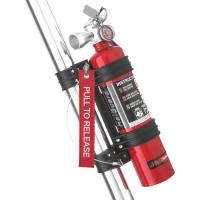
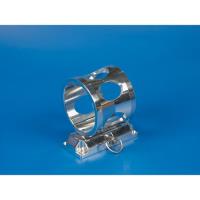
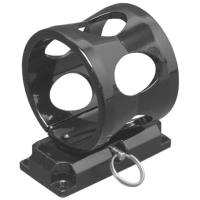
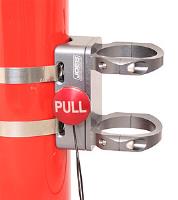
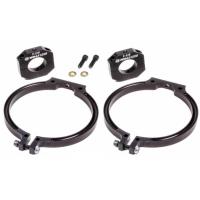
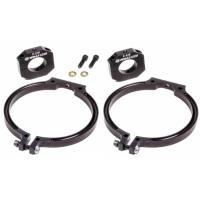
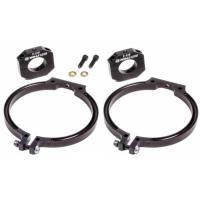
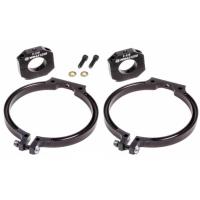
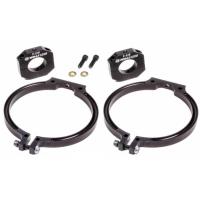
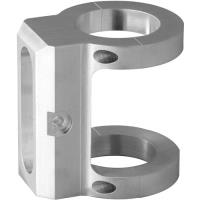
A secure mount or quick-release bracket keeps your extinguisher reachable, rattle-free, and legal for tech inspection. Loose bottles slide under pedals or become projectiles in a crash, so mounting is not an afterthought. Roll-bar clamps fit common tube diameters from 1-1/2 inch to 2-1/4 inch and lock the bottle to your cage or bar. Quick-release NHRA-style brackets let you pull the extinguisher fast when seconds count, while seat and floor mounts work well in street cars without roll bars. Choose a bracket rated for your bottle's diameter and weight so it holds under vibration and hard cornering. Browse our fire extinguisher mounts to match a bracket to your bottle and your build. If you run SFI-rated safety gear, remember that mounts and bottles need periodic checks. Our article on how long SFI-rated safety gear lasts explains recertification and replacement timelines so your setup stays inspection-ready.
Choosing a Car Fire Extinguisher for Racing
Racing raises the stakes, so competition cars need SFI or NHRA-compliant handheld extinguishers or a plumbed fire suppression system. A handheld unit is simple and affordable, while a plumbed system routes agent through nozzles to the cockpit and engine bay for faster, hands-free coverage. Systems come in manual-pull and automatic/manual versions; automatic units trigger on heat while still allowing a manual pull. Match bottle capacity to your class minimum and your car's fire risk, and mount the pull handle within reach of a belted driver. Fire Bottle builds suppression systems sized for drag, circle track, and road racing programs. Pair your system with fire-resistant racing suits and the rest of your racing safety equipment for complete protection on track. Shop all car fire extinguishers and accessories to gear up before your next event.

ADD A VEHICLE TO GUARANTEE PARTS FIT
See products that fit

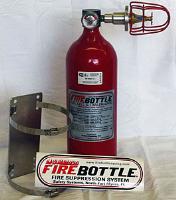
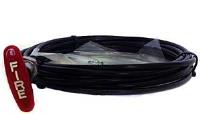
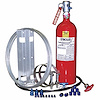
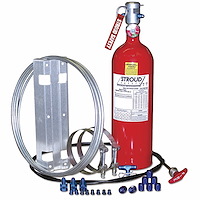
![AMRC-500 Automatic/Manual Pull Fire Extinguisher System [5 lbs.]](https://www.jegs.com/images/mini_100/300/386/386-amrc-500.jpg)
![AMRC-500 Automatic/Manual Pull Fire Extinguisher System [5 lbs.]](https://www.jegs.com/images/mini_200/300/386/386-amrc-500.jpg)

![Fire Extinguisher [3 in, 3 in Dia x 12 in Tall, Red, 12 in, 23.8 Ounce, Steel]](https://www.jegs.com/images/mini_100/0/049/049-all10504.jpg)
ALLSTAR PERFORMANCE
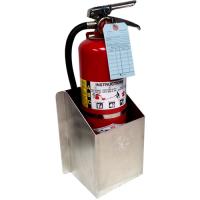
Fire Extinguisher [3 in, 3 in Dia x 12 in Tall, Red, 12 in, 23.8 Ounce, Steel]
Part Number: 049-ALL10504
 Ships on 10/13/2026
 Lowest price guarantee
![Fire Extinguisher [3 in, 3 in Dia x 12 in Tall, Red, 12 in, 23.8 Ounce, Steel]](https://www.jegs.com/images/mini_200/0/049/049-all10504.jpg)
ALLSTAR PERFORMANCE
Fire Extinguisher [3 in, 3 in Dia x 12 in Tall, Red, 12 in, 23.8 Ounce, Steel]
Part Number: 049-ALL10504
Ships on 10/13/2026Lowest Price Guarantee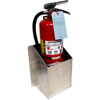
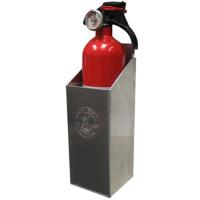
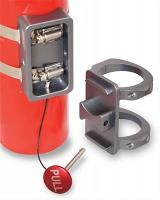

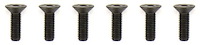
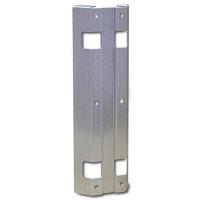
![H49 Fire Extinguisher Mount [Black]](https://www.jegs.com/images/mini_100/500/529/529-h49.jpg)
![H49 Fire Extinguisher Mount [Black]](https://www.jegs.com/images/mini_200/500/529/529-h49.jpg)

Frequently Asked Questions About Car Fire Extinguishers
Is it illegal to have a fire extinguisher in your car?
No, carrying a fire extinguisher in your personal vehicle is legal and widely encouraged for safety. Some commercial vehicles and race classes actually require one, and sanctioning bodies set their own equipment rules. Always confirm your local regulations and, if you compete, your series rulebook before an event.
Can you use a household ABC fire extinguisher on a car fire?
An ABC dry chemical extinguisher can put out many vehicle fires in a pinch, since it handles ordinary combustibles, flammable liquids, and electrical fires. The dry chemical residue is corrosive, though, so it can damage electronics and finishes. An automotive-specific handheld or clean agent unit is a better long-term choice for your car.
How often should a car fire extinguisher be inspected or recharged?
Check the pressure gauge monthly and give the unit a quick visual inspection for damage or corrosion. Most manufacturers recommend a professional service every few years, and any extinguisher that has been discharged must be recharged or replaced right away. Race gear on an SFI schedule follows tighter recertification timelines.
What's the difference between a handheld extinguisher and a fire suppression system?
A handheld extinguisher is a single bottle you aim and discharge by hand at the source of a fire. A fire suppression system is plumbed, routing agent through fixed lines and nozzles to the cockpit and engine bay. Suppression systems can trigger automatically or by a manual pull, freeing you to focus on getting out.
Where is the best place to mount a fire extinguisher in a car?
Mount it within easy reach of a belted driver, such as on the transmission tunnel, the passenger floor, or a roll-bar clamp. Avoid the trunk or rear cargo area, where you can't grab it during an emergency. Use a rated bracket so the bottle stays secure over bumps and hard cornering.