Sign up now to join the JEGS email newsletter and be the first to learn about new products, special deals and e-mail only offers!

 2 People Found This Article Helpful


Building your own spark plug wires can improve fitment, clean up your engine bay, and ensure strong ignition performance. Whether you are working on a custom engine swap, upgrading to a performance ignition system, or replacing aging wires, learning how to crimp spark plug wires correctly is an essential skill.
Properly crimped spark plug wires deliver consistent spark energy, reduce misfires, and improve reliability. This guide explains the tools you need, the correct steps to follow, and common mistakes to avoid.
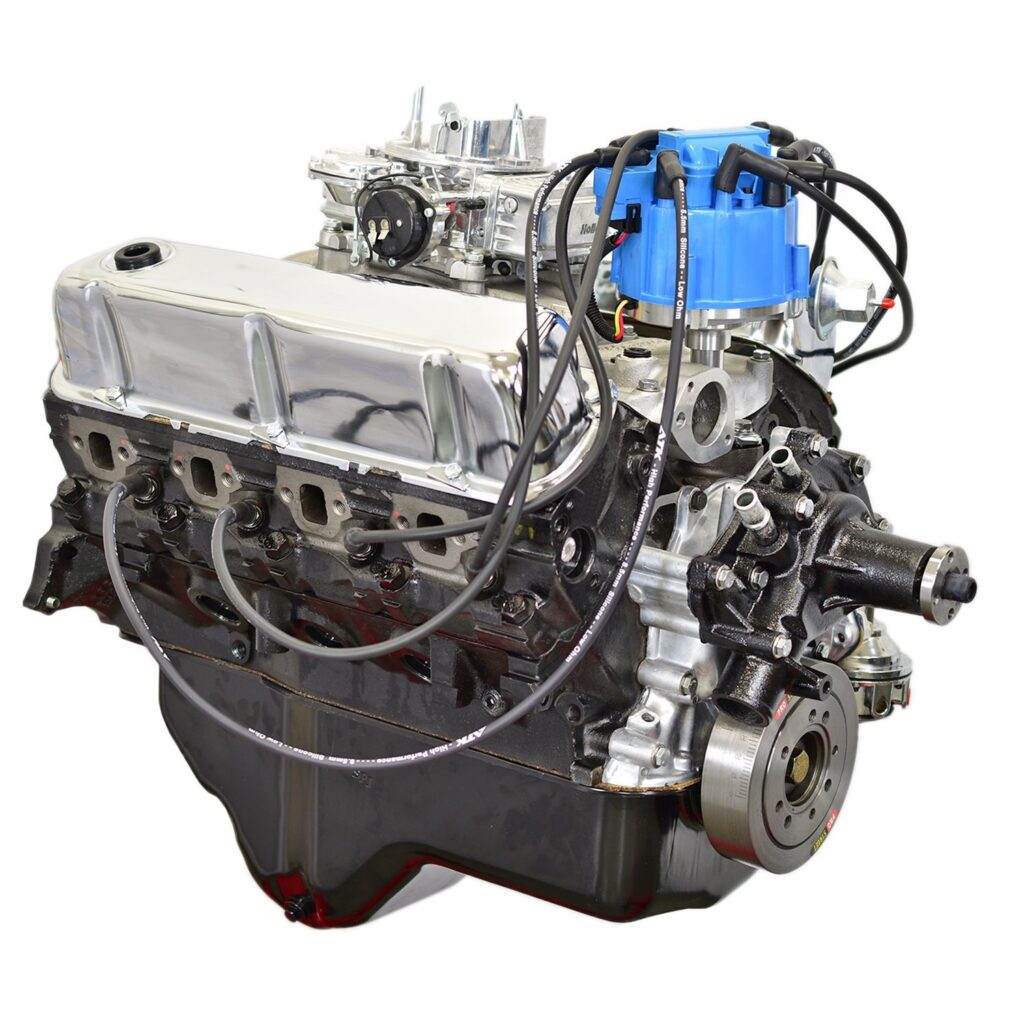
Spark plug wires carry high voltage from the ignition coil or distributor to the spark plugs. A poor crimp can create resistance, weak spark, intermittent misfires, or even complete ignition failure.
A secure and clean crimp ensures good electrical contact between the conductor and the terminal. It also provides a solid mechanical connection so the terminal does not pull off during installation or engine vibration.

To crimp spark plug wires properly, you will need quality spark plug wire crimping pliers designed for ignition terminals. You will also need the correct terminals, boots, and high quality spark plug wire cut to length.
A wire stripper or sharp blade can be used to remove insulation. Dielectric grease is recommended to ease installation and protect against moisture.
Using the correct crimping tool is critical. Standard pliers are not designed for ignition terminals and can damage the wire or create a weak connection.
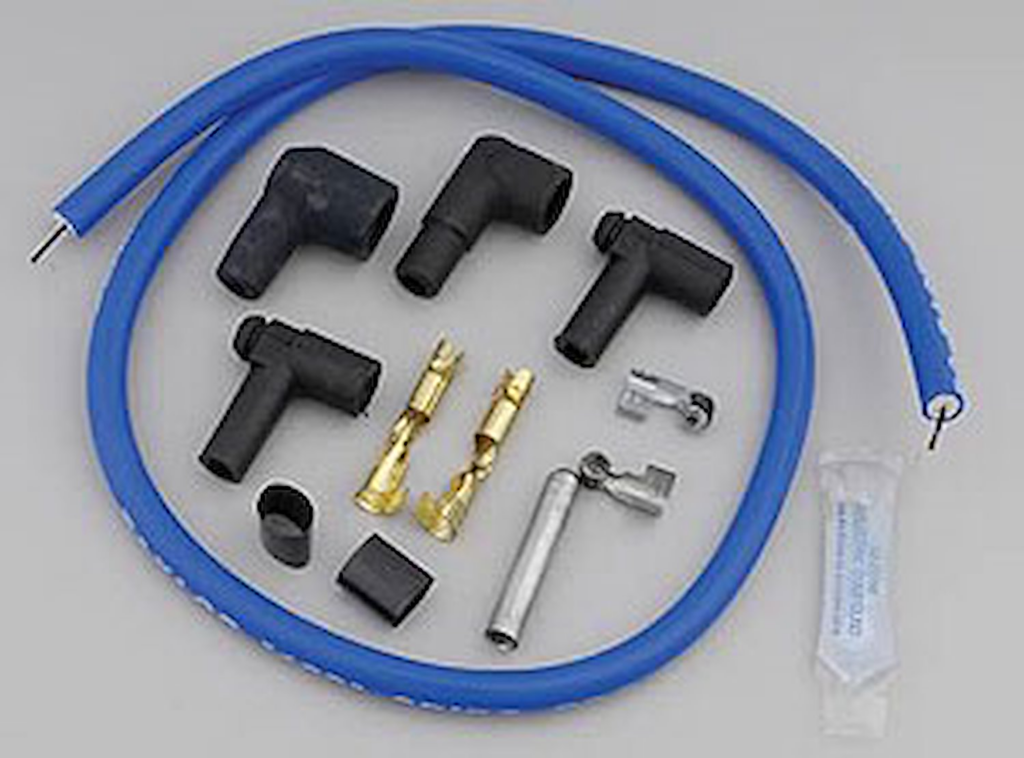
Start by routing the spark plug wire along the intended path to determine the correct length. Leave a small amount of slack to allow for engine movement and easy installation.
Cut the wire cleanly using a sharp cutter. A straight cut helps ensure proper terminal fitment.
Carefully strip back the outer insulation to expose the conductor. Be cautious not to cut or damage the core material.
Most performance spark plug wires use either a spiral wound or suppression core. Expose enough conductor to match the length required by the terminal design.

For many spark plug wire terminals, the conductor should be folded back over the outer insulation before crimping. This ensures both electrical contact and mechanical retention.
Make sure the folded conductor lays flat and evenly around the insulation.
Sign up now to join the JEGS email newsletter and be the first to learn about new products, special deals and e-mail only offers!
Place the terminal over the stripped end of the wire. The terminal typically has two sets of tabs. One set crimps onto the conductor and the other crimps onto the insulation for strain relief.
Ensure the terminal is properly aligned before crimping.
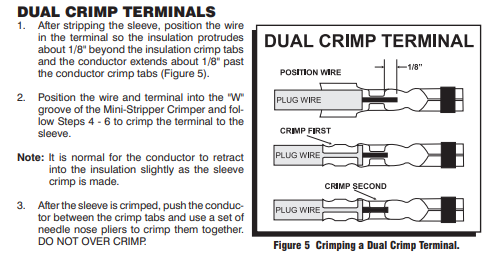
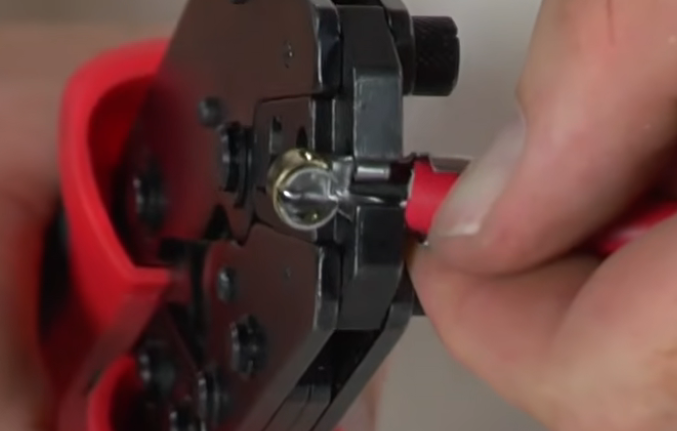
Using a dedicated spark plug wire crimping tool, crimp the terminal securely. Apply even pressure so the tabs wrap tightly around the conductor and insulation.
The crimp should be tight enough to prevent movement but not so tight that it cuts into the core or insulation.
Inspect the connection carefully. The terminal should not pull off with light hand pressure.
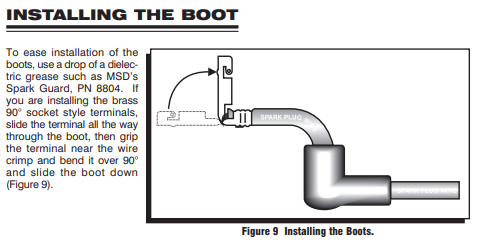
Slide the appropriate boot over the terminal before installation. Apply a small amount of dielectric grease inside the boot to ease installation and improve moisture resistance.
Ensure the boot fully seats over the terminal and spark plug or distributor post.
Avoid using incorrect terminals for your specific wire type. Mixing components can result in poor fitment and weak connections.
Do not skip folding back the conductor if required by the terminal design. This step is essential for proper electrical contact.
Never use regular pliers instead of a proper crimping tool. Incorrect crimping can lead to misfires and poor engine performance.
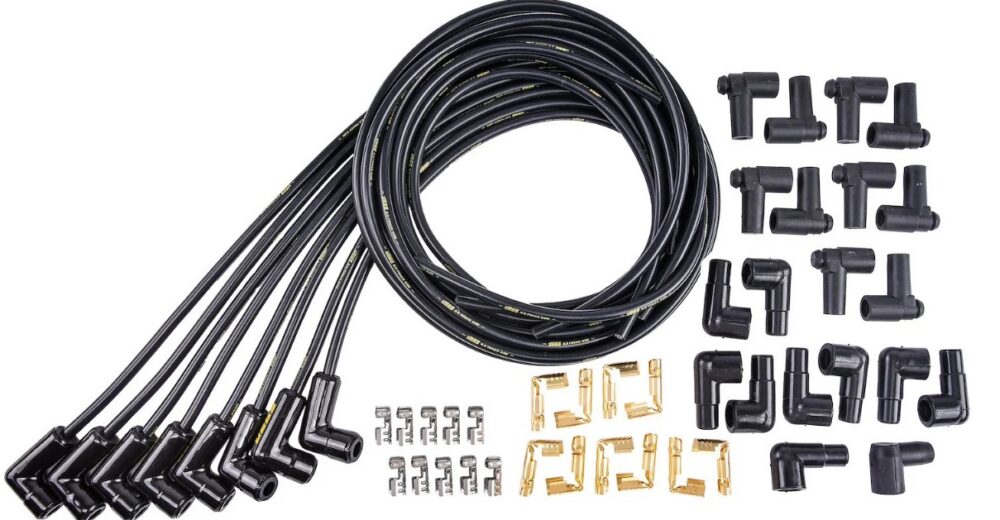
Custom spark plug wires are often part of a larger ignition upgrade. Pairing high quality wires with performance ignition coils, distributors, and spark plugs can improve combustion efficiency and throttle response.
At www.jegs.com, you will find spark plug wire kits, terminals, boots, crimping tools, and ignition components designed for street and performance engines.
If you need help selecting the right spark plug wire components or tools for your application, the JEGS Tech Specialists are available to guide you toward a reliable and professional quality installation.





Leave a Reply