


 Order Status & Returns
 Gift Cards
 Help Center
 1-800-345-4545

Spark Plugs & Glow Plugs
High-performance spark plugs light the air-fuel mixture consistently in street cars, boosted builds, and dedicated race engines. This category covers copper, iridium, ruthenium, and racing non-resistor spark plugs, plus glow plugs for diesel engines and plug index washers. Use the guides below to match thread, reach, heat range, and electrode material to your engine before you buy.
Show More
How Do You Choose High-Performance Spark Plugs?
Start with fitment: the right high-performance spark plugs match your cylinder head's thread diameter, reach, and seat type. Once a plug fits, heat range, electrode material, and gap decide how it performs. That's why the best spark plugs for performance depend on your specific engine.
- Thread diameter must match the head, and most plugs in this category are 14mm.
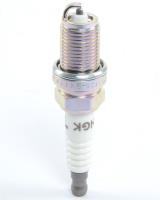
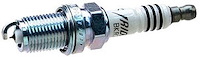
- Reach must match the head's thread depth, such as 3/4 in. on the NGK R5671A or .460 in. on the NGK Iridium IX UR4IX.
- Seat type is either flat with a gasket or tapered, and the two aren't interchangeable.
- Gap should match your engine and ignition system specs.
Too much reach can let the plug contact a piston or valve. Too little can leave exposed threads in the chamber that collect carbon. If you're unsure, check your engine builder's or cylinder head manufacturer's specs.
Copper vs. Iridium Spark Plugs: Which Electrode Material Fits Your Build?
Copper spark plugs suit engines where you inspect and replace plugs often, while iridium spark plugs suit builds where you want longer service life. Copper conducts heat well but wears faster. Iridium and platinum have higher melting points, so the electrode resists wear and holds its gap longer.
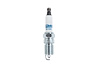
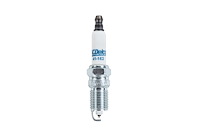
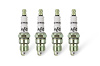
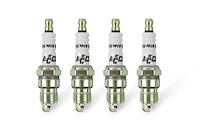
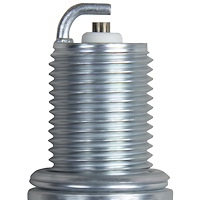
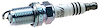
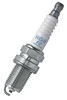
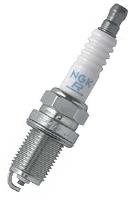
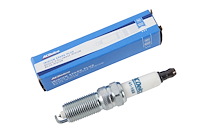
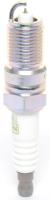
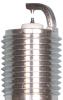
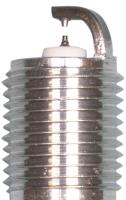
Iridium also allows a fine-wire center electrode, which lowers the voltage needed to fire the plug. Copper options include ACCEL 8199 HP Copper shorty plugs (14mm, .460 in. reach) and the Champion 71 Copper Plus (0.551 in. thread, 0.750 in. reach). For iridium, look at the NGK Iridium IX TR6IX or ACDelco 41-162 plugs for select 1995-2018 GM cars and trucks.
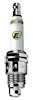
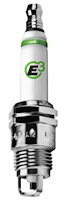
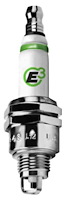
Other designs are available, too. The NGK TR5AHX uses a ruthenium electrode, and E3 plugs such as the E3.42 and E3.52 use an open "diamond" ground electrode design.
What Spark Plug Heat Range Does Your Engine Need?
Choose a spark plug heat range that keeps the firing end at about 500-800C (932-1,472F). Heat range describes how well a plug transfers heat away from its firing end, and spark strength is a separate factor. Run too cold and the plug can carbon foul; run too hot and you risk rapid wear and pre-ignition.
Boosted and heavily tuned engines running high-performance spark plugs often need a colder plug to prevent pre-ignition. Numbering varies by brand: a higher NGK number means a colder plug, so the R5671A-9 runs colder than the R5671A-7. Champion uses a different system.
Compare brands only with the manufacturer's cross-reference chart. After a test run, our guide on how to read spark plug color and diagnose problems helps you confirm your choice.
Should You Run Non-Resistor Racing Spark Plugs?
Run non-resistor spark plugs only in race applications without radio-noise-sensitive electronics. For EFI and street use, choose resistor plugs, which suppress radio-frequency interference (RFI). That interference can disrupt engine management and other onboard electronics.
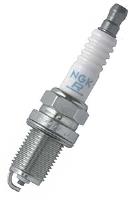
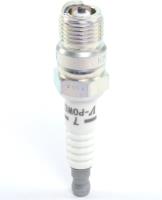
Racing spark plugs in this category include the NGK R5671A and R5672A-9 non-resistor plugs, plus the R5673-7 with a 14mm x .460 in. reach. For street builds, NGK V-Power resistor plugs like the BKR5E and BR7EF and the G-Power TR5GP come in 14mm sizes.
Upgrading plugs is a good time to check the rest of the spark path. A weak coil or worn distributor can limit any plug, so compare performance ignition coils and distributors and distributor components while you're planning.
How Do Glow Plugs Work in Diesel Engines?
Glow plugs preheat a diesel engine's combustion chambers so it can fire on cold starts. Diesel engines don't use spark plugs; they rely on compression heat to ignite fuel. When the engine is cold, compression alone may not create enough heat, so glow plugs add it until the engine starts.
Worn glow plugs often show up as hard cold-start behavior, rough running right after startup, or extra smoke until the engine warms up. Replace them with plugs specified for your engine, since thread, length, and voltage vary by application. Replacing the full set at once keeps heating even across cylinders.
If a single plug fails, check the others, since they've seen the same heat cycles and hours.
How Do You Install Spark Plugs and Finish the Ignition Upgrade?
Thread high-performance spark plugs in by hand on a cool engine, then tighten to the plug manufacturer's torque spec. Whether you use anti-seize depends on the plug's plating and your head material. Our breakdown of aluminum vs. copper anti-seize explains the tradeoffs.
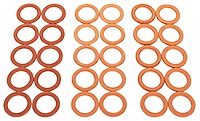
Spark plug index washers let you orient the ground electrode's open side toward the intake valve, a common race-engine tuning step. This category includes 14mm flat-seat spark plug index washers for that job.
Check your plug wires while you're in there. Browse spark plug wires and accessories, or build a custom set with our guide on how to make spark plug wires. Then shop the full Ignition category for every part of your spark system.

ADD A VEHICLE TO GUARANTEE PARTS FIT
See products that fit

ADD A VEHICLE TO GUARANTEE PARTS FIT
See products that fit

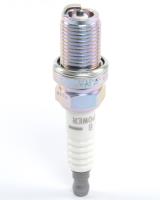
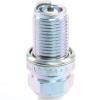
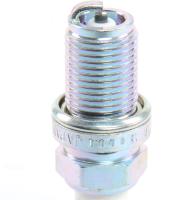
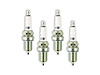
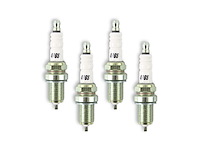

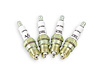
ACCEL SPARK PLUGS
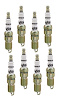
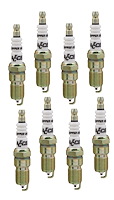
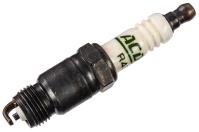
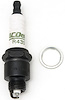
8199 HP Copper Spark Plug Set, Shorty, 14 mm Thread, .460 in. Reach
Part Number: 111-8199
 Ships Today
 Lowest price guarantee
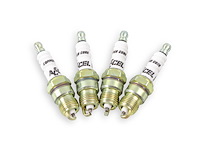
ACCEL SPARK PLUGS
8199 HP Copper Spark Plug Set, Shorty, 14 mm Thread, .460 in. Reach
Part Number: 111-8199
Ships TodayLowest Price Guarantee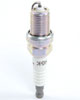

Frequently Asked Questions About High-Performance Spark Plugs
Do high-performance spark plugs make a difference?
They can, when they match your engine's fitment, heat range, and ignition system. A fresh, correctly specified plug restores consistent spark and can reduce misfires. You'll notice the biggest change when replacing a worn set or running a modified, boosted, or race engine.
What's the average lifespan of a spark plug?
Lifespan depends on electrode material, engine condition, and how hard you run the engine. Copper plugs wear fastest, while iridium and ruthenium plugs hold their gap longer. Follow your vehicle's service interval for street use, and inspect race plugs far more often.
Why does my car feel faster after replacing spark plugs?
Worn plugs develop wider gaps and rounded electrodes, so they need more voltage to fire and can misfire under load. New plugs restore a consistent spark, which brings back power and throttle response the old set was losing. You're recovering lost performance rather than adding new horsepower.
Can spark plug color tell you your air-fuel ratio?
No. Plug color gives clues about heat range, fouling, and engine health, but it can't measure air-fuel ratio. Use a wideband O2 sensor when you need an accurate reading.
Should you check the gap on new spark plugs?
Yes. Even pre-gapped plugs can shift during handling, and your engine or ignition system may call for a different gap. Use a gap tool and adjust carefully, especially on fine-wire iridium plugs, where prying against the center electrode can damage it.