Sign up now to join the JEGS email newsletter and be the first to learn about new products, special deals and e-mail only offers!

 2 People Found This Article Helpful


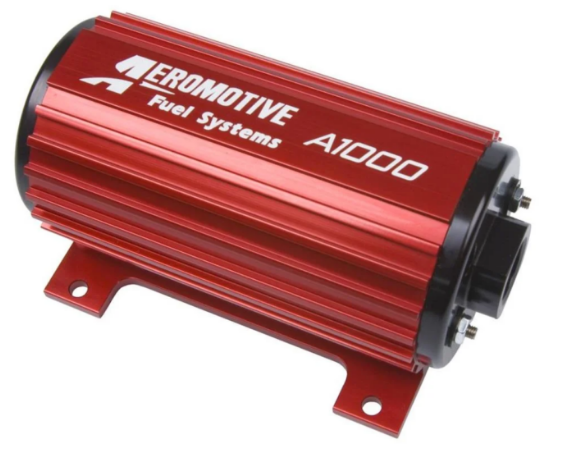
An electric fuel pump is a common upgrade for performance engines, fuel injected swaps, and vehicles that demand consistent fuel delivery under load. Compared to mechanical pumps, electric fuel pumps offer improved flow control, easier packaging, and better support for high horsepower applications.
This guide walks through how to install an electric fuel pump correctly, from planning and mounting to wiring and final checks. Whether you are upgrading a carbureted system or supporting an EFI conversion, proper installation is critical for safety and performance.
Electric fuel pumps provide steady fuel pressure and volume regardless of engine speed. They are often required for fuel injection systems and are popular in carbureted performance builds where higher flow is needed.
Benefits include:
Choosing the correct pump for your application is the first step toward a reliable fuel system.

Fuel system work requires caution. Gasoline is flammable, and improper installation can create serious safety risks.
Before starting:
Taking safety seriously protects both you and your vehicle.
Gathering the right tools and components before starting saves time.
Common tools and supplies include:
Always use components rated for fuel system use.

Electric fuel pumps work best when mounted close to the fuel tank and below the fuel level if possible. This helps the pump stay primed and reduces strain.
Common mounting locations include:
Avoid mounting the pump in the engine bay or near heat sources.
Using the supplied bracket or mounting hardware, secure the pump to the chosen location.
Key mounting tips:
The pump should be secure but not stressed by mounting hardware.
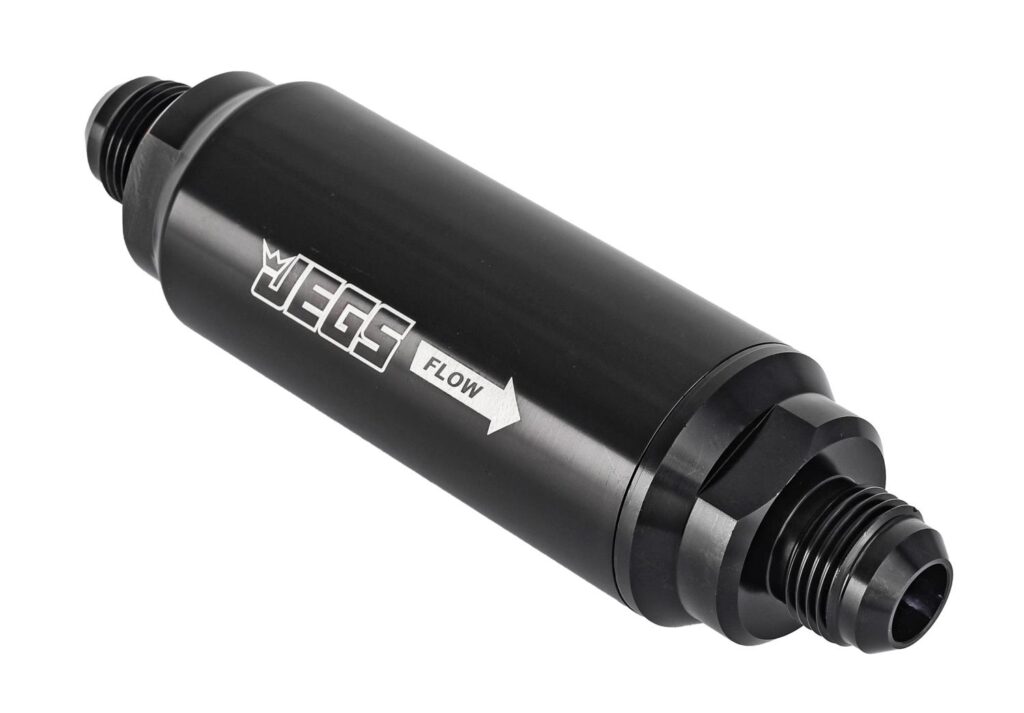
A fuel filter should be installed between the fuel tank and the pump inlet. This protects the pump from debris and extends its life.
In high performance systems, an additional filter after the pump may also be recommended.
Confirm fuel flow direction before installing the filter.
Sign up now to join the JEGS email newsletter and be the first to learn about new products, special deals and e-mail only offers!
Connect the fuel line from the tank to the pump inlet, then from the pump outlet to the fuel rail or carburetor.
Use fuel rated hose and fittings, and avoid sharp bends or kinks. Secure lines away from moving parts and heat sources.
Proper routing improves reliability and safety.
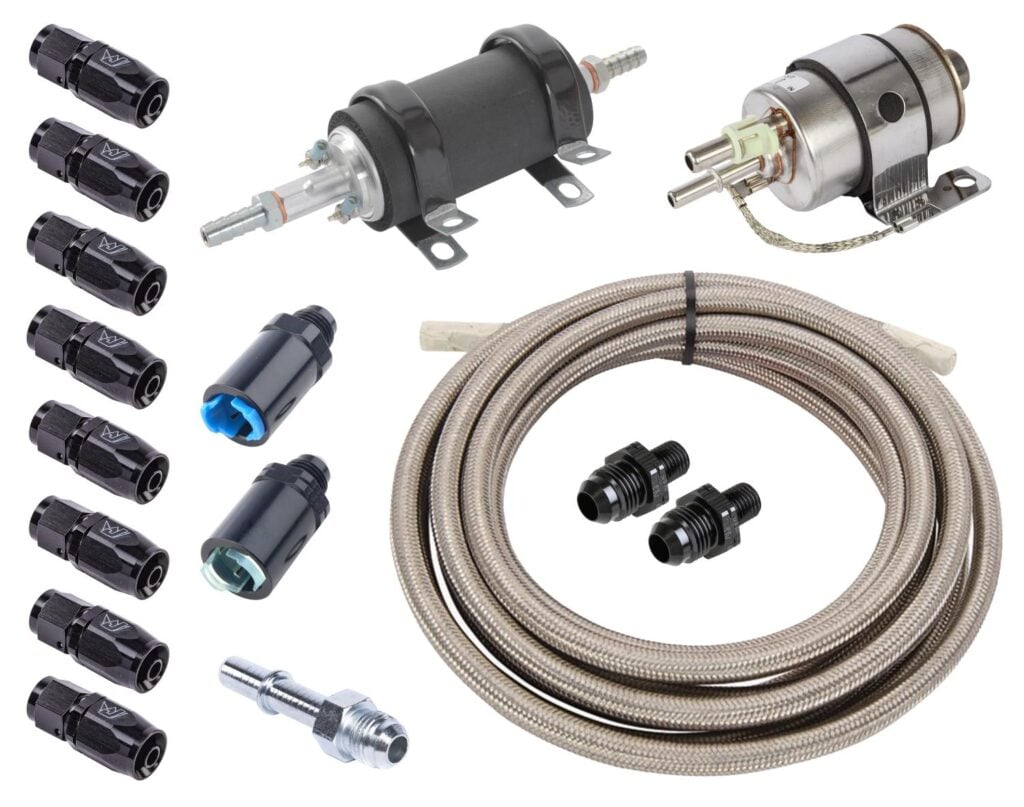
Most electric fuel pump systems require a fuel pressure regulator to maintain proper pressure.
Mount the regulator in an accessible location and connect it according to system design. Return style systems should route excess fuel back to the tank.
Follow manufacturer recommendations for regulator placement.
Correct wiring is critical for pump performance and safety.
Basic wiring guidelines include:
Many pumps include wiring diagrams. Follow them closely.
Before starting the engine, cycle the ignition to prime the system. Check for leaks at all connections.
Use a fuel pressure gauge to confirm pressure matches system requirements.
Do not start the engine if leaks are present.

Start the engine and monitor fuel pressure. Listen for unusual pump noise and inspect for leaks again.
Allow the engine to reach operating temperature while observing system behavior.
Recheck fasteners and connections after the first drive.
Avoid these common issues:
Attention to detail prevents most fuel system problems.


Carbureted systems require lower fuel pressure but sufficient volume. EFI systems demand higher pressure and precise control.
Always select a pump designed for your specific system. Using the wrong pump can cause drivability issues or damage components.
JEGS carries a wide selection of electric fuel pumps, filters, regulators, wiring kits, and accessories for carbureted and EFI applications.
With trusted brands and complete system components, JEGS makes it easy to build a reliable fuel delivery system.
Installing an electric fuel pump is a straightforward upgrade when done correctly. Proper planning, careful mounting, and correct wiring are key to safe and reliable operation.
By following a step by step approach and using quality components, you can ensure consistent fuel delivery and long term performance.
Explore electric fuel pumps and fuel system components at www.jegs.com and build a fuel system you can trust every time you turn the key.




Leave a Reply