


 Order Status & Returns
 Gift Cards
 Help Center
 1-800-345-4545

Electric Fuel Pumps
Electric fuel pumps at JEGS include inline, in-tank, carbureted low-pressure and EFI high-pressure designs for street, race and engine swap projects. You'll also find the components that keep a pump running right, including wiring and relay kits, rebuild and seal kits, mounting hardware and pressure sensors. Shop trusted performance brands in one place and match a pump to your engine, whether you're building a mild cruiser or a high-horsepower race car.
Show More
How to Choose an Electric Fuel Pump
Choose an electric fuel pump by matching its flow at your operating pressure to your engine's horsepower and fuel type. Flow is rated in gallons per hour (GPH) or liters per hour (LPH), and one gallon equals about 3.8 liters.
Free-flow ratings are measured with no restriction, so real output drops as pressure rises. That's why an EFI pump needs more headroom than a carbureted pump supporting the same power. E85 and methanol also need much more volume than gasoline, so size up and confirm fuel compatibility if you're running alcohol.
Leave a margin above your target horsepower so the pump isn't working at its limit. Race builds may need a dedicated pump like the Aeromotive A2000 Drag Race Fuel Pump. For a deeper look at flow math, read our fuel pump selection guide for LS engines and EFI conversions. When you're ready, shop the full lineup of fuel pumps, regulators and filters.
Electric Fuel Pump for Carburetor Applications
An electric fuel pump for carburetor applications should deliver low pressure, usually in the single-digit psi range at the carb inlet. Too much pressure can force the needle and seat open, which causes flooding and a rich condition.
A low-pressure electric fuel pump is the simplest choice for most street engines running high-performance carburetors. You'll find options like the Earl's 97 gph low-pressure fuel pump and universal electric fuel pumps rated at 4-7 psi. These pumps feed a carb without overpowering the needle and seat.
If your pump makes more pressure than your carb needs, add one of our fuel pressure regulators to set it precisely. A Mallory 12 psi high-performance electric pump paired with a regulator gives bigger combinations extra volume while keeping pressure in check. Install a gauge so you can confirm pressure at idle and under load.
Inline Fuel Pump vs. In-Tank Fuel Pump
An inline fuel pump mounts outside the tank along the fuel line, while an in-tank fuel pump sits inside the tank, submerged in fuel. Each layout has strengths depending on your vehicle, budget and power goals.
Here's how the main pump layouts compare:
- Inline pumps are easier to install and service on carbureted and retrofit setups.
- In-tank pumps run cooler and quieter because fuel surrounds them.
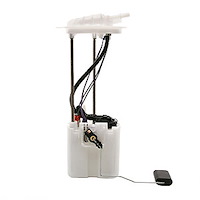
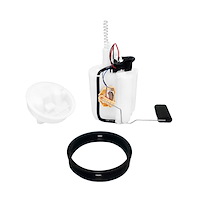
- Hanger assemblies drop into the tank as one unit with the pump and pickup.
- OE-style fuel feed units restore factory-correct fit on stock-appearing builds.
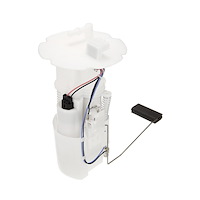
Mount inline pumps low and close to the tank, and protect the inlet with one of our fuel filters. Inline options include the Aeromotive High-Output Fuel Pump with 3/8" NPT ports. For a bolt-in in-tank pump, Aeromotive also offers the 340 LPH Stealth Fuel Pump & Hanger Assembly for 1982-1992 Camaro applications.
Diesel owners can also shop lift pumps that keep fuel flowing steadily to the injection pump.
EFI Fuel Pumps for Fuel Injection Swaps
An EFI fuel pump delivers the high, steady pressure that injectors need, well above what a carburetor can handle. A carbureted low-pressure pump can't support an injected engine, so plan on a high-pressure pump built for continuous duty.
If you're swapping to one of our fuel injection systems, plan the pump, regulator, plumbing and filtration together. Matching these parts up front prevents lean conditions and pressure swings once the engine is running.
FAST offers inline EFI fuel pumps along with electronic fuel pressure sensor kits that let you monitor pressure in real time. For a simpler conversion, the Edelbrock EFI Fuel Pump & Regulator Kit combines the pump and regulator in one package. In-tank and hanger-style pumps are also a smart fit for EFI because they're quieter and less prone to vapor lock.
Electric Fuel Pump Wiring, Relay and Rebuild Components
A dedicated wiring and relay kit keeps your electric fuel pump fed with full voltage. Running a pump off a factory circuit can cause voltage drop, which cuts flow and shortens pump life.
A fuel pump relay kit powers the pump through its own fused circuit, triggered by a switched ignition source. Options include Aeromotive 30 amp fuel pump wiring kits, MagnaFuel relay harnesses and universal relay and wiring kits. Add vibration damper mounting kits and T-bolt clamps to quiet the pump and secure your lines.
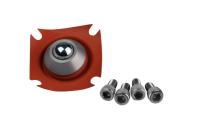
When a pump starts to wear, you can often rebuild it instead of replacing it. Edelbrock Quiet-Flo rebuild kits fit 120 GPH series pumps, Mallory seal kits refresh worn seals, and MagnaFuel cam ring assemblies service internal wear. Keep your system healthy with these carburetor and fuel system maintenance and tuning tips.

ADD A VEHICLE TO GUARANTEE PARTS FIT
See products that fit

ADD A VEHICLE TO GUARANTEE PARTS FIT
See products that fit
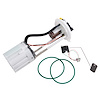
EDELBROCK
E-Force Supercharger Supplemental Fuel Pump Kit 2007-2009 GM 1500 Trucks 4.8L 5.3L Gen IV
Part Number: 350-15781
 Ships on 12/02/2026Free shipping
 Lowest price guarantee
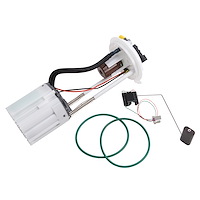
EDELBROCK
E-Force Supercharger Supplemental Fuel Pump Kit 2007-2009 GM 1500 Trucks 4.8L 5.3L Gen IV
Part Number: 350-15781
Ships on 12/02/2026Free shippingLowest Price Guarantee
AEROMOTIVE
11196 Pro-Series Spur Gear External In-Line Fuel Pump Signature Housing, Variable Speed Brushless Motor, 5.0 GPM
Part Number: 027-11196
Ships TodayLowest price guarantee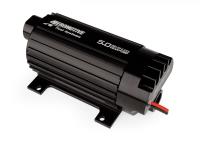
AEROMOTIVE
11196 Pro-Series Spur Gear External In-Line Fuel Pump Signature Housing, Variable Speed Brushless Motor, 5.0 GPM
Part Number: 027-11196
Ships TodayLowest Price Guarantee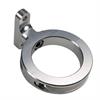
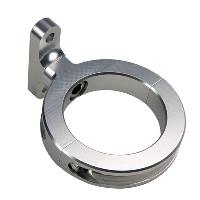
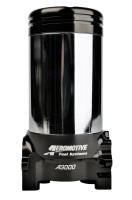

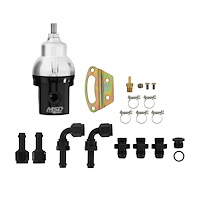
AEROMOTIVE
Pro-Series Spur Gear External In-Line Fuel Pump Signature Housing, Variable Speed Brushless Motor, 3.5 GPM
Part Number: 027-11195
Ships TodayLowest price guarantee
AEROMOTIVE
Pro-Series Spur Gear External In-Line Fuel Pump Signature Housing, Variable Speed Brushless Motor, 3.5 GPM
Part Number: 027-11195
Ships TodayLowest Price Guarantee
AFE POWER
42-13031 DFS780 Fuel Pump (Full-time Operation) Ford Diesel Trucks 08-10 V8-6.4L (td)
Part Number: 048-42-13031
Ships TodayLowest price guarantee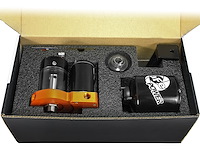
AFE POWER
42-13031 DFS780 Fuel Pump (Full-time Operation) Ford Diesel Trucks 08-10 V8-6.4L (td)
Part Number: 048-42-13031
Ships TodayLowest Price Guarantee
AEROMOTIVE
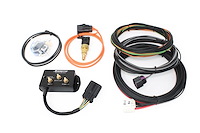
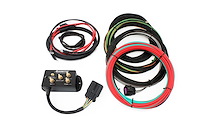
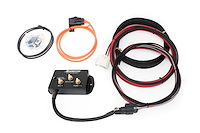
Returnless Pulse Width Modulation Controller Kit for ZL1 Style Fuel Pump Modules
Part Number: 027-66136
Ships TodayLowest price guarantee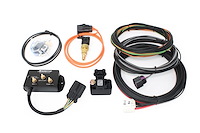
AEROMOTIVE
Returnless Pulse Width Modulation Controller Kit for ZL1 Style Fuel Pump Modules
Part Number: 027-66136
Ships TodayLowest Price Guarantee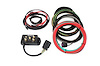

AEROMOTIVE
Phantom Series 340 LPH Direct Drop-In Single Fuel Pump for 1999-2002 Chevy Camaro
Part Number: 027-19101
Ships TodayLowest price guarantee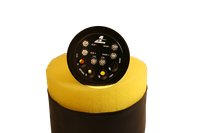
AEROMOTIVE
Phantom Series 340 LPH Direct Drop-In Single Fuel Pump for 1999-2002 Chevy Camaro
Part Number: 027-19101
Ships TodayLowest Price Guarantee
Frequently Asked Questions About Electric Fuel Pumps
Do Carbureted Cars Need a Fuel Pump?
Yes, most carbureted cars need a fuel pump to move fuel from the tank to the carburetor. Many older vehicles use engine-driven mechanical fuel pumps, while many performance builds switch to an electric pump for more volume.
Can You Run an Electric Fuel Pump With a Mechanical Fuel Pump?
Yes, some builders use an electric pump near the tank to push fuel to a mechanical pump. The electric pump must flow freely through the mechanical pump without exceeding your carb's pressure limit. In most cases, running one pump sized for your engine is simpler and more reliable.
Where Should an Electric Fuel Pump Be Mounted?
Mount an electric fuel pump low and close to the tank, ideally below the fuel level. Electric pumps push fuel better than they pull it, so a rear-mounted pump reduces the risk of cavitation and vapor lock. Keep it away from exhaust heat and run a filter ahead of the inlet.
Do I Need a Fuel Pressure Regulator With an Electric Fuel Pump?
You need a regulator when your pump's output pressure is higher than your carburetor or injectors require. EFI systems use a regulator to hold pressure steady, and higher-output carb pumps need one to protect the needle and seat. Learn more in our guide on how to choose the right fuel pressure regulator for EFI or carb.
How Long Does an Electric Fuel Pump Last?
An electric fuel pump can last for years with clean fuel, proper voltage and a good filter. Common signs of failure include hard starting, sputtering under load, power loss at high RPM and a louder-than-normal whine. Check fuel pressure and voltage at the pump before replacing it, since wiring problems can cause the same symptoms.