


 Order Status & Returns
 Gift Cards
 Help Center
 1-800-345-4545
High-Performance Carburetors
High-performance carburetors deliver the fuel and air your engine needs to make power, whether you're building a daily street car or a weekend racer. This category covers 2-barrel and 4-barrel designs across a wide CFM range, with vacuum secondary and mechanical secondary options to match your combination. Shop here to compare trusted brands, find the right airflow for your engine, and add the spacers, tuning, and rebuild parts you need.
Show More
Shop High-Performance Carburetors by Brand
JEGS carries high-performance carburetors from the brands builders trust for street and strip. Each maker brings a different strength, so your pick often comes down to tuning style and parts support. Holley carburetors are known for a modular design and wide jetting availability, while Edelbrock carburetors are popular for out-of-the-box drivability with little tuning.
Here's a quick look at the brands you'll find in this carburetor category:
- Holley: modular 4-barrel designs with wide parts and jetting support
- Edelbrock: street-friendly carburetors tuned for easy starts and steady idle
- Demon Carburetion: race-focused designs with highly tunable circuits
- Quick Fuel: billet metering blocks and adjustable air bleeds for precise tuning
- JET Performance: calibrated units matched to specific engine combinations
- JEGS: value-priced Street Fighter carburetors for common small-block and big-block setups
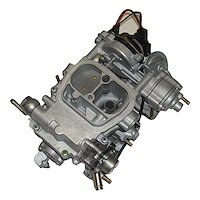
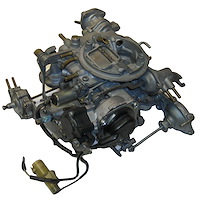
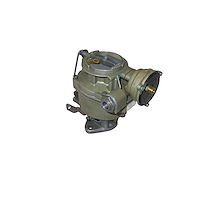
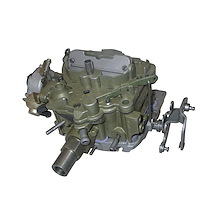
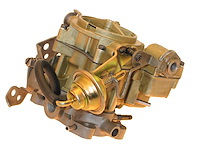
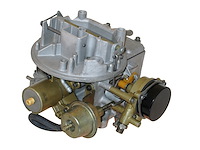
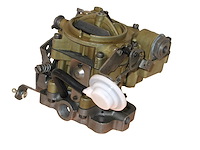
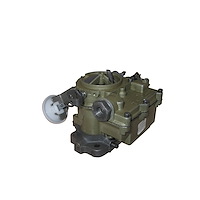
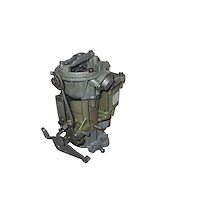
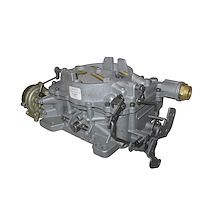
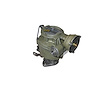
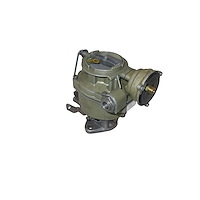
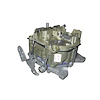
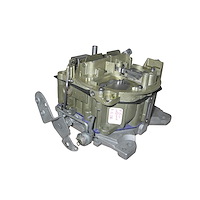
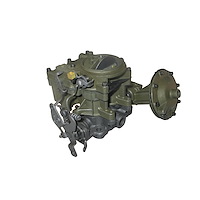
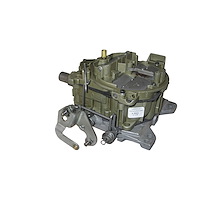
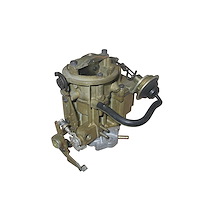
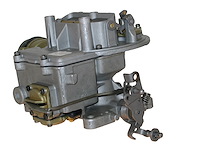
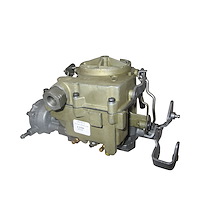
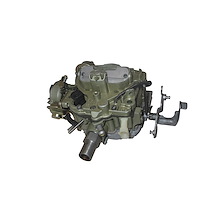
- UREMCO: remanufactured carburetors for OEM-style replacement
How to Choose the Right Carburetor CFM
Carburetor CFM measures the airflow a carburetor can supply, and matching it to your engine sets your throttle response and top-end power. Too much CFM can soften low-speed drivability, while too little can choke a high-rpm build. A common starting point multiplies engine displacement by peak rpm, then divides by 3,456 to estimate the airflow a naturally aspirated engine can use.
This category spans roughly 500 to 1650 CFM, so there's room for mild and serious combinations. A street small-block driven daily often lands in the 500 to 650 CFM range for crisp response. Larger street and strip engines usually step up to 650 to 850 CFM, and big-inch race combinations can use 950 CFM and beyond. Match the number to your displacement, camshaft, and how you actually drive the car, since a right-sized unit beats an oversized one.
2-Barrel vs. 4-Barrel and Secondary Types
The difference between a 2-barrel and a 4-barrel comes down to how many throttle bores feed the engine and when they open. A 2-barrel carburetor runs two bores for simple, steady fuel delivery, which suits mild engines and stock-style rebuilds. A 4-barrel adds a second pair of bores, called secondaries, that open under load for extra airflow and power.
How those secondaries open shapes how the car drives. Vacuum secondaries open gradually based on engine demand, which makes them forgiving on the street and easy to tune for heavier vehicles. Mechanical secondaries, often called a double pumper, open on a direct linkage for an immediate hit of fuel, which fits lighter cars and aggressive combinations. If you're unsure what you already have, read our guide on how to identify a Holley carburetor before you order parts.
Carburetor Spacers, Tuning Components & Accessories
A carburetor rarely works alone, so plan for the supporting parts that complete the setup. Carburetor spacers sit between the carb and intake manifold to change plenum volume and runner length. That shift can move where your engine makes power and help manage heat. Carburetor tuning components let you dial in the calibration for your combination and altitude.
Common service parts include jets, metering blocks, accelerator pump cams, power valves, and float bowl gaskets. You'll also want the fittings, fuel lines, linkage, and air cleaner that connect everything and keep it sealed. Start with the parts that match your carburetor family, since Holley and Edelbrock platforms use different components. Building a complete list up front saves return trips and helps your new carburetor run right on the first start.
Remanufactured and Replacement Carburetors
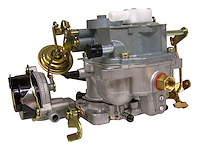
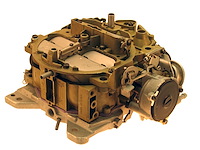
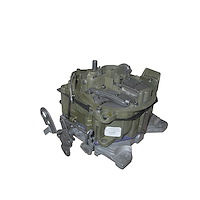
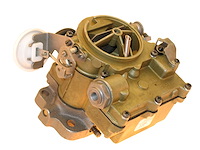
If you're restoring a vehicle or replacing a worn unit, remanufactured and OEM-style carburetors offer a bolt-on path back to stock performance. UREMCO remanufactured carburetors rebuild original cores to factory specifications, which suits Rochester and Motorcraft applications on classic cars and trucks. These units restore the correct fitment, linkage, and calibration for your engine without custom tuning.
A remanufactured carburetor can be the simpler choice when you want a known-good part rather than sourcing every small piece yourself. Rebuilding your existing carburetor is another route, and it makes sense when the core is sound and you want to keep numbers-matching parts. That path takes time, a clean workspace, and attention to detail on gaskets and adjustments. To weigh the two options, read our overview of the pros and cons of carburetor rebuild kits before you decide.

ADD A VEHICLE TO GUARANTEE PARTS FIT
See products that fit

ADD A VEHICLE TO GUARANTEE PARTS FIT
See products that fit

 Lowest price guarantee



Frequently Asked Questions About High-Performance Carburetors
Are aftermarket carburetors street legal?
It depends on where you live and how the part is classified. Many aftermarket carburetors are sold for off-road or race use only, while others are designed as direct replacements for street vehicles. Check your state and local emissions rules, and review the product listing for any application or emissions notes before you buy.
Do performance carburetors need tuning after installation?
Usually, yes. Most carburetors ship with a baseline calibration that gets you running, but your engine, elevation, and driving style affect the final settings. Plan to check idle mixture, jetting, and the accelerator pump so the carburetor runs clean and responds well.
How often should a carburetor be cleaned or rebuilt?
There's no fixed schedule, since it depends on fuel quality, storage, and how often you drive. Many enthusiasts clean or rebuild when they notice hard starting, rough idle, or hesitation. If a vehicle sits for long periods, ethanol-blended fuel can leave deposits that call for more frequent service.
Can I convert a carburetor to fuel injection later?
Yes, many carbureted engines can move to EFI with a throttle body or port injection kit. The swap adds fuel pump, wiring, and sensor requirements, so plan the full system before you start. For a breakdown of what the job involves, read our guide on changing a carburetor to fuel injection.
Will a new carburetor bolt onto my existing intake manifold?
That depends on the mounting flange. Most 4-barrel carburetors use a common square-bore or spread-bore pattern, so confirm your manifold matches before ordering. If the patterns differ, an adapter or a new intake can solve it, and you can compare options in our intake manifolds category.