


 Order Status & Returns
 Gift Cards
 Help Center
 1-800-345-4545
Carburetor Tuning Components - Jets, Kits & Parts
Carburetor tuning components let you match your carburetor to your engine's fuel needs across idle, cruise, and wide-open throttle. This category carries main jets, power valve assemblies, accelerator pump parts, needle and seat assemblies, air bleeds, metering block gaskets, and rebuild kits. Shop here for proven parts from Holley, Edelbrock, Quick Fuel, Mr. Gasket, Demon Carburetion, and JEGS that fix bogging and flat spots.
Show More
What Are Carburetor Tuning Components?
Carburetor tuning components are the individual parts you swap or adjust to match your carburetor to your engine's fuel demand. They let you correct the air-fuel mixture at idle, part throttle, cruise, and wide-open throttle. When these parts are dialed in, you get crisp throttle response and a steady idle instead of bogging or flat spots.
Here are the core part types you'll find in this category:
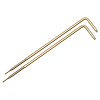
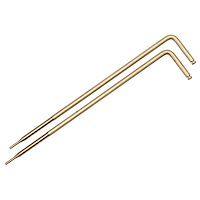
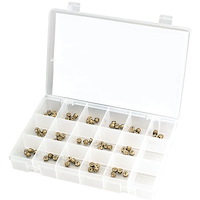
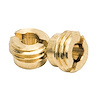
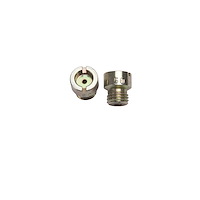
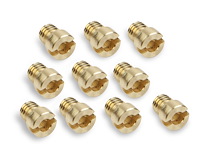
- Main jets in gas and alcohol versions, plus jet plates and hex-head pro-jets for quick changes
- Power valve assemblies that add fuel under load
- Accelerator pump nozzles and gaskets for off-idle response
- Needle and seat assemblies that control fuel level in the bowl
- Air bleeds that fine-tune the idle and main circuits
- Metering block gaskets, accelerator pump covers, and idle mixture screw gaskets
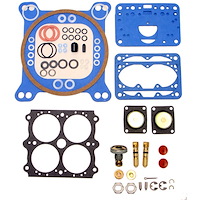
- Master and rebuild kits that bundle the wear parts you need in one box
You'll also find related carburetor components for jobs that go beyond tuning.
How To Tune A Carburetor With Jets And Metering Parts
You tune a carburetor by matching each circuit to the fuel your engine wants at a given throttle opening. Start with the main jets, since they control fuel delivery at cruise and wide-open throttle. Go up a jet size if the engine runs lean and surges, or down a size if it runs rich and blubbers.
Air bleeds work alongside the jets to shape the idle and main circuits, so small changes there sharpen the transition between them. Read your spark plugs and watch your air-fuel gauge to confirm each change before you move on. Change one thing at a time so you can tell what actually helped.
If you're still choosing a carb, our guide on how to choose a carburetor walks through sizing. Then compare performance carburetors once you know your target.
What A Power Valve And Accelerator Pump Do
A power valve adds extra fuel when engine vacuum drops under load, while the accelerator pump squirts fuel the instant you open the throttle. Together they cover the gaps that the idle and main jets can't fill on their own.
The power valve opens at a set vacuum rating, so picking the right one keeps the engine from going lean during hard acceleration. The accelerator pump nozzle and cam control how much fuel is delivered and how fast, which is what kills the stumble right off idle. If your throttle tip-in feels soft, a larger nozzle or a quicker cam usually sharpens it.
Step-up springs do a similar job on some carburetors, staging enrichment as load climbs. These parts work with the linkage in your carburetor chokes and cables to keep cold and warm starts predictable.
Choosing A Carburetor Rebuild Or Tuning Kit
Choose a carburetor rebuild or tuning kit based on how much you want to change at once and which brand of carburetor you run. A master or rebuild kit bundles the gaskets, needle and seat, and pump parts you need to refresh a tired carb in one job.
A tuning kit leans toward jets, power valves, and springs so you can re-calibrate without full disassembly. Match the kit to your brand, since Holley, Edelbrock, Quick Fuel, Demon Carburetion, and Mr. Gasket parts aren't always interchangeable. Check the model and bore size printed on your carb before you order so the internals line up.
JEGS-brand kits and components give you a budget-friendly option alongside the name brands. Pair a fresh kit with matched intake manifolds and carburetor spacers when you want the whole air path working together.
Setting Idle Mixture And Fixing Bogging
Set idle mixture by turning the idle mixture screws in small, even steps until the engine idles at its highest steady vacuum. If the idle wanders or loads up at a stop, check the mixture screws and a clean idle circuit first.
Bogging under acceleration usually points to the accelerator pump or a lean spot, not the idle. A worn needle and seat lets the fuel level drift, which shows up as flooding or a lean stumble depending on how it fails. Replace it if your float level won't hold, then re-check the idle.
Steady fuel supply matters too, so confirm your fuel pumps and regulators deliver the right pressure before you chase a tuning problem. Our guide to the best performance fuel pumps for carbureted engines covers pressure and volume for street-driven and race setups.

ADD A VEHICLE TO GUARANTEE PARTS FIT
See products that fit

ADD A VEHICLE TO GUARANTEE PARTS FIT
See products that fit



PROFORM
Billet Metering Block For Holley 4150 Series Carburetors, Race-Oriented Calibration
Part Number: 778-67150C
 Ships Today
 Lowest price guarantee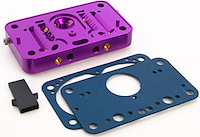
PROFORM
Billet Metering Block For Holley 4150 Series Carburetors, Race-Oriented Calibration
Part Number: 778-67150C
Ships TodayLowest Price Guarantee
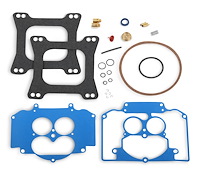




![17705.02 Carburetor Service Kit for 1955-1971 Jeep CJ [134 CI with F-Head for Solex 1-Barrel]](https://www.jegs.com/images/mini_100/400/440/440-17705.02.jpg)
OMIX-ADA
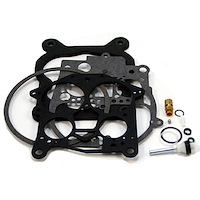
17705.02 Carburetor Service Kit for 1955-1971 Jeep CJ [134 CI with F-Head for Solex 1-Barrel]
Part Number: 440-17705.02
Ships on 11/24/2026Lowest price guarantee![17705.02 Carburetor Service Kit for 1955-1971 Jeep CJ [134 CI with F-Head for Solex 1-Barrel]](https://www.jegs.com/images/mini_200/400/440/440-17705.02.jpg)
OMIX-ADA
17705.02 Carburetor Service Kit for 1955-1971 Jeep CJ [134 CI with F-Head for Solex 1-Barrel]
Part Number: 440-17705.02
Ships on 11/24/2026Lowest Price GuaranteeFrequently Asked Questions About Carburetor Tuning Components
How Do I Know If My Carburetor Needs Tuning?
Watch for symptoms like a rough idle, hesitation when you hit the gas, black smoke, fouled spark plugs, or poor fuel mileage. Hard starting and surging at cruise are common signs too. A wideband air-fuel gauge confirms whether you're running rich or lean so you can target the right circuit.
Are Carburetor Tuning Components Brand-Specific (Holley Vs Edelbrock)?
Yes, most tuning parts are designed for a specific carburetor family. Holley, Edelbrock, Quick Fuel, and Demon Carburetion each use their own jets, power valves, and gaskets, so they generally aren't interchangeable. Check your carburetor's brand and model before ordering, and match the part number to your exact unit.
Do I Need Special Tools To Tune A Carburetor?
Most jet and power valve changes need only basic hand tools, a screwdriver, and a set of wrenches. A vacuum gauge and a wideband air-fuel meter make the job far more precise. Jet plates and hex-head pro-jets are built for quick changes with common tools.
Can Tuning Components Improve Fuel Economy?
They can, since a carburetor running too rich wastes fuel at idle and cruise. Correct jetting, a properly rated power valve, and a clean idle circuit help the engine burn only the fuel it needs. Gains depend on your starting point and how far off the calibration was.
How Much Do Carburetor Tuning Components Cost?
Cost depends on what you need. Individual pieces like jets, gaskets, and needle and seat assemblies are inexpensive, while complete master and rebuild kits cost more because they bundle many parts. Shop this category to compare current pricing across brands and part types.