Sign up now to join the JEGS email newsletter and be the first to learn about new products, special deals and e-mail only offers!

 2 People Found This Article Helpful


A reliable fuel delivery system is essential for any performance engine. Whether you are running a carbureted street machine, a weekend drag car, or a full race build, the fuel pump plays a critical role in keeping the engine supplied with the fuel it needs. Choosing the best performance fuel pump ensures consistent fuel pressure, proper flow, and dependable engine performance under load.
If the fuel pump cannot keep up with engine demand, the engine may run lean, lose power, or even suffer internal damage. Understanding the differences between fuel pump types will help you choose the right option for your setup.
As horsepower increases, the engine consumes more fuel. High performance carbureted engines and racing engines require higher fuel flow than stock systems can provide.
During hard acceleration, sustained high rpm, or wide open throttle operation, fuel demand rises quickly. A properly sized performance fuel pump ensures the carburetor receives steady fuel supply so the engine maintains correct air and fuel ratios.
Inadequate fuel delivery can lead to hesitation, power loss, detonation, and overheating.

Mechanical fuel pumps are a popular choice for many carbureted street engines. These pumps are driven by the engine through a camshaft eccentric and provide reliable fuel delivery without the need for electrical wiring.
High performance mechanical pumps offer improved flow compared to factory pumps. They are commonly used on street performance engines that produce moderate horsepower levels.
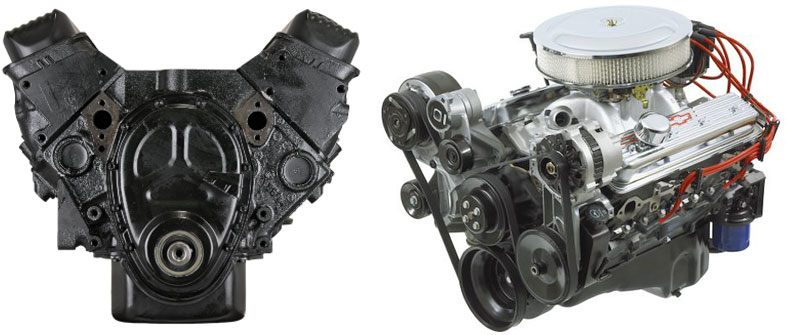
Manufacturers such as Holley and Edelbrock produce performance mechanical fuel pumps designed for carbureted engines. These pumps are easy to install and work well for traditional V8 builds such as small block Chevy, big block Chevy, and Ford performance engines.
Mechanical pumps are typically best suited for engines that operate within moderate horsepower ranges.

Electric fuel pumps are commonly used in higher horsepower engines and racing applications. These pumps operate independently of engine speed and can deliver consistent fuel pressure and higher flow rates.
Electric pumps are typically mounted near the fuel tank and push fuel toward the engine. This design helps maintain stable fuel pressure even during aggressive acceleration.
Performance electric fuel pumps from brands such as Holley, Aeromotive, and Mallory are widely used in street performance and racing applications. These pumps are capable of supporting higher horsepower engines and larger carburetors.
Electric pumps also make priming the fuel system easier, which can improve cold starts after the vehicle has been sitting.

Sign up now to join the JEGS email newsletter and be the first to learn about new products, special deals and e-mail only offers!
Selecting the correct fuel pump requires understanding both fuel flow and pressure requirements.
Carbureted engines typically operate at lower fuel pressure than fuel injected engines. Most carburetors require fuel pressure in the range of about 5 to 7 psi.
Fuel flow capacity must also match engine horsepower. Higher horsepower engines require more gallons per hour of fuel flow to maintain proper fuel supply.
Using a fuel pressure regulator helps maintain consistent pressure at the carburetor and prevents flooding or fuel starvation.

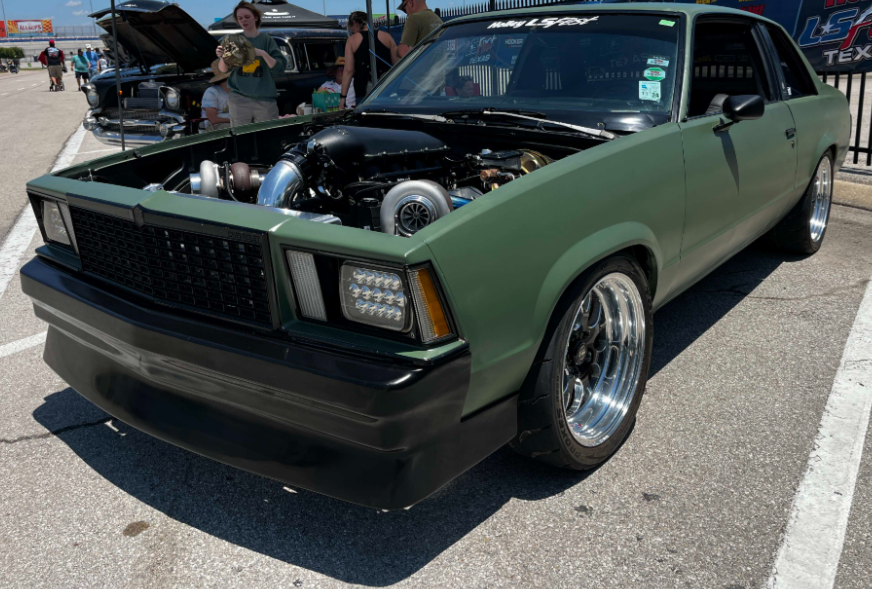
Drag racing and high horsepower engines often require larger electric fuel pumps capable of supporting extreme fuel demand. High flow electric pumps combined with larger fuel lines and high capacity fuel filters are common in these builds.
Performance fuel system components from companies like Aeromotive and Holley are frequently used in serious racing applications because of their ability to deliver stable fuel flow under heavy load.
A properly designed fuel system may also include a return style regulator to maintain consistent pressure during high rpm operation.

The fuel pump is only one part of the fuel delivery system. Fuel lines, filters, regulators, and fuel tanks must also be capable of supporting the engine's fuel demand.
High performance builds often benefit from larger diameter fuel lines and high flow fuel filters. Proper routing and mounting help prevent fuel starvation during acceleration.
Ensuring that the entire system works together is the best way to maintain reliable fuel delivery.

Selecting the best performance fuel pump for carbureted and racing engines helps ensure consistent fuel delivery and reliable engine performance. Whether you need a high performance mechanical pump for a street engine or a high flow electric pump for racing, choosing quality components makes a difference.
At www.jegs.com, you will find performance fuel pumps, fuel pressure regulators, filters, fuel lines, and complete fuel system components from trusted brands such as Holley, Aeromotive, Edelbrock, and Mallory.
If you need help selecting the right fuel pump for your carbureted or racing engine, the JEGS Tech Specialists are available to help you choose the correct components for your horsepower level and performance goals.




Leave a Reply