


 Order Status & Returns
 Gift Cards
 Help Center
 1-800-345-4545
Fuel Injection Systems, EFI Kits & Components
Fuel injection systems replace a carburetor with electronically controlled fuel delivery for more consistent starts, idle, and power across the rev range. This category covers complete EFI conversion kits, throttle body and multiport setups, plus the injectors, throttle bodies, fuel rails, and high-pressure pumps that support them. You'll find aftermarket fuel injection from FiTech, Holley, FAST, and Edelbrock sized for mild street builds up to high-horsepower engines.
Show More
What Are Aftermarket Fuel Injection Systems?
Aftermarket fuel injection systems use sensors and a computer to meter fuel electronically, replacing the fixed jetting of a carburetor. Electronic fuel injection adjusts the air-fuel mixture in real time, which improves cold starts, idle quality, and throttle response as conditions change.
Most enthusiasts move to EFI for drivability and repeatable performance, while some keep a carburetor for its simplicity and lower upfront cost. If you're weighing the swap, our carburetor vs fuel injection guide breaks down the tradeoffs in cost, tuning, and maintenance.
You can still shop carburetors and accessories if you plan to stay carbureted. If you're going electronic, read our complete guide to fuel injection to see how the parts work together before you buy. A stock EFI conversion can also be upgraded later with larger injectors or a bigger throttle body as your build grows.
TBI vs. Multiport Fuel Injection
The main difference between throttle body injection and multiport injection is where fuel enters the engine. Throttle body injection (TBI) mounts one or two injectors in a central throttle body above the intake. Multiport injection places one injector at each cylinder's intake port for more even fuel distribution.
Here's how the two compare when you're choosing a system for your build:
- Throttle body injection (TBI): bolts on much like a carburetor, installs quickly, and suits mild street engines that want easier starts and a steadier idle.
- Multiport (port) injection: one injector per cylinder delivers precise fuel metering, sharper throttle response, and headroom for higher-horsepower and forced-induction builds.
- Intake requirements: port injection mounts injectors in the manifold, so confirm your setup with the right intake manifolds before you buy.
- Tuning effort: TBI kits are often self-tuning out of the box, while multiport systems reward careful mapping to get the most from that control.
Choose TBI for a straightforward, carburetor-style upgrade, or step up to multiport when you want finer fuel control and more power on a built engine.
How to Choose an EFI Conversion Kit
Start by matching the EFI conversion kit to your engine's horsepower and how you drive. Kits list a supported horsepower range and a maximum airflow rating, so pick one with headroom above your current output.
Many self-tuning kits learn from a wideband oxygen sensor and set the base fuel map for you, which reduces laptop tuning. Confirm the kit includes, or works with, a high-pressure fuel pump and return-style lines rated for EFI pressure. You can add a matching pump from our fuel pumps, regulators, and filters selection.
Also check whether your kit runs a return or returnless fuel system, since that affects the lines and regulator you need. Decide if you want built-in ignition control, which lets the ECU manage timing alongside fuel. For forced-induction or nitrous builds, look for a kit rated to handle boost so it can add fuel under load.
What Parts Make Up a Fuel Injection System?
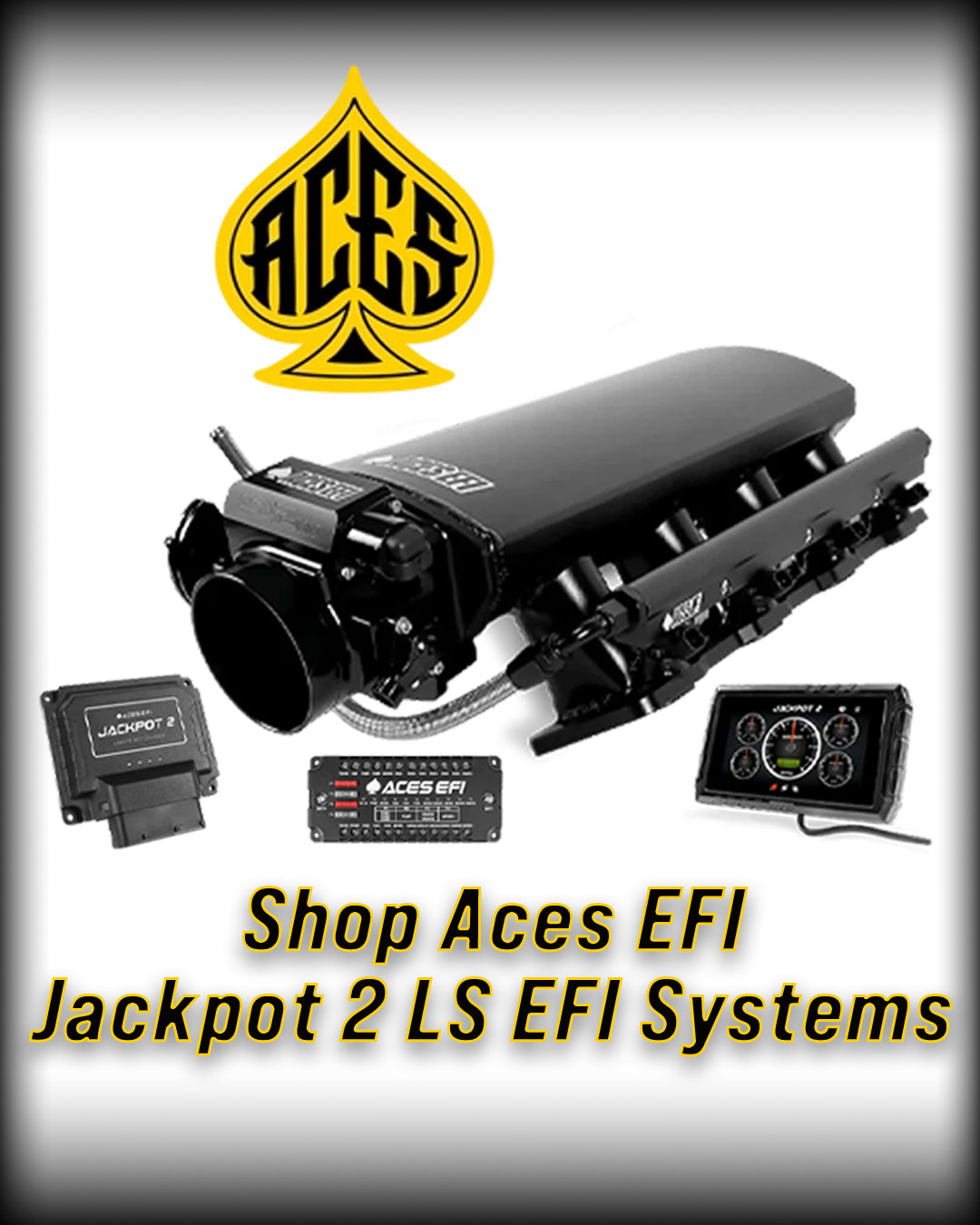
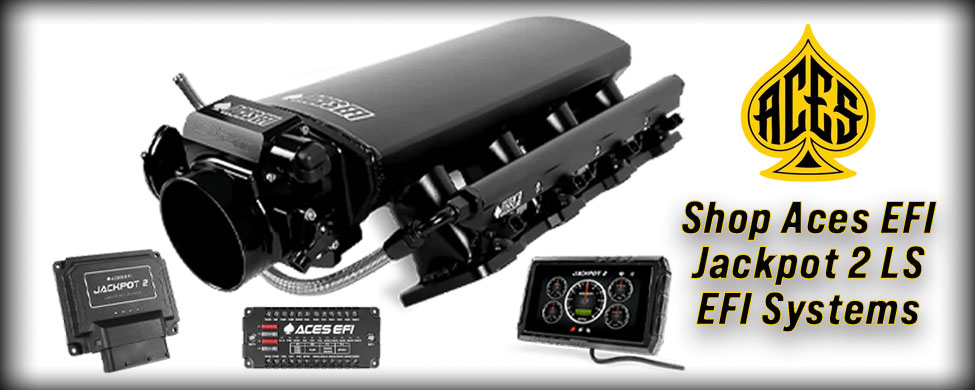
A complete fuel injection system combines the parts that deliver, meter, and control fuel. These are the core components you'll shop when building or repairing an EFI setup:
- Fuel injectors: sized by flow rate in lb/hr or cc/min to match your engine's fuel demand.
- Throttle bodies: control airflow into the engine and house the throttle plates.
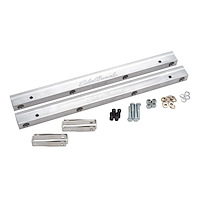
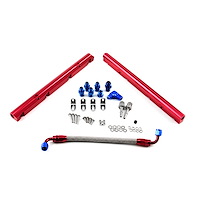
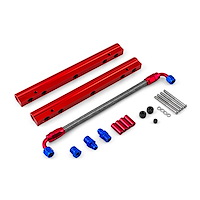
- Fuel rails: distribute pressurized fuel evenly to each injector.
- Fuel injection system components: sensors, wiring, and controllers that tie the system together.
Match injector flow to your target power so the system supplies enough fuel without running rich at idle. If you're replacing a single part rather than the whole setup, order components that match your existing rail spacing, injector connector type, and fuel pressure.

ADD A VEHICLE TO GUARANTEE PARTS FIT
See products that fit


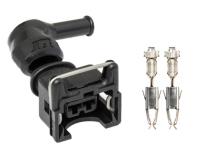
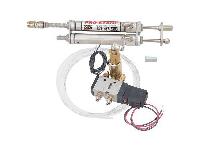

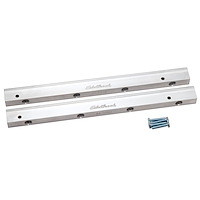

FEL-PRO
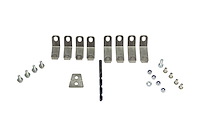
PLENUM GASKET SET 2004-1996 GMT L/D V6 262CI 4.3L Chevrolet 2001-1997 IST L/D V6 262CI 4.3L Chevrolet
Part Number: 375-MS95816
 Ships Today
 Lowest price guarantee
FEL-PRO
PLENUM GASKET SET 2004-1996 GMT L/D V6 262CI 4.3L Chevrolet 2001-1997 IST L/D V6 262CI 4.3L Chevrolet
Part Number: 375-MS95816
Ships TodayLowest Price Guarantee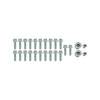
HOLLEY
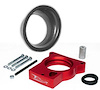
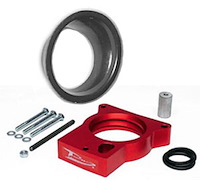
300-927 Installation Hardware for Hi-Ram, Ultra Lo-Ram Modular Intake Manifold Plenum Tops for Ford Coyote Engines (Natural)
Part Number: 510-300-927
Ships on 12/15/2026Lowest price guarantee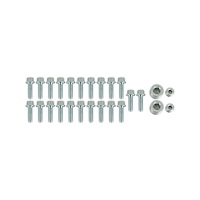
HOLLEY
300-927 Installation Hardware for Hi-Ram, Ultra Lo-Ram Modular Intake Manifold Plenum Tops for Ford Coyote Engines (Natural)
Part Number: 510-300-927
Ships on 12/15/2026Lowest Price Guarantee

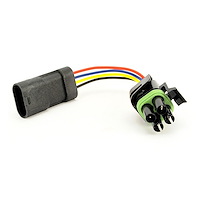
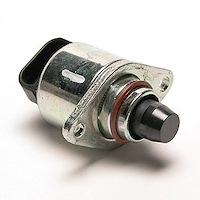
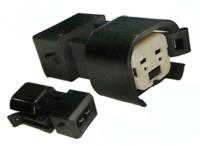
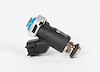
ACDELCO
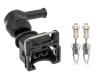
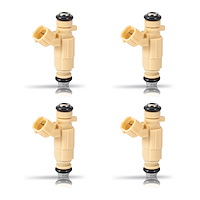
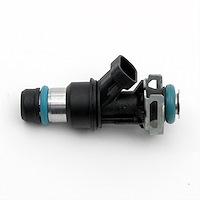
Fuel Injector for Select 2009-2010 GM Trucks/Vans/SUVs with 6.0L Engine
Part Number: 065-217-3347
Ships TodayLowest price guarantee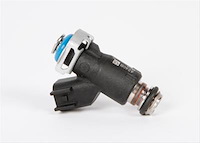
ACDELCO
Fuel Injector for Select 2009-2010 GM Trucks/Vans/SUVs with 6.0L Engine
Part Number: 065-217-3347
Ships TodayLowest Price Guarantee


Frequently Asked Questions About Fuel Injection Systems
How much does it cost to convert a carburetor to EFI?
A self-tuning throttle body EFI conversion kit typically covers a mild-to-moderate street engine and installs in a weekend. Budget extra for a high-pressure fuel pump, return-style fuel lines, and a bung for the oxygen sensor if they aren't in the kit. Check each product page for the exact contents so you know what still needs sourcing.
Are aftermarket fuel injectors as good as OEM?
Quality aftermarket injectors from established brands meet or exceed OEM flow accuracy and spray-pattern standards. The advantage is choice: you can select a higher flow rate to support added horsepower rather than being limited to the factory size. Always match injector flow to your engine's fuel demand and fuel pressure.
What is the average lifespan of a fuel injector?
Fuel injectors commonly last 50,000 to 100,000 miles, and many run longer with clean fuel and regular filter changes. Ethanol-blended fuel and debris are the main causes of clogging or leaking injectors. Rough idle, misfires, or poor fuel economy can signal an injector that needs cleaning or replacement.
Do I need a high-pressure fuel pump for EFI?
Yes. Most EFI systems need a high-pressure fuel pump supplying roughly 43 to 60 psi, far above a carbureted engine's 5 to 7 psi. Use a return-style regulator to hold pressure steady, and see our guide on how to adjust a Holley fuel pressure regulator to dial it in.
Which aftermarket fuel injection brands does JEGS carry?
JEGS stocks fuel injection systems and components from FiTech, Holley, FAST, and Edelbrock, along with BBK, Jet Performance, Quick Fuel, and ACDelco. Each brand offers different kit styles, horsepower ranges, and tuning options. Compare supported horsepower and included parts to find the setup that fits your build.