Sign up now to join the JEGS email newsletter and be the first to learn about new products, special deals and e-mail only offers!

 94 People Found This Article Helpful
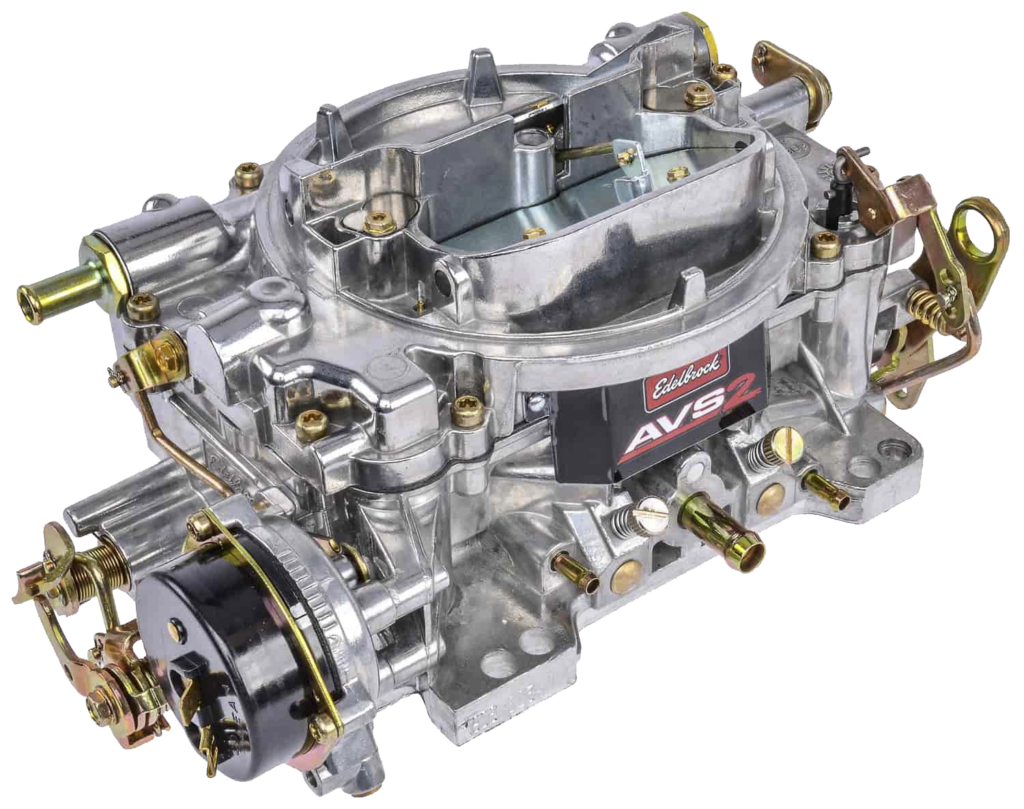
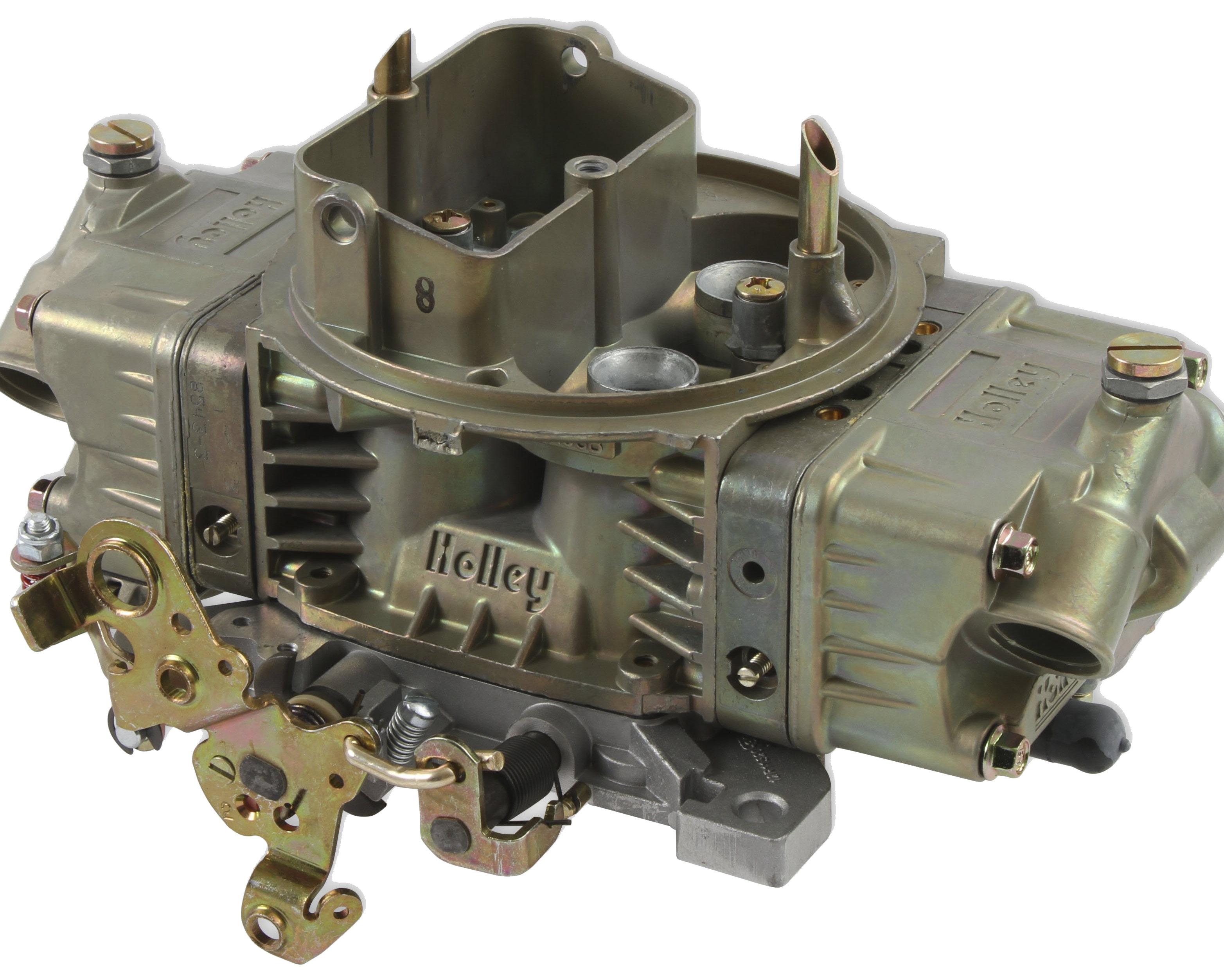

A carburetor is an engine component that sits on top of the intake manifold and controls the amount of fuel and air that enters the engine, helping it run. It maintains engine speed from driver input to the throttle blades via a cable and gas / accelerator pedal. It is important to choose a carburetor for your specific car or truck application. JEGS has many carburetors for sale to match your vehicle application and use.
The main function of the carburetor is to control engine speed from driver input to the throttle. It does this by controlling the amount of fuel and air that enters the engine. In addition, it meters fuel and air to transition from idle to part throttle and to wide open throttle smoothly.
Sign up now to join the JEGS email newsletter and be the first to learn about new products, special deals and e-mail only offers!
CFM, which stands for “cubic feet per minute” is the amount of air that can enter the throttle bores of the carburetor. The correct carburetor CFM size is based on the engine size, the maximum rpm the engine will be used at, and the main purpose of the vehicle, whether street or race use. The formula to calculate CFM size is (engine) cubic inches x (max engine) RPM x volumetric efficiency. Volumetric efficiency is the actual amount of air flowing into an engine vs the maximum it could flow based on calculation, shown as a percentage. As is it not easy to know exactly what your engine's VE percentage is, you will need to make an educated guess. We advise that your guess be "conservative" and realistic for the calculation. Most street engines have a volumetric efficiency of around 85%. A VE of 95% is considered extremely well-flowing. A highly-developed match of the intake passages, combustion chambers, exhaust passages, and valves through planning, machine work, and testing can put an engine at 100%-110%, such as in NHRA Top Fuel, Funny Car, and Pro Stock applications. Bigger is not always better as too big of a carburetor will hurt performance just as much as too small of a carburetor. Once you come up with the answer to the first part of the equation, it is then divided by “3456”. This is the number of cubic inches in a cubic foot (1728) times the number of revolutions (2) for a 4-stroke engine to fill and empty all of its cylinders. For example, a 350 CID engine with a max rpm of 6000 and an estimated volumetric efficiency of 85% is calculated as 350 x 6000 x .85 = 1,785,000, which is then divided by 3456. The answer is 516.49. The closest carburetor cfm available to that answer is your ideal carb size. If the engine will primarily be used on the street, a 500 CFM carb in this example would be ideal. If the engine will primarily be used for racing, a 550 CFM carburetor would be acceptable.
Below is a calculator to make it easy to select or confirm the correct carburetor CFM size:
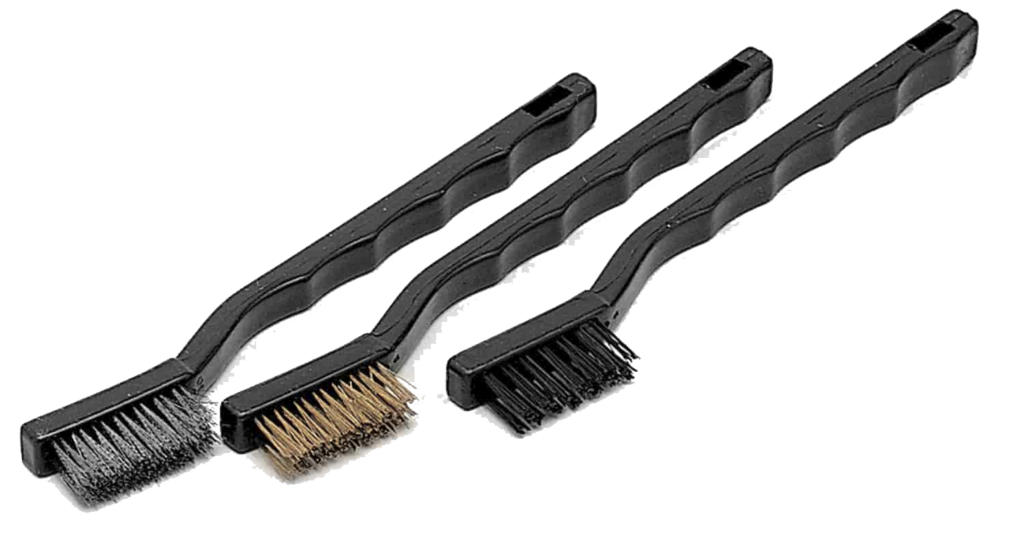
The best way to clean a carburetor is by using a brush to remove corrosion and buildup from the exterior and then spraying it with carburetor cleaner. This will remove most of the gunk from the outside of the carb. If you want to clean the inside of the carburetor, carefully take it apart, noting all of the pieces and the order they were removed to make reassembly easier. You can then use a brush and carburetor cleaner to clean the internal parts as needed.
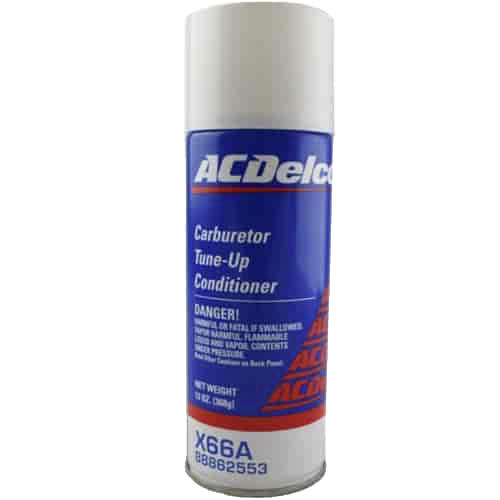
For many people, the best type of carb cleaner is the aerosol version which helps to clean hard-to-reach areas. JEGS offers carb cleaners to keep your carb looking good and help prevent it from gumming up. Having a straw included with the can of cleaner is a plus, or getting one to fit the nozzle if the cleaner doesn’t include it can help.
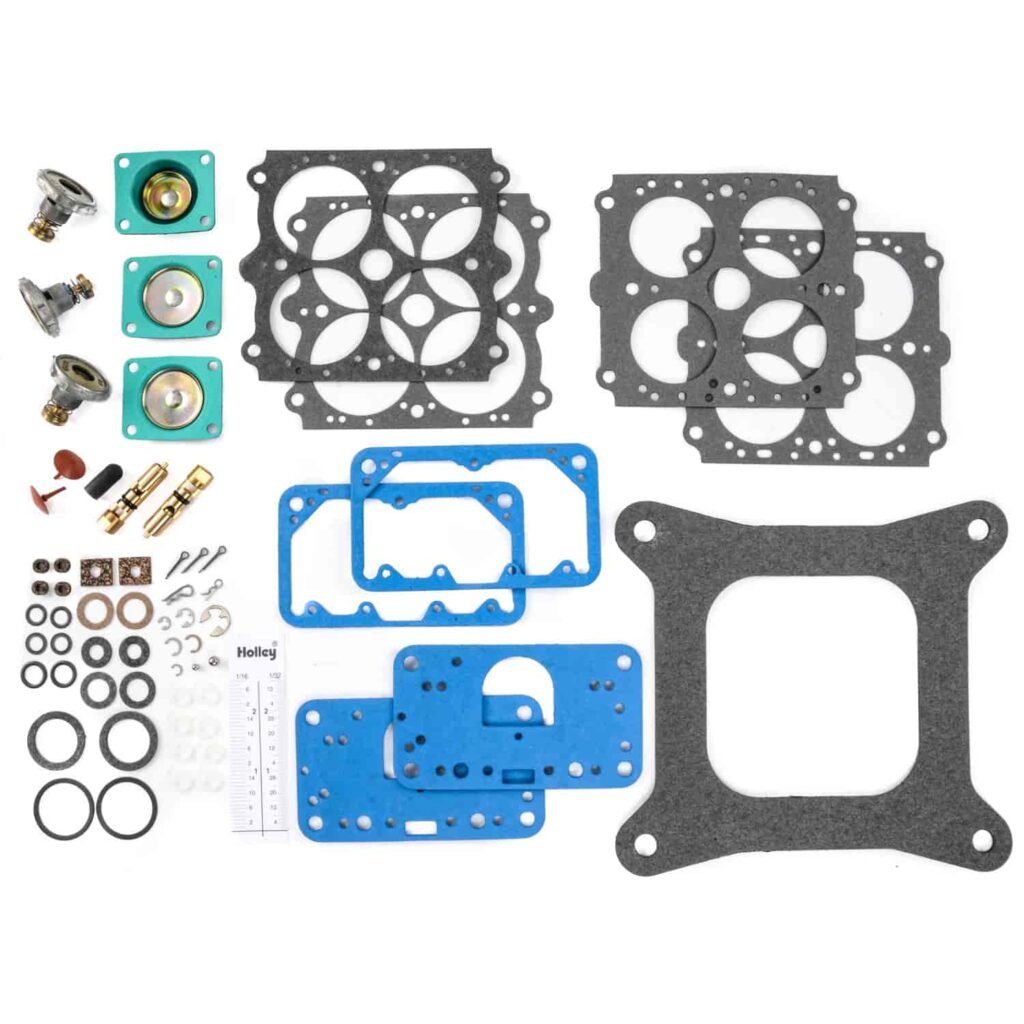
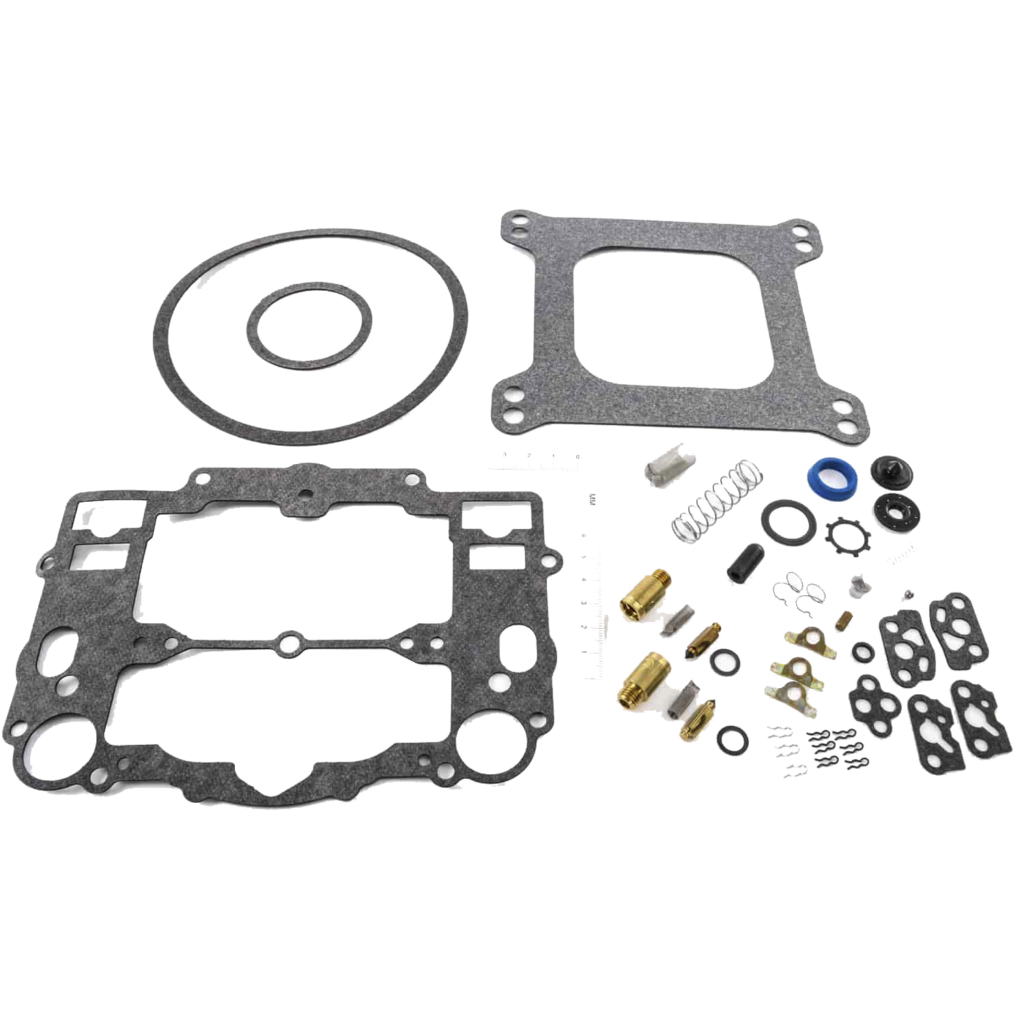
A carburetor rebuild kit typically includes all of the replaceable seals and gaskets needed to renew the carburetor performance and keep it leak-free. It can also include a power valve (for Holley applications), accelerator pump diaphragm, needle and seat, and additional components depending on the design of the carburetor (such as Edelbrock or Holley brands) and the kit.

i have a 383 stroker that been bored out not sure what the bore is i want to say 30may be even more cause the motor was in a mud racing truck that got water in it so the motor rebuilder had to bore it out cause it had rust pits in and then put over size pistons in it , it has a aftermarket cam mid-range more top-in then off the line , now i not sure ,sounds like should know a this but the guy gave me the motor rebuilt already except for carb, and the header . at the moment i have a holly snipe fuel injection on it but i am having to much trouble getting it set up and its fouling out my plugs cause i haven’t driven enough to get it self-programming , it in a 1950 f1 pickup and i have built this from the ground up trans is 4l80e and 9inch ford diff with 411 gears can you tell me if a 750 cfm is the right choice for this motor. i know what your going to say from reading all your reply you always look out for the customer and try get the best fix for least amount of money, and i can appreciate that but, i have been told by and seen it by buddy’s and others to get rid of the efi, and go with a 750 cfm , just dont know what set to go with i do very little driving to the car shows and most of the time i take it in a cargo hualer. i sure could use your help

John, honestly, with the combo you described, a 750 CFM carb is very reasonable for that 383. Between the stroker displacement, aftermarket cam, headers, and 4.11 gears, the engine can definitely use the airflow, especially if the cam is more mid-to-upper RPM oriented like you mentioned.
Since the truck sees limited street time and mostly short drives to shows, I can understand why the Holley Sniper EFI has been frustrating. Self-learning EFI systems really do need good runtime, stable sensors, proper fuel pressure, and enough drive cycles to dial themselves in. If it’s fouling plugs and not getting enough steady driving time, a carburetor can absolutely simplify things for your type of use.
For your setup, I’d lean toward a vacuum secondary 750 over a mechanical secondary carb unless the truck is primarily drag raced. A vacuum secondary setup tends to be more forgiving and easier to live with on a heavier street-driven vehicle, especially with a 4L80E.
One thing I would strongly recommend before switching is finding out as much as possible about that camshaft. Idle vacuum, approximate duration, and operating range make a huge difference in tuning both EFI and carburetors. A big cam with low vacuum can make both systems unhappy if not matched correctly.
Also, since the engine had water damage and was bored significantly, make sure the ignition system is healthy and the plugs are the correct heat range before blaming everything on the EFI. Rich conditions and fouled plugs can snowball quickly.
Your thinking really is not off base though. For a mostly show-and-cruise truck, a properly tuned carburetor is still a very solid option and often simpler than chasing EFI tuning issues on a radical engine combination.
If you want help narrowing down the right carb style and overall setup for that 383, give us a call at 1-800-345-4545 and a Tech Specialist can help match everything together properly.

Hello. I have a 13 b ported rotary engine . Right know I have a holly 660 run pretty good but I’m thinking changing the carburetor. Wish one you guys recommended me? Thank you.
Omar, on a ported 13B rotary you are already on the right track with a Holley 660, since rotaries like strong signal and quick fuel response. If you are looking to change carbs, most rotary builders stay with a Holley style square bore because they tune cleanly at high rpm and handle overlap from porting better than softer metering designs. A Holley 650 double pumper is a very common step and works well on street and street strip 13B setups, especially when ported, because it gives you mechanical secondaries and more precise accelerator pump control. Some builders also like the smaller Holley 500 series for tighter street manners, but once ported, many engines outgrow it on the top end. Moving to a Holley HP series carb is another option if you want better adjustability, improved boosters, and more consistent fuel control without going to fuel injection. In most cases, switching to an Edelbrock style carb is not recommended on a rotary since they tend to struggle with signal stability and high rpm fuel demand. To be completely accurate on sizing, it helps to know how aggressive the porting is, whether it is street ported or bridge style, and the intended rpm range. You are always welcome to call 1-800-345-4545 and speak with a tech specialist who can walk through your setup and help you choose the best carburetor for how you drive the car.

purchased the brand new vrs 4150 — 750 cfm because I wanted the annular boosters
But I have been told that this may be too big for my engine–But it starts fine and goes great with a slight hesitation–but the accelerator is to blame because it is the accelerator that you have to position your left side of your pedal foot to get proper acceleration. But my AFR readings are showing a healthy range of 13:75 to 14:75
Now I am told that the AVS2 1906 might be a better bet since I don’t have to remove the fuel bowls to change jets. It is real tempting to get one–the only drawback is that I have already invested $800+ and to get the other one I will add $500+ more. In the future I will definitely get the AVS2 and then sell this one.
What would you do?
Pastor Bill
Hi Pastor Bill,
Thanks for the thoughtful question and for providing great details about your setup. You’re not alone in debating between tuning flexibility and ease of use when it comes to carburetors.
The VRS 4150 750 CFM with annular boosters is a serious performance carburetor, and while it may be on the large side for smaller displacement or low-RPM applications, your AFR readings (13.75–14.75) suggest the tune is pretty spot-on for normal driving. That’s a strong indication the carb is not too big in practice, especially if it starts and runs well, and the hesitation is more related to throttle control or accelerator pump tuning.
The slight hesitation you mentioned might be resolved by fine-tuning the accelerator pump shot or nozzle size, or adjusting the throttle linkage to better suit your driving comfort. That could save you from the added expense of switching carbs altogether.
The Edelbrock AVS2 1906 is definitely easier for jet changes and casual tuning (and great for mild street use), but it’s not necessarily an upgrade, just a different tool for a different goal. It’s more forgiving and user-friendly, but may not match the top-end performance potential of your VRS 4150.
What Would I Do?
Since you’ve already invested in the VRS and your AFR looks healthy:
Dial in the accelerator pump tuning and throttle linkage first.
Consider swapping to a more ergonomic pedal if foot placement is affecting your driving comfort.
Hold off on buying the AVS2 unless your driving style is mostly casual cruising and you’re not planning performance upgrades later.
You can always revisit the AVS2 down the road, but for now, you might just need a few adjustments to get the most from your current setup.
If you’d like help with those adjustments, give our tech team a call at 1-800-345-4545. We’ll be glad to guide you through tuning or help you weigh your options for a future swap.

Good info. and it was easy to find. Thank you.

Smaller carb than I thought.




Leave a Reply