Sign up now to join the JEGS email newsletter and be the first to learn about new products, special deals and e-mail only offers!

 2 People Found This Article Helpful
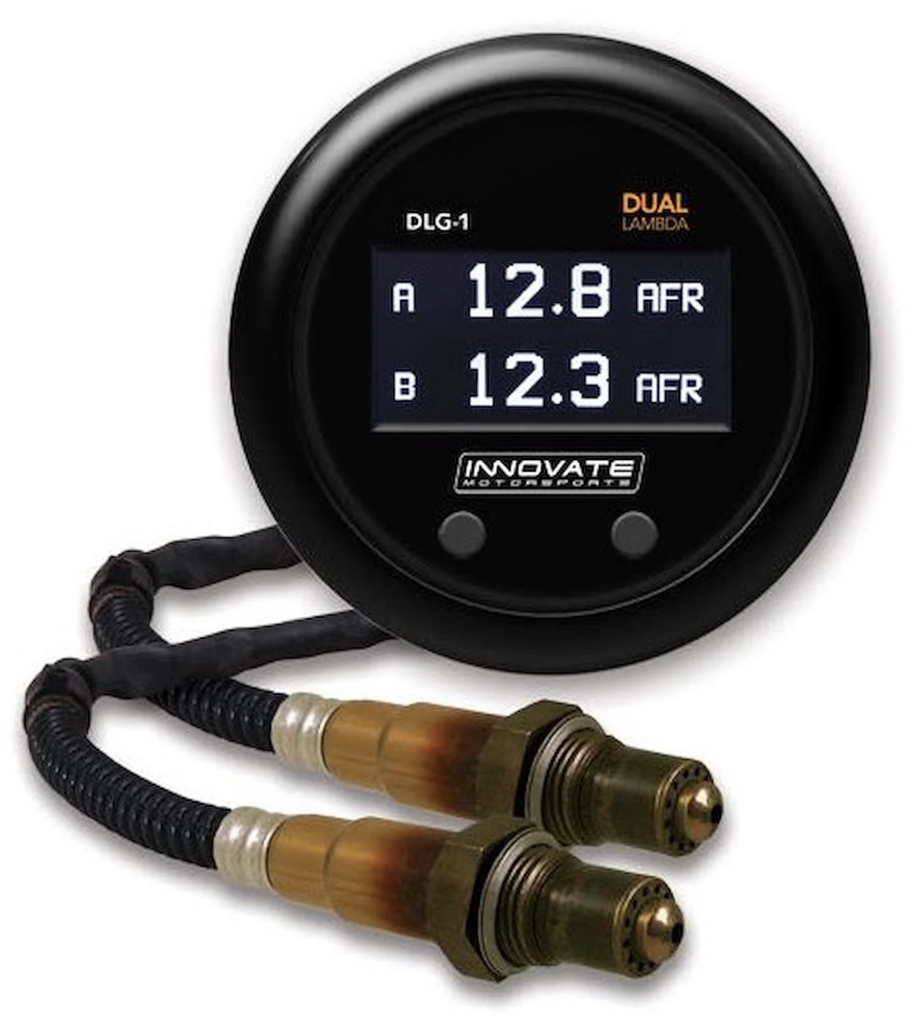

If you spend any time tuning engines, you know the air fuel ratio game is one of the most important factors in making reliable horsepower. Whether you are working with a carbureted small block, a modern LS engine, or a boosted street build, dialing in the correct air fuel ratio can mean the difference between smooth power and costly engine damage.
Understanding how air fuel ratio works, what numbers to target, and how to measure it gives you a major advantage when tuning for performance.
Air fuel ratio, often abbreviated as AFR, describes the relationship between the amount of air and fuel entering the engine. It is expressed as a ratio, such as 14.7:1. This means 14.7 parts air to 1 part fuel.
For gasoline engines, 14.7:1 is considered the stoichiometric ratio. At this point, the fuel and air mixture is balanced for complete combustion under ideal conditions.
However, performance engines rarely operate at this exact ratio under load.

The air fuel ratio directly affects power, fuel economy, and engine safety. If the mixture is too lean, meaning too much air and not enough fuel, combustion temperatures rise. This can lead to detonation, overheating, and engine damage.
If the mixture is too rich, meaning too much fuel and not enough air, the engine may run safely but lose power and waste fuel. Excessively rich mixtures can also foul spark plugs and contaminate oil.
Winning the air fuel ratio game means finding the right balance for your specific engine combination and operating conditions.
At idle and light cruise, many gasoline engines run near 14.7:1 for efficiency and emissions control. Under moderate acceleration, slightly richer mixtures may be used for smooth power delivery.
At wide open throttle, naturally aspirated engines often target an AFR in the 12.5:1 to 13.0:1 range for maximum power and safety. Forced induction engines typically run even richer under boost to control combustion temperatures.
Exact targets depend on engine design, compression ratio, camshaft profile, and fuel type.

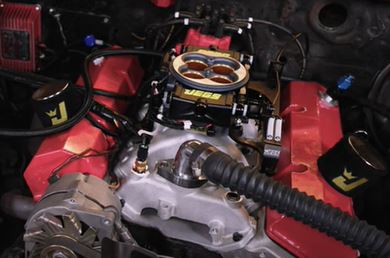
In carbureted setups, adjusting air fuel ratio involves changing jet sizes, metering rods, or air bleeds. Fine tuning requires careful testing and plug readings.
With electronic fuel injection, AFR adjustments are made through tuning software. Fuel maps can be adjusted based on engine load, rpm, and throttle position.
Both systems require accurate measurement to tune correctly.
Sign up now to join the JEGS email newsletter and be the first to learn about new products, special deals and e-mail only offers!
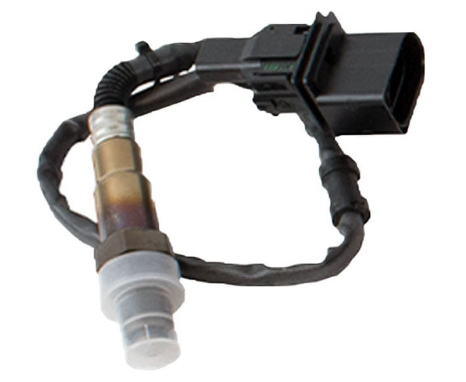
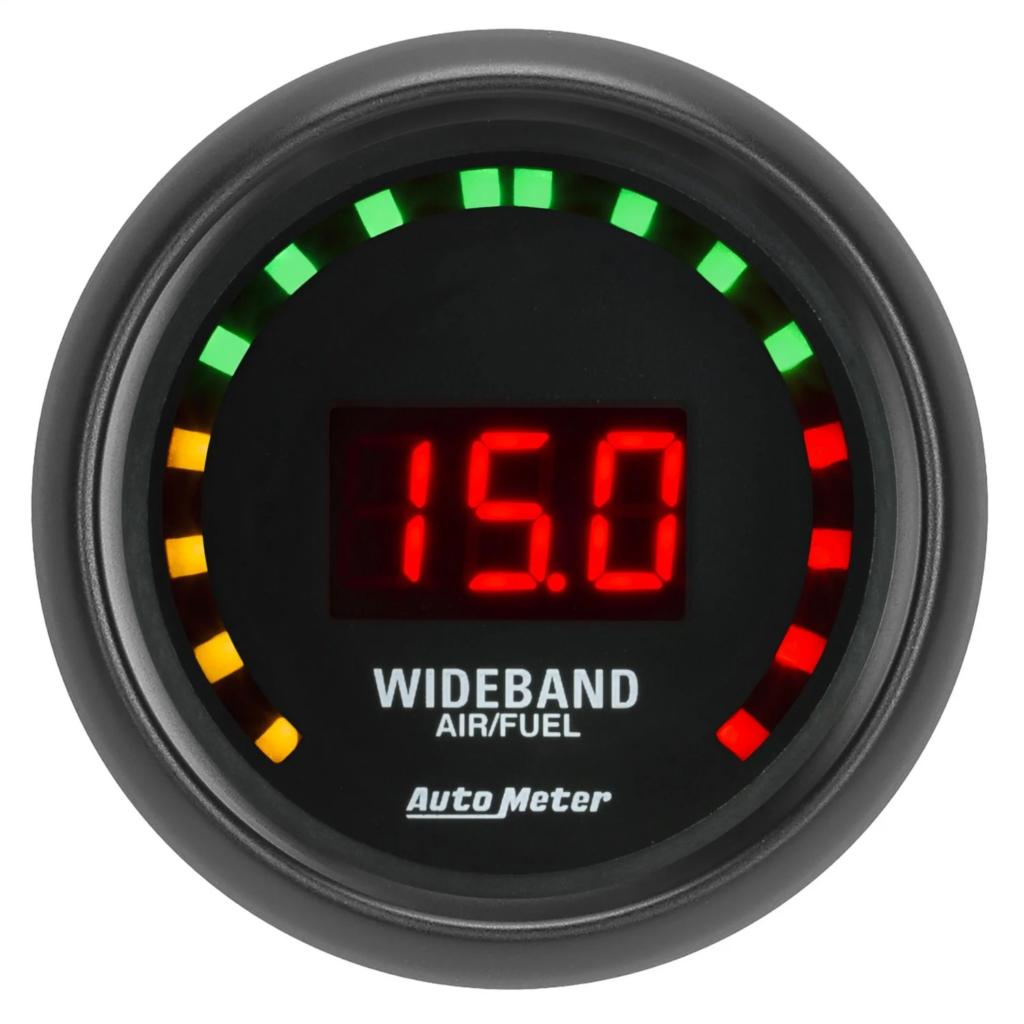
A wideband oxygen sensor is one of the best tools for monitoring air fuel ratio. It provides real time AFR readings across a wide range of operating conditions.
Installing a wideband gauge allows you to see how your engine responds during idle, cruise, and full throttle. This information is essential for safe and effective tuning.
For performance builds, a wideband system is not optional. It is a critical part of protecting your investment.
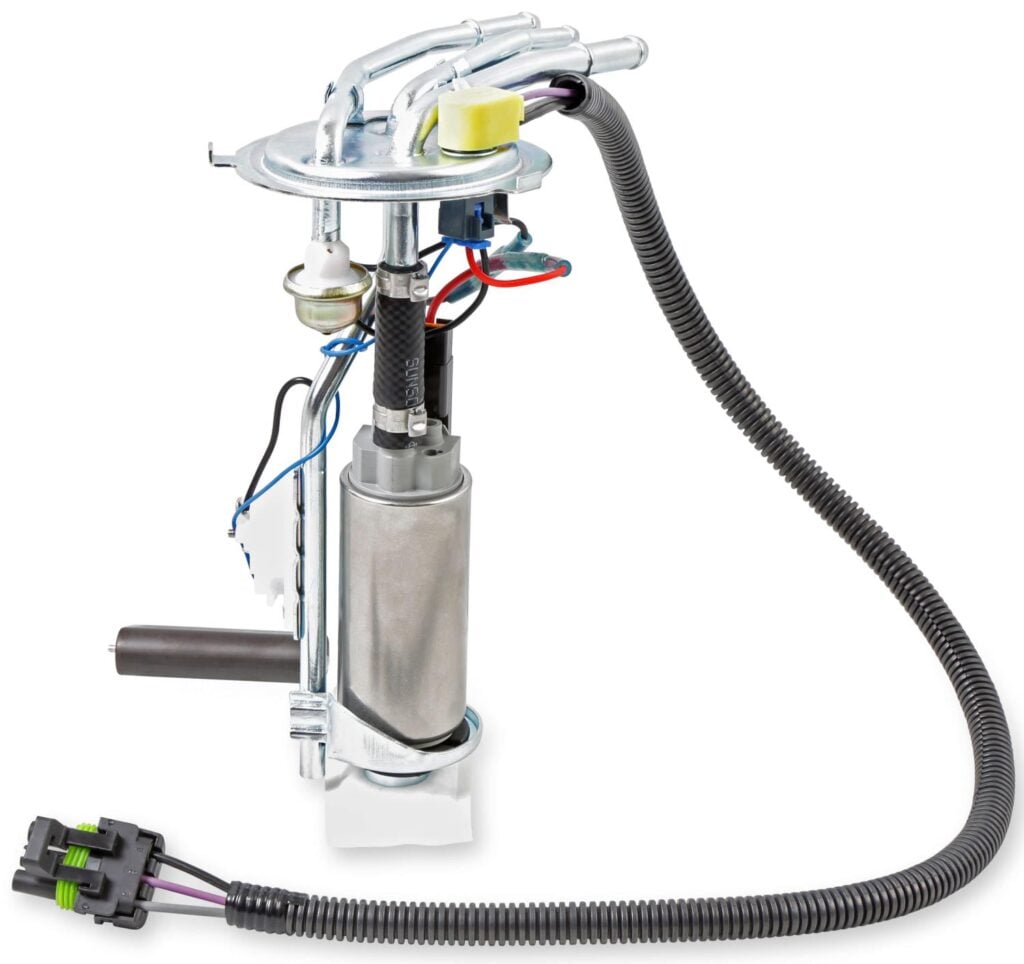
Before chasing a target AFR, make sure your fuel system can support your horsepower goals. Fuel pumps, injectors, carburetor sizing, and fuel pressure regulators must match your engine’s demands.
Running out of fuel under load can quickly lead to a dangerously lean condition.
Upgrading ignition components can also help ensure complete combustion once the correct air fuel ratio is achieved.
Tuning the air fuel ratio is an ongoing process. Changes to intake systems, exhaust components, camshafts, or boost levels all affect AFR.
Careful data logging and gradual adjustments are the safest way to dial in your combination.
At www.jegs.com, you will find wideband oxygen sensor kits, fuel system components, carburetor tuning parts, injectors, and engine management solutions to help you master the air fuel ratio game.
If you need help selecting the right tuning tools or fuel system upgrades for your build, the JEGS Tech Specialists are available to help you choose components that support reliable power and long term engine health.




Leave a Reply