Sign up now to join the JEGS email newsletter and be the first to learn about new products, special deals and e-mail only offers!

 2 People Found This Article Helpful


An engine that feels strong at idle or light throttle but struggles when climbing a hill, towing, or accelerating can be frustrating and concerning. Power loss under load is a common drivability complaint and often points to a problem with airflow, fuel delivery, ignition, or exhaust flow. The key is understanding how these systems work together and where things tend to go wrong.
This article explains the most common reasons an engine loses power under load, how to diagnose the issue, and what fixes typically restore performance.
Power loss under load usually shows up when the engine is asked to work harder. You may notice sluggish acceleration, hesitation when pressing the throttle, difficulty maintaining speed uphill, or the need to press the gas pedal farther than normal to get moving. In some cases, the engine may feel like it is misfiring or struggling to breathe.
These symptoms are often more noticeable during towing, passing, or climbing grades.
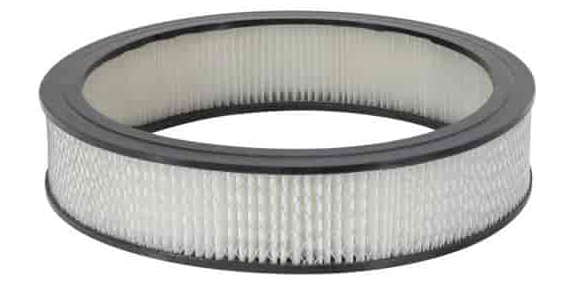
Engines need a steady supply of clean air to produce power. A clogged air filter or restricted intake limits airflow, which reduces combustion efficiency when demand increases.
Common signs include reduced throttle response, poor acceleration, and black exhaust smoke on some vehicles. Inspecting and replacing a dirty air filter is one of the simplest and most cost effective fixes for power loss.
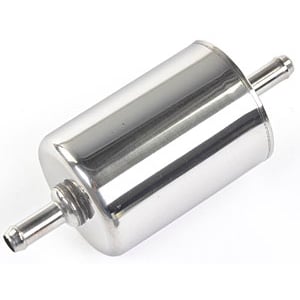
Fuel system problems are a leading cause of power loss under load. When the engine demands more fuel, any restriction or pressure drop can cause a noticeable loss of power.
Possible causes include a clogged fuel filter, a weak fuel pump, dirty fuel injectors, or low fuel pressure. Symptoms often include hesitation, surging, or power fading as engine load increases. Testing fuel pressure and servicing the fuel system can help pinpoint the issue.
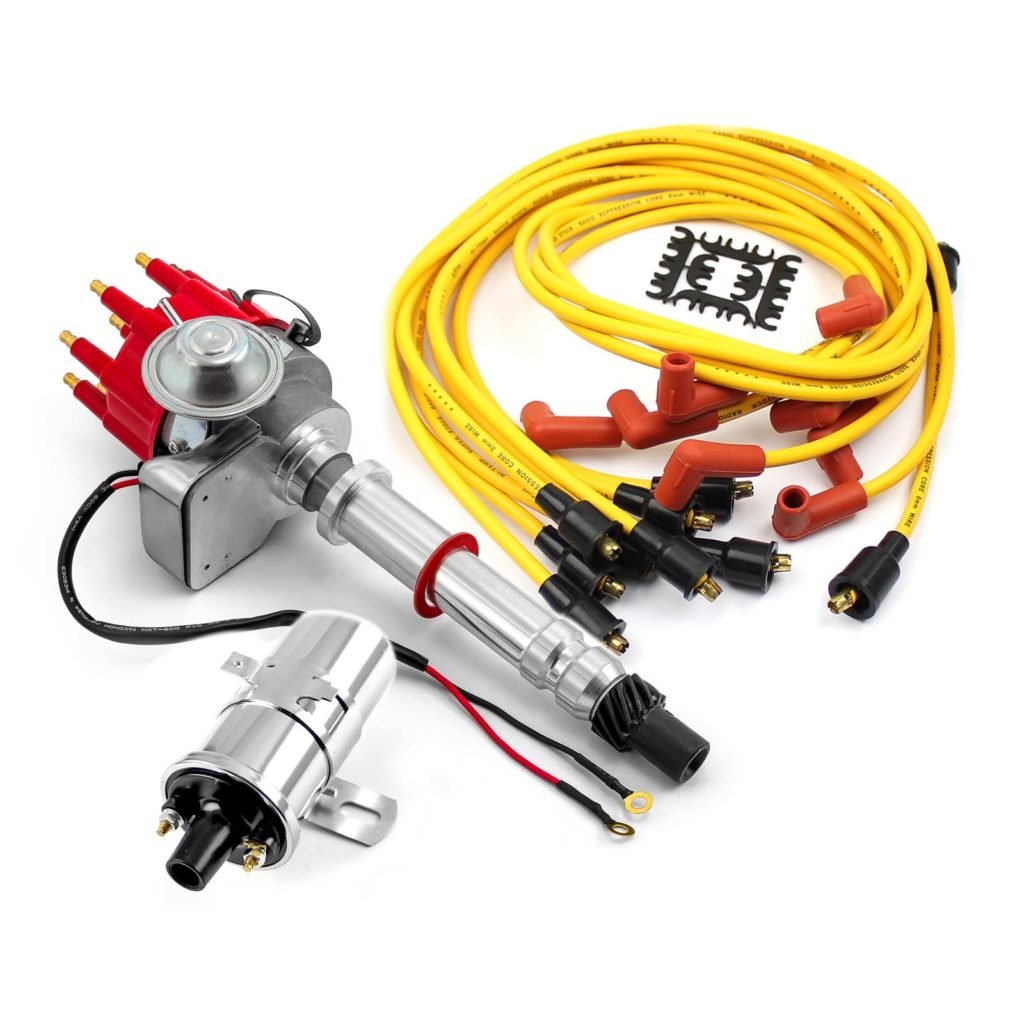
A strong, consistent spark is critical when cylinder pressures rise under load. Worn or failing ignition components may work fine at idle but break down when the engine is pushed harder.
Signs of ignition related power loss include misfires under acceleration, rough running under load, and decreased fuel economy. Inspecting spark plugs, ignition coils, plug wires, and related components can reveal worn parts that need replacement.
Sign up now to join the JEGS email newsletter and be the first to learn about new products, special deals and e-mail only offers!
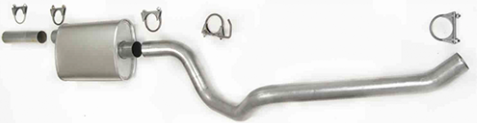
If exhaust gases cannot exit the engine efficiently, power will suffer. Exhaust restrictions often become more noticeable under load when airflow demand increases.
A clogged catalytic converter, crushed exhaust pipe, or collapsed muffler can all limit exhaust flow. Symptoms may include lack of top end power, excessive heat, and a feeling that the engine is being held back. Exhaust backpressure testing can confirm a restriction.
Modern engines rely on sensors to adjust fueling and timing based on load. When a sensor sends incorrect data, the engine may not deliver enough fuel or timing advance under demand.
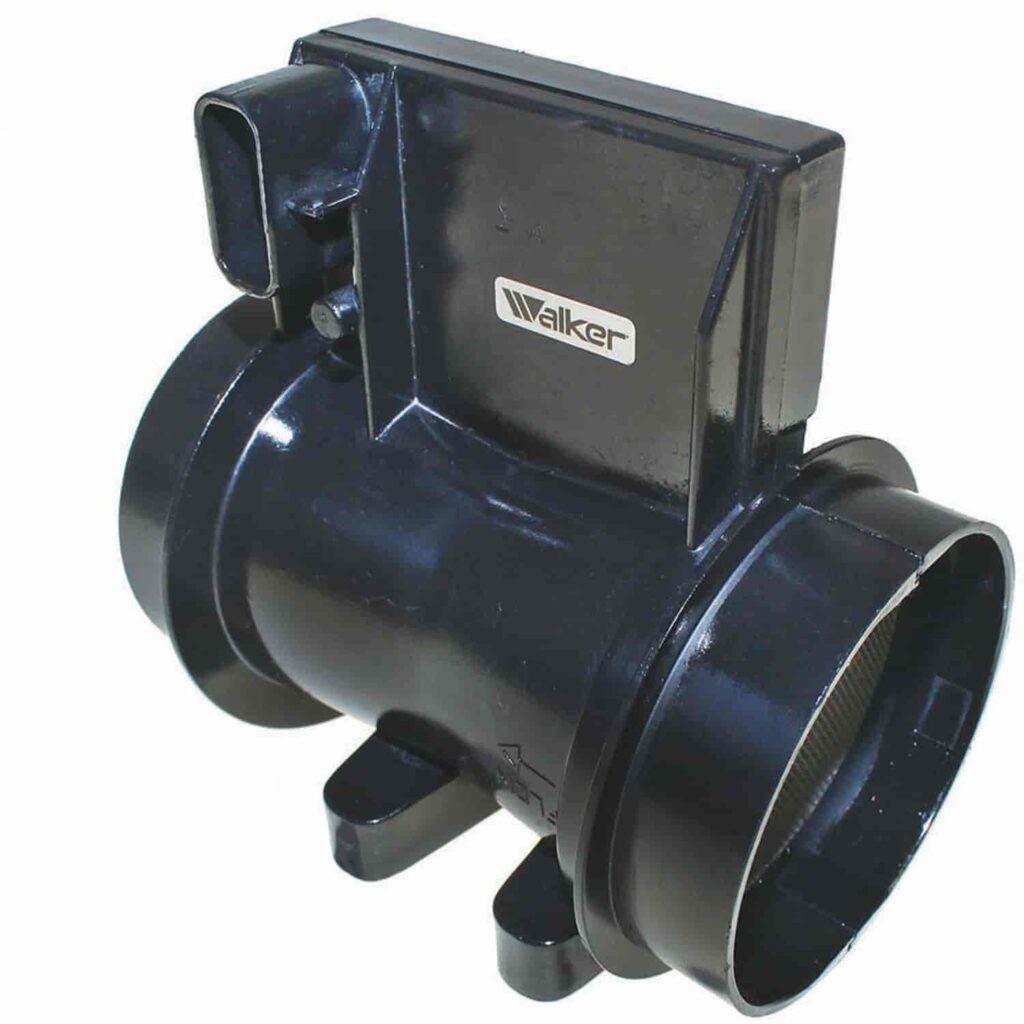
Common culprits include the mass air flow sensor, manifold absolute pressure sensor, throttle position sensor, and oxygen sensors. A check engine light and diagnostic trouble codes often accompany sensor related power loss.
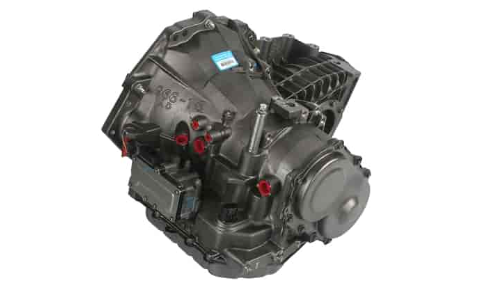
In some cases, what feels like engine power loss is related to the drivetrain. A slipping transmission, failing torque converter, or dragging brakes can all reduce effective power at the wheels.
Symptoms may include engine speed increasing without corresponding acceleration, burning smells, or excessive heat. Proper diagnosis helps separate engine issues from drivetrain problems.
Start by checking for diagnostic trouble codes, even if the check engine light is not illuminated. Review maintenance history for overdue service items like air filters, fuel filters, and spark plugs. Pay attention to when the power loss occurs, such as only under heavy throttle or at higher speeds.
A systematic approach that starts with basic inspections often leads to the correct fix without unnecessary parts replacement.

Once the cause of power loss is identified, addressing worn or restricted components can make a dramatic difference. At www.jegs.com, you will find a wide range of air intake components, fuel system parts, ignition upgrades, sensors, and exhaust solutions for street and performance vehicles.
If you need help diagnosing the issue or choosing parts that match your setup, the JEGS Tech Specialists are available to help you restore power and drivability so your vehicle performs the way it should.


25hp Lucas portable mill getting weak when load, how can I fix it.

Michael, unfortunately we are not familiar with the Lucas portable mill as our main focus is on automotive applications.




Leave a Reply