Sign up now to join the JEGS email newsletter and be the first to learn about new products, special deals and e-mail only offers!

 2 People Found This Article Helpful


If your car stumbles, bogs down, or feels sluggish when you press the gas pedal, you are not alone. Acceleration hesitation is a common drivability issue that affects everything from daily drivers to high performance builds. The good news is that the cause is usually straightforward, and in many cases, it can be fixed without major repairs.
This guide breaks down the most common reasons a car hesitates when accelerating, what symptoms to watch for, and how to fix the problem so you can get back to smooth, responsive performance.
Drivers describe hesitation in a few different ways, including:
These symptoms often point to an issue with fuel delivery, airflow, ignition timing, or sensor input.
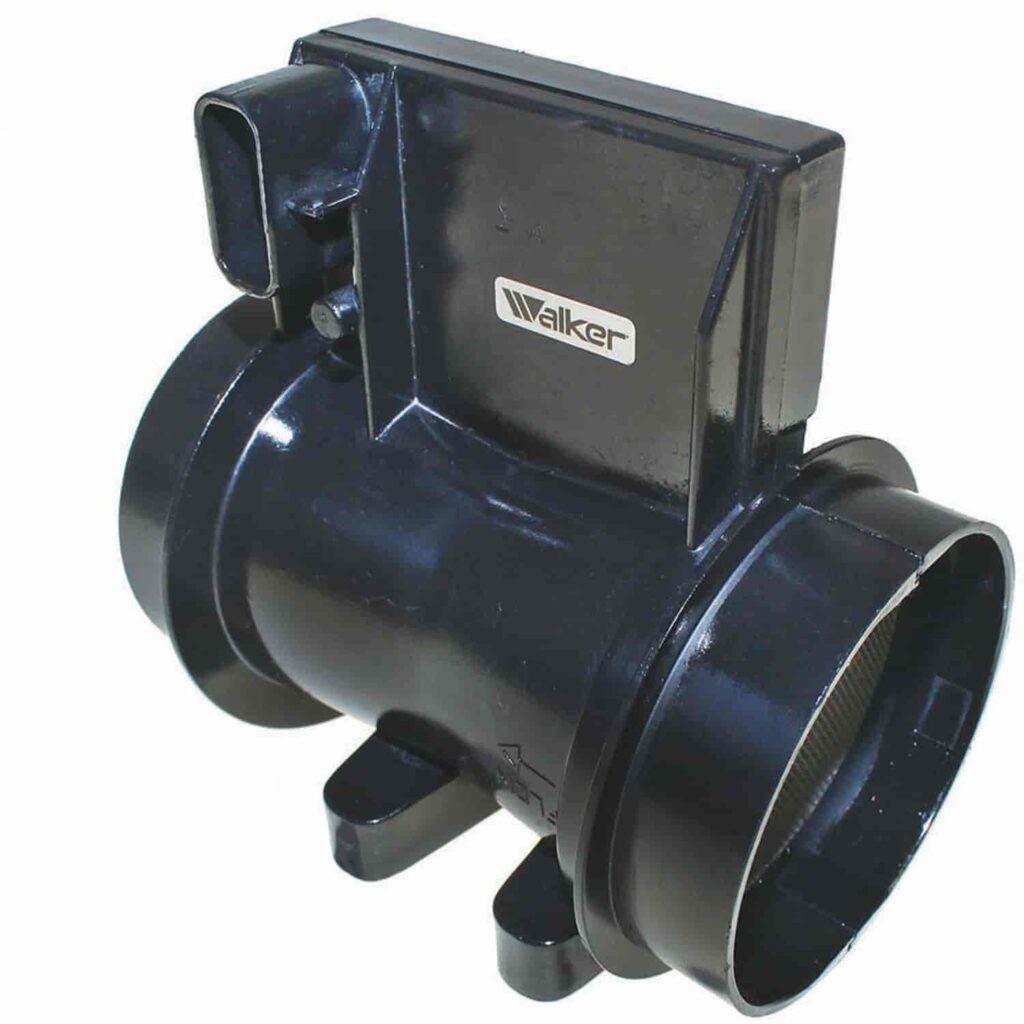
The mass air flow sensor measures how much air enters the engine. If it becomes dirty or fails, the engine control unit may deliver the wrong amount of fuel.
Symptoms
Fix
Carefully clean the mass air flow sensor using a cleaner designed specifically for MAF sensors. If cleaning does not help, replacement may be required.
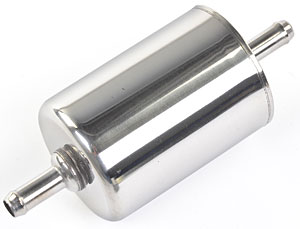
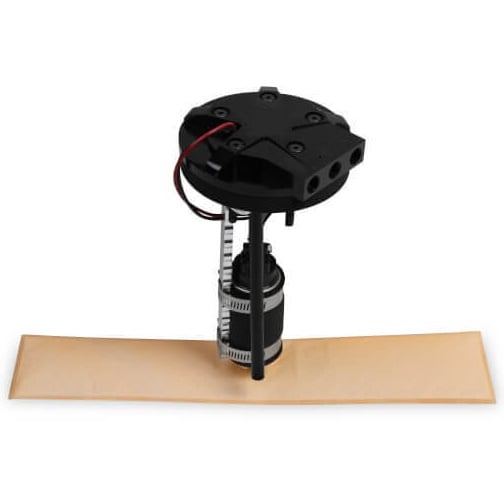
Your engine needs consistent fuel pressure to accelerate smoothly. A restricted fuel filter or failing fuel pump can cause fuel starvation under load.
Symptoms
Fix
Check fuel pressure and replace the fuel filter if it has not been serviced recently. If pressure is low, the fuel pump may be the culprit.
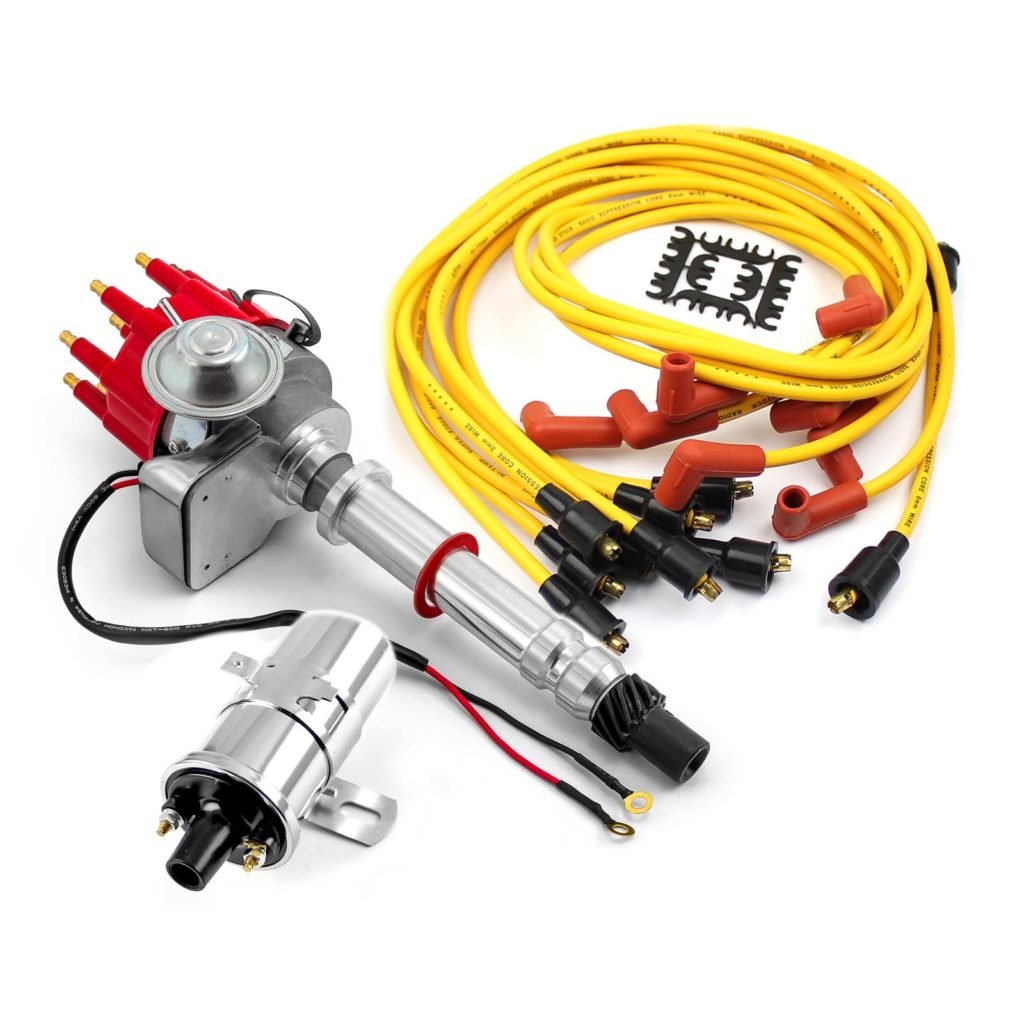
Ignition problems are a very common cause of hesitation, especially under acceleration when cylinder pressure increases.
Symptoms
Fix
Inspect spark plugs, plug wires, ignition coils, and distributor components if equipped. Replace worn or damaged parts according to manufacturer recommendations.
Sign up now to join the JEGS email newsletter and be the first to learn about new products, special deals and e-mail only offers!
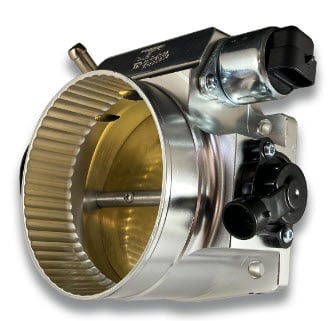
Over time, carbon and dirt can build up inside the throttle body, restricting airflow when the throttle plate opens.
Symptoms
Fix
Clean the throttle body using a throttle body cleaner and a soft cloth. Make sure the engine is off and cool before starting.
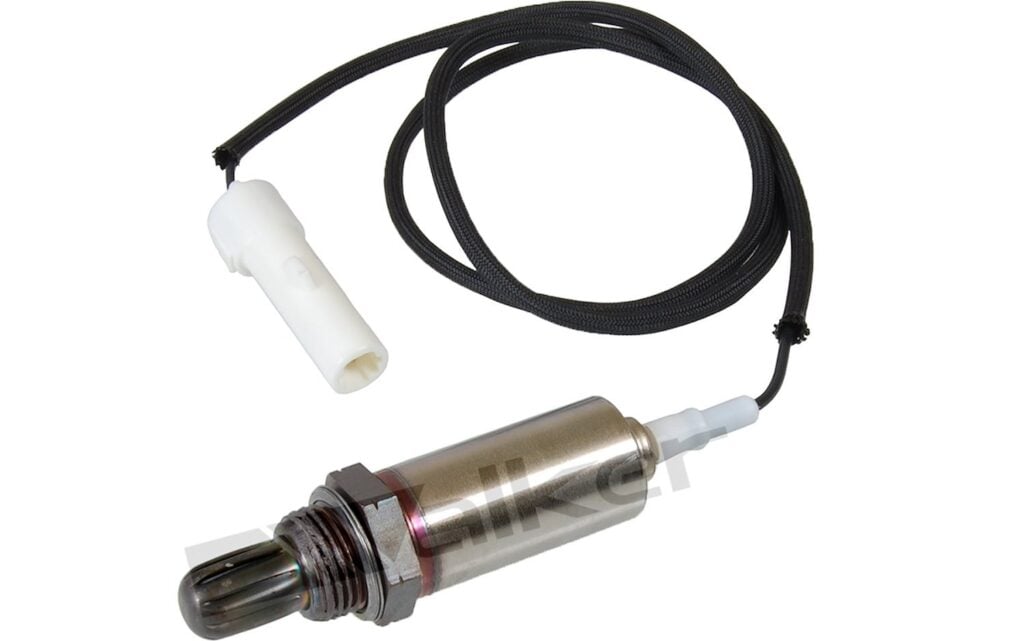
Oxygen sensors help the engine adjust the air to fuel ratio. A failing sensor can cause hesitation, especially during acceleration or when the engine transitions from idle to load.
Symptoms
Fix
Scan for diagnostic trouble codes and replace faulty oxygen sensors as needed.
Vacuum leaks allow unmetered air into the engine, which disrupts the air to fuel mixture and leads to hesitation.
Symptoms
Fix
Inspect vacuum hoses for cracks, loose connections, or deterioration. Replace damaged hoses and ensure all connections are secure.

Before replacing parts, take a systematic approach:
Addressing the simplest and most common issues first can save time and money.
Regular maintenance goes a long way in preventing acceleration hesitation. Replacing spark plugs on schedule, keeping the fuel system clean, and maintaining sensors and air intake components all help ensure consistent performance.
For performance enthusiasts, upgrading ignition and fuel system components can also improve throttle response and acceleration when matched correctly to your setup.
If your car hesitates when accelerating, the fix often comes down to replacing or servicing common wear items. At www.jegs.com, you will find a wide selection of ignition components, fuel system parts, sensors, and engine maintenance solutions for street and performance vehicles.
If you need help diagnosing the issue or selecting the right parts, the JEGS Tech Specialists are available to help you get pointed in the right direction so you can get back to smooth, confident acceleration.





Leave a Reply