

 Order Status & Returns
 Gift Cards
 Help Center
 1-800-345-4545

Complete Engine Kits & Components
Car engine parts at JEGS cover complete engines, bare blocks, top-end kits, and the internal pieces for a rebuild or power upgrade. You can shop more than 47,000 items and narrow results by part type, brand, engine size, bore, and compression ratio. Use this page to compare build paths, match components by spec, and find a starting point for your street or race engine.
Show More
What Car Engine Parts Can You Shop at JEGS?
You can shop engine categories grouped by the job each part does in your build. Start with the category that matches your project:
- Performance crate engines for complete drop-in swaps
- Engine blocks in cast iron and aluminum
- Engine block components for prepping and finishing a bare block
- Cylinder heads for stock-replacement and high-flow builds
- Camshafts and valvetrain parts to set valve timing and lift
- Crankshafts and connecting rods for stock-stroke and stroker builds
- Engine rotating assemblies that bundle the crank, rods, and pistons
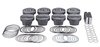
- Pistons and piston rings for setting compression and sealing the bore
- Engine bearings for main, rod, and cam journals
- Engine rebuild kits for overhauling a worn engine
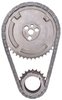
- Timing components to keep the crank and cam in sync
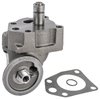
- Oil system parts to hold steady pressure and flow
Each category has its own filters, so you can sort by engine family and size before you compare specs.
Crate Engine, Short Block or Long Block: Which Do You Need?
Pick a crate engine for a complete swap, a short block to choose your top end, or a long block for a matched top end. Crate engines arrive fully assembled, which suits you if you want the least shop time.
A short block includes the block, crank, rods, and pistons. A long block adds the cylinder heads, camshaft, and valvetrain, so you only bolt on the intake, ignition, and accessories. For a full breakdown, read the difference between a short block and a long block.
Chevrolet Performance offers a 383 stroker short block and the LQ4/LQ9 6.0L Gen III cast-iron block. Ford Performance carries Boss 302 and Boss 351 blocks, plus a 347ci Boss short block.
If you're sizing a short block to a power target, start with our guide to choosing the right short block for your horsepower goals.
How Do You Build the Rotating Assembly and Bottom End?
Start with a block rated for your power level, then match the crank, rods, pistons, and bearings to it as a set. Dart offers Big M, SHP, and LS Next blocks for builds that need more strength than a factory casting. A matched rotating assembly saves you from mixing parts with different weights, which throws off balance.
These three specs drive most of your bottom-end choices:
- Stroke sets how far each piston travels, and a longer stroke adds displacement and torque
- Bore is the cylinder diameter, and your pistons and rings must match it
- Compression ratio depends on piston dome or dish, chamber size, and gasket thickness
Before final assembly, measure bearing clearances with a bore gauge or plastic gauge strips. It's a short step that prevents spun bearings and low oil pressure later.
Which Cylinder Heads and Valvetrain Parts Match Your Goals?
Choose heads and a cam as a package, because port size, valve size, and cam lift have to work in the same rpm range. If you're new to the topic, start with what a cylinder head does.
Top-end kits take the guesswork out of matching by pairing heads with a compatible cam and related parts. Edelbrock offers the Performer RPM top-end kit for big-block applications. Dart offers the Pro 1 top-end kit if you want heads and a matched cam in one order.
Once you've picked a cam, check that your valve springs, rocker arms, and retainers are rated for its lift. Confirm pushrod length with a checking tool after the heads are torqued down. A flat-tappet cam also needs a break-in procedure on first startup, while a hydraulic roller cam doesn't.
How Do You Choose Engine Components That Fit Your Build?
Start with your vehicle, your engine family, and your power target, then filter from there. Add your vehicle in the selector at the top of the page to narrow results to parts listed for it. From there, filter by engine make, engine size, bore, compression ratio, or brand.
Your budget shapes the plan as much as your horsepower goal. If you're weighing cost against output, compare a budget vs performance engine build before you commit to parts. A stock-spec refresh can reuse your heads, while a high-output build usually calls for new heads, a new cam, and stronger internals.
Write down your bore, stroke, and deck height before you order. Those numbers decide which pistons, gaskets, and pushrods fit. Once your specs line up, add the parts to your cart and get back to building.

ADD A VEHICLE TO GUARANTEE PARTS FIT
See products that fit

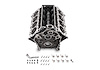
FORD PERFORMANCE
7.3L Gas Engine Block for 2020-2022 Super Duty [107.2mm Bore]
Part Number: 397-M-6010-SD73
 Ships TodayFree shipping
 Lowest price guarantee
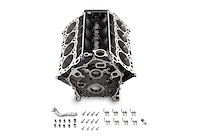
FORD PERFORMANCE
7.3L Gas Engine Block for 2020-2022 Super Duty [107.2mm Bore]
Part Number: 397-M-6010-SD73
Ships TodayFree shippingLowest Price Guarantee
ATK ENGINES
377 Stroker Short Block for Small Block Chevy 4 in. Bore x 3.750 in. Stroke [Forged Flat Top Pistons]
Part Number: 059-SP52NB
Ships TodayFree shippingLowest price guarantee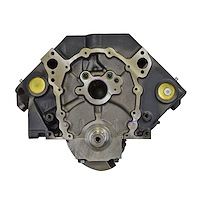
ATK ENGINES
377 Stroker Short Block for Small Block Chevy 4 in. Bore x 3.750 in. Stroke [Forged Flat Top Pistons]
Part Number: 059-SP52NB
Ships TodayFree shippingLowest Price Guarantee
BLUEPRINT ENGINES
BP302RCT Ford Small Block Compatible 302 ci. Long Block [Dual/Rear Sump]
Part Number: 138-BP302RCT
Ships on 10/26/2026Free shippingLowest price guarantee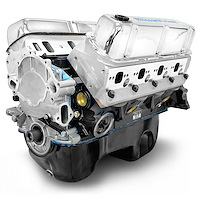
BLUEPRINT ENGINES
BP302RCT Ford Small Block Compatible 302 ci. Long Block [Dual/Rear Sump]
Part Number: 138-BP302RCT
Ships on 10/26/2026Free shippingLowest Price Guarantee
BLUEPRINT ENGINES
BP3479CT Ford Small Block Compatible 347 ci. Long Block [Front Sump]
Part Number: 138-BP3479CT
Ships TomorrowFree shippingLowest price guarantee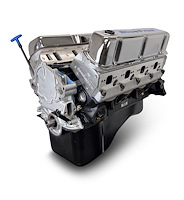
BLUEPRINT ENGINES
BP3479CT Ford Small Block Compatible 347 ci. Long Block [Front Sump]
Part Number: 138-BP3479CT
Ships TomorrowFree shippingLowest Price Guarantee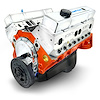
BLUEPRINT ENGINES
BP38317CT1 GM Compatible Small Block Chevy 383 ci. Power Adder Long Block [415 HP]
Part Number: 138-BP38317CT1
Ships TodayFree shippingLowest price guarantee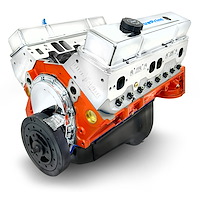
BLUEPRINT ENGINES
BP38317CT1 GM Compatible Small Block Chevy 383 ci. Power Adder Long Block [415 HP]
Part Number: 138-BP38317CT1
Ships TodayFree shippingLowest Price Guarantee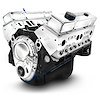
BLUEPRINT ENGINES
BP38318CT1 GM Compatible Small Block Chevy 383 ci. Long Block [436 HP]
Part Number: 138-BP38318CT1
Ships TodayFree shippingLowest price guarantee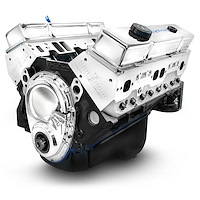
BLUEPRINT ENGINES
BP38318CT1 GM Compatible Small Block Chevy 383 ci. Long Block [436 HP]
Part Number: 138-BP38318CT1
Ships TodayFree shippingLowest Price Guarantee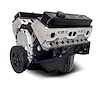
BLUEPRINT ENGINES
BP38350CT1 GM Vortec Truck/SUV Base Long Block Crate Engine, 383 ci Stroker, Compression Ratio: 10:1
Part Number: 138-BP38350CT1
Ships TodayFree shippingLowest price guarantee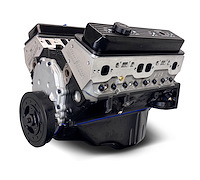
BLUEPRINT ENGINES
BP38350CT1 GM Vortec Truck/SUV Base Long Block Crate Engine, 383 ci Stroker, Compression Ratio: 10:1
Part Number: 138-BP38350CT1
Ships TodayFree shippingLowest Price Guarantee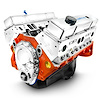
BLUEPRINT ENGINES
BP4002CT1 GM Compatible Small Block Chevy 400 ci. Long Block [500 HP]
Part Number: 138-BP4002CT1
Ships TodayFree shippingLowest price guarantee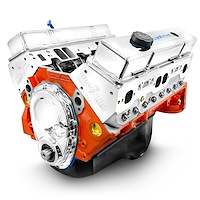
BLUEPRINT ENGINES
BP4002CT1 GM Compatible Small Block Chevy 400 ci. Long Block [500 HP]
Part Number: 138-BP4002CT1
Ships TodayFree shippingLowest Price Guarantee
BLUEPRINT ENGINES
BP49611CT GM Compatible Big Block Chevy 496 ci. Long Block for Power Adders [561 HP]
Part Number: 138-BP49611CT
Ships on 10/26/2026Free shippingLowest price guarantee
BLUEPRINT ENGINES
BP49611CT GM Compatible Big Block Chevy 496 ci. Long Block for Power Adders [561 HP]
Part Number: 138-BP49611CT
Ships on 10/26/2026Free shippingLowest Price Guarantee

PROMAXX PERFORMANCE
CHR621N Cylinder Head for Cummins Diesel 6.7L 24V #7225 #7221 Common Rail Assembled
Part Number: 723-CHR621N
Ships TodayFree shippingLowest price guarantee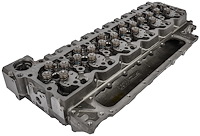
PROMAXX PERFORMANCE
CHR621N Cylinder Head for Cummins Diesel 6.7L 24V #7225 #7221 Common Rail Assembled
Part Number: 723-CHR621N
Ships TodayFree shippingLowest Price Guarantee

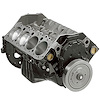
CHEVROLET PERFORMANCE
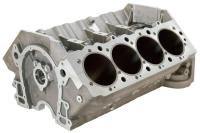
*REAMN 383 Short Block Assembly Cast Iron Block
Part Number: 809-19332527-R
Ships on 10/26/2026Free shippingLowest price guarantee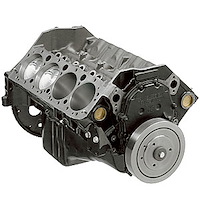
CHEVROLET PERFORMANCE
*REAMN 383 Short Block Assembly Cast Iron Block
Part Number: 809-19332527-R
Ships on 10/26/2026Free shippingLowest Price Guarantee
CHEVROLET PERFORMANCE
427ci COPO Long Block Engine, Replacement For Factory COPO 427ci
Part Number: 809-19299607
Ships on 10/26/2026Free shippingLowest price guarantee
CHEVROLET PERFORMANCE
427ci COPO Long Block Engine, Replacement For Factory COPO 427ci
Part Number: 809-19299607
Ships on 10/26/2026Free shippingLowest Price Guarantee
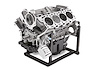
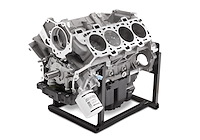
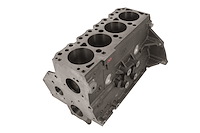
FORD PERFORMANCE
M-6010-A460XBB Cast Iron Siamese Big Bore 460 Block [4.490 in. Bore]
Part Number: 397-M6010A460XBB
Ships on 10/27/2026Free shippingLowest price guarantee
FORD PERFORMANCE
M-6010-A460XBB Cast Iron Siamese Big Bore 460 Block [4.490 in. Bore]
Part Number: 397-M6010A460XBB
Ships on 10/27/2026Free shippingLowest Price Guarantee
Frequently Asked Questions About Car Engine Parts
What Are the Basic Parts of a Car Engine?
Every piston engine has a block, a rotating assembly, and one or more cylinder heads. The rotating assembly includes the crankshaft, connecting rods, pistons, and rings. The heads hold the valves, and the camshaft and timing set control when those valves open.
What Connects the Engine to the Transmission?
The bellhousing bolts the transmission case to the back of the engine block. On an automatic, a flexplate on the crankshaft drives the torque converter. On a manual, a flywheel and clutch transfer power to the input shaft.
What's Included in a Master Engine Rebuild Kit?
Contents vary by manufacturer, so check each listing before you order. A master kit typically includes pistons, rings, bearings, a gasket set, an oil pump, and a timing set. Some kits also add a camshaft and lifters.
Which Parts Should You Replace Every Time You Rebuild an Engine?
Replace gaskets, seals, bearings, and piston rings on every rebuild, since they wear or deform in service. Most builders also replace the oil pump and timing set. Reuse the crank, rods, and block only after a machine shop measures them and confirms they're in spec.
Do You Need a Machine Shop for an Engine Rebuild?
In most cases, yes. A machine shop can hone or bore the cylinders, grind the crankshaft, and check the block deck for flatness. Order your pistons after the shop measures the bore, so you get the correct oversize.