


 Order Status & Returns
 Gift Cards
 Help Center
 1-800-345-4545

Pedals & Parts
Car pedals control how you accelerate, brake, and shift, so the right setup shapes pedal feel, effort, and fit in your build. This category covers gas, brake, and clutch pedals, complete pedal kits, balance bars, dead pedals, pedal pads, and assembly components. You'll find OE-style replacement parts for restorations alongside billet pedal kits and universal assemblies for custom street and race builds.
Show More
What Types of Car Pedals Does JEGS Carry?
JEGS carries six types of car pedals and pedal parts, so you can replace one worn pad or build a complete custom pedal setup. Each subcategory handles a specific job in the footwell:
- Accelerator pedals for cable-style and drive-by-wire throttle setups
- Brake and clutch pedals, including complete pedal kits for automatic and manual builds
- Brake balance bars that split pedal force between two master cylinders
- Dead pedals that give your left foot a fixed place to rest or brace
- Pedal assembly components for rebuilding or modifying an existing pedal setup
- Pedal pads in OE-style and billet designs for grip and appearance
Pedals work as a system with your master cylinder, throttle linkage, and seat position. If you're updating the rest of the cockpit too, browse the full lineup of interior parts to plan everything together.
How Do You Choose Brake and Clutch Pedals for Your Build?
Start with your transmission type, then match the pedal assembly to your master cylinder location. An automatic build needs only a brake pedal, while a manual build needs both a brake pedal and a clutch pedal. Pedal height and travel matter too, since car pedals need to clear the floor and steering column.
Next, check where your master cylinder mounts. Pedal assemblies are designed around a specific location, such as the firewall or under the dash. Moving it usually means changing brackets, pushrods, and brake lines too.
For classic Chevy builds, Billet Specialties offers Tri-5 and Camaro pedal kits in automatic and manual versions. A complete kit keeps pedal spacing, pivot points, and hardware matched. If you're new to how foot pressure becomes hydraulic pressure, read how a master cylinder works before you pick parts.
What Pedal Ratio Do You Need for Manual or Power Brakes?
Manual brake systems typically need a pedal ratio of 5:1 to 7:1, while power-assisted systems typically need 4:1 to 5:1. Pedal ratio is the biggest factor in how hard you have to push the pedal.
To find your ratio, divide the pivot-to-pad distance by the pivot-to-pushrod distance. For example, a pedal measuring 12 inches from pivot to pad and 2 inches from pivot to pushrod has a 6:1 ratio.
A higher ratio multiplies your foot force more, which is why manual brakes need it to make up for the missing booster. If you're removing a booster or adding one, measure your pedal first. Master cylinder bore size also affects pedal feel, so review our brake master cylinder FAQs before you order.
Cable or Drive-By-Wire: Which Gas Pedal Fits Your Build?
Choose a gas pedal that matches how your engine controls the throttle. A cable-style throttle uses a mechanical cable between the pedal and the carburetor or throttle body. A drive-by-wire throttle uses a pedal sensor that sends a signal to the engine computer.
For carbureted and cable-throttle builds, Billet Specialties universal gas pedal assemblies work with cable-style throttle linkage. If you're replacing a worn factory part, ACDelco offers OE replacement accelerator pedals. On cable setups, check the cable attachment point and pedal travel so the throttle reaches full opening.
Swapping a modern engine into an older car? Make sure your pedal, engine controller, and throttle body all use the same system. Before you choose, learn why modern engines use drive-by-wire throttles.
What Do Pedal Pads and Dead Pedals Do?
Pedal pads give your foot grip on each pedal, and a dead pedal gives your left foot a solid place to rest or brace. Both are small parts that change how the car feels on long drives and hard stops.
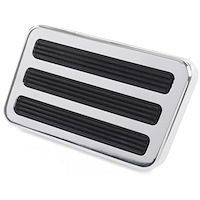
Worn rubber pads get slick and can let your foot slip off the pedal. For factory-correct restorations, Metro Moulded Parts makes clutch and brake pedal pads, and ACDelco offers OE replacement brake pedal pads. Billet Specialties billet brake and clutch pedal pads add a machined look to custom builds.
A dead pedal sits to the left of the clutch or brake pedal. It helps you hold your position in the seat during cornering, and it gives automatic-transmission drivers a place to rest the left foot.
What Does a Brake Balance Bar Do?
A brake balance bar splits your pedal force between two master cylinders, one for the front brakes and one for the rear. Adjusting the bar shifts more force toward one end, so you can tune front-to-rear brake bias.
Balance bars are common in race cars and dual-master-cylinder pedal assemblies. A remote adjuster lets you change bias from the driver's seat as track conditions or tire grip change. Start with the bar centered, then adjust in small steps and test the brakes after each change.
Allstar Performance offers a brake bias adjuster for this job. The brand also makes 4" pedal extensions for master cylinder and clutch applications, plus throttle cross shafts. Ready to order? Add your vehicle, then shop the car pedals and parts that match your project.

ADD A VEHICLE TO GUARANTEE PARTS FIT
See products that fit

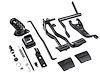
JEGS
4-Speed Transmission Conversion Kit for 1968-1972 Chevrolet Chevelle, El Camino
Part Number: 555-90827
 Ships Tomorrow
 Lowest price guarantee
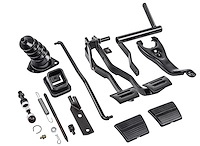
JEGS
4-Speed Transmission Conversion Kit for 1968-1972 Chevrolet Chevelle, El Camino
Part Number: 555-90827
Ships TomorrowLowest Price Guarantee
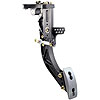
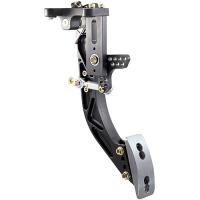

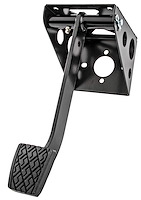

WILWOOD
340-16350 Adjustable Ratio Swing Mount Brake & Clutch Pedal Assembly
Part Number: 950-340-16350
Ships on Nov 10, 2026Lowest price guarantee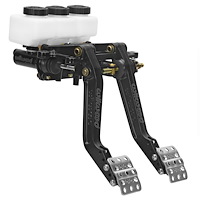
WILWOOD
340-16350 Adjustable Ratio Swing Mount Brake & Clutch Pedal Assembly
Part Number: 950-340-16350
Ships on Nov 10, 2026Lowest Price Guarantee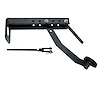
JEGS
Universal Brake Pedal Assembly for Under Dash Hanging Mount Pedal
Part Number: 555-631864
Ships TomorrowLowest price guarantee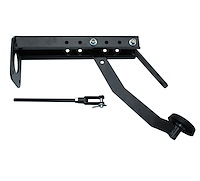
JEGS
Universal Brake Pedal Assembly for Under Dash Hanging Mount Pedal
Part Number: 555-631864
Ships TomorrowLowest Price Guarantee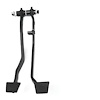
OER
MT3635Z Clutch & Brake Pedal Assembly 1978-87 Various GM Vehicles Including Regal, Monte Carlo, Cutlass, Grand Prix
Part Number: 691-MT3635Z
Ships TomorrowLowest price guarantee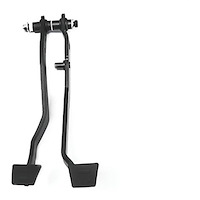
OER
MT3635Z Clutch & Brake Pedal Assembly 1978-87 Various GM Vehicles Including Regal, Monte Carlo, Cutlass, Grand Prix
Part Number: 691-MT3635Z
Ships TomorrowLowest Price Guarantee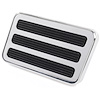

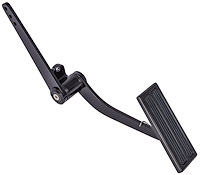

JEGS
4-Speed Transmission Conversion Kit for 1964-1966 Chevrolet Chevelle, El Camino
Part Number: 555-90825
Ships TomorrowLowest price guarantee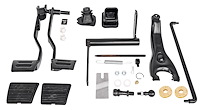
JEGS
4-Speed Transmission Conversion Kit for 1964-1966 Chevrolet Chevelle, El Camino
Part Number: 555-90825
Ships TomorrowLowest Price Guarantee
JEGS
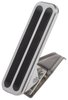
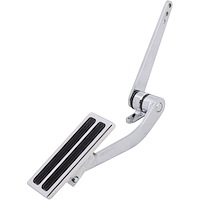
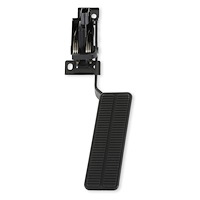
Billet Gas Pedal Assembly for 1955-1957 Chevy [Black Aluminum]
Part Number: 555-157511
Ships TomorrowLowest price guarantee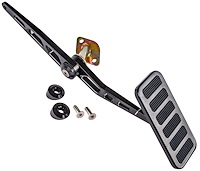
JEGS
Billet Gas Pedal Assembly for 1955-1957 Chevy [Black Aluminum]
Part Number: 555-157511
Ships TomorrowLowest Price Guarantee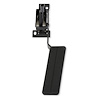
JEGS
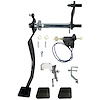
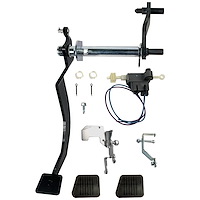
4-Speed Transmission Conversion Kit for 1967 Chevrolet Chevelle, El Camino
Part Number: 555-90826
Ships TomorrowLowest price guarantee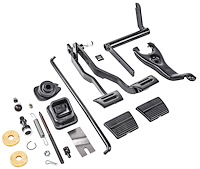
JEGS
4-Speed Transmission Conversion Kit for 1967 Chevrolet Chevelle, El Camino
Part Number: 555-90826
Ships TomorrowLowest Price Guarantee
LOKAR
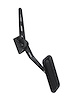
XBAG-6148 Billet Aluminum Competitor Throttle Pedal Assembly Rubber Pad
Part Number: 625-XBAG-6148
Ships on Nov 10, 2026Lowest price guarantee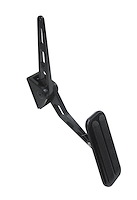
LOKAR
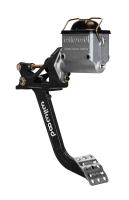
XBAG-6148 Billet Aluminum Competitor Throttle Pedal Assembly Rubber Pad
Part Number: 625-XBAG-6148
Ships on Nov 10, 2026Lowest Price Guarantee
JEGS
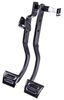
Brake & Clutch Pedal Assembly for 1964-1966 Chevrolet Chevelle, El Camino
Part Number: 555-79471
Ships TomorrowLowest price guarantee
JEGS
Brake & Clutch Pedal Assembly for 1964-1966 Chevrolet Chevelle, El Camino
Part Number: 555-79471
Ships TomorrowLowest Price Guarantee
JEGS
Accelerator Pedal Rod Support (Only) Clear anodized aluminum pedal rod support Fits:
Part Number: 555-15799
Ships TomorrowLowest price guarantee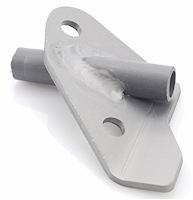
JEGS
Accelerator Pedal Rod Support (Only) Clear anodized aluminum pedal rod support Fits:
Part Number: 555-15799
Ships TomorrowLowest Price Guarantee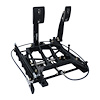
TILTON
72-851-S 850-Series Pedal Assembly, 2-Pedal Underfoot, Brake & Throttle, Trunnon Type Bb, With Slider System
Part Number: 454-72-851-S
Ships on 11/12/2026Lowest price guarantee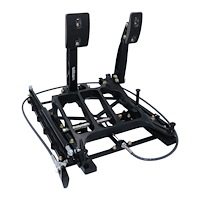
TILTON
72-851-S 850-Series Pedal Assembly, 2-Pedal Underfoot, Brake & Throttle, Trunnon Type Bb, With Slider System
Part Number: 454-72-851-S
Ships on 11/12/2026Lowest Price Guarantee
Frequently Asked Questions About Car Pedals
Will aftermarket car pedals fit my vehicle?
Use the JEGS Add a Vehicle fitment tool to filter this category to parts listed for your year, make, and model. Universal assemblies need extra checks. Confirm your mount style, master cylinder location, and throttle type before you order.
What's the difference between floor-mount and swing-mount pedals?
A floor-mount pedal pivots near the floor and pushes forward from below. A swing-mount pedal, also called a hanging pedal, pivots from above under the dash. Pick the style that clears your steering column, floor pan, and master cylinder location.
Can I replace just the pedal pad?
Yes. Pedal pads come in many sizes, such as 2-3/4" x 3-3/4", 3-11/32" x 1-15/16", and 4" x 1-11/16". Measure your pedal before ordering so the new pad fits the pedal arm securely.
What parts do I need to rebuild a worn pedal assembly?
Start with the pivot bushings, brackets, and pedal stops. Worn bushings add play to the pedal, and a missing stop changes where the pedal rests. ACDelco offers clutch pedal bushings and brake pedal brackets, and you'll also find EPDM rubber brake pedal stops for 1965-66 Mustangs.
Do pedal kits come in different finishes?
Yes. Billet Specialties Tri-5 and Camaro pedal kits come in polished and black finishes. Pair the kit with matching billet pedal pads for a consistent look in the footwell.