Sign up now to join the JEGS email newsletter and be the first to learn about new products, special deals and e-mail only offers!

 2 People Found This Article Helpful


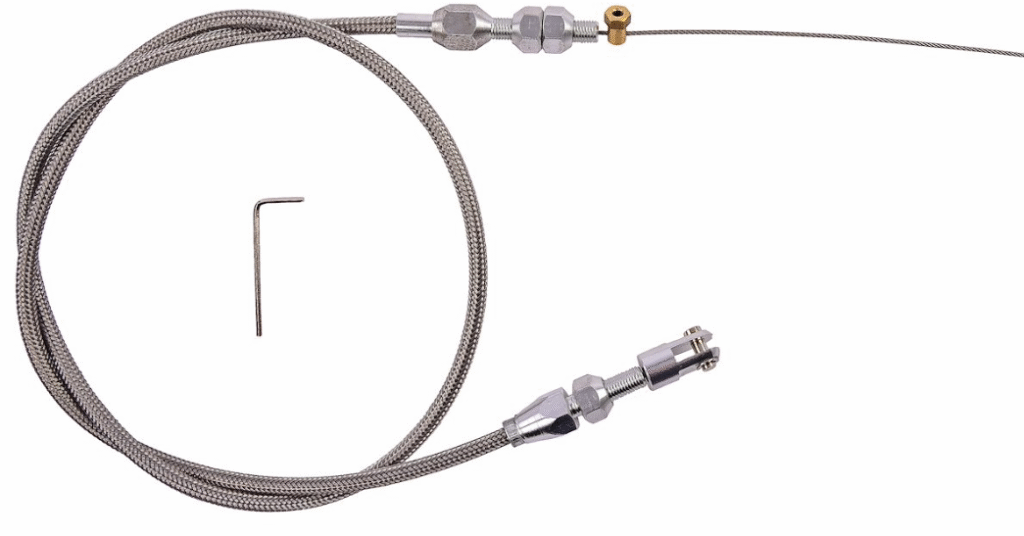
If you have worked on both classic and late model vehicles, you have likely noticed a major difference in throttle control. Older cars use a physical cable that connects the accelerator pedal to the throttle body. Most modern engines use drive by wire throttles, also known as electronic throttle control.
So why did manufacturers move away from the simple throttle cable? The answer comes down to efficiency, performance control, safety, and emissions. Understanding why modern engines use drive by wire systems can help you better plan upgrades, tuning, and engine swaps.
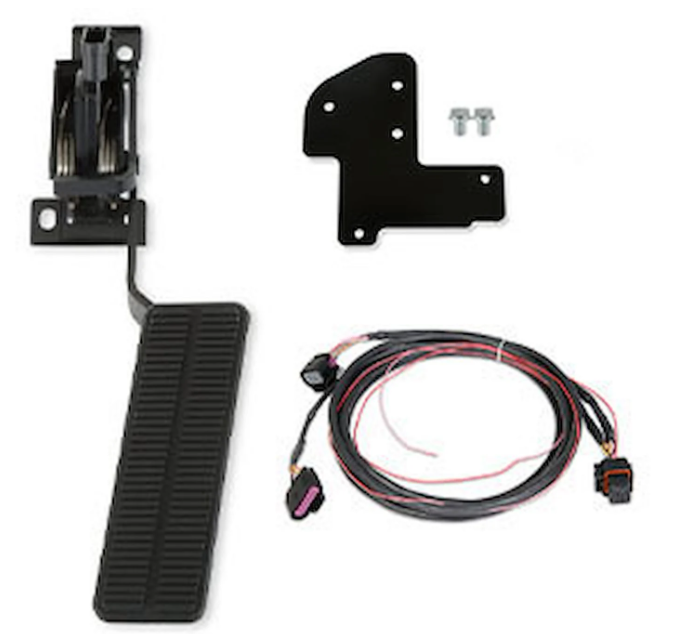
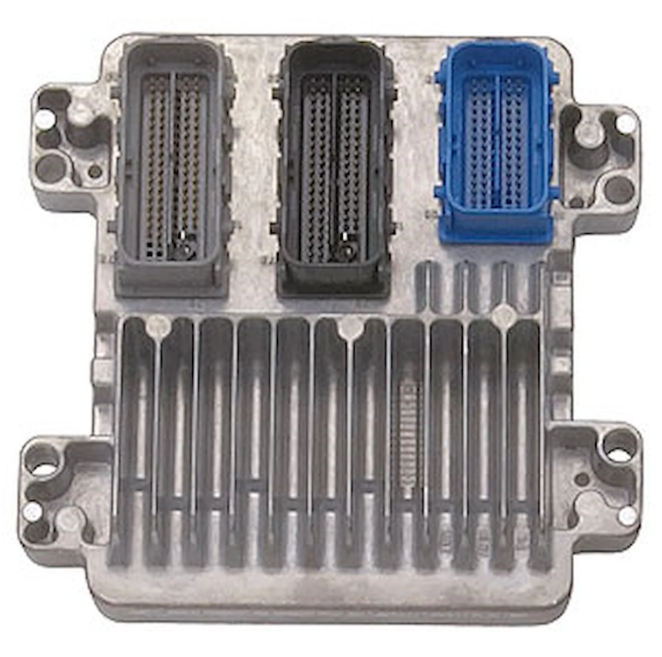
Drive by wire replaces the mechanical throttle cable with electronic components. When you press the accelerator pedal, a position sensor sends a signal to the engine control unit. The ECU then commands an electric motor on the throttle body to open or close the throttle plate.
There is no direct mechanical connection between your foot and the throttle blade. Instead, throttle input is managed electronically based on multiple sensor inputs.
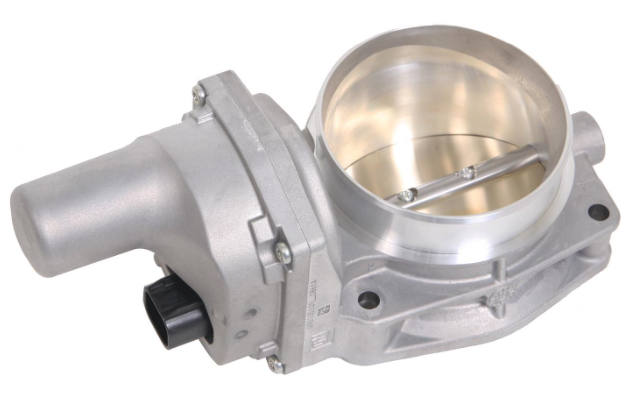
One of the main reasons modern engines use drive by wire throttles is improved fuel economy and emissions performance. Electronic throttle control allows the ECU to adjust throttle opening with greater precision than a cable system.
The ECU can optimize airflow based on engine load, temperature, and operating conditions. This helps maintain the correct air and fuel mixture, reduce emissions, and improve overall efficiency.
In many cases, the throttle plate may not open exactly in proportion to pedal position. The ECU adjusts it to achieve the most efficient combustion possible.
Drive by wire systems allow the engine computer to work directly with traction control and stability control systems. If wheel slip is detected, the ECU can reduce throttle opening instantly without relying solely on brake intervention.
This level of integration improves safety and vehicle control, especially in slippery conditions. A cable throttle cannot make automatic adjustments without driver input.
Electronic throttle control can smooth out throttle transitions. Sudden pedal inputs can be moderated slightly to improve drivability, reduce drivetrain shock, and enhance comfort.
Manufacturers can tune throttle response to match the character of the vehicle. For example, a sports car may have more aggressive throttle mapping, while a luxury vehicle may prioritize smooth acceleration.
Sign up now to join the JEGS email newsletter and be the first to learn about new products, special deals and e-mail only offers!
Drive by wire systems simplify cruise control operation. Instead of using a separate vacuum actuator or mechanical linkage, the ECU directly controls throttle position to maintain vehicle speed.
This reduces the number of components and improves accuracy and reliability.
Eliminating the throttle cable reduces mechanical wear points such as stretched cables, sticking linkages, or broken return springs. Electronic systems have their own components, but they eliminate certain mechanical failure modes found in older designs.
The packaging advantages also allow for more flexible engine bay layouts.
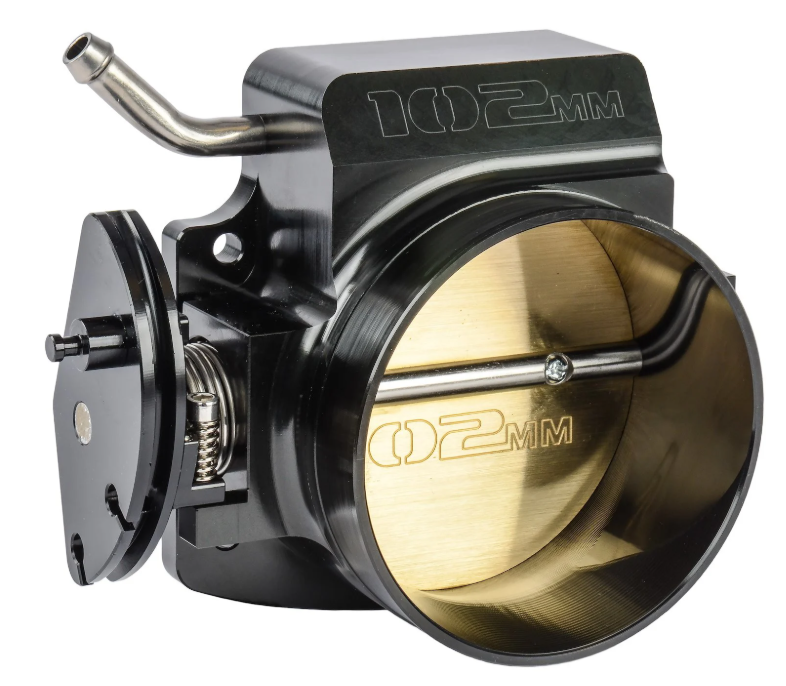
For performance enthusiasts, drive by wire offers advanced tuning opportunities. Throttle mapping can be adjusted through software to modify response characteristics. This can be beneficial in high performance builds, forced induction setups, or track focused vehicles.
Proper tuning is essential when modifying engines that use electronic throttle control to ensure safe and predictable performance.
Some drivers prefer the direct mechanical feel of a cable throttle. Drive by wire systems rely on sensors and electronic components, which can fail if not properly maintained.
However, modern systems are highly reliable and have been refined over many years of development.
Whether you are maintaining a factory drive by wire system or planning a performance upgrade, selecting compatible components is critical. At www.jegs.com, you will find throttle bodies, pedal assemblies, engine management systems, and supporting components for both cable and electronic throttle applications.
If you are planning a swap or upgrading your throttle system, the JEGS Tech Specialists can help you choose parts that match your engine combination and performance goals.



Leave a Reply