


 Order Status & Returns
 Gift Cards
 Help Center
 1-800-345-4545

Throttle Pedal Assembly & Components
Throttle pedal assembly parts connect your foot to the engine, so fit and feel matter whether you're restoring a classic or building a hot rod. Here you'll find complete gas pedal assemblies, clutch and brake pedal assemblies, pedal arms, pivot hardware, retainers, and pedal pads in billet aluminum and steel. Use this guide to compare cable-driven and drive-by-wire pedals, mounting styles, and pedal ratio before you buy.
Show More
What Pedal Assembly Components Can You Buy?
You can buy a complete throttle pedal assembly or just the part that's worn, bent, or missing. This category covers both, so you can rebuild a pedal box piece by piece or swap the whole unit. Here's what you'll find:
- Complete throttle and gas pedal assemblies in billet aluminum or steel
- Clutch and brake pedal assemblies
- Pedal arms in multiple ratios for custom pedal boxes
- Pivot hardware and bushings that take slop out of the pedal
- Retainers that hold pedals and linkage in place
- Pedal pads for a fresh look underfoot
Finishes include plated, black, polished, and E-coat, so you can match the pedals to your interior. If you only need the brake side, browse brake and clutch pedals, and add pedal pads to finish the look.
Running dual master cylinders? Pair your pedal with one of our brake balance bars.
How Do Cable-Driven and Drive-by-Wire Pedals Differ?
A cable-driven throttle pedal pulls a cable connected to the carburetor or throttle body. A drive-by-wire pedal sends an electronic signal instead. Knowing which system your engine uses is the first fitment check before you buy.
With a mechanical setup, pedal travel physically opens the throttle. That makes it easy to inspect and adjust, and it's why many carbureted classics and hot rods run one. Plan your cable or linkage routing along with the pedal so travel and return stay consistent.
A drive-by-wire accelerator pedal uses an accelerator pedal position sensor that sends a signal to the ECU. The ECU then opens the throttle body, so there's no cable to route.
The tradeoff is that the pedal has to match what your ECU expects. For background, read why modern engines use drive-by-wire throttles, or compare accelerator pedals for your setup.
Should You Choose a Floor-Mount or Firewall-Mount Pedal?
Choose a floor-mount pedal for a hinge on the floorboard, or a firewall-mount pedal that hangs from the firewall or dash. The right pick depends on your car's original layout, the space you have, and how you want the pedal to feel.
A floor-mount pedal pivots at its base, so your foot pushes down and forward. This style suits custom builds that need more room under the dash for wiring and gauges.
A firewall-mount pedal, also called a suspended pedal, keeps the floor clear. It also matches the layout of many factory cars, which helps when you're restoring to stock.
Before you order, measure the space around the pedal. Confirm where the throttle cable or linkage will route, and check spacing next to the brake pedal. A few minutes with a tape measure can save you a return.
How Do Pedal Ratio and Material Affect Feel?
Pedal ratio is the leverage a pedal arm gives you between your foot and the pushrod. It changes how much effort and travel you feel at the pedal.
Wilwood pedal arms come in 6.25:1 and 5.10:1 pedal arm ratios.
A higher ratio multiplies more force from your foot but needs more travel. A lower ratio gives you a shorter, firmer pedal. Match the ratio to your master cylinder and booster setup.
Material changes the look and the build style. A billet aluminum throttle pedal is machined from solid stock and finished to show, which suits open interiors and custom builds. Steel components lean toward OE-style construction for factory-correct restorations.
Wilwood offers many pedal assembly components in steel plated, steel black, aluminum black, and aluminum black E-coat. That range lets you match brake pedal assemblies, arms, and hardware across one pedal box.
Which Brands Make Throttle Pedal Assembly Parts?
You'll find vehicle-specific and universal parts from aftermarket and OE brands. Start with your vehicle, then narrow by style and finish.
Lokar makes billet aluminum throttle pedal assemblies, like XBAG-6113 for 1955-57 Chevy, plus the XBAG-6117 pedal pad for 1969-70 Mustang. JEGS offers a polished aluminum billet gas pedal assembly for 1955-1957 Chevy. Billet Specialties builds a floor-mount gas pedal for 1955-57 Chevy and a universal billet gas pedal assembly that needs cable-style throttle linkage.
For restorations, OER offers the K8087 clutch and brake pedal assembly for 1962-65 Chevy II/Nova with a manual transmission. ACDelco supplies an OE replacement brake pedal retainer, and Auto Metal Direct carries pedal assembly components too.
Use the Add a Vehicle tool to enter your year, make, and model and confirm fit. Upgrading the whole pedal box? Shop all performance pedals.

ADD A VEHICLE TO GUARANTEE PARTS FIT
See products that fit

ADD A VEHICLE TO GUARANTEE PARTS FIT
See products that fit
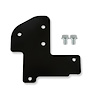
HOLLEY
145-112 Drive by Wire Accelerator Pedal Bracket for 1973-1987 Chevrolet C-10 Trucks
Part Number: 510-145-112
 Ships Tomorrow
 Lowest price guarantee
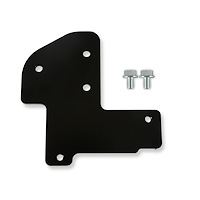
HOLLEY
145-112 Drive by Wire Accelerator Pedal Bracket for 1973-1987 Chevrolet C-10 Trucks
Part Number: 510-145-112
Ships TomorrowLowest Price Guarantee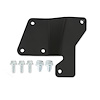
HOLLEY
Drive-by-Wire Accelerator Pedal Bracket for 1981-1993 Chevrolet S-10, GMC S15 and Sonoma [Black]
Part Number: 510-145-120
Ships TomorrowLowest price guarantee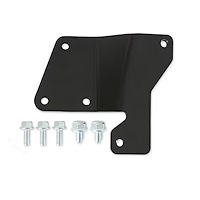
HOLLEY
Drive-by-Wire Accelerator Pedal Bracket for 1981-1993 Chevrolet S-10, GMC S15 and Sonoma [Black]
Part Number: 510-145-120
Ships TomorrowLowest Price Guarantee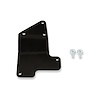
HOLLEY
145-140 Drive by Wire Accelerator Pedal Bracket for Select 1982-1988 Buick, Chevrolet, Oldsmobile, Pontiac Cars
Part Number: 510-145-140
Ships TomorrowLowest price guarantee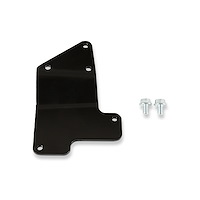
HOLLEY
145-140 Drive by Wire Accelerator Pedal Bracket for Select 1982-1988 Buick, Chevrolet, Oldsmobile, Pontiac Cars
Part Number: 510-145-140
Ships TomorrowLowest Price Guarantee
HOLLEY
145-160K1 Drive-By-Wire Accelerator Pedal Assembly Kit for 1955-57 Chevy w/GM Gen III/IV LS, Gen V LT Engine & Dominator EFI ECU
Part Number: 510-145-160K1
Ships TomorrowLowest price guarantee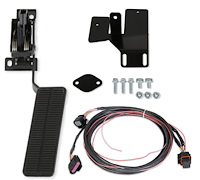
HOLLEY
145-160K1 Drive-By-Wire Accelerator Pedal Assembly Kit for 1955-57 Chevy w/GM Gen III/IV LS, Gen V LT Engine & Dominator EFI ECU
Part Number: 510-145-160K1
Ships TomorrowLowest Price Guarantee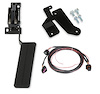
HOLLEY
145-160K2 Drive-By-Wire Accelerator Pedal Assembly Kit for 1968-74 Chevy, Pontiac, Oldsmobile w/GM LS, Gen V LT, Dominator EFI
Part Number: 510-145-160K2
Ships TomorrowLowest price guarantee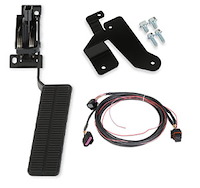
HOLLEY
145-160K2 Drive-By-Wire Accelerator Pedal Assembly Kit for 1968-74 Chevy, Pontiac, Oldsmobile w/GM LS, Gen V LT, Dominator EFI
Part Number: 510-145-160K2
Ships TomorrowLowest Price Guarantee
HOLLEY
145-160K3 Drive-By-Wire Accelerator Pedal Assembly Kit 1970-1981 Chevy Camaro, Pontiac Firebird w/GM LS, LT & Dominator EFI ECU
Part Number: 510-145-160K3
Ships TomorrowLowest price guarantee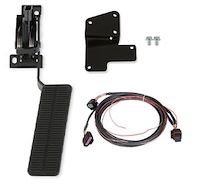
HOLLEY
145-160K3 Drive-By-Wire Accelerator Pedal Assembly Kit 1970-1981 Chevy Camaro, Pontiac Firebird w/GM LS, LT & Dominator EFI ECU
Part Number: 510-145-160K3
Ships TomorrowLowest Price Guarantee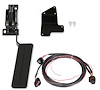
HOLLEY
145-160K4 Drive-By-Wire Accelerator Pedal Kit for 1982-88 Buick, Chevy, Oldsmobile, Pontiac Cars w/GM LS, LT & Dominator EFI ECU
Part Number: 510-145-160K4
Ships TomorrowLowest price guarantee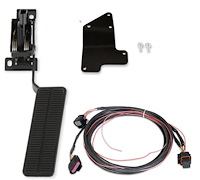
HOLLEY
145-160K4 Drive-By-Wire Accelerator Pedal Kit for 1982-88 Buick, Chevy, Oldsmobile, Pontiac Cars w/GM LS, LT & Dominator EFI ECU
Part Number: 510-145-160K4
Ships TomorrowLowest Price Guarantee
HOLLEY
145-160K5 Drive-By-Wire Accelerator Pedal Assembly Kit for 1973-87 GM Trucks, Gen III/IV LS, Gen V LT Engine & Dominator EFI ECU
Part Number: 510-145-160K5
Ships TomorrowLowest price guarantee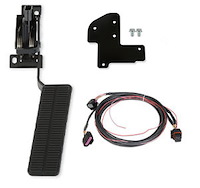
HOLLEY
145-160K5 Drive-By-Wire Accelerator Pedal Assembly Kit for 1973-87 GM Trucks, Gen III/IV LS, Gen V LT Engine & Dominator EFI ECU
Part Number: 510-145-160K5
Ships TomorrowLowest Price Guarantee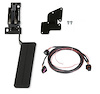
HOLLEY
145-160K7 Drive-By-Wire Accelerator Pedal Assembly Kit for 1994-04 Chevy S10, GMC Sonoma w/GM LS, LT Engine & Dominator EFI ECU
Part Number: 510-145-160K7
Ships TomorrowLowest price guarantee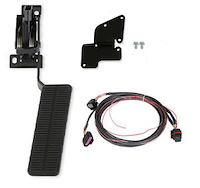
HOLLEY
145-160K7 Drive-By-Wire Accelerator Pedal Assembly Kit for 1994-04 Chevy S10, GMC Sonoma w/GM LS, LT Engine & Dominator EFI ECU
Part Number: 510-145-160K7
Ships TomorrowLowest Price Guarantee
GOODMARK
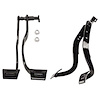
GMK4020915671S For Manual Transmission Brake/Clutch Pedal Assembly for 1968 Gm in.X in. Body
Part Number: 828-4020915671S
Ships on 11/05/2026Lowest price guarantee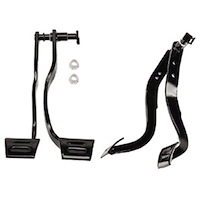
GOODMARK
GMK4020915671S For Manual Transmission Brake/Clutch Pedal Assembly for 1968 Gm in.X in. Body
Part Number: 828-4020915671S
Ships on 11/05/2026Lowest Price Guarantee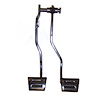
GOODMARK
GMK4031915671S For Manual Transmission Brake/Clutch Pedal Assembly for 1967 Chevrolet Chevelle
Part Number: 828-4031915671S
Ships on 11/05/2026Lowest price guarantee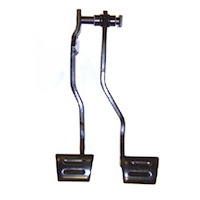
GOODMARK
GMK4031915671S For Manual Transmission Brake/Clutch Pedal Assembly for 1967 Chevrolet Chevelle
Part Number: 828-4031915671S
Ships on 11/05/2026Lowest Price Guarantee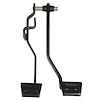
GOODMARK
GMK4032915681S For Manual Transmission Brake/Clutch Pedal Assembly for 1968-1972 Chevrolet Chevelle
Part Number: 828-4032915681S
Ships on 11/05/2026Lowest price guarantee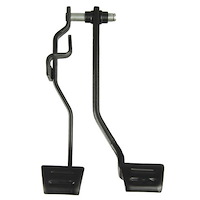
GOODMARK
GMK4032915681S For Manual Transmission Brake/Clutch Pedal Assembly for 1968-1972 Chevrolet Chevelle
Part Number: 828-4032915681S
Ships on 11/05/2026Lowest Price Guarantee
GOODMARK
GMK4032911681S Gas Pedal Assembly 1968-1969 Chevelle, El Camino Without Downshift Switch
Part Number: 828-4032911681S
Ships on 05/21/2027Lowest price guarantee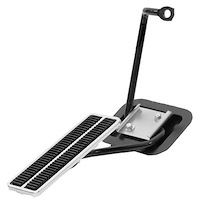
GOODMARK
GMK4032911681S Gas Pedal Assembly 1968-1969 Chevelle, El Camino Without Downshift Switch
Part Number: 828-4032911681S
Ships on 05/21/2027Lowest Price Guarantee
SILVER SPORT TRANSMISSIONS
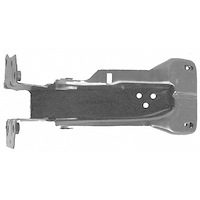
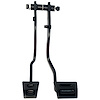
Clutch and Brake Pedal Conversion Kit 1972 1981 GM Camaro Firebird
Part Number: 833-PAG-00400
Ships on 11/03/2026Lowest price guarantee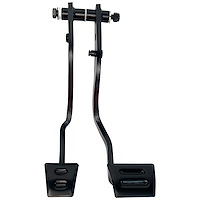
SILVER SPORT TRANSMISSIONS
Clutch and Brake Pedal Conversion Kit 1972 1981 GM Camaro Firebird
Part Number: 833-PAG-00400
Ships on 11/03/2026Lowest Price Guarantee
SILVER SPORT TRANSMISSIONS
Clutch and Brake Pedal Conversion Kit 1967 1968 GM Camaro Firebird
Part Number: 833-PHG-PT-1
Ships on 11/03/2026Lowest price guarantee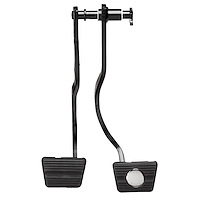
SILVER SPORT TRANSMISSIONS
Clutch and Brake Pedal Conversion Kit 1967 1968 GM Camaro Firebird
Part Number: 833-PHG-PT-1
Ships on 11/03/2026Lowest Price Guarantee
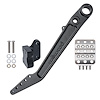
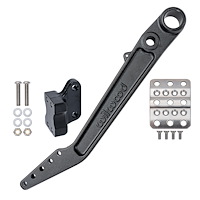
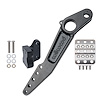
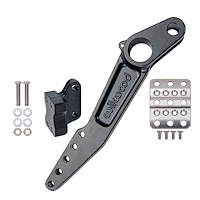
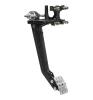
WILWOOD
340-16388 Adjustable Ratio Single Reverse Swinging Brake Pedal w/Tru-Bar Balance Bar
Part Number: 950-340-16388
Ships on 11/03/2026Lowest price guarantee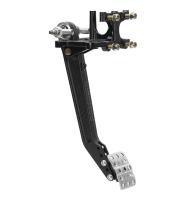
WILWOOD
340-16388 Adjustable Ratio Single Reverse Swinging Brake Pedal w/Tru-Bar Balance Bar
Part Number: 950-340-16388
Ships on 11/03/2026Lowest Price Guarantee
Frequently Asked Questions About Throttle Pedal Assembly
Is a Throttle the Same as a Gas Pedal?
The gas pedal, or accelerator pedal, is what your foot presses. The throttle is the valve in the carburetor or throttle body that controls airflow into the engine. Your pedal operates it through a cable, linkage, or sensor.
How Do You Adjust a Throttle Pedal?
With the engine off, press the pedal to the floor and confirm the throttle reaches wide-open without straining the cable or linkage. Set the pedal stop so the pedal bottoms out right at full throttle. Then release the pedal and make sure the throttle snaps back to idle every time.
What's the Difference Between a Universal and Direct-Fit Throttle Pedal Assembly?
A direct-fit kit is built for a specific year, make, and model, so it lines up with factory mounting points. A universal throttle pedal assembly works across more vehicles but may need custom brackets, drilling, or linkage work. Pick direct-fit for a stock-style install and universal for custom builds.
Do I Need a New Throttle Cable With a New Pedal Assembly?
It depends on how the new pedal connects to your throttle. If the cable end, length, or routing differs from your old setup, you'll need a matching cable or linkage. Check the product details, then compare throttle cables and linkage to complete the install.
Can You Convert Drive-by-Wire to a Cable Throttle?
Yes, but it's a bigger job than swapping the pedal. You'll typically need a cable-operated throttle body, a mechanical pedal and cable, and engine management that can run without electronic throttle control. Our guide on converting drive-by-wire to a cable throttle walks through the pros and cons.