


 Order Status & Returns
 Gift Cards
 Help Center
 1-800-345-4545

Disc Brake Pads
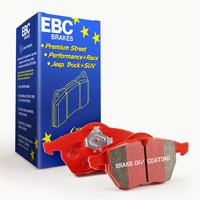
Disc brake pads clamp the rotor to stop your car, truck, or SUV, so the compound you pick shapes bite, noise, dust, and heat control. You'll find ceramic, semi-metallic, and organic pads for front and rear positions, built for daily driving, towing, and track days. Use the guide below to compare compounds, confirm fitment for your vehicle, and decide which supporting parts belong in the same order.
Show More
How Do You Choose Disc Brake Pads by Compound?
Choose disc brake pads by matching the friction compound to how you drive. Ceramic pads suit daily drivers who want quiet, low-dust stops, while semi-metallic pads suit heavier loads and harder driving.
- Organic pads: Rubber, compressed carbon, and fiberglass work fine for daily drivers, but they don't hold up to track use.
- Ceramic pads: Ceramic compounds and copper fibers make less dust and noise, and they typically last 75,000 miles or more.
- Semi-metallic pads: About 30-70% iron, copper, or steel adds bite and heat management, with more noise and rotor wear.
Ceramic pads can be slower to warm up in extreme cold, so factor in your climate. Ceramic options in this category include PosiQuiet Ceramic pads from StopTech and PC Performance Ceramic pads from Hawk. For a closer look at the tradeoffs, read our guide to ceramic vs. semi-metallic brake pads.
What Should You Look for in Performance and Track Brake Pads?
For track days and hard street driving, look for a compound that stays stable as temperatures climb. Semi-metallic pads handle heat well and keep consistent bite across a wide temperature range. Organic pads don't hold up to track use, so skip them for any car that sees laps.
Hawk performance lines here include HPS, HPS 5.0, HP Plus, and ER-1 pads. If you run aftermarket calipers, you'll also find Hawk HP-Plus pads made for Wilwood Dynalite calipers.
Custom race and hot rod brake systems are the main exception to vehicle-specific fitment. On those builds, you match pads to the caliper, so confirm which high-performance brake calipers you're running before you order. Plan to bed in new pads before your first session, and check the FAQ below for the steps.
Which Truck Brake Pads Hold Up to Towing?
For trucks and SUVs that tow or haul, semi-metallic and low-metallic pads are a solid match because they manage heat well. Heavy loads put more heat into the brakes, and a pad that keeps its bite as temperatures rise helps you stay in control.
This category includes pads for applications like GM trucks and SUVs, including the Chevy Tahoe, plus the Ford Expedition. Dynamic Friction 5000 Advanced Low-Metallic pads come with hardware, so you can refresh clips and shims in the same job.
Expect a few tradeoffs with metallic compounds. Semi-metallic pads are noisier and wear rotors faster than ceramic pads. If your truck is mostly a daily driver that tows now and then, Dynamic Friction 3000-Series Ceramic pads are another option to compare.
How Do You Find Front and Rear Brake Pads That Fit?
Start with your vehicle's year, make, model, and brake system, then pick the axle position. Front and rear pads are listed as separate parts, so check the position on every listing before you add it to your cart.
Pads are application specific, and confirming the brake system matters because one model can offer more than one setup. You'll find fitments for vehicles like the 2015-2017 Ford Mustang, Toyota RAV4, and Chrysler and Dodge minivans.
Lines to compare when you shop by vehicle include Power Stop Z16 pads and StopTech Street Brake Pads. If you're doing the work yourself, our step-by-step guide shows how to change brake pads. To see pads alongside calipers and rotors, browse the full Disc Brakes category.
Which Brake Upgrades Pair Well With New Pads?
Fresh hardware is an easy add-on for any pad change, since worn shims, clips, and springs are a common cause of squeal. Pick up disc brake hardware for your application, and lubricate the slide pins and contact points during install.
Our article on causes and solutions for squealing brake pads walks through what else to check. New brake rotors give fresh pads a clean surface to bed into, which is worth considering if you're switching compounds.
Upgrading a street car or project build? Disc brake kits bundle matched components, so you don't have to piece the system together. Ready to finish the job? Shop All Brakes to round out the rest of your system.

ADD A VEHICLE TO GUARANTEE PARTS FIT
See products that fit

ADD A VEHICLE TO GUARANTEE PARTS FIT
See products that fit
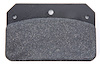
AEROSPACE COMPONENTS
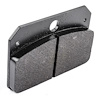
AC-HPS100 High Performance Street Brake Pads 4 Piston and 2 Piston Floater Caliper
Part Number: 026-AC-HPS100
 Ships Today
 Lowest price guarantee
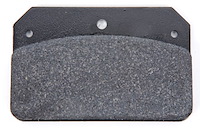
AEROSPACE COMPONENTS
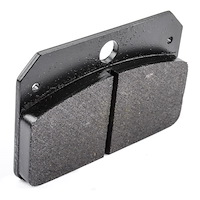
AC-HPS100 High Performance Street Brake Pads 4 Piston and 2 Piston Floater Caliper
Part Number: 026-AC-HPS100
Ships TodayLowest Price Guarantee
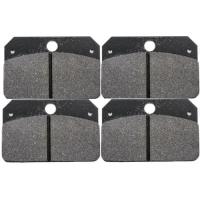


POWER STOP
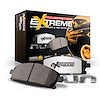
Z36-2490 Front Z36 Truck & SUV Carbon-Fiber Ceramic Brake Pads w/Hardware Kit
Part Number: 419-Z36-2490
Ships TodayLowest price guarantee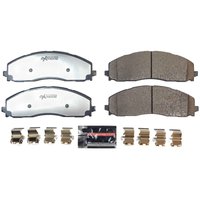
POWER STOP
Z36-2490 Front Z36 Truck & SUV Carbon-Fiber Ceramic Brake Pads w/Hardware Kit
Part Number: 419-Z36-2490
Ships TodayLowest Price Guarantee
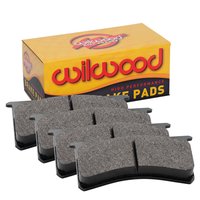
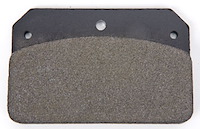
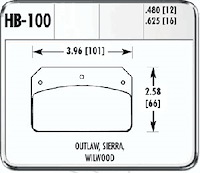
WILWOOD
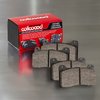
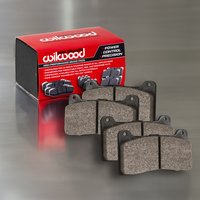
150-8850K BP-10 Smart Pads Brake Pads Calipers: Wilwood DL, Aerospace, Lamb, Outlaw, Sierra/JFZ, US Brake
Part Number: 950-150-8850K
Ships TodayLowest price guarantee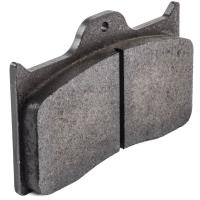
WILWOOD
150-8850K BP-10 Smart Pads Brake Pads Calipers: Wilwood DL, Aerospace, Lamb, Outlaw, Sierra/JFZ, US Brake
Part Number: 950-150-8850K
Ships TodayLowest Price Guarantee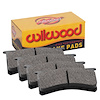
WILWOOD
150-20-7416K Smart Pad BP-20 Street Performance/Racing Brake Pads for Narrow Superlite Calipers [BP-20 Compound]
Part Number: 950-150-20-7416K
Ships TodayLowest price guarantee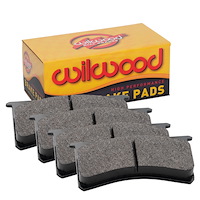
WILWOOD
150-20-7416K Smart Pad BP-20 Street Performance/Racing Brake Pads for Narrow Superlite Calipers [BP-20 Compound]
Part Number: 950-150-20-7416K
Ships TodayLowest Price Guarantee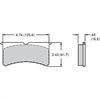
POWER STOP
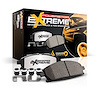
Z36-2250 Truck & Tow Front Carbon-Fiber Ceramic Brake Pads for Select GM Truck 2500/3500
Part Number: 419-Z36-2250
Ships TodayLowest price guarantee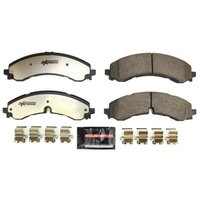
POWER STOP
Z36-2250 Truck & Tow Front Carbon-Fiber Ceramic Brake Pads for Select GM Truck 2500/3500
Part Number: 419-Z36-2250
Ships TodayLowest Price Guarantee
AEROSPACE COMPONENTS
High Performance Brake Pads 2 Piston Fixed Mount and Single Piston Floater Caliper
Part Number: 026-AC-HP104
Ships on 11/24/2026Lowest price guarantee
AEROSPACE COMPONENTS
High Performance Brake Pads 2 Piston Fixed Mount and Single Piston Floater Caliper
Part Number: 026-AC-HP104
Ships on 11/24/2026Lowest Price Guarantee

POWER STOP
Z36 Truck And Tow Carbon Ceramic Brake Pads Specifically engineered for towing or hauling
Part Number: 419-Z36-1335
Ships TodayLowest price guarantee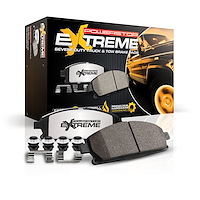
POWER STOP
Z36 Truck And Tow Carbon Ceramic Brake Pads Specifically engineered for towing or hauling
Part Number: 419-Z36-1335
Ships TodayLowest Price GuaranteeFrequently Asked Questions About Disc Brake Pads
How Long Do Ceramic Brake Pads Last?
Ceramic brake pads typically last 75,000 miles or more. Your actual pad life depends on how you drive, what your vehicle weighs, and how often you tow. Check pad thickness during routine service so you can replace them before they wear down.
Are Brake Pads Universal?
No, brake pads are application specific. Confirm your year, make, model, and brake system before you order. The exception is custom race and hot rod brake systems, where you match the pad to the caliper.
Do I Need to Bleed My Brakes After Changing Pads?
Not if you only replaced the pads. Bleeding is needed when you open the hydraulic system, such as when you replace a caliper or brake hose.
How Do I Break In New Brake Pads?
From 30-35 mph, brake down to under 5 mph several times, giving the brakes about 30 seconds to cool between stops. Next, make several firm stops from 50-55 mph down to about 5 mph. Finish by driving for a few minutes so the brakes can cool.
Why Do My New Brake Pads Squeal?
Squeal usually comes from debris between the pad and rotor or from worn hardware like shims, clips, and springs. Replace worn hardware and lubricate the slide pins and contact points. Worn pads can also squeal, so inspect them if the noise returns later.
Should I Replace Rotors When I Replace Pads?
Not always, but you should inspect your rotors every time the pads come off. Replace them if they're grooved, warped, or below the vehicle manufacturer's minimum thickness. Semi-metallic pads wear rotors faster, so check rotors closely if you run that compound.