


 Order Status & Returns
 Gift Cards
 Help Center
 1-800-345-4545
Brake Rotors
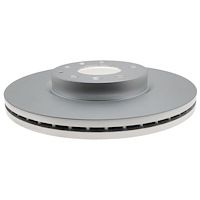
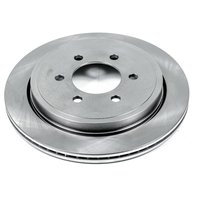
Brake rotors give your pads a friction surface to clamp, so your car or truck can turn speed into heat and slow down. This category covers replacement and performance rotors in drilled and slotted, slotted, vented, curved-vane, and two-piece designs. You can filter by position, material, grade type, style, finish, and outside diameter, then use the Year/Make/Model or VIN selector to see rotors that fit.
Show More
Brake Rotor Styles: Drilled and Slotted, Slotted, Vented, and Curved Vane
The right rotor style depends on how much heat your brakes see. In daily driving, rotor temperatures rarely exceed 300-400F, so solid rotors are often sufficient. Once you add towing, heavy loads, or track days, surface features and internal cooling start to matter.
Here's how the common styles compare:
- Drilled rotors use holes to release heat, gas, and water, but the holes can create stress points that crack under high-heat track use.
- Slotted rotors wipe the pad surface and reduce glazing, and they resist cracking better than drilled designs.
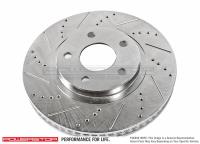
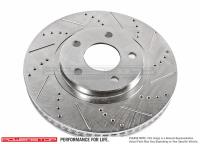
- Drilled and slotted rotors combine both features in one rotor.
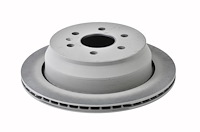
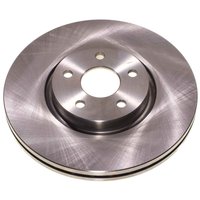
- Vented rotors place vanes between two friction faces so heat can escape, which helps resist fade.
- Curved-vane rotors are directional, so they're sold as left and right parts.
Slotted rotors suit towing, heavy loads, and performance driving, though they may wear pads faster and add some noise. For a deeper look at the tradeoffs, read our guide to drilled vs. slotted brake rotors.
Replacement Rotors vs. Performance Two-Piece Rotors
Replacement rotors restore factory-style braking, while two-piece rotors cut weight and let you replace just the friction ring. Most replacement rotors are cast from iron, and G3000 grade is common for this type. They're a direct fit for a daily driver, a restored classic, or a work truck that needs fresh stopping surfaces.
A two-piece rotor bolts an iron ring to a separate hat, which is usually aluminum. That design reduces weight, and when the ring wears out, you can swap it without buying a new hat. Two-piece rotors often show up in a big brake kit, paired with larger brake calipers.
If you're planning a full upgrade, confirm that your wheels clear the new rotor and caliper before you order. If you're keeping the stock system, a quality replacement rotor is usually the simpler path. Either way, use the filters to compare rotor style, grade type, and finish side by side.
Brake Pads and Rotors: Why Buy a Matched Brake Pad and Rotor Kit
Buying brake pads and rotors together gives you fresh friction surfaces that wear in as a set. Deep grooves on old rotors can keep new pads from making full contact, so many builders replace both parts at the same time.
A brake pad and rotor kit takes the guesswork out of pairing a pad compound with a rotor style. It also means one fitment check and one order. Browse our disc brake kits for packaged sets. If you already picked your rotors, shop disc brake pads separately to match the compound you want.
Keep pad choice in line with rotor style. Slotted rotors may wear pads faster, so factor pad replacement into your budget if you drive a lot of miles. Whatever combination you choose, bed in the new pads and rotors before you make any hard stops. Plan time for that step when you schedule the install.
How to Choose Brake Rotors by Diameter, Material, Finish, and Position
Start with fitment, then narrow your choices by diameter, material, finish, and position. Enter your Year/Make/Model or VIN in the vehicle selector so the list shows front brake rotors and rear rotors built for your car or truck.
Outside diameter has to match your calipers and brackets, and the rotor has to clear your wheels. Material and grade type tell you what the rotor is cast from, and iron is the norm for replacement parts. Finish affects corrosion resistance. Coatings such as zinc help resist rust on the hat and vents, where the pads don't wipe the surface clean.
Position covers front, rear, left, and right. That matters most for directional curved-vane designs, which must be installed on the side they're built for. Before you install, inspect your disc brake hardware, including clips, pins, and bolts. You'll find the rest of the system in our disc brakes category.
Brake Rotor Brands at JEGS: Power Stop, StopTech, Baer, Wilwood, Hawk, and Dynamic Friction
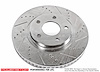
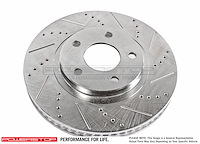
JEGS carries rotors from established brake brands, so you can match a part to your budget and your build. Power Stop offers Extreme Performance drilled and slotted rotors for GM cars and trucks. StopTech makes Sport Drilled rotors for drivers who want a drilled look and extra heat release.
Hawk Performance offers Quiet Slot rotors for drivers who want a slotted face on a street car. Baer supplies replacement rotors sold as left and right parts. Dynamic Friction covers direct-replacement rotors for a wide range of vehicles.
Wilwood offers GT 60 and GT 72 curved-vane rotors, staggered vane designs, and GT vented rotor and hat assemblies for custom and race brake systems. Not sure which upgrade path fits your project? Compare Baer vs. Wilwood brakes in our tech guide, then use the vehicle selector to shop brake rotors that fit.

ADD A VEHICLE TO GUARANTEE PARTS FIT
See products that fit

ADD A VEHICLE TO GUARANTEE PARTS FIT
See products that fit
DINAN
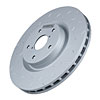
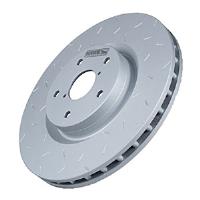
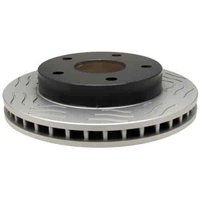
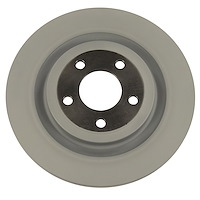
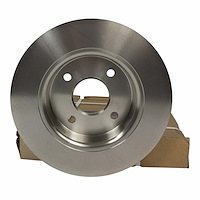
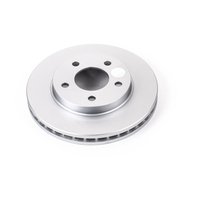
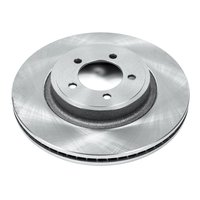
D230-0391 Dinan by Brembo Replacement Rotor Set, BMW 1/3/5-Series
Part Number: 421-D230-0391
 Ships on 11/09/2026
 Lowest price guarantee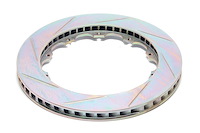
DINAN
D230-0391 Dinan by Brembo Replacement Rotor Set, BMW 1/3/5-Series
Part Number: 421-D230-0391
Ships on 11/09/2026Lowest Price Guarantee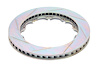
DINAN
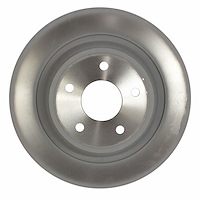
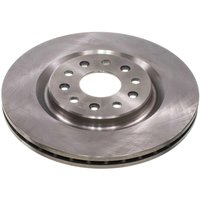
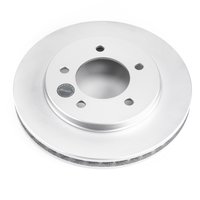
D230-0361 Dinan by Brembo Replacement Rotor Set, 1997-2006 BMW 3-Series/Z4
Part Number: 421-D230-0361
Ships on 11/16/2026Lowest price guarantee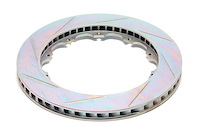
DINAN
D230-0361 Dinan by Brembo Replacement Rotor Set, 1997-2006 BMW 3-Series/Z4
Part Number: 421-D230-0361
Ships on 11/16/2026Lowest Price Guarantee
DINAN
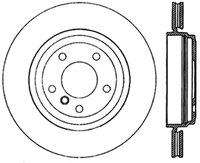
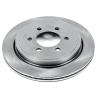
D230-0461 Dinan by Brembo Replacement Rotor Set, BMW 3/5/6-Series/Z4
Part Number: 421-D230-0461
Ships on 11/02/2026Lowest price guarantee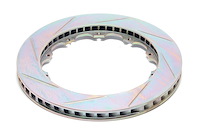
DINAN
D230-0461 Dinan by Brembo Replacement Rotor Set, BMW 3/5/6-Series/Z4
Part Number: 421-D230-0461
Ships on 11/02/2026Lowest Price Guarantee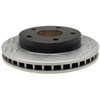
Frequently Asked Questions About Brake Rotors
How long do brake rotors last?
Rotor life varies with your driving style, pad compound, and vehicle, so there's no single mileage number that fits every car or truck. Towing, heavy loads, and track use put more heat into rotors than light commuting does. Inspect your rotors at every pad change and measure their thickness against the minimum spec.
How do I know when my rotors need replacing?
Common signs include pedal pulsation, grinding, deep grooves, cracks, blue heat spots, heavy rust, and excessive runout. Measure thickness with a micrometer and compare it to the minimum thickness, or discard, spec stamped on the rotor hat, edge, or vents. If the rotor is at or below that spec, replace it.
Should I replace rotors every time I replace brake pads?
Not always. If your rotors are above minimum thickness and free of cracks, deep grooves, heat spots, and runout, you may reuse them. If they show any of those signs, replace them along with the pads.
Can brake rotors be resurfaced instead of replaced?
Yes, as long as the rotor will stay above its minimum thickness spec after machining. If the cut would take it to or below that spec, replace the rotor instead. Drilled and slotted designs need extra care, so read our guide to resurfacing drilled or slotted rotors before you machine them.
Do new brake rotors and pads need to be broken in?
Yes. New pads and rotors should be bedded in before you make hard stops. Bedding transfers an even layer of pad material onto the rotor face so the two surfaces work together. Follow the pad manufacturer's bed-in procedure for your specific compound.