


 Order Status & Returns
 Gift Cards
 Help Center
 1-800-345-4545
Disc Brakes
Disc brakes give your vehicle stronger, more consistent stopping power than drum brakes, with better heat dissipation and less fade under hard use. At JEGS you can shop a complete disc brake system in one place, including calipers, rotors, pads, conversion kits, hardware and brake ducting. Whether you're upgrading a daily driver, building a track car or swapping a classic from drums to discs, you'll find parts sized and finished to match your build.
Show More
How Do Disc Brakes Work?
Disc brakes stop your vehicle by clamping a pair of pads against a spinning rotor to turn motion into friction. When you press the pedal, hydraulic pressure pushes the caliper pistons, and the pads squeeze the rotor until the wheel slows. Because the rotor sits in open airflow, it sheds heat fast and keeps braking consistent through repeated stops.
That open design is what helps disc brakes resist the fade that hot drum systems suffer on long descents. Most performance setups combine a vented or drilled-and-slotted rotor with a multi-piston caliper for firm, even clamping. The right combination depends on your vehicle weight, power level and how you drive. Front brakes handle most of your stopping force, so many builders upgrade the front first and then match the rear to keep the bias balanced.
Shop Disc Brakes By Component
A complete disc brake setup comes together from a handful of core parts, and you can shop each one at JEGS:
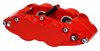
- Brake calipers: floating, fixed and multi-piston designs that clamp the pads against the rotor.
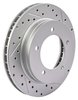
- Brake rotors: vented, drilled and slotted discs that the pads grip to slow the wheel.
- Disc brake pads: ceramic, semi-metallic and carbon compounds matched to street or track use.
- Disc brake kits: matched calipers, rotors, pads and brackets for a bolt-on upgrade or conversion.
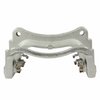
- Disc brake hardware: pins, clips, bolts and brackets that keep the caliper mounted and quiet.
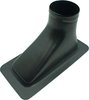
- Brake ducting: hoses and backing plates that feed cool air to hard-working track brakes.
Buying the parts together helps you match rotor diameter, caliper size and pad compound so the whole system works as one.
Disc Brakes Vs. Drum Brakes
Disc brakes outperform drum brakes on stopping power, heat management and wet-weather bite, which is why they became the standard on modern vehicles. Drums trap heat inside a closed housing, so they fade faster during long descents or repeated hard stops. Discs vent that heat into open air and recover quickly, giving you a firmer, more predictable pedal.
Drums still work fine for light-duty rear applications, but most upgrades move toward discs. If you're weighing the two, our guide to the differences between drum and disc brakes breaks down where each design makes sense for your vehicle. For most street, tow and performance builds, a front disc setup gives you the more consistent pedal you want, while some vehicles keep rear drums to hold down cost and preserve a simple parking brake.
How To Choose Disc Brakes For Your Build
Start by matching your brakes to how you drive, then pick a brand, rotor style and caliper size that fit your goals and budget. A daily driver or tow vehicle wants quiet pads and rotors that resist rust and shrug off heat. A track or autocross car needs larger rotors and multi-piston calipers to handle repeated high-heat stops.
Power Stop builds bolt-on kits with zinc-plated drilled-and-slotted rotors and carbon-ceramic pads for street and towing drivers. Wilwood forges lightweight performance calipers and matching rotors for drag, autocross and road-course cars. Confirm fitment with the vehicle selector before you buy, since caliper and rotor sizing depends on your wheels and spindles. If you're not sure which compound suits you, start with a ceramic pad for quiet, low-dust street driving and step up to a semi-metallic or track compound as your speeds and heat climb.
Disc Brake Conversion Kits For Classic And Muscle Cars
A disc brake conversion kit swaps aging drum brakes for a modern disc setup, giving a classic confident, repeatable stopping power. Most kits bundle the rotors, calipers, pads, brackets and hardware you need for a front or rear axle, and many add spindles or brake lines. Sixties muscle cars were built with drum brakes that struggle at modern speeds, so a conversion is one of the highest-value brake upgrades you can make.
Read our step-by-step guide on how to convert rear drum brakes to disc brakes before you order, and compare brands with our Baer vs. Wilwood brake comparison. When you're ready, shop the full brakes lineup to finish your project. A complete kit also saves you time matching parts, since the calipers, rotors, pads and brackets are engineered to work together and sized for your application right out of the box.

ADD A VEHICLE TO GUARANTEE PARTS FIT
See products that fit

POWER STOP
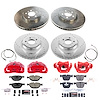
Z23 Daily Driver Carbon-Fiber Ceramic Pads Drilled & Slotted Rotor & Caliper Kit for 2010-2015 BMW 750i xDrive
Part Number: 419-KC7098
 Ships TomorrowFree shipping
 Lowest price guarantee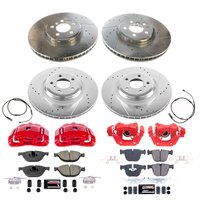
POWER STOP
Z23 Daily Driver Carbon-Fiber Ceramic Pads Drilled & Slotted Rotor & Caliper Kit for 2010-2015 BMW 750i xDrive
Part Number: 419-KC7098
Ships TomorrowFree shippingLowest Price Guarantee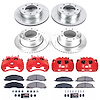
POWER STOP
Z23 Daily Driver Carbon-Fiber Ceramic Pads Drilled & Slotted Rotor & Caliper Kit for 2013-2018 Ram 3500
Part Number: 419-KC7141
Ships TomorrowFree shippingLowest price guarantee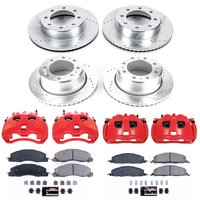
POWER STOP
Z23 Daily Driver Carbon-Fiber Ceramic Pads Drilled & Slotted Rotor & Caliper Kit for 2013-2018 Ram 3500
Part Number: 419-KC7141
Ships TomorrowFree shippingLowest Price Guarantee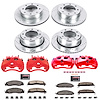
POWER STOP
Z36 Truck and SUV Ceramic Brake Pad, Drilled & Slotted Rotor, and Caliper Kit for 2011-2012 Ram 3500
Part Number: 419-KC5458A-36
Ships TomorrowFree shippingLowest price guarantee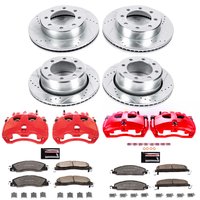
POWER STOP
Z36 Truck and SUV Ceramic Brake Pad, Drilled & Slotted Rotor, and Caliper Kit for 2011-2012 Ram 3500
Part Number: 419-KC5458A-36
Ships TomorrowFree shippingLowest Price Guarantee
POWER STOP
OE Stock Replacement Low-Dust Ceramic Brake Pad, Rotor and Caliper Kit for 2015-2016 Ford F-350 Super Duty
Part Number: 419-KCOE8028
Ships TomorrowFree shippingLowest price guarantee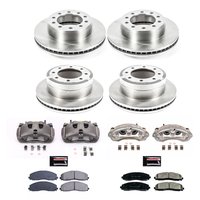
POWER STOP
OE Stock Replacement Low-Dust Ceramic Brake Pad, Rotor and Caliper Kit for 2015-2016 Ford F-350 Super Duty
Part Number: 419-KCOE8028
Ships TomorrowFree shippingLowest Price Guarantee
POWER STOP
Z36 Truck and SUV Ceramic Brake Pad, Drilled & Slotted Rotor, and Caliper Kit for 2012-2019 Chevrolet Silverado 3500 HD
Part Number: 419-KC6260-36
Ships TodayFree shippingLowest price guarantee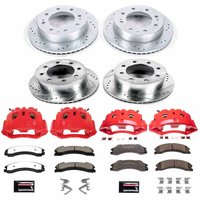
POWER STOP
Z36 Truck and SUV Ceramic Brake Pad, Drilled & Slotted Rotor, and Caliper Kit for 2012-2019 Chevrolet Silverado 3500 HD
Part Number: 419-KC6260-36
Ships TodayFree shippingLowest Price Guarantee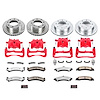
POWER STOP
Z36 Extreme Performance Truck And Tow 1-Click Brake Kit w/Calipers
Part Number: 419-KC4426-36
Ships TomorrowFree shippingLowest price guarantee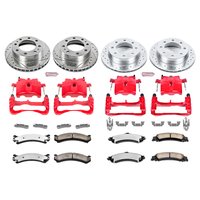
POWER STOP
Z36 Extreme Performance Truck And Tow 1-Click Brake Kit w/Calipers
Part Number: 419-KC4426-36
Ships TomorrowFree shippingLowest Price Guarantee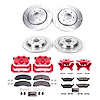
POWER STOP
Z23 Daily Driver Carbon-Fiber Ceramic Pads Drilled & Slotted Rotor & Caliper Kit for 2015-2017 Ford F-150
Part Number: 419-KC6803
Ships TomorrowFree shippingLowest price guarantee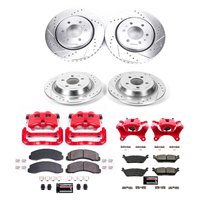
POWER STOP
Z23 Daily Driver Carbon-Fiber Ceramic Pads Drilled & Slotted Rotor & Caliper Kit for 2015-2017 Ford F-150
Part Number: 419-KC6803
Ships TomorrowFree shippingLowest Price Guarantee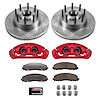
POWER STOP
Z36 Truck and SUV Ceramic Brake Pad, Drilled & Slotted Rotor, and Caliper Kit for 2012-2022 Ford F-250 Super Duty
Part Number: 419-KC6821-36
Ships TomorrowFree shippingLowest price guarantee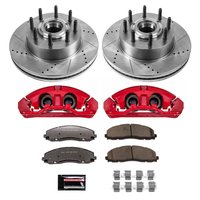
POWER STOP
Z36 Truck and SUV Ceramic Brake Pad, Drilled & Slotted Rotor, and Caliper Kit for 2012-2022 Ford F-250 Super Duty
Part Number: 419-KC6821-36
Ships TomorrowFree shippingLowest Price Guarantee
POWER STOP
Z36 Truck and SUV Carbon-Fiber Ceramic Brake Pad and Drilled & Slotted Rotor Kit for 2019-2025 Ram 2500
Part Number: 419-K8640-36
Ships TodayFree shippingLowest price guarantee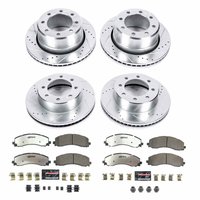
POWER STOP
Z36 Truck and SUV Carbon-Fiber Ceramic Brake Pad and Drilled & Slotted Rotor Kit for 2019-2025 Ram 2500
Part Number: 419-K8640-36
Ships TodayFree shippingLowest Price Guarantee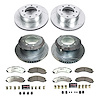
POWER STOP
Z36 Truck and SUV Carbon-Fiber Ceramic Brake Pad and Drilled & Slotted Rotor Kit for 2019-2025 Ram 3500
Part Number: 419-K8792-36
Ships TodayFree shippingLowest price guarantee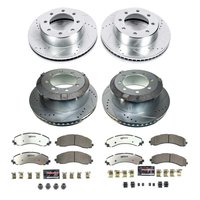
POWER STOP
Z36 Truck and SUV Carbon-Fiber Ceramic Brake Pad and Drilled & Slotted Rotor Kit for 2019-2025 Ram 3500
Part Number: 419-K8792-36
Ships TodayFree shippingLowest Price Guarantee
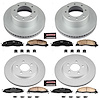
POWER STOP
Z17 Evolution Coated Rotor and Low-Dust Ceramic Brake Pad Kit for 2011-2018 Ram 1500/2500/3500
Part Number: 419-CRK5458
Ships TomorrowFree shippingLowest price guarantee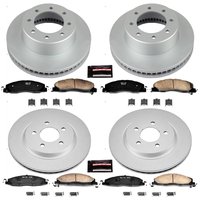
POWER STOP
Z17 Evolution Coated Rotor and Low-Dust Ceramic Brake Pad Kit for 2011-2018 Ram 1500/2500/3500
Part Number: 419-CRK5458
Ships TomorrowFree shippingLowest Price Guarantee
POWER STOP
Z36 Truck and SUV Ceramic Brake Pad, Drilled & Slotted Rotor, and Caliper Kit for 2013-2016 Ford F-350 Super Duty
Part Number: 419-KC6823-36
Ships TomorrowFree shippingLowest price guarantee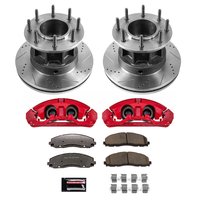
POWER STOP
Z36 Truck and SUV Ceramic Brake Pad, Drilled & Slotted Rotor, and Caliper Kit for 2013-2016 Ford F-350 Super Duty
Part Number: 419-KC6823-36
Ships TomorrowFree shippingLowest Price Guarantee
RIGHT STUFF
58 - 64 Full Size Chevy 4 Wheel Power Disc Conversion w/ Black Powder Coat Drilled Slotted Rotors Br
Part Number: 965-FSC584DCCS
Ships TomorrowFree shippingLowest price guarantee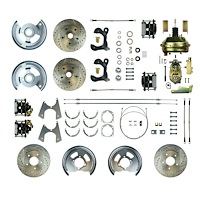
RIGHT STUFF
58 - 64 Full Size Chevy 4 Wheel Power Disc Conversion w/ Black Powder Coat Drilled Slotted Rotors Br
Part Number: 965-FSC584DCCS
Ships TomorrowFree shippingLowest Price Guarantee
POWER STOP
Z23 Daily Driver Carbon-Fiber Ceramic Pads Drilled & Slotted Rotor & Caliper Kit for 1999-2002 Ford E-350 Econoline Club Wagon
Part Number: 419-KC4435A
Ships on 10/16/2026Free shippingLowest price guarantee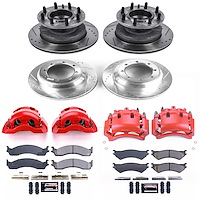
POWER STOP
Z23 Daily Driver Carbon-Fiber Ceramic Pads Drilled & Slotted Rotor & Caliper Kit for 1999-2002 Ford E-350 Econoline Club Wagon
Part Number: 419-KC4435A
Ships on 10/16/2026Free shippingLowest Price Guarantee
POWER STOP
Z36 Truck and SUV Ceramic Brake Pad, Drilled & Slotted Rotor, and Caliper Kit for 2015-2016 Ford F-350 Super Duty
Part Number: 419-KC8028-36
Ships on 10/16/2026Free shippingLowest price guarantee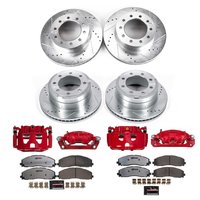
POWER STOP
Z36 Truck and SUV Ceramic Brake Pad, Drilled & Slotted Rotor, and Caliper Kit for 2015-2016 Ford F-350 Super Duty
Part Number: 419-KC8028-36
Ships on 10/16/2026Free shippingLowest Price Guarantee
RIGHT STUFF
67 - 69 Camaro 68 - 74 Nova 4 Wheel Power Disc Conversion w/ Braided Stainless Red Powder Coated cal
Part Number: 965-AFXDC42CZX
Ships on 10/16/2026Free shippingLowest price guarantee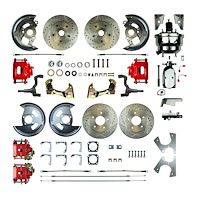
RIGHT STUFF
67 - 69 Camaro 68 - 74 Nova 4 Wheel Power Disc Conversion w/ Braided Stainless Red Powder Coated cal
Part Number: 965-AFXDC42CZX
Ships on 10/16/2026Free shippingLowest Price Guarantee
POWER STOP
Z36 Truck and SUV Ceramic Brake Pad, Drilled & Slotted Rotor, and Caliper Kit for 2012-2022 Ford F-250 Super Duty
Part Number: 419-KC6820A-36
Ships on 10/16/2026Free shippingLowest price guarantee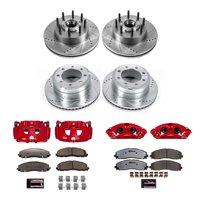
POWER STOP
Z36 Truck and SUV Ceramic Brake Pad, Drilled & Slotted Rotor, and Caliper Kit for 2012-2022 Ford F-250 Super Duty
Part Number: 419-KC6820A-36
Ships on 10/16/2026Free shippingLowest Price Guarantee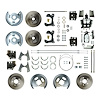
RIGHT STUFF
Four Wheel Disc Brake Conversion Kit
Part Number: 965-FSC594DCCX
Ships on 10/16/2026Free shippingLowest price guarantee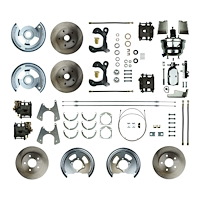
RIGHT STUFF
Four Wheel Disc Brake Conversion Kit
Part Number: 965-FSC594DCCX
Ships on 10/16/2026Free shippingLowest Price Guarantee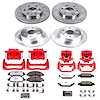
POWER STOP
Z36 Truck and SUV Ceramic Brake Pad, Drilled & Slotted Rotor, and Caliper Kit for 2015-2020 Chevrolet Tahoe
Part Number: 419-KC7225-36
Ships TomorrowFree shippingLowest price guarantee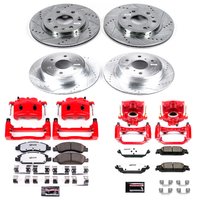
POWER STOP
Z36 Truck and SUV Ceramic Brake Pad, Drilled & Slotted Rotor, and Caliper Kit for 2015-2020 Chevrolet Tahoe
Part Number: 419-KC7225-36
Ships TomorrowFree shippingLowest Price Guarantee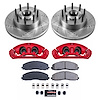
POWER STOP
Z23 Daily Driver Carbon-Fiber Ceramic Pads Drilled & Slotted Rotor & Caliper Kit for 2012-2022 Ford F-250 Super Duty
Part Number: 419-KC6821
Ships TomorrowFree shippingLowest price guarantee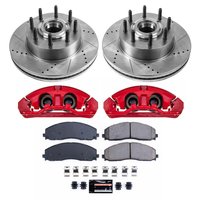
POWER STOP
Z23 Daily Driver Carbon-Fiber Ceramic Pads Drilled & Slotted Rotor & Caliper Kit for 2012-2022 Ford F-250 Super Duty
Part Number: 419-KC6821
Ships TomorrowFree shippingLowest Price Guarantee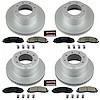
POWER STOP
Z17 Evolution Coated Rotor and Low-Dust Ceramic Brake Pad Kit for 2012-2022 Ford F-250 Super Duty/F-350 Super Duty
Part Number: 419-CRK6405
Ships TomorrowFree shippingLowest price guarantee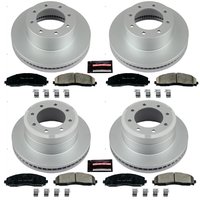
POWER STOP
Z17 Evolution Coated Rotor and Low-Dust Ceramic Brake Pad Kit for 2012-2022 Ford F-250 Super Duty/F-350 Super Duty
Part Number: 419-CRK6405
Ships TomorrowFree shippingLowest Price Guarantee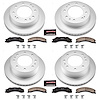
POWER STOP
Z17 Evolution Coated Rotor and Low-Dust Ceramic Brake Pad Kit for 2011 Chevrolet Silverado 2500 HD/Silverado 3500 HD
Part Number: 419-CRK5561
Ships TomorrowFree shippingLowest price guarantee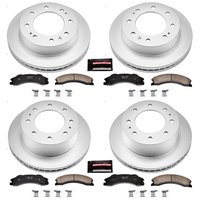
POWER STOP
Z17 Evolution Coated Rotor and Low-Dust Ceramic Brake Pad Kit for 2011 Chevrolet Silverado 2500 HD/Silverado 3500 HD
Part Number: 419-CRK5561
Ships TomorrowFree shippingLowest Price Guarantee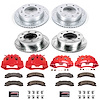
POWER STOP
Z36 Truck and SUV Ceramic Brake Pad, Drilled & Slotted Rotor, and Caliper Kit for 2011 Chevrolet Silverado 3500 HD
Part Number: 419-KC5560-36
Ships TomorrowFree shippingLowest price guarantee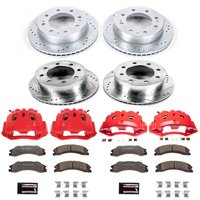
POWER STOP
Z36 Truck and SUV Ceramic Brake Pad, Drilled & Slotted Rotor, and Caliper Kit for 2011 Chevrolet Silverado 3500 HD
Part Number: 419-KC5560-36
Ships TomorrowFree shippingLowest Price GuaranteeFrequently Asked Questions About Disc Brakes
How Do I Know When My Disc Brakes Need Replacing?
Watch for a squeal or grinding noise, a vibration or pulsing through the pedal, longer stopping distances, or a pull to one side. Thin pads, scored rotors and fluid leaks around a caliper are all signs it's time to replace parts. Inspect your brakes whenever you rotate tires so you catch wear early.
Do I Need To Replace Disc Brake Pads And Rotors At The Same Time?
Not always, but it's often the smart move. If your rotors are still above minimum thickness and true, you can replace just the pads. When rotors are scored, warped or thin, replace pads and rotors together so the new pads bed in evenly.
How Much Does A Disc Brake Conversion Kit Cost?
At JEGS, front disc brake conversion kits generally run from about $300 to $800, and rear kits from roughly $250 to $700. High-performance kits with larger rotors and multi-piston calipers can exceed $1,000. Your final cost depends on your vehicle, the components and whether you add labor.
What Brands Of Disc Brakes Does JEGS Carry?
JEGS carries disc brakes from trusted performance brands, including Wilwood forged racing calipers and Power Stop bolt-on street and towing kits. You can filter any disc brake category by brand, price and position to find the right fit. That makes it easy to compare a budget daily-driver setup against a full big-brake build.
Are Bigger Disc Brake Rotors Always Better?
Bigger rotors add clamping leverage and more surface area to absorb heat, which helps on heavy or track-driven vehicles. But they add weight, need larger wheels to clear, and can be overkill on a light street car. Match rotor diameter to your vehicle weight, power and wheel size rather than going as large as possible.