


 Order Status & Returns
 Gift Cards
 Help Center
 1-800-345-4545
Drum Brakes
Drum brakes bring together the brake drums, brake shoes, wheel cylinders, hardware, and complete kits you need to service the drum brake system on your car, truck, or classic build. You can shop by fitment and rebuild the whole system at once, so every component works together instead of piecing parts from mismatched setups. You'll find brake drums, shoes, wheel cylinders, hardware, and complete kits sized for common front and rear applications.
Show More
What Parts Make Up a Drum Brake System?
A drum brake works by forcing a pair of curved brake shoes outward against the inside of a spinning drum, and a hydraulic wheel cylinder supplies the pressure that pushes those shoes apart. When you press the pedal, that friction slows the wheel, and return springs pull the shoes back the moment you let off.
Here are the main components you'll work with when you service or rebuild a drum brake:
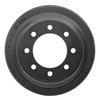
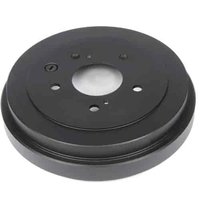
- brake drums: the machined housing the shoes press against to create stopping friction.
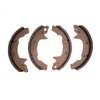
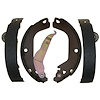
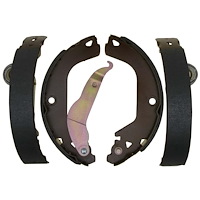
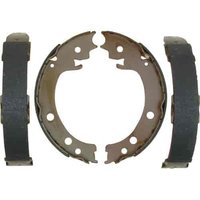
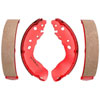
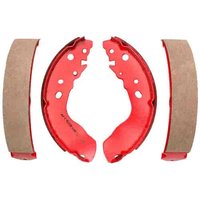
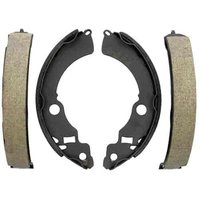
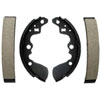
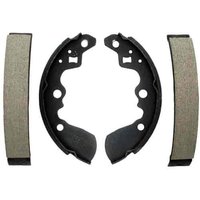
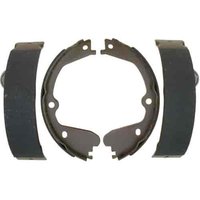
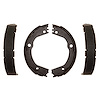
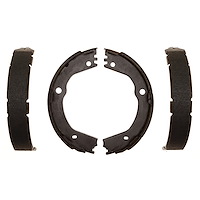
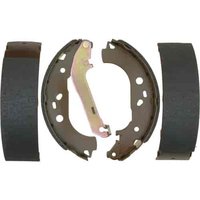
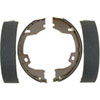
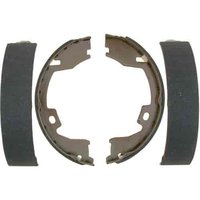
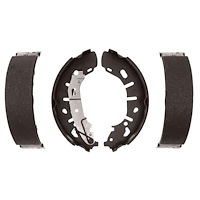
- brake shoes: curved friction pieces that expand outward against the drum surface.
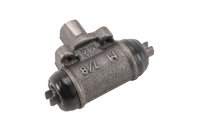
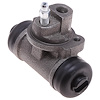
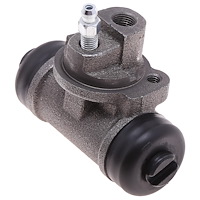
- wheel cylinders: the hydraulic pistons that push the shoes apart under pedal pressure.
- Return springs: tension springs that pull the shoes back to rest when you release the brake.
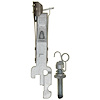
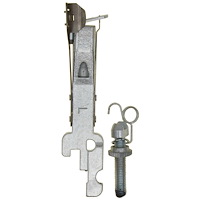
- Adjuster or self-adjuster: keeps shoe-to-drum clearance correct as the friction material wears.
- Backing plate: the mounting base that holds the shoes, cylinder, and hardware in place.
How Do You Choose Brake Drums and Brake Shoes?
Start with your vehicle's specs and the position you're servicing, since front and rear drums differ in size and shoe width. Match the new brake drums to the original diameter and bolt pattern so they seat correctly and clear the backing plate.
Most brake drums use cast iron for its heat resistance and long wear life, which makes it a dependable choice for daily drivers and heavier trucks. For brake shoes, you'll choose between riveted and bonded friction material: riveted shoes handle heat well and stay easy to inspect, while bonded shoes use the full friction surface and run quietly. Pick a friction compound that suits how you drive, whether that's street commuting or towing.
Matching brand quality to your build helps too. Dynamic Friction offers performance-minded friction options, while ACDelco covers OE-replacement parts for common applications. Confirm the shoe and drum specs against your make, model, and year before you buy, and replace both wheels' components as a pair to keep braking balanced.
What Drum Brake Hardware and Wheel Cylinders Do You Need?
Every drum brake rebuild needs fresh hardware and a healthy wheel cylinder, because worn springs and leaking cylinders cause uneven braking and dragging shoes. Refresh both while the drum is off to avoid a repeat teardown.
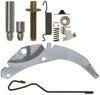
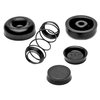
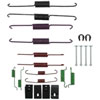
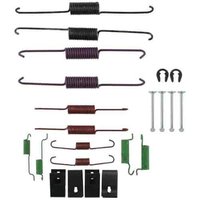
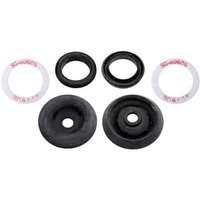
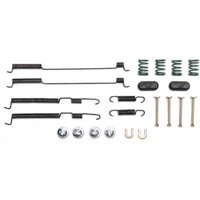
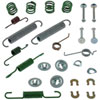
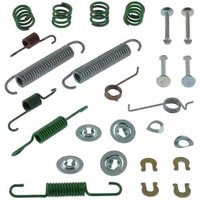
Drum brake hardware kits bundle the small parts that wear out and lose tension over time, including return springs, hold-down pins, clips, and adjuster components. Replacing these during a brake job restores proper shoe movement and keeps the self-adjusting mechanism working. Shop drum brake hardware kits to get the matched springs and clips for your setup, and add wheel cylinder hardware such as boots, pistons, and seals when you rebuild rather than replace.
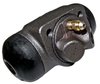
The wheel cylinder is the hydraulic heart of the system, pushing the shoes outward when you apply the pedal. If it leaks brake fluid or sticks, replace it before it contaminates the shoes. Brands like R1 Concepts supply hardware and cylinder components for a range of applications.
When Should You Choose a Drum Brake Kit?
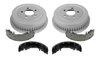
Choose a drum brake kit when you're refreshing an entire axle instead of chasing one worn part, since a complete kit bundles the drums, shoes, and hardware that wear together.
A full rear drum brake refresh goes faster when the components are matched from the start, and a kit removes the guesswork of pairing drum diameter, shoe width, and spring sets. This is the practical route for a high-mileage vehicle where the shoes sit near the wear limit, the drums are scored, and the springs have lost tension. Buying the parts together usually saves time over sourcing each piece separately.
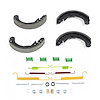
Shop drum brake kits for matched rear-axle sets, and consider a brand like Power Stop when you want a coordinated package. If your build needs parts beyond the drum system, browse the full brake parts catalog for rotors, pads, lines, and master cylinders.
Drum Brakes vs. Disc Brakes: Which Do You Need?
Many vehicles run rear drum brakes from the factory because drums are cost-effective, self-energizing, and well suited to the lighter braking load at the rear axle. That's why rebuilding a working drum setup is often the smart first move.
If your rear drums are working and parts are available for your application, rebuilding them is the straightforward, budget-friendly path. Drums also integrate easily with many parking-brake designs, which keeps a rear drum setup simple to maintain. Keep your drum brakes when you want to match the original design, control costs, or service a classic that came with drums.
Consider converting to disc brakes when you're chasing better heat management for towing, track use, or frequent stop-and-go driving, since discs shed heat more effectively under repeated hard stops. To weigh the tradeoffs, read our drum vs. disc brakes guide, and if you decide to upgrade, follow the rear drum-to-disc conversion guide for the parts and steps involved.

ADD A VEHICLE TO GUARANTEE PARTS FIT
See products that fit


 Lowest price guarantee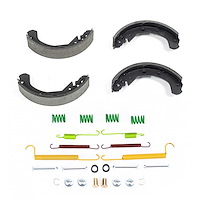
Frequently Asked Questions About Drum Brakes
How do drum brakes work?
When you press the brake pedal, hydraulic pressure pushes the wheel cylinder pistons outward, which forces the brake shoes against the inside of the spinning drum. That friction slows the wheel, and return springs pull the shoes back when you release the pedal. A self-adjuster keeps the shoe-to-drum gap consistent as the friction material wears.
How long do drum brakes last?
Drum brake life depends on your driving style, load, and the quality of the friction material, so mileage varies widely between vehicles. Brake shoes on a rear axle often last longer than front components because the rear carries less of the braking load. Inspect them during routine service and measure the drum and shoe wear against the manufacturer's specs.
What are the signs of worn drum brakes?
Common signs include a soft or low pedal, squealing or scraping noises, and a parking brake that needs more travel to hold. You might also feel pulsing or grabbing if the drums are scored or out of round. Have the system inspected promptly, since worn shoes and leaking wheel cylinders reduce stopping power.
Can you replace brake shoes without replacing the drum?
Yes, if the drum is still within the manufacturer's diameter spec and its surface is smooth and free of deep scoring. Many drums can be measured and, if needed, resurfaced to clean up minor wear before you install new shoes. If the drum is worn past the limit or damaged, replace it so the new shoes seat and wear evenly.