


 Order Status & Returns
 Gift Cards
 Help Center
 1-800-345-4545
Brake Drums
Brake drums give your vehicle's rear or front brakes a hardened surface for the shoes to press against, and this category brings together replacement drums for classic builds and daily drivers alike. You can shop by position, outside diameter, and material, then narrow to finned, unfinned, or coated cast iron brake drums that match your setup. Several trusted brands, a range of price points, and fitment details in one place make it easier to get the right drum the first time.
Show More
What Are Brake Drums and How Do They Work?
A brake drum is the round, cast component that spins with your wheel and gives the brake shoes a surface to grip, so it's the heart of any drum-brake system. When you press the pedal, hydraulic pressure pushes the piston in the wheel cylinder outward, forcing the shoes against the drum's inner surface to slow the wheel through friction. If you're building or repairing a rear axle, start with our drum brakes category to see how drums fit alongside the rest of the system. You'll pair each drum with matching brake shoes and the wheel cylinders that actuate them, so everything wears evenly and stops predictably. Because the drum absorbs heat on every stop, its inner friction surface slowly wears and can develop grooves or hot spots over time. Understanding this cycle helps you know when a drum needs replacing instead of adjusting again.
Brake Drum Materials and Construction
Most brake drums are made from cast iron because it handles heat well, resists wear, and gives the shoes a consistent friction surface. Some drums use an aluminum body with a steel liner to cut weight, while others add cooling fins or protective coatings for specific uses. Here are the main drum types and features you'll compare in this category:
- Cast iron brake drums: the standard choice, valued for durability and even, predictable braking.
- Coated drums: a protective finish that helps slow surface rust on the drum's exposed, non-friction areas.
- Finned vs unfinned drums: finned drums add surface area to shed heat faster, while unfinned drums suit simple stock replacements.
- True-Balanced designs: Dynamic Friction's balanced brake drums help reduce vibration for smoother, quieter stops.
Match the material and construction to how you drive, then confirm the outside diameter and mounting hardware so the drum bolts up without extra drum brake hardware surprises.
Front vs Rear Brake Drums
Most modern vehicles run disc brakes up front and rear brake drums in back, but plenty of older cars, trucks, and classic Jeeps use drums at all four corners. Front brake drums show up mainly on vintage and heavy-duty applications, while rear brake drums stay common because they pair naturally with the parking-brake mechanism. Position matters when you shop, so this category lets you filter by Front, Rear, or Front/Rear to avoid ordering the wrong part. Rear drums typically see less braking force than the front axle, but they still wear and need periodic inspection. If you're deciding whether to keep drums or upgrade, read the difference between drum and disc brakes to weigh cost, maintenance, and stopping power. You can also browse the full brake parts catalog to line up rotors, pads, lines, and fluid for a complete job.
How to Choose Replacement Brake Drums for Your Vehicle
Start by matching the drum's outside diameter and width to your vehicle's specification, since a common size like 11 inch x 2 inch has to fit exactly to seat and function. Use the year, make, and model fitment filters to narrow results, then confirm bolt pattern, grade type, and whether mounting hardware is included. It's smart to replace brake drums and shoes together, because fresh shoes seat better against a new drum surface and give you even, full-contact braking. If your current drums are worn near their stamped discard diameter, plan on replacement brake drums rather than another resurfacing pass. For a complete refresh, our drum brake kits bundle the drums, shoes, and hardware you need in one order. And if you'd rather change systems entirely, our guide on how to convert rear drum brakes to disc brakes walks through what the swap involves.
Top Brake Drum Brands at JEGS
JEGS carries brake drums from several established brands, so you can match quality, design, and price to your project. R1 Concepts offers drums built for everyday replacement and dependable stopping across popular cars and trucks. Power Stop rounds out the lineup with its AutoSpecialty coated drum line, which adds a protective finish that helps fight surface rust. For classic Jeep and Willys builders, Omix-ADA supplies drums for vintage applications like the CJ5 and CJ6, keeping restoration work authentic. Alongside these, our True-Balanced drum options focus on smooth, low-vibration braking. You'll also find drums that fit a wide range of applications, from GM, Ford, and Mopar to Nissan, Honda, Hyundai, and Land Rover. With multiple brands and a range of price points in one place, you can compare position, size, and material side by side. Filter to your exact fitment, add matching shoes and hardware, then check out with everything your drum-brake job needs.

ADD A VEHICLE TO GUARANTEE PARTS FIT
See products that fit

ADD A VEHICLE TO GUARANTEE PARTS FIT
See products that fit

DYNAMIC FRICTION
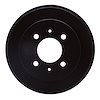
365-72007 True-Balanced Brake Drum, 1994-1994 Mitsubishi, Position: Rear
Part Number: 328-365-72007
 Ships on 10/21/2026
 Lowest price guarantee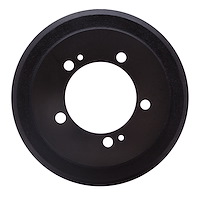
DYNAMIC FRICTION
365-72007 True-Balanced Brake Drum, 1994-1994 Mitsubishi, Position: Rear
Part Number: 328-365-72007
Ships on 10/21/2026Lowest Price Guarantee
DYNAMIC FRICTION
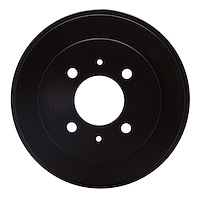
365-31004 True-Balanced Brake Drum, 1970-1971 BMW, Position: Rear
Part Number: 328-365-31004
Ships on 10/21/2026Lowest price guarantee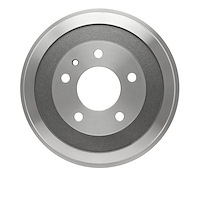
DYNAMIC FRICTION
365-31004 True-Balanced Brake Drum, 1970-1971 BMW, Position: Rear
Part Number: 328-365-31004
Ships on 10/21/2026Lowest Price Guarantee
DYNAMIC FRICTION
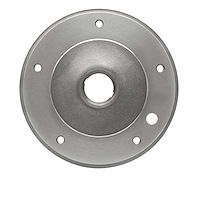
365-59000 True-Balanced Brake Drum, 1973-1979 Acura/Honda, Position: Rear
Part Number: 328-365-59000
Ships on 10/21/2026Lowest price guarantee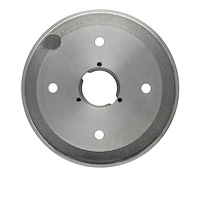
DYNAMIC FRICTION
365-59000 True-Balanced Brake Drum, 1973-1979 Acura/Honda, Position: Rear
Part Number: 328-365-59000
Ships on 10/21/2026Lowest Price Guarantee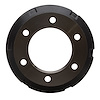
DYNAMIC FRICTION
365-76049 True-Balanced Brake Drum, 1989-2003 Hino, Position: Fr
Part Number: 328-365-76049
Ships on 10/21/2026Lowest price guarantee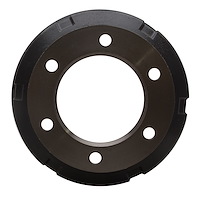
DYNAMIC FRICTION
365-76049 True-Balanced Brake Drum, 1989-2003 Hino, Position: Fr
Part Number: 328-365-76049
Ships on 10/21/2026Lowest Price Guarantee
DYNAMIC FRICTION
365-19003 True-Balanced Brake Drum, 1988-1992 Daihatsu, Position: Rear
Part Number: 328-365-19003
Ships on 10/21/2026Lowest price guarantee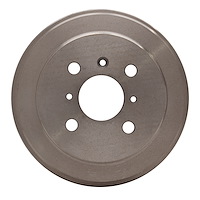
DYNAMIC FRICTION
365-19003 True-Balanced Brake Drum, 1988-1992 Daihatsu, Position: Rear
Part Number: 328-365-19003
Ships on 10/21/2026Lowest Price Guarantee
DYNAMIC FRICTION
365-72003 True-Balanced Brake Drum, 1987-1990 Mitsubishi, Position: Rear
Part Number: 328-365-72003
Ships on 10/21/2026Lowest price guarantee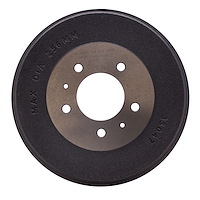
DYNAMIC FRICTION
365-72003 True-Balanced Brake Drum, 1987-1990 Mitsubishi, Position: Rear
Part Number: 328-365-72003
Ships on 10/21/2026Lowest Price Guarantee
DYNAMIC FRICTION
365-76027 True-Balanced Brake Drum, 1990-1994 Lexus/Toyota/Scion, Position: Rear
Part Number: 328-365-76027
Ships on 10/21/2026Lowest price guarantee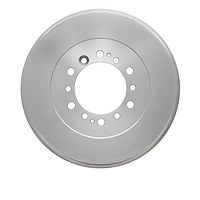
DYNAMIC FRICTION
365-76027 True-Balanced Brake Drum, 1990-1994 Lexus/Toyota/Scion, Position: Rear
Part Number: 328-365-76027
Ships on 10/21/2026Lowest Price Guarantee
DYNAMIC FRICTION
365-76004 True-Balanced Brake Drum, 1981-1984 Lexus/Toyota/Scion, Position: Rear
Part Number: 328-365-76004
Ships on 10/21/2026Lowest price guarantee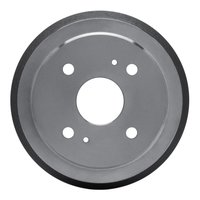
DYNAMIC FRICTION
365-76004 True-Balanced Brake Drum, 1981-1984 Lexus/Toyota/Scion, Position: Rear
Part Number: 328-365-76004
Ships on 10/21/2026Lowest Price Guarantee
DYNAMIC FRICTION
365-47002 True-Balanced Brake Drum, 1985-1988 Multiple Makes/Models, Position: Rear
Part Number: 328-365-47002
Ships on 10/21/2026Lowest price guarantee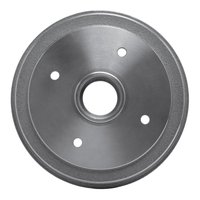
DYNAMIC FRICTION
365-47002 True-Balanced Brake Drum, 1985-1988 Multiple Makes/Models, Position: Rear
Part Number: 328-365-47002
Ships on 10/21/2026Lowest Price Guarantee
DYNAMIC FRICTION
365-54020 True-Balanced Brake Drum, 1978-1988 Ford/Lincoln/Mercury/Mazda, Position: Rear
Part Number: 328-365-54020
Ships on 10/21/2026Lowest price guarantee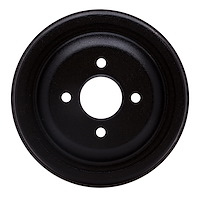
DYNAMIC FRICTION
365-54020 True-Balanced Brake Drum, 1978-1988 Ford/Lincoln/Mercury/Mazda, Position: Rear
Part Number: 328-365-54020
Ships on 10/21/2026Lowest Price Guarantee
DYNAMIC FRICTION
365-47063 True-Balanced Brake Drum, 1953-1970 GM, Position: Rear
Part Number: 328-365-47063
Ships TodayLowest price guarantee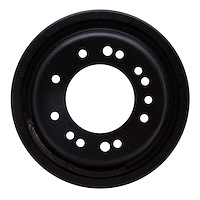
DYNAMIC FRICTION
365-47063 True-Balanced Brake Drum, 1953-1970 GM, Position: Rear
Part Number: 328-365-47063
Ships TodayLowest Price Guarantee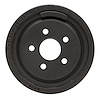

DYNAMIC FRICTION
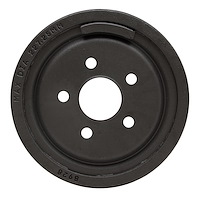
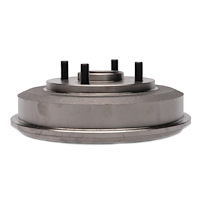
365-76018 True-Balanced Brake Drum, 1960-1980 Lexus/Toyota/Scion, Position: Front,Rear
Part Number: 328-365-76018
Ships TodayLowest price guarantee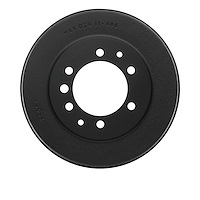
DYNAMIC FRICTION
365-76018 True-Balanced Brake Drum, 1960-1980 Lexus/Toyota/Scion, Position: Front,Rear
Part Number: 328-365-76018
Ships TodayLowest Price Guarantee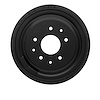
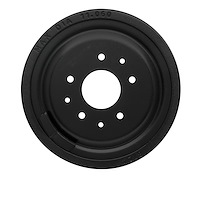
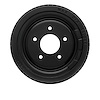
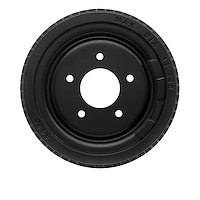
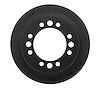
DYNAMIC FRICTION
365-54066 True-Balanced Brake Drum, 1984-1989 Ford/Lincoln/Mercury/Mazda, Position: Rear
Part Number: 328-365-54066
Ships TomorrowLowest price guarantee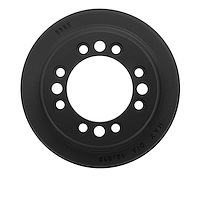
DYNAMIC FRICTION
365-54066 True-Balanced Brake Drum, 1984-1989 Ford/Lincoln/Mercury/Mazda, Position: Rear
Part Number: 328-365-54066
Ships TomorrowLowest Price Guarantee
DYNAMIC FRICTION
365-13006 True-Balanced Brake Drum, 1985-1994 Subaru, Position: Rear
Part Number: 328-365-13006
Ships TomorrowLowest price guarantee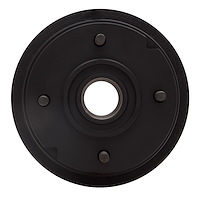
DYNAMIC FRICTION
365-13006 True-Balanced Brake Drum, 1985-1994 Subaru, Position: Rear
Part Number: 328-365-13006
Ships TomorrowLowest Price Guarantee
DYNAMIC FRICTION
365-92024 True-Balanced Brake Drum, 2013-2016 Ford/Lincoln/Mercury/Mazda, Position: Rear
Part Number: 328-365-92024
Ships TomorrowLowest price guarantee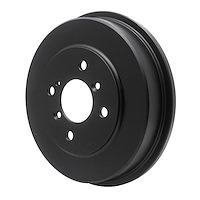
DYNAMIC FRICTION
365-92024 True-Balanced Brake Drum, 2013-2016 Ford/Lincoln/Mercury/Mazda, Position: Rear
Part Number: 328-365-92024
Ships TomorrowLowest Price Guarantee
DYNAMIC FRICTION
365-92035 True-Balanced Brake Drum, 2009-2018 Lexus/Toyota/Scion, Position: Rear
Part Number: 328-365-92035
Ships TomorrowLowest price guarantee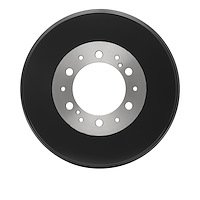
DYNAMIC FRICTION
365-92035 True-Balanced Brake Drum, 2009-2018 Lexus/Toyota/Scion, Position: Rear
Part Number: 328-365-92035
Ships TomorrowLowest Price Guarantee
DYNAMIC FRICTION
365-92036 True-Balanced Brake Drum, 2011-2017 Audi/Volkswagen, Position: Rear
Part Number: 328-365-92036
Ships TomorrowLowest price guarantee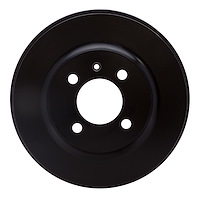
DYNAMIC FRICTION
365-92036 True-Balanced Brake Drum, 2011-2017 Audi/Volkswagen, Position: Rear
Part Number: 328-365-92036
Ships TomorrowLowest Price Guarantee
DYNAMIC FRICTION
365-76000 True-Balanced Brake Drum, 1972-1992 Lexus/Toyota/Scion, Position: Front,Rear
Part Number: 328-365-76000
Ships TomorrowLowest price guarantee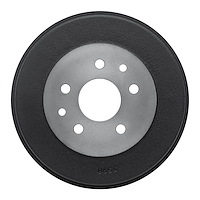
DYNAMIC FRICTION
365-76000 True-Balanced Brake Drum, 1972-1992 Lexus/Toyota/Scion, Position: Front,Rear
Part Number: 328-365-76000
Ships TomorrowLowest Price GuaranteeFrequently Asked Questions About Brake Drums
How Long Do Brake Drums Last?
Brake drum lifespan varies with your vehicle, driving style, and load, but drums often outlast several sets of shoes because they wear more slowly. Regular inspection tells you the most, since a drum is only good until its inner surface reaches the stamped maximum diameter. If you tow, haul, or drive in stop-and-go traffic, expect faster wear and check them more often.
Can Brake Drums Be Resurfaced or Machined?
Sometimes. If a drum still has enough material above its discard diameter, a shop can machine or resurface the inner surface to remove light scoring and restore a smooth contact face. Once the drum is worn past that stamped limit, though, it's no longer safe to cut and needs replacement instead.
What Are the Signs of a Bad Brake Drum?
Common signs include a pulsing or grabbing brake pedal, scraping or squealing from the rear wheels, and a parking brake that feels weak. You might also notice deep grooves, cracks, or a blue tint on the drum surface. If you spot any of these, inspect the drum and shoes together before driving further.
How Much Does Brake Drum Replacement Cost?
Cost depends on your vehicle, the brand you choose, and whether you replace the shoes and hardware at the same time. Doing the job yourself with a full kit is usually the most economical route, while a shop adds labor to the total. JEGS offers drums across a range of price points, so you can match the parts to your budget.
Do All Cars Still Use Brake Drums?
No. Most modern vehicles use rear drums with front discs, and many newer cars have moved to four-wheel disc brakes. Drum brakes are still common on the rear of budget-friendly models, older vehicles, trucks, and classic builds because they're simple, durable, and integrate the parking brake easily.