


 Order Status & Returns
 Gift Cards
 Help Center
 1-800-345-4545
Brake Ducting
Brake ducting routes cool outside air to your rotors so your brakes hold up lap after lap. When heat builds faster than a bare rotor can shed it, you get brake fade, glazed pads and cracked rotors. This category covers brake duct hose, duct flanges, spindle ducts, silicone ducting and OE-style brake cooling ducts and screens for race and performance builds.
Show More
How Brake Ducting Cools Your Brakes
Brake ducting cools your brakes by pulling air from a high-pressure area at the front of the car and delivering it straight to the rotor. As you drive, air stacks up at the nose, bumper openings and headlight area. A duct inlet in that zone captures the air, and a hose carries it back to the wheel.
Where the air lands matters most. The best practice is to feed air into the center, or eye, of the rotor. On vented disc brakes, that air then flows outward through the internal vanes and pulls heat from the rotor core.
Air blown only at the rotor face cools the surface but does far less for the inside. The most common setup uses a spindle-mounted plate that points a 3" or 4" hose at the rotor eye. Your inlet, hose and outlet work as one system, so a restriction anywhere cuts airflow.
If you're upgrading to larger or vented brake rotors, plan your ducting at the same time.
Brake Duct Components: Hoses, Flanges and Spindle Ducts
A complete brake duct system has three parts: an inlet at the front of the car, a hose and an outlet at the spindle. You can buy each piece separately and build a setup that fits your chassis. Allstar Performance covers the core hardware racers use.
Here's what each Allstar part does and where it fits:
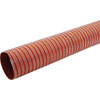
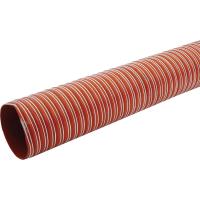
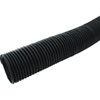
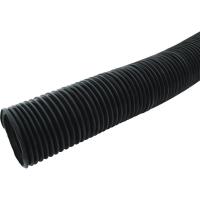
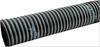
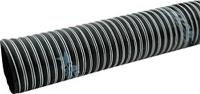
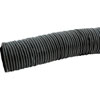
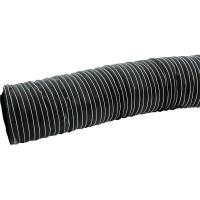
- Brake Duct Hose 3" x 10' carries air from the inlet back to the wheel.
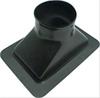
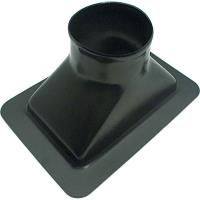
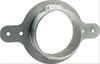
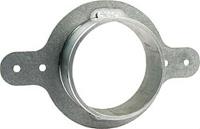
- Brake Hose Duct Flange 3" Diameter gives you a secure point to attach the hose.
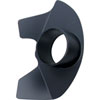
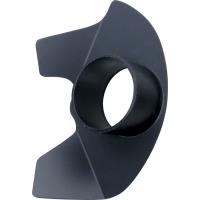
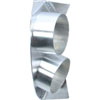
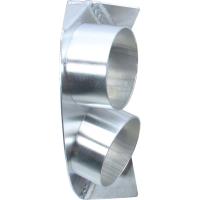
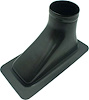
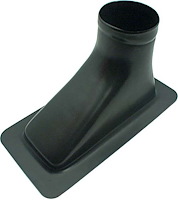
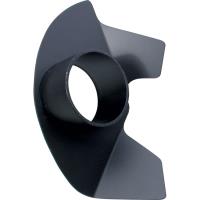
- Spindle Duct Left Hand and Right Hand mount at the spindle and aim air at the rotor.
- Brake Duct Headlight Mount Centered places the inlet in the headlight opening.
- Brake Duct Offset Single Hole works when a centered inlet won't fit your body.
For longer runs, JEGS brake duct hose comes in 3" x 11' and 3" x 10' lengths. Measure your route from inlet to spindle before you order. Leave slack for suspension travel and full steering lock.
Choosing Brake Duct Hose Size and Material
Choose hose size by matching the diameter of your inlet, flange and spindle duct, then choose material by how hot the route runs. Most spindle-mounted setups use 3" or 4" hose. Keeping one diameter end to end avoids adapters that restrict flow. If you're unsure which size you need, check the outlet diameter on your spindle duct first.
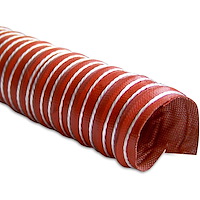
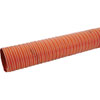
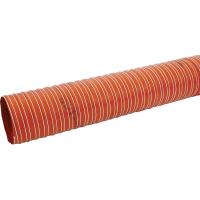
Material matters when the hose passes near headers, exhaust or the brakes themselves. Silicone withstands higher heat than neoprene, so it's the safer pick for tight engine bays and routes close to the rotor. Mishimoto Heat Resistant Silicone Ducting 2 x 12 (MMHOSE-D2) suits smaller runs and tight packaging where a 3" hose won't fit.
Route the hose with gentle bends, since kinks choke airflow. Secure it away from tires, steering linkage and suspension arms so it can't rub through. Steady cooling also helps your disc brake pads wear evenly and keeps pedal feel consistent through a session.
OE-Style Brake Cooling Ducts and Screens
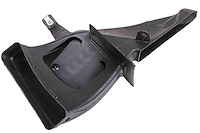
OE-style brake cooling ducts and screens let you restore or protect factory airflow without cutting bodywork. Mopar Accessories offers Air Duct Brake Cooling parts under several part numbers. You'll also find factory-replacement brake ducts and deflectors for replacing damaged factory pieces.
Corvette owners can protect factory duct openings with brake duct screens:
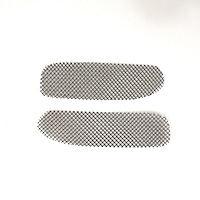
- Aluminum and stainless steel brake cooling duct screens fit 2015-2019 Chevy Corvette Z06 and Grand Sport models.
- Aluminum and stainless steel brake cooling duct screens also fit 1997-2004 Corvettes.
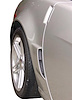
- Rear fender brake duct grille screens fit 2005-2013 Corvettes, except ZR1.
Mesh screens help keep rocks and road debris out of the duct while letting air pass through. Pick aluminum or stainless steel to match your car's trim, and confirm your model year before you order, since each screen fits a specific generation. If you track your Corvette or Mopar, pair factory-style ducting with upgraded performance brakes for more consistent stopping.
Signs Your Race Car Needs Brake Cooling Ducts
Your race car needs brake cooling ducts if the brakes lose bite late in a session or parts wear out faster than expected. Brake fade is the clearest warning. The pedal gets longer or softer, and the car takes more effort to slow down.
Watch for these other signs after a race or track day:
- Pads wear quickly, glaze over or leave uneven deposits on the rotor.
- Rotors show heat cracks or need replacement sooner than they should.
- Braking feels strong early in a session but fades as laps add up.
Ducting addresses all three by keeping temperatures under control, which means less fade, longer pad and rotor life and less rotor cracking. If you're planning a full brake upgrade, read our Wilwood vs. Brembo brake comparison and the JEGS JX Series performance braking guide. Then shop brake ducting now to keep that new hardware cool.

ADD A VEHICLE TO GUARANTEE PARTS FIT
See products that fit

ADD A VEHICLE TO GUARANTEE PARTS FIT
See products that fit
CA
201463 Brake Cooling Duct Mesh Screens, 2015-2019 Chevy Corvette, Z06/GS, Aluminum
Part Number: 686-201463
 Ships on 10/13/2026
 Lowest price guarantee
CA
201463 Brake Cooling Duct Mesh Screens, 2015-2019 Chevy Corvette, Z06/GS, Aluminum
Part Number: 686-201463
Ships on 10/13/2026Lowest Price Guarantee
CA
212844 Brake Cooling Duct Mesh Screens, 2015-2019 Chevy Corvette, Z06/GS, Stainless Steel
Part Number: 686-212844
Ships on 10/14/2026Lowest price guarantee
CA
212844 Brake Cooling Duct Mesh Screens, 2015-2019 Chevy Corvette, Z06/GS, Stainless Steel
Part Number: 686-212844
Ships on 10/14/2026Lowest Price Guarantee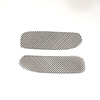
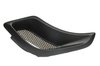
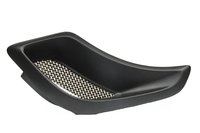
CA
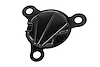
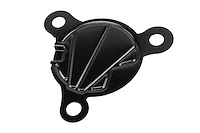
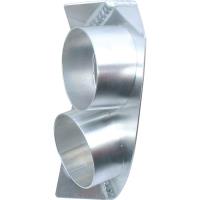
77592 Rear Fender Brake Duct Grille Screens, 2005-2013 Chevy Corvette, All Exc ZR1, Aluminum W/Black Finish
Part Number: 686-77592
Ships on 10/13/2026Lowest price guarantee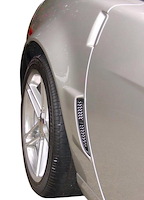
CA
77592 Rear Fender Brake Duct Grille Screens, 2005-2013 Chevy Corvette, All Exc ZR1, Aluminum W/Black Finish
Part Number: 686-77592
Ships on 10/13/2026Lowest Price Guarantee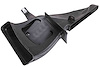
Frequently Asked Questions About Brake Ducting
Do street cars need brake ducts?
Most street cars don't need added brake ducts, since factory brakes are sized for everyday driving. Ducting makes sense once you start running track days, autocross or other repeated hard stops. Some performance cars, including the Corvette, come with factory brake cooling ducts.
Where should a brake duct be aimed?
Aim the duct at the center, or eye, of the rotor. From there, air flows outward through the internal vanes and pulls heat from the rotor core. Pointing the duct only at the rotor face or caliper cools far less effectively.
Can brake ducts cause the brakes to run too cold?
Yes, it's possible. Pads need to reach their working temperature to grip well, and too much cold air can keep them below it in cool weather or short sessions. Racers often partially block ducts when conditions call for less cooling.
How do you mount a brake duct hose?
Attach one end of the hose to a duct flange or inlet mount at the front of the car, such as a headlight or offset mount. Route it back to a spindle duct and secure it with clamps or zip ties. Then check full steering lock and suspension travel to make sure the hose doesn't stretch, kink or rub.
Do brake ducts work with drum brakes?
Brake ducts are mainly used with disc brake setups. Ducting works best when air can reach the rotor eye and flow through internal vanes, which drum brakes don't have. If you run drums, check the part's fitment details before you buy.