


 Order Status & Returns
 Gift Cards
 Help Center
 1-800-345-4545
Crankshafts and Engine Crankshaft Parts
Crankshafts turn piston motion into rotation, and this category covers replacement cranks, performance cranks and the parts that support them. You'll find cast, forged 4340 steel and stroker crankshafts for LS, SBC, BBC, Ford and Mopar engines. JEGS lists more than 1,000 crankshafts and crankshaft parts, so you can compare material, stroke and fitment in one place.
Show More
Cast vs Forged Crankshafts: Which Do You Need?
A cast crankshaft suits most stock rebuilds and mild street engines, while a forged crankshaft fits power-adder, high-rpm and race builds. Casting pours molten iron or steel into a mold, which keeps cost down. Forging presses heated steel into shape, creating a denser grain structure that handles higher cylinder pressure.
You can compare both types here. Eagle crankshafts include cast-steel cranks for Ford 302 and 351W engines and forged 4340 cranks for Chevy 454 and 502 big blocks. Scat crankshafts include Cast Pro Stock cranks for Chevy 400 and 454 engines and 4340 Forged Superlight cranks for 350-main small blocks.
Choose cast if you're rebuilding a stock or mildly modified engine. Choose forged if you're adding boost or nitrous, or you'll spend time at high rpm. If you're weighing cost against durability, read about a budget vs performance engine build before you order.
Which Crankshaft Parts and Supporting Components Do You Need?
A crankshaft works as part of a matched assembly, so plan for the parts that bolt to it, ride on it and sit around it. Along with cranks, you can shop these supporting parts:
- High-performance connecting rods sized to your crank's rod journals and stroke
- Harmonic balancers that control torsional vibration and match your engine's balance type
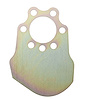
- Crank spacers and crank-to-flexplate adapters for LS and Chrysler 8-hole transmission swaps
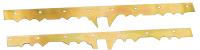
- Crank scrapers that strip oil from the spinning rotating assembly in big-block Chevy engines
- Engine balance plates for small-block Chevy balancing and assembly work
Rods and cranks should be chosen together, since rod length and journal size depend on the crank you pick. Manley connecting rods are one option to pair with a forged crank in a power-adder build. Before assembly, check your bench against these engine rebuild tools every mechanic should own.
How Do Stroker Crankshafts Change Stroke Length?
A stroker crankshaft adds displacement by lengthening the stroke, the distance each piston travels in its bore. A longer stroke moves more air and fuel per revolution, which typically builds more low- and mid-range torque. The 383 small-block Chevy is a common example, pairing a 350 block with a longer-stroke crank.
You can see how stroke changes across a platform in this category. Eagle lists a Ford 302 cast-steel crank with a 3.000" stroke and a 351W crank with a 3.750" stroke. Scat 9000 Pro Comp Lightweight cranks include a Mopar 360/408 stroker, and Chevrolet Performance crankshafts include a forged 4 in. stroke LS7 crank.
A stroker crank changes more than the crank. You'll need pistons with the right compression height, rods of the correct length and possibly block or cam clearance work. Shop Crankshafts & Connecting Rods Now to match the full combination.
How Do You Choose a Crankshaft by Engine Platform?
Start with your engine family, since crank flange, journal sizes and sensor setup vary by platform. Common options in this category include:
- LS crankshafts such as Lunati crankshafts with a 58T reluctor ring and Eagle GM LS steel cranks
- Small-block Chevy crankshafts, including Crower crankshafts for SBC and Scat 4340 Forged Superlight cranks
- Big-block Chevy cranks such as Scat Cast Pro Stock 454 units and Eagle forged 4340 502 tall-deck cranks
- Ford cranks for 302, 351W, 351C and 460 engines from Eagle and Scat
- Mopar cranks, including Scat forged 4340 426 6-bolt and 360/408 stroker options
- Diesel cranks such as the Scat cast stock crankshaft for the Chevy 6.5L
Confirm your block casting, year and intended use before you order, and check each part's listed fitment. If you're planning a larger build, browse engines and components for blocks, heads and other internals.
Which Crankshaft Fitment Checks Should You Make Before You Buy?
Check the rear main seal style, reluctor ring, balance type and main journal size before you order a crankshaft. Each one affects whether the crank bolts in and runs correctly with your existing parts and sensors.
Older Chevy blocks often use a 2-piece rear main seal, while later blocks use a 1-piece seal and a different crank flange. Scat lists Cast Pro Stock cranks in both styles, so match the crank to your block. On LS engines, the reluctor ring tooth count must match what your engine computer expects, such as 58T.
Next, confirm whether your engine is internally or externally balanced, since the balancer and flexplate or flywheel must match. Then check main journal size, because small-block Chevy cranks come in more than one main journal size.
Scat's Superlight cranks, for example, use the 350 main size. For more build guidance, browse engines and components tech articles.

ADD A VEHICLE TO GUARANTEE PARTS FIT
See products that fit

ADD A VEHICLE TO GUARANTEE PARTS FIT
See products that fit

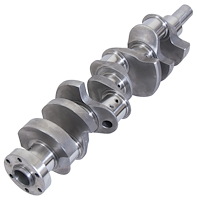

SCAT
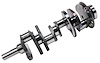
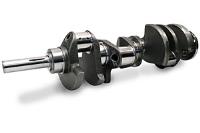
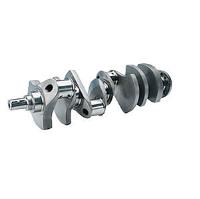
Chrysler Forged 4340 Standard Weight Crankshaft 426 Chevy Pin 6-Bolt
Part Number: 942-4426013
 Ships Tomorrow
 Lowest price guarantee
SCAT
Chrysler Forged 4340 Standard Weight Crankshaft 426 Chevy Pin 6-Bolt
Part Number: 942-4426013
Ships TomorrowLowest Price Guarantee
CHEVROLET PERFORMANCE
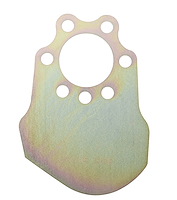
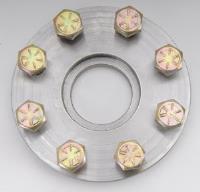
6-Bolt Crankshaft Spacer LS-engine to pre-1997 non-LS automatic transmission
Part Number: 809-12563532
Ships TomorrowLowest price guarantee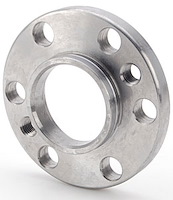
CHEVROLET PERFORMANCE
6-Bolt Crankshaft Spacer LS-engine to pre-1997 non-LS automatic transmission
Part Number: 809-12563532
Ships TomorrowLowest Price Guarantee
SCAT
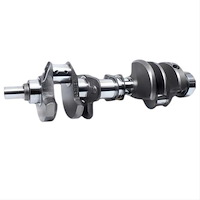
Cast Pro Stock Crankshaft Chevy 383 (2-Piece Rear Seal)
Part Number: 942-9103750
Ships on 11/23/2026Lowest price guarantee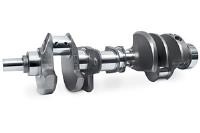
SCAT
Cast Pro Stock Crankshaft Chevy 383 (2-Piece Rear Seal)
Part Number: 942-9103750
Ships on 11/23/2026Lowest Price Guarantee
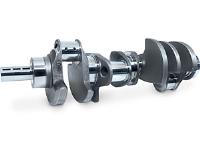
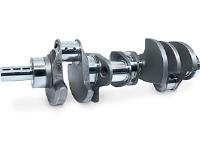
SCAT
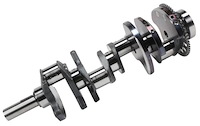
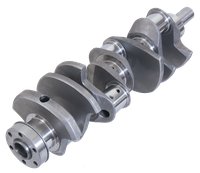
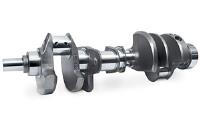
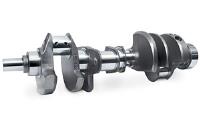
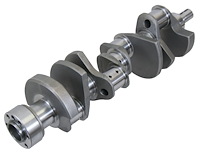
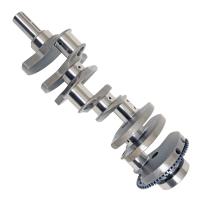
9000 Pro Comp Lightweight Crankshaft Chrysler/Mopar 360, 408 Stroker
Part Number: 942-936020
Ships TomorrowLowest price guarantee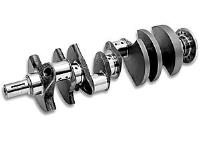
SCAT
9000 Pro Comp Lightweight Crankshaft Chrysler/Mopar 360, 408 Stroker
Part Number: 942-936020
Ships TomorrowLowest Price Guarantee
SCAT
9000 Pro Comp Lightweight Crankshaft Chevy 400 (2-Piece Rear Seal)
Part Number: 942-940056
Ships TomorrowLowest price guarantee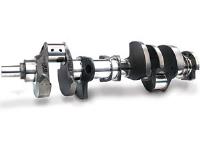
SCAT
9000 Pro Comp Lightweight Crankshaft Chevy 400 (2-Piece Rear Seal)
Part Number: 942-940056
Ships TomorrowLowest Price Guarantee



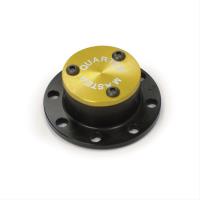
![Crankshaft Hub [3/8 in - 16, 4-3/8 in, Anodized, Black, Small Block Chevy, Aluminum]](https://www.jegs.com/images/mini_100/0/049/049-all90030.jpg)
ALLSTAR PERFORMANCE
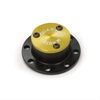
Crankshaft Hub [3/8 in - 16, 4-3/8 in, Anodized, Black, Small Block Chevy, Aluminum]
Part Number: 049-ALL90030
Ships on 10/13/2026Lowest price guarantee![Crankshaft Hub [3/8 in - 16, 4-3/8 in, Anodized, Black, Small Block Chevy, Aluminum]](https://www.jegs.com/images/mini_200/0/049/049-all90030.jpg)
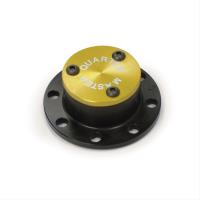
ALLSTAR PERFORMANCE
Crankshaft Hub [3/8 in - 16, 4-3/8 in, Anodized, Black, Small Block Chevy, Aluminum]
Part Number: 049-ALL90030
Ships on 10/13/2026Lowest Price Guarantee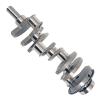
Frequently Asked Questions About Crankshafts
How Can You Tell a Forged Crank From a Cast Crank?
Look at the parting line on the counterweights. A forged crank usually has a wide parting line, while a cast crank has a thin, sharp one. A forged crank also tends to ring when tapped, while a cast crank sounds dull.
What Is a 4340 Steel Crankshaft?
A 4340 steel crankshaft is forged from 4340 steel, a nickel-chromium-molybdenum alloy. It's a common choice for performance cranks because it's tough and resists fatigue. You'll see it on many stroker, power-adder and race crankshafts.
Can a Crankshaft Be Reground or Polished Instead of Replaced?
Often, yes. A machine shop can grind worn journals undersize and polish them, and then you'll need matching undersize bearings. If your crank is cracked, bent or already at its maximum undersize, you'll need to replace it.
What Connects to the Crankshaft?
The connecting rods attach to the crank's rod journals, and the main bearings support it in the block. The harmonic balancer and timing gear mount on the front. The flexplate or flywheel bolts to the rear flange.
Do You Need to Balance the Rotating Assembly After Replacing a Crankshaft?
In most performance builds, yes. A new crank, rods or pistons can change the assembly's balance, and an unbalanced assembly adds vibration and bearing wear. A machine shop can balance the crank, rods and pistons together before final assembly.