

 Order Status & Returns
 Gift Cards
 Help Center
 1-800-345-4545

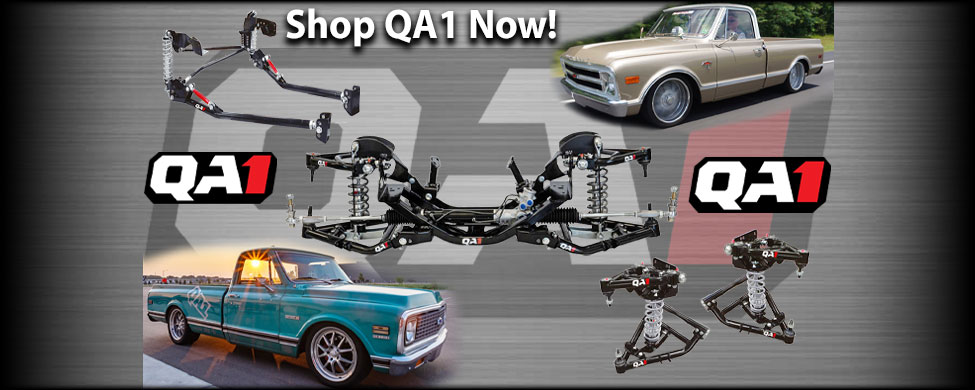
Suspension Kits & Components
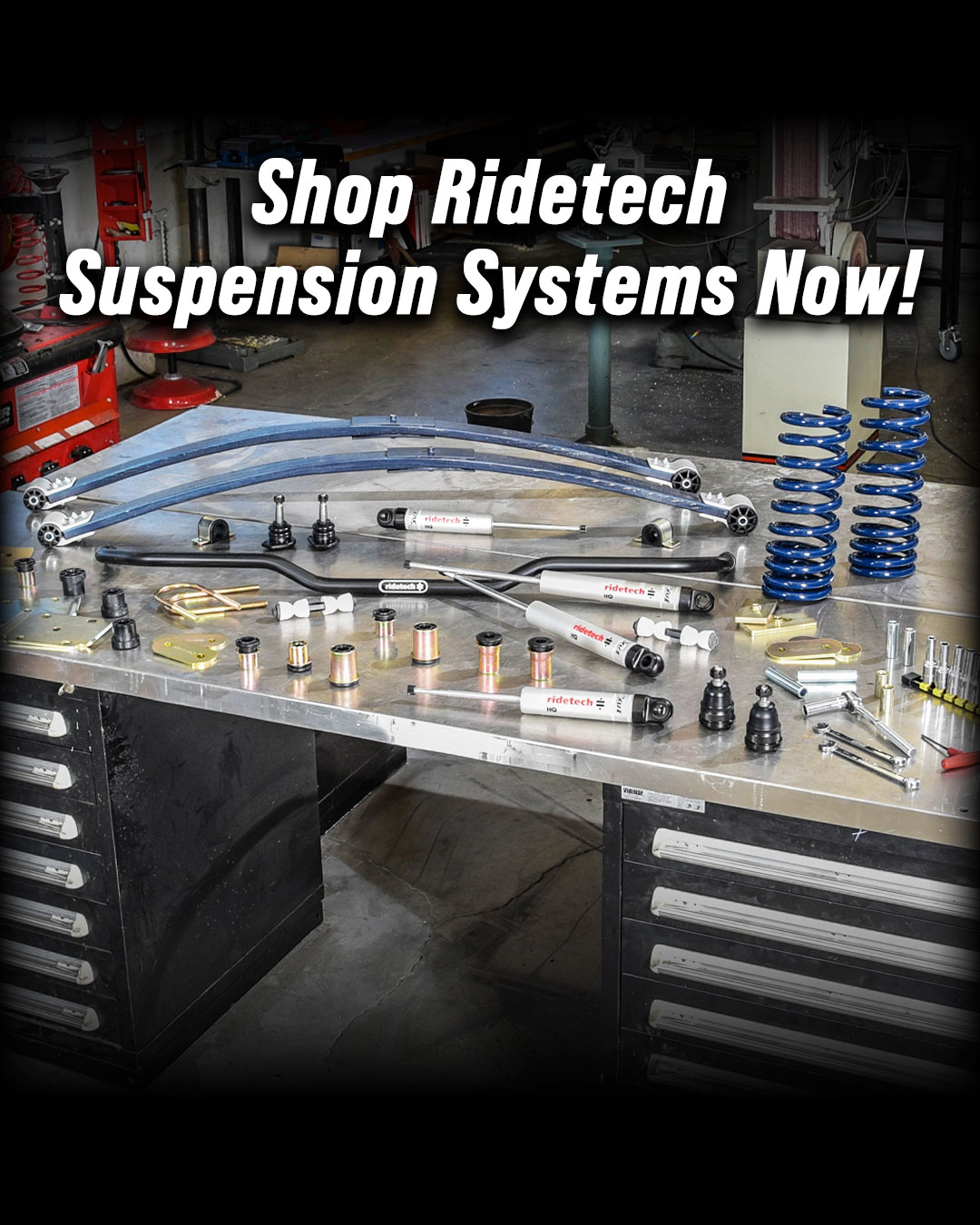
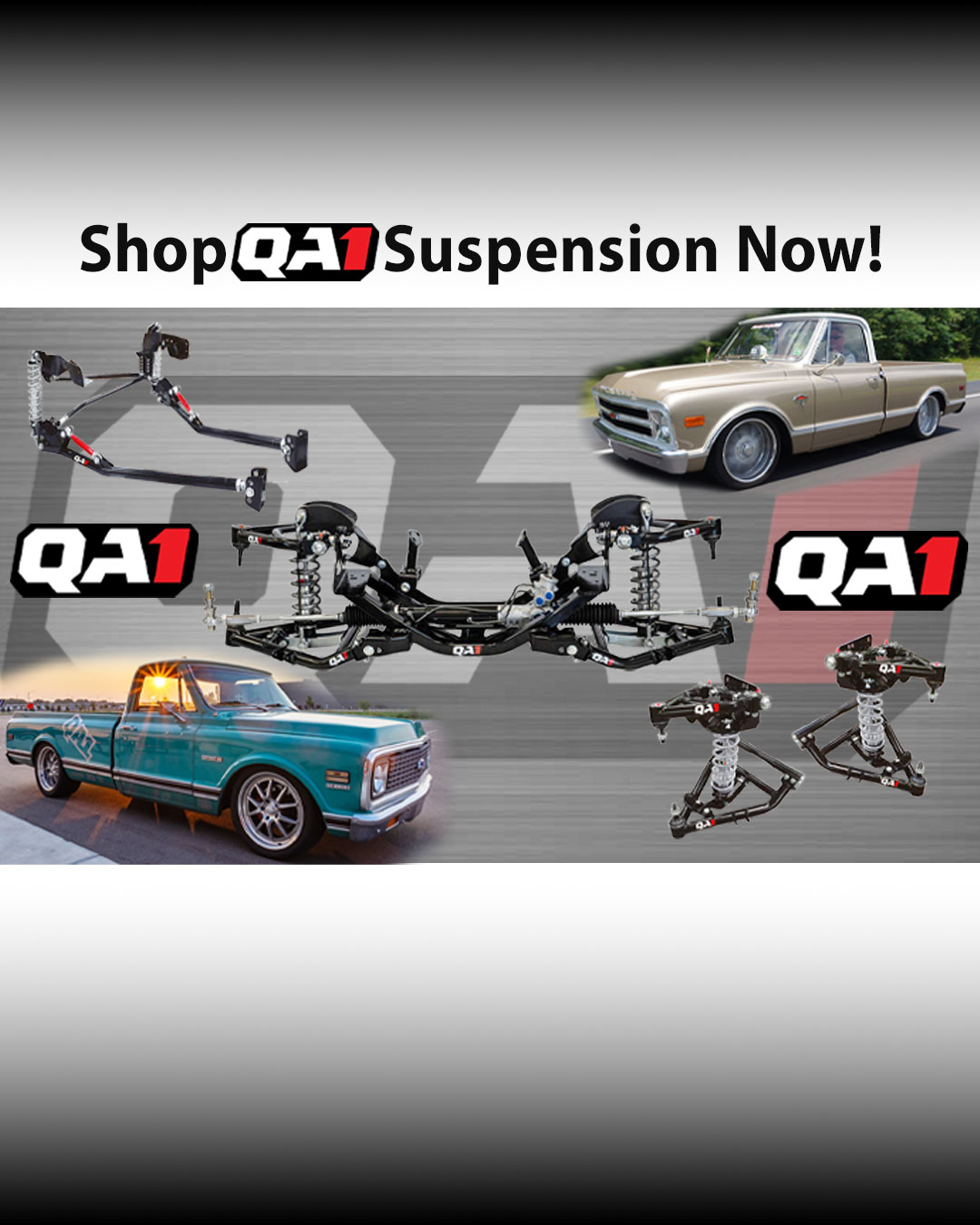
Suspension kits let you change ride height, handling and stance with parts that are matched to work together. At JEGS, you'll find front, rear and front/rear kits, plus lift, leveling and lowering kits and ladder bars for street, strip and off-road builds. Each kit combines parts like coil springs, shocks, control arms and lift blocks, and you can shop by vehicle to see only what fits.
Show More
Types of Suspension Kits
Suspension kits are grouped by where they install and how they change ride height. Start with the type that matches your project, then narrow the results with the vehicle fitment tool.
Every kit here is part of our wider range of chassis, steering & suspension parts. You can shop these suspension kit types:
- front suspension kits that replace control arms, springs, spindles and shocks at the front axle
- rear suspension kits that upgrade leaf springs, coil springs, trailing arms and shocks out back
- front/rear suspension kits that pair matched parts for both ends in one complete suspension kit
- lift kits that raise trucks and SUVs for larger tires and more ground clearance
- leveling kits that raise the front of a truck to match the rear
- lowering kits that drop ride height for a lower stance and sharper handling
- ladder bars, kits & components that locate the rear axle and help control wheel hop on drag cars
Front Suspension Kits and Front Suspension Parts
A front suspension kit replaces the parts that carry weight, steer and absorb bumps at the front of your vehicle. Most kits bundle control arms, coil springs or coilovers, spindles and shocks matched to work as a set.
Buying front suspension parts as a kit takes the guesswork out of matching spring rates, arm geometry and shock valving. It's a common upgrade for muscle cars and classic trucks, where worn factory arms and soft springs hold back cornering. A coilover conversion combines the shock and spring in one adjustable unit, so you can set ride height and fine-tune handling.
Brands like QA1 and UMI Performance offer coilover and control arm options for many popular platforms. New arms and spindles change your alignment angles, so read caster and camber explained before you set up the front end.
Suspension Lift Kits vs. Leveling Kits for Trucks
A suspension lift kit raises your whole truck, while a leveling kit raises only the front to match the rear. Your choice depends on how much tire you want to run and how you use the truck.
Lift kits replace springs, links and other suspension parts to provide on average 2 to 8 inches of lift. That extra height clears bigger tires and adds ground clearance for trail driving. Body lift kits take a different approach, raising the body off the frame, typically 1 to 3 inches.
Leveling kits remove the factory nose-down stance many pickups have, giving you an even look and room for slightly larger tires. They're a simpler install that keeps most of your stock suspension in place. Rough Country and Skyjacker offer both styles for popular trucks and SUVs. If you're still deciding, our leveling kit vs. lift kit guide walks through the tradeoffs.
Lowering Kits and Handling Upgrades for Street Cars
A lowering kit drops your car or truck closer to the ground for a lower center of gravity and a cleaner stance. Depending on the vehicle, kits swap spindles, coil springs, leaf springs, leaf spring shackles and lowering keys for torsion bars.
Belltech originated the lowered spindle in the mid-1980s. Drop spindles are still a popular way to lower the front while keeping factory spring travel. Pair them with a rear suspension kit that uses lowering springs or shackles to keep the stance even.
If handling is your goal, look at suspension upgrade kits for both ends. Front/rear handling kits often include coilovers, sway bars and control arms that work together to reduce body roll. Building for the strip instead? Rear axle control matters as much as ride height, and our 4-link vs. ladder bar rear suspension guide compares both setups.
How to Choose the Right Suspension Kit for Your Build
Start with fitment, then match the kit to how you drive. Add your vehicle by year, make and model or VIN, and the category shows only the suspension kits that fit.
Before you add a kit to your cart, check these points:
- Confirm year, make and model fitment, including drivetrain and cab or bed configuration
- Set a ride-height goal, whether that's lifted, leveled, stock or lowered
- Match the kit to street, strip or off-road use, since spring rates and shock valving differ
- Plan your tire size so the new height clears fenders, wheel wells and suspension parts
- Schedule an alignment after install to protect your tires and steering feel
It also helps to think about what's next for your build. If you plan to add power, bigger brakes or wider wheels later, choose a kit that supports those changes now. That way you won't replace parts twice, and you'll have a suspension that grows with your project.

ADD A VEHICLE TO GUARANTEE PARTS FIT
See products that fit


QA1
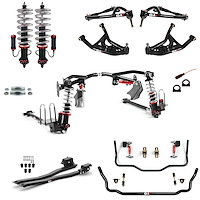
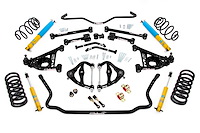
HK53-GMF2 Suspension Kit, Level 3 Handling Kit, 75-81 GM F Body
Part Number: 122-HK53-GMF2
 Ships on Nov 02, 2026Free shipping
 Lowest price guarantee
QA1
HK53-GMF2 Suspension Kit, Level 3 Handling Kit, 75-81 GM F Body
Part Number: 122-HK53-GMF2
Ships on Nov 02, 2026Free shippingLowest Price Guarantee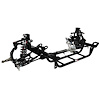
QA1
Street Performance Coil-Over Conversion System for Select 1967-1976 Mopar Models [Double Adjustable w/0-2 in. Drop]
Part Number: 122-52343-D400
Ships on Nov 02, 2026Free shippingLowest price guarantee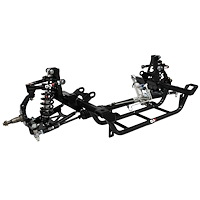
QA1
Street Performance Coil-Over Conversion System for Select 1967-1976 Mopar Models [Double Adjustable w/0-2 in. Drop]
Part Number: 122-52343-D400
Ships on Nov 02, 2026Free shippingLowest Price Guarantee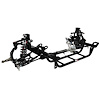
QA1
Street Performance Coil-Over Conversion System for Select 1967-1976 Mopar Models [Double Adjustable w/2-4 in. Drop]
Part Number: 122-52344-D400
Ships on Nov 02, 2026Free shippingLowest price guarantee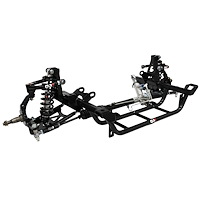
QA1
Street Performance Coil-Over Conversion System for Select 1967-1976 Mopar Models [Double Adjustable w/2-4 in. Drop]
Part Number: 122-52344-D400
Ships on Nov 02, 2026Free shippingLowest Price Guarantee
QA1
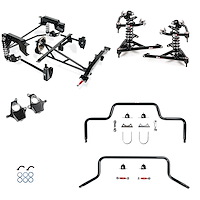
HK22-CRA3 Suspension Kit, Handling Kit Level 2, Mopar A-Body
Part Number: 122-HK22-CRA3
Ships on Nov 02, 2026Free shippingLowest price guarantee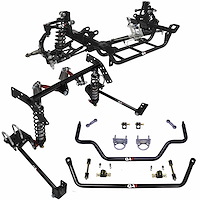
QA1
HK22-CRA3 Suspension Kit, Handling Kit Level 2, Mopar A-Body
Part Number: 122-HK22-CRA3
Ships on Nov 02, 2026Free shippingLowest Price Guarantee
QA1
HK22-CRB1 Suspension Kit, Handling Kit Level 2, Mopar B-Body
Part Number: 122-HK22-CRB1
Ships on Nov 02, 2026Free shippingLowest price guarantee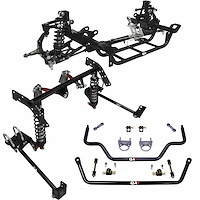
QA1
HK22-CRB1 Suspension Kit, Handling Kit Level 2, Mopar B-Body
Part Number: 122-HK22-CRB1
Ships on Nov 02, 2026Free shippingLowest Price Guarantee
QA1
HK22-CRB4 Suspension Kit, Handling Kit Level 2, Mopar B-Body
Part Number: 122-HK22-CRB4
Ships on Nov 02, 2026Free shippingLowest price guarantee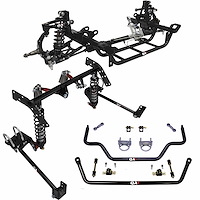
QA1
HK22-CRB4 Suspension Kit, Handling Kit Level 2, Mopar B-Body
Part Number: 122-HK22-CRB4
Ships on Nov 02, 2026Free shippingLowest Price Guarantee
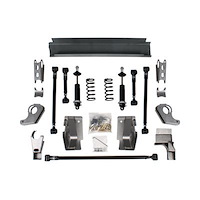

UMI PERFORMANCE
ABF810-1-R 1968-1972 GM A-Body Handling Kit, Stage 5; Red
Part Number: 236-ABF810-1-R
Ships on 11/04/2026Free shippingLowest price guarantee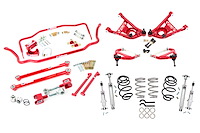
UMI PERFORMANCE
ABF810-1-R 1968-1972 GM A-Body Handling Kit, Stage 5; Red
Part Number: 236-ABF810-1-R
Ships on 11/04/2026Free shippingLowest Price Guarantee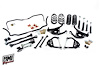
UMI PERFORMANCE
ABF805-1-B Handling Kit 1 Lowering Stage 3- Black 68-72 GM A-Body; Black
Part Number: 236-ABF805-1-B
Ships on 11/04/2026Free shippingLowest price guarantee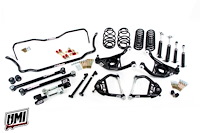
UMI PERFORMANCE
ABF805-1-B Handling Kit 1 Lowering Stage 3- Black 68-72 GM A-Body; Black
Part Number: 236-ABF805-1-B
Ships on 11/04/2026Free shippingLowest Price Guarantee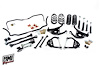
UMI PERFORMANCE
ABF805-2-B Handling Kit 2 Lowering Stage 3- Black 68-72 GM A-Body; Black
Part Number: 236-ABF805-2-B
Ships on 11/04/2026Free shippingLowest price guarantee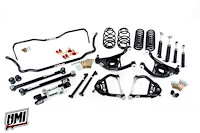
UMI PERFORMANCE
ABF805-2-B Handling Kit 2 Lowering Stage 3- Black 68-72 GM A-Body; Black
Part Number: 236-ABF805-2-B
Ships on 11/04/2026Free shippingLowest Price Guarantee
UMI PERFORMANCE
GBF002-1-R Stage 2 Handling Kit for 1978-1988 GM G-Body
Part Number: 236-GBF002-1-R
Ships on 11/12/2026Free shippingLowest price guarantee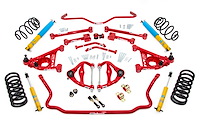
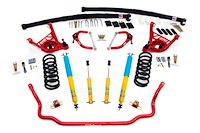
UMI PERFORMANCE
GBF002-1-R Stage 2 Handling Kit for 1978-1988 GM G-Body
Part Number: 236-GBF002-1-R
Ships on 11/12/2026Free shippingLowest Price Guarantee

UMI PERFORMANCE
Stage 2.5 Handling Kit 1970-1981 GM F-Body - Red
Part Number: 236-FBF025-R
Ships on 11/04/2026Free shippingLowest price guarantee
UMI PERFORMANCE
Stage 2.5 Handling Kit 1970-1981 GM F-Body - Red
Part Number: 236-FBF025-R
Ships on 11/04/2026Free shippingLowest Price Guarantee

QA1
BW03-GMA2 Suspension Kit, Level 3 Big Wheel Suspension Kit, 68-72 GM A Body
Part Number: 122-BW03-GMA2
Ships on 11/09/2026Free shippingLowest price guarantee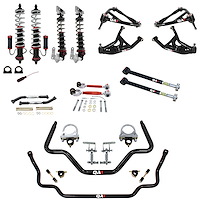
QA1
BW03-GMA2 Suspension Kit, Level 3 Big Wheel Suspension Kit, 68-72 GM A Body
Part Number: 122-BW03-GMA2
Ships on 11/09/2026Free shippingLowest Price Guarantee
QA1
DK22-CRA1 Drag Suspension Kit, Drag Kit Level 2, Mopar A-Body
Part Number: 122-DK22-CRA1
Ships on 11/09/2026Free shippingLowest price guarantee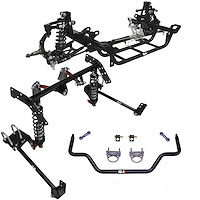
QA1
DK22-CRA1 Drag Suspension Kit, Drag Kit Level 2, Mopar A-Body
Part Number: 122-DK22-CRA1
Ships on 11/09/2026Free shippingLowest Price Guarantee
QA1
DK22-CRA3 Drag Suspension Kit, Drag Kit Level 2, Mopar A-Body
Part Number: 122-DK22-CRA3
Ships on 11/09/2026Free shippingLowest price guarantee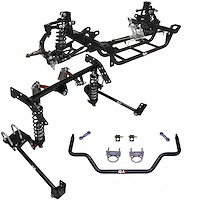
QA1
DK22-CRA3 Drag Suspension Kit, Drag Kit Level 2, Mopar A-Body
Part Number: 122-DK22-CRA3
Ships on 11/09/2026Free shippingLowest Price Guarantee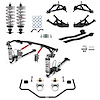
QA1
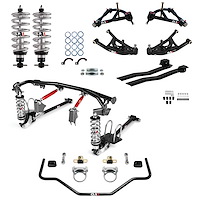
Big Wheel Suspension Kit for 1971-1976 Chevy Caprice, Impala [Level 3]
Part Number: 122-BW03-GMB4
Ships on 11/09/2026Free shippingLowest price guarantee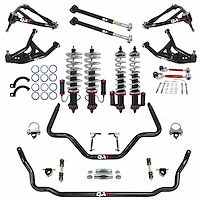
QA1
Big Wheel Suspension Kit for 1971-1976 Chevy Caprice, Impala [Level 3]
Part Number: 122-BW03-GMB4
Ships on 11/09/2026Free shippingLowest Price GuaranteeFrequently Asked Questions About Suspension Kits
What comes in a complete suspension kit?
Contents vary by vehicle and kit type. A complete suspension kit typically bundles springs or coilovers, shocks, control arms and the hardware to install them. Check each kit's product listing to see exactly what's included before you order.
Do I need an alignment after installing a suspension kit?
Yes. Any change to ride height or control arms shifts your caster, camber and toe settings. Get a professional alignment soon after install to protect your tires and keep steering predictable.
Can I install a suspension kit at home?
Many bolt-on kits can be installed at home with a floor jack, jack stands and basic hand tools. Some jobs, like removing coil springs, call for a spring compressor and extra care. If you're unsure, a qualified shop can handle the install.
Will a lowering kit affect ride quality?
It can. Lowering springs are often stiffer than stock, so you may feel more of the road. Drop spindles keep factory spring travel, which helps preserve ride comfort.
Do I need new shocks when I change ride height?
Usually, yes. Factory shocks are built for stock ride height, so lifting or lowering can push them outside their working range. Many kits include matched shocks, and if yours doesn't, look for shocks sized for your new height.