Sign up now to join the JEGS email newsletter and be the first to learn about new products, special deals and e-mail only offers!

 2 People Found This Article Helpful
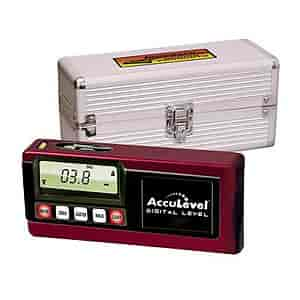

If you are adjusting suspension components, installing new control arms, or getting a wheel alignment, you will likely hear the terms caster and camber. These two alignment angles play a major role in how your vehicle handles, tracks down the road, and wears its tires.
Understanding what caster and camber are and how they affect performance helps you make informed decisions for both street driving and performance applications.
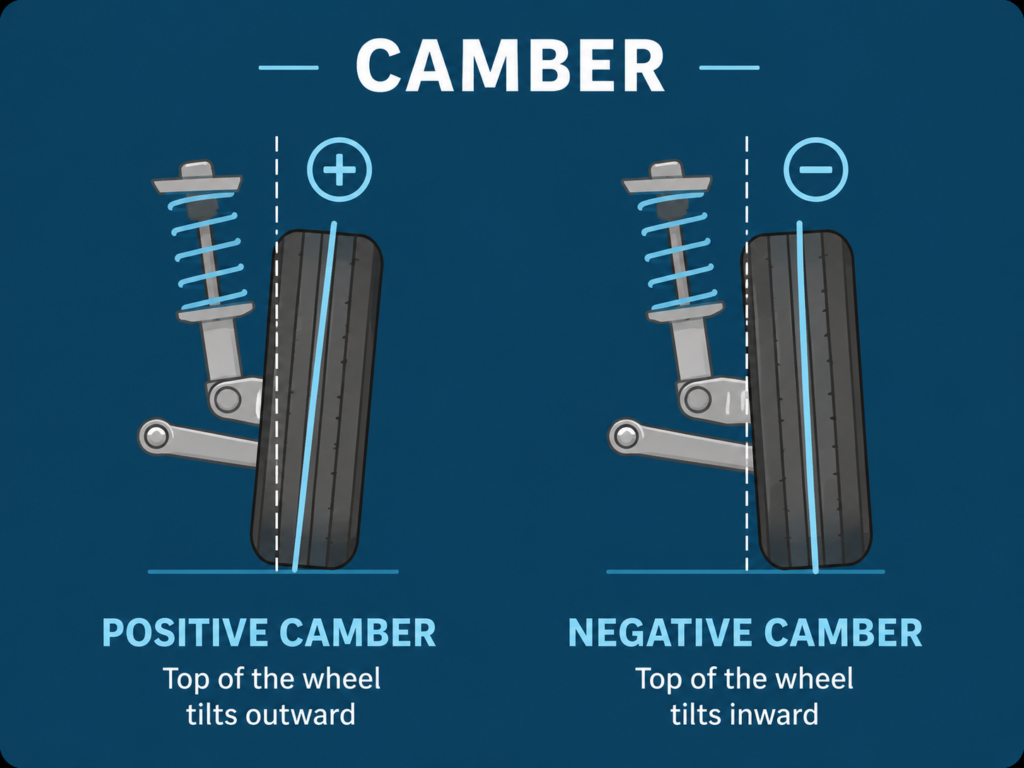
Camber refers to the inward or outward tilt of the wheel when viewed from the front of the vehicle. If the top of the tire leans inward toward the vehicle, that is called negative camber. If the top of the tire leans outward away from the vehicle, that is positive camber.
In most modern vehicles, a small amount of negative camber is common. Negative camber improves cornering grip by keeping more of the tire’s contact patch on the road during turns.
Too much negative camber can cause uneven tire wear on the inside edge. Too much positive camber can reduce cornering performance and cause wear on the outer edge of the tire.
Proper camber settings balance handling performance with tire longevity.
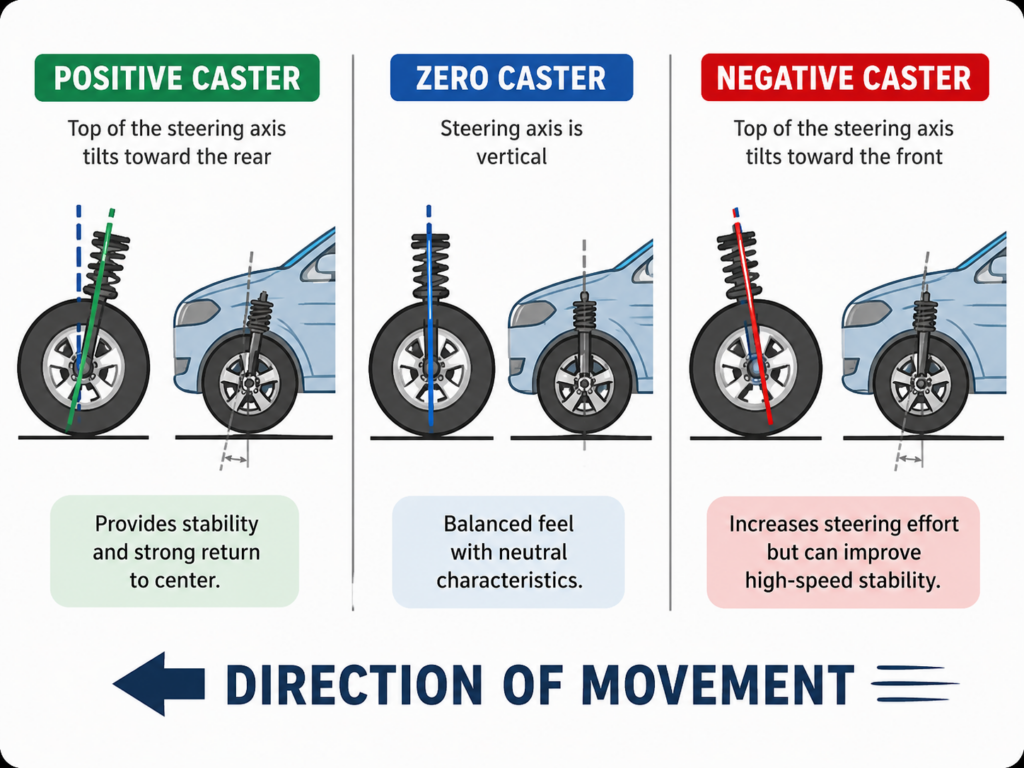
Caster refers to the angle of the steering axis when viewed from the side of the vehicle. It describes how far forward or backward the steering pivot point tilts.
Positive caster means the steering axis tilts toward the rear of the vehicle at the top. Negative caster means it tilts toward the front.
Most vehicles are designed with positive caster. Positive caster improves straight line stability and helps the steering wheel return to center after a turn. It also enhances high speed stability.
Increasing positive caster often improves steering feel and cornering stability, especially in performance applications.
Sign up now to join the JEGS email newsletter and be the first to learn about new products, special deals and e-mail only offers!
Camber primarily influences how the tire contacts the road during cornering. More negative camber increases grip in turns but may reduce tire life if excessive.
Caster mainly affects steering stability and feel. More positive caster generally improves straight line tracking and steering response, especially at higher speeds.
Both angles work together with toe settings to create proper alignment geometry. Adjusting one angle can sometimes affect the others, so professional alignment is recommended after suspension changes.
For daily driving, moderate camber and positive caster settings provide stable handling and even tire wear. Manufacturers choose alignment specifications that balance comfort, safety, and tire longevity.
Performance builds often use increased negative camber and additional positive caster to improve cornering grip and steering response. These changes can enhance handling on track or during spirited driving but may increase tire wear.
Selecting alignment settings should match how the vehicle is used.
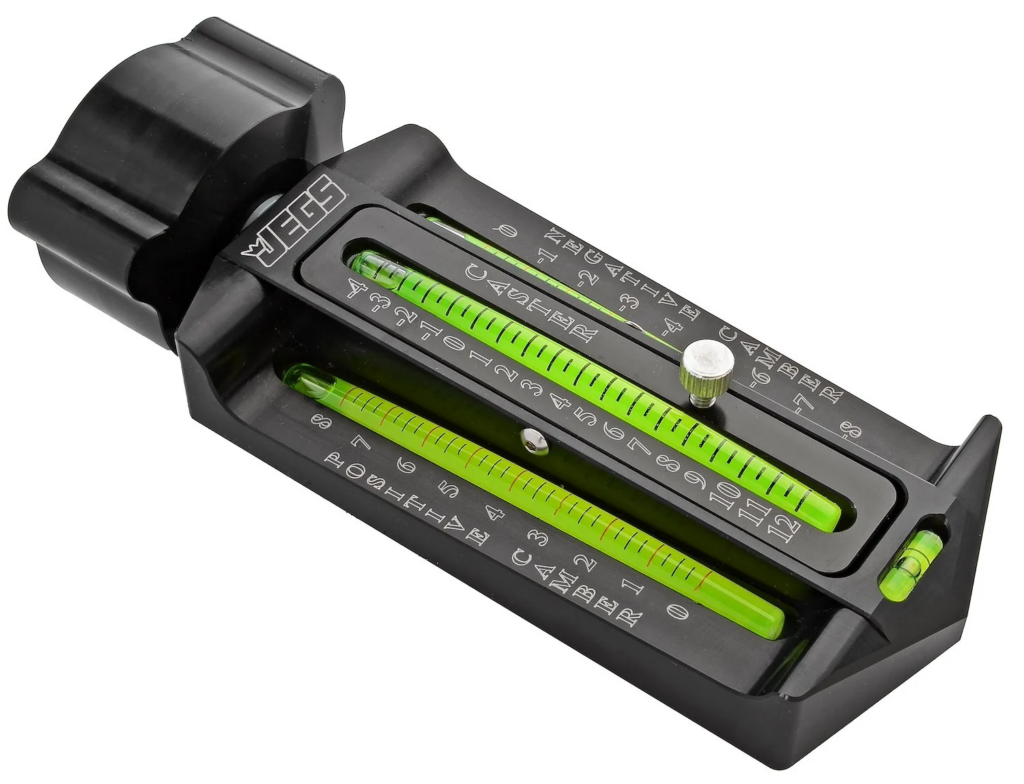
Caster and camber should be checked whenever you install new suspension components such as control arms, ball joints, coilovers, or lowering springs. Alignment should also be checked after any significant impact with potholes or curbs.
Uneven tire wear, pulling to one side, or unstable steering feel can indicate alignment issues.
Aftermarket suspension components often allow greater adjustability of caster and camber. Adjustable control arms, camber plates, and performance alignment kits provide fine tuning options for custom builds.
Ensuring correct alignment not only improves handling but also protects your investment in tires and suspension parts.
At www.jegs.com, you will find a wide selection of suspension components, adjustable control arms, camber kits, and alignment hardware for street and performance vehicles.
If you need help choosing suspension parts that allow proper caster and camber adjustment for your build, the JEGS Tech Specialists are available to help you select components that match your driving style and performance goals.




Leave a Reply