Sign up now to join the JEGS email newsletter and be the first to learn about new products, special deals and e-mail only offers!

 2 People Found This Article Helpful
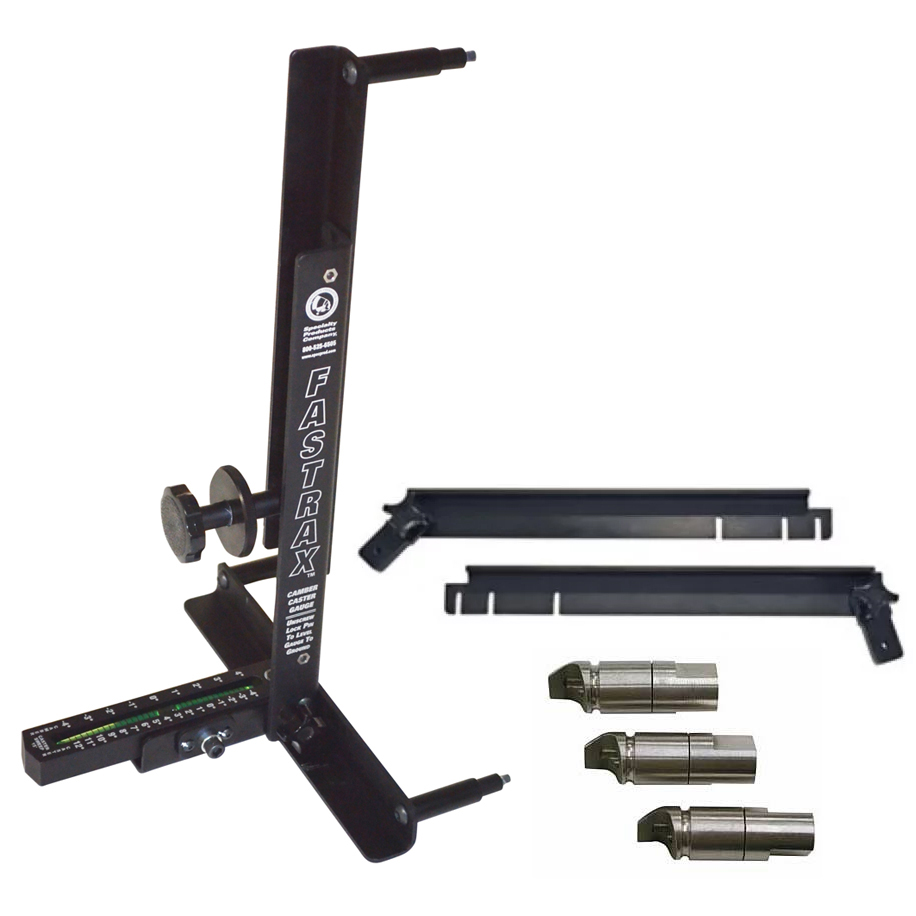

A proper front end alignment improves tire life, steering feel, and overall vehicle stability. While professional alignment racks provide precise measurements, many enthusiasts prefer to check and adjust basic alignment settings at home. With the right DIY front end alignment tools, you can set toe, check camber, and make minor corrections in your own garage.
If you have installed new suspension components, lowered your vehicle, or replaced steering parts, learning how to use simple alignment tools can save time and help protect your tires.
Front end alignment affects how your vehicle tracks down the road and how evenly your tires wear. Incorrect toe can cause rapid tire wear and unstable handling. Improper camber can reduce traction and shorten tire life.
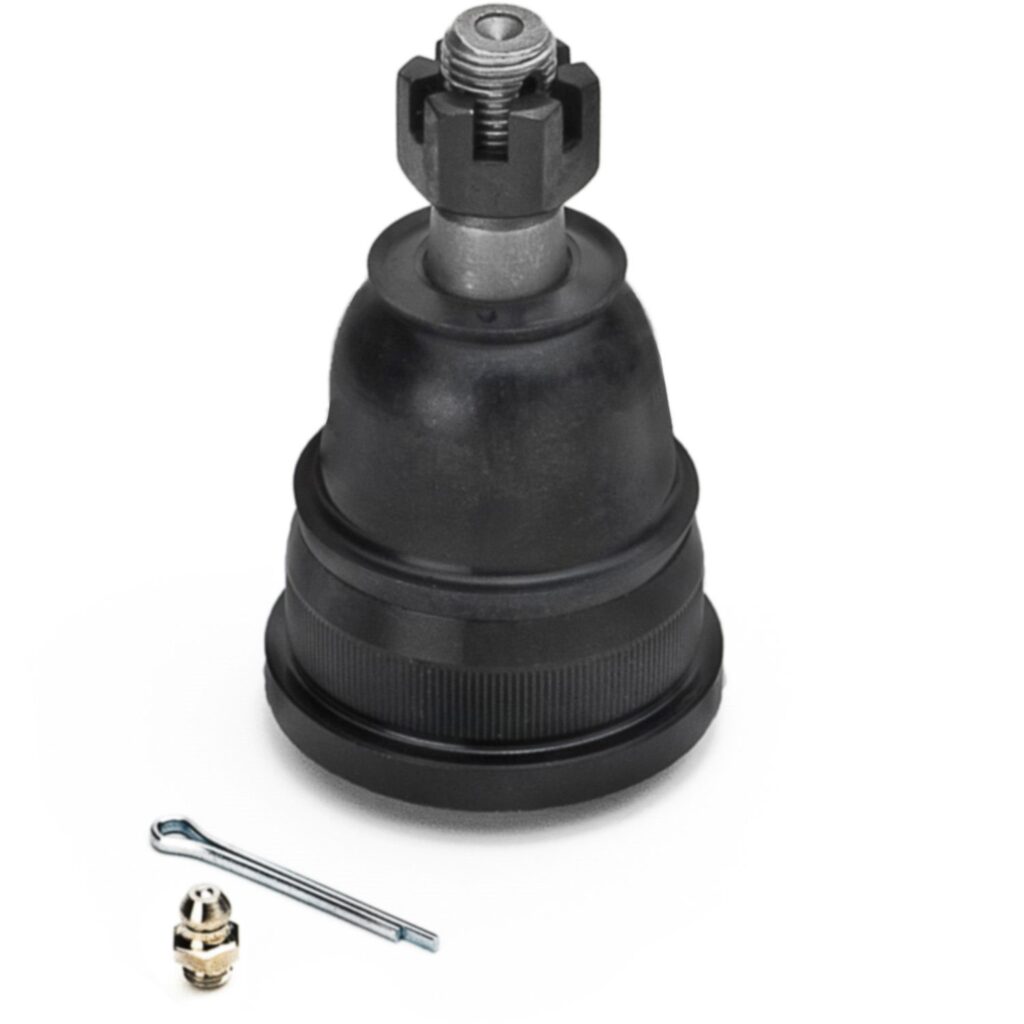
After replacing tie rods, control arms, ball joints, or springs, alignment should always be checked.
While professional alignment is recommended for final precision, DIY alignment tools allow you to get very close before heading to the shop.


Several simple tools can help you measure and adjust alignment at home.
A tape measure is often used to measure toe by comparing the distance between the front edges of the tires and the rear edges. Toe plates make this process easier and more accurate.
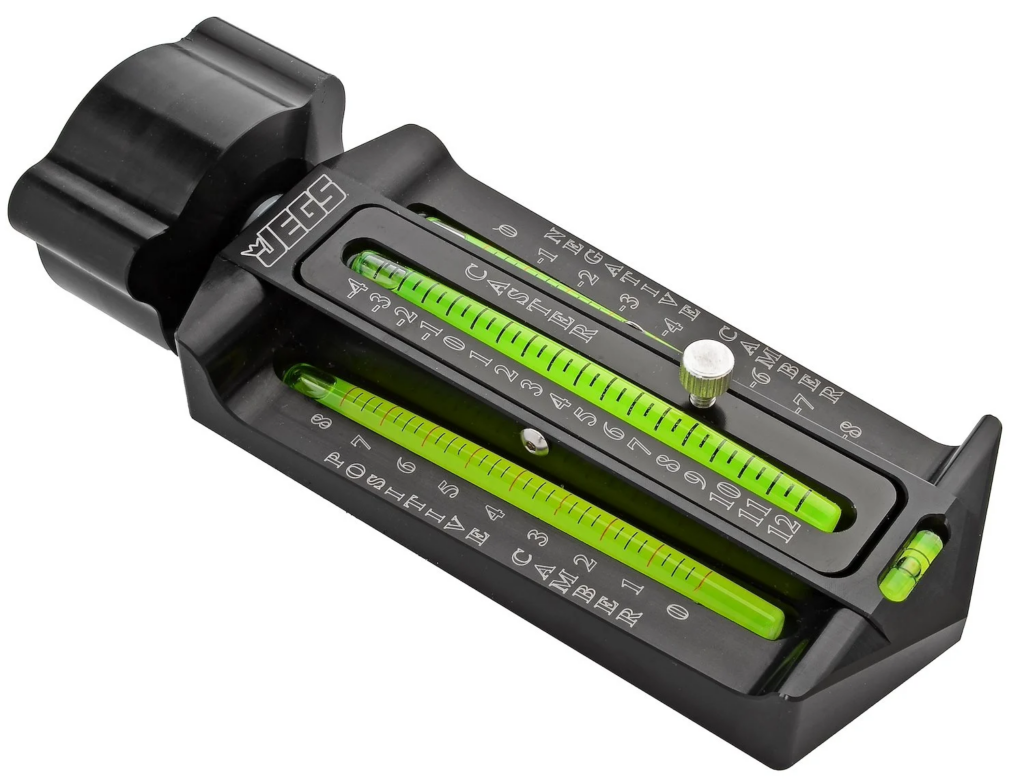
A camber gauge or digital angle finder allows you to measure wheel camber by placing the tool against the wheel or brake rotor surface.
Turn plates or simple slip plates help reduce friction when adjusting toe and camber. These allow the tires to move freely during adjustments.
String alignment kits are also popular. These kits use strings stretched along the sides of the vehicle to create reference lines for measuring toe and wheel position.

Toe is typically the easiest alignment setting to adjust. Using toe plates or a tape measure, measure the distance between the front of the tires and the rear of the tires at hub height.
If the front measurement is smaller than the rear measurement, the wheels have toe in. If the front measurement is larger, they have toe out.
Adjusting the tie rods changes toe. Small adjustments can make a noticeable difference, so move gradually and remeasure frequently.

Sign up now to join the JEGS email newsletter and be the first to learn about new products, special deals and e-mail only offers!
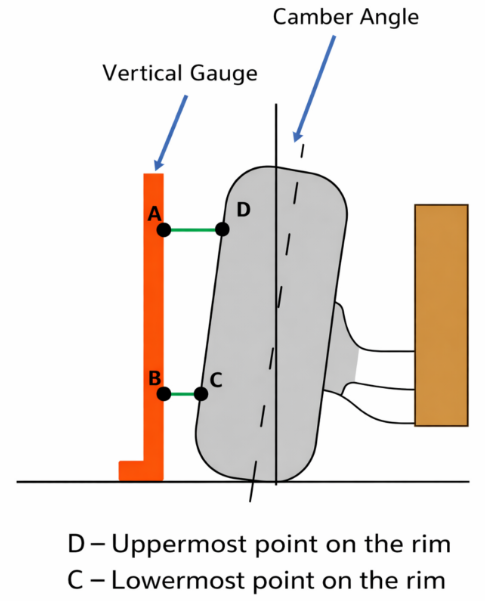
Camber can be measured using a camber gauge or digital angle finder placed against the wheel or hub surface. Ensure the vehicle is on a level surface before taking measurements.
If your suspension has adjustable control arms, cam bolts, or camber plates, you can make small corrections at home. Keep in mind that camber changes can affect toe, so recheck toe after adjustments.
DIY front end alignment tools are effective for basic adjustments and suspension projects. However, professional alignment machines provide highly accurate measurements for caster, camber, and toe.
If you are making major suspension changes or want precise performance alignment settings, a professional alignment is recommended after initial DIY adjustments.

DIY alignment tools are especially useful after installing new tie rods, replacing ball joints, lowering springs, or coilovers. They allow you to set safe baseline measurements before driving to an alignment shop.
They are also helpful for track enthusiasts who frequently adjust alignment settings for different driving conditions.
Using reliable and well built tools improves accuracy and safety. Quality toe plates, camber gauges, and alignment kits make home adjustments more precise and easier to perform.
At www.jegs.com, you will find alignment tools, suspension components, and steering parts designed for street and performance vehicles.
If you need help choosing the right DIY front end alignment tools for your garage or selecting suspension components that allow proper adjustment, the JEGS Tech Specialists are available to help you make the right choice for your build.






Leave a Reply