Sign up now to join the JEGS email newsletter and be the first to learn about new products, special deals and e-mail only offers!

 2 People Found This Article Helpful
By
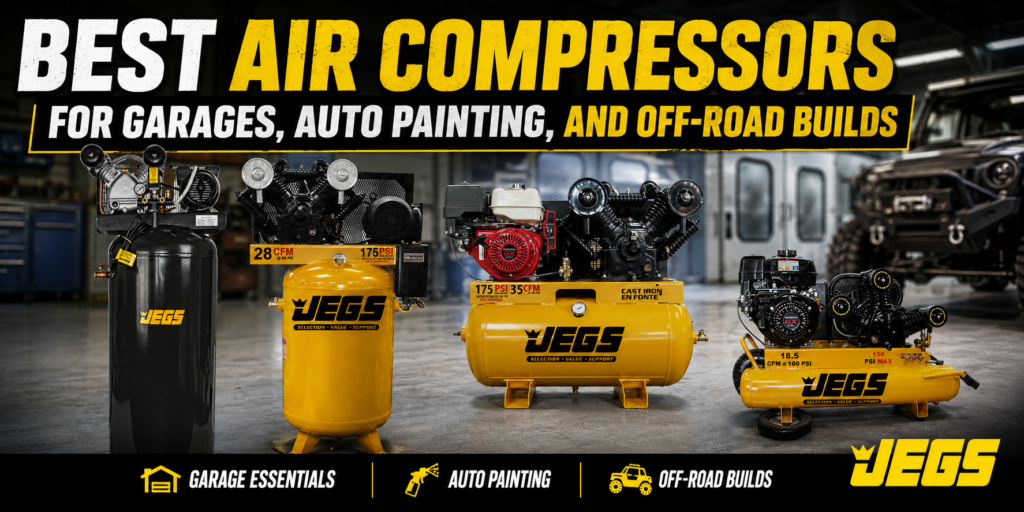
An air compressor is one of the most useful tools you can add to a garage or workshop. From running air tools to painting a car or airing up tires after a trail run, the right compressor makes many automotive jobs faster and easier. Choosing the best air compressor depends on how you plan to use it, how much airflow you need, and how much space you have in your garage.
Whether you are building a home shop, planning an auto painting project, or equipping an off road vehicle, understanding compressor types and capabilities will help you make the right choice.
Air compressors are rated by tank capacity and airflow output, usually measured in cubic feet per minute at a specific pressure. Tools that require continuous airflow such as paint guns, grinders, and sanders need a compressor that can keep up with demand.
Smaller compressors may work well for light duty tasks like inflating tires or running a nail gun, but larger compressors are better suited for automotive tools and painting projects.
Selecting a compressor with enough airflow capacity ensures tools operate efficiently and prevents the compressor from running constantly.
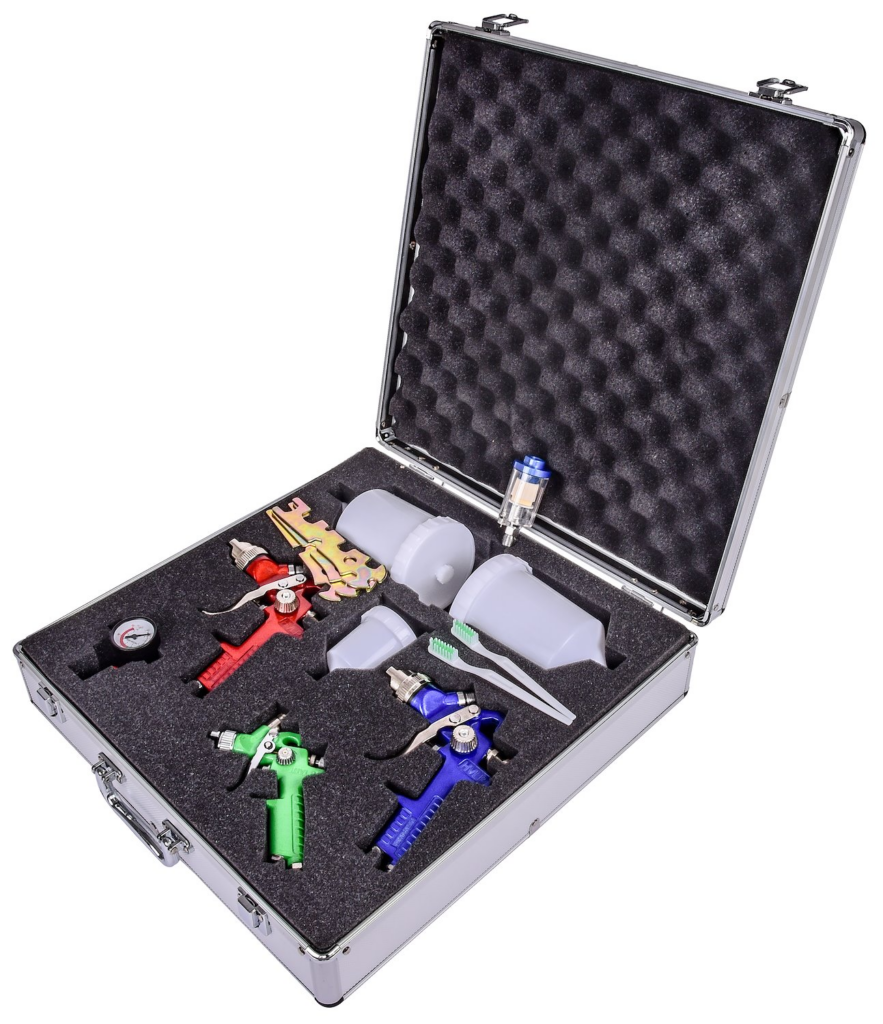
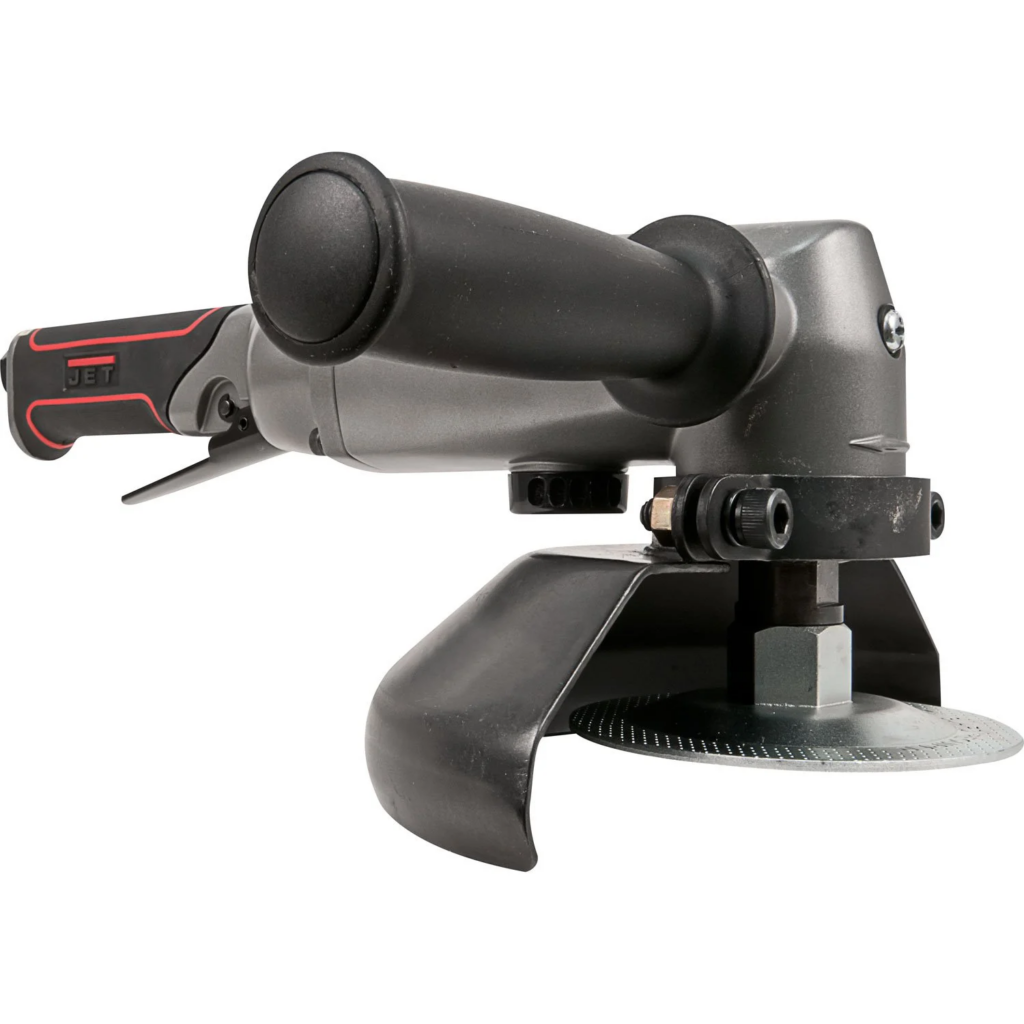
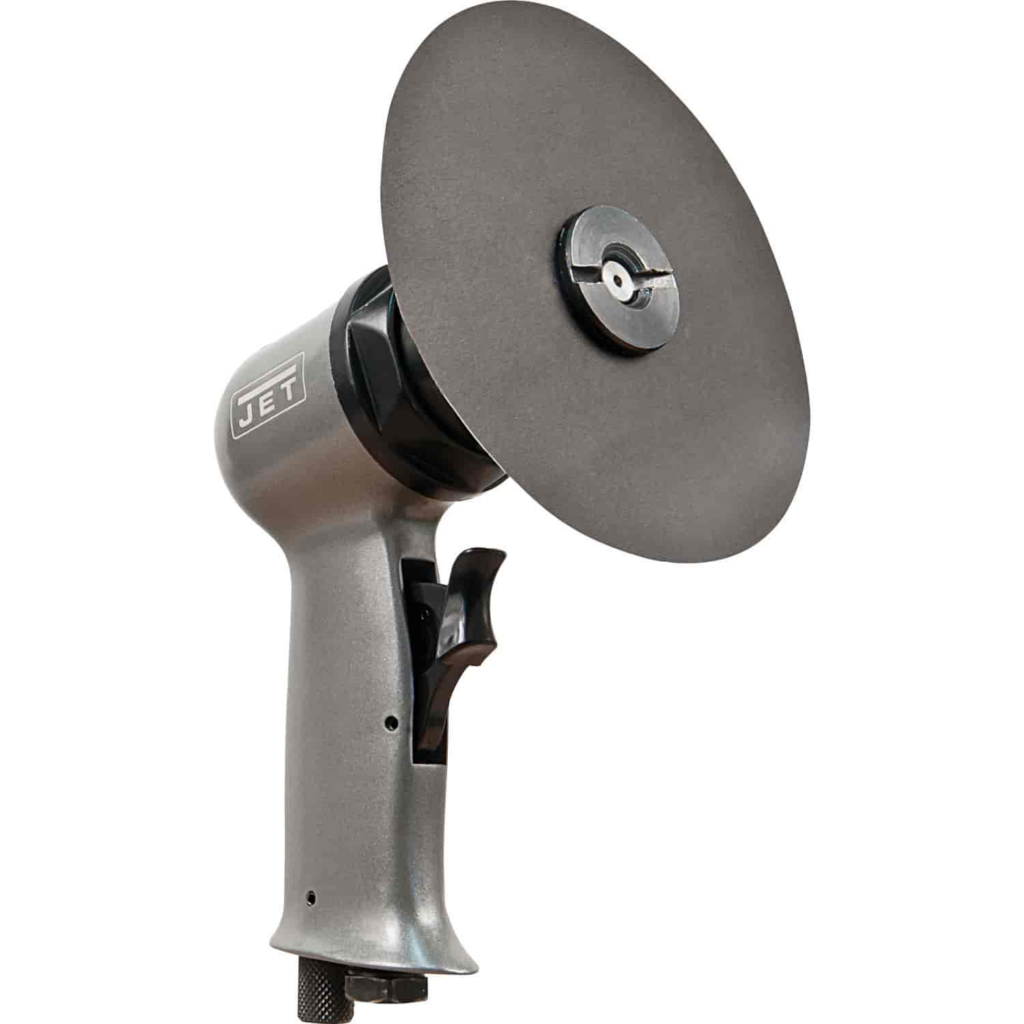
For general garage use, a mid sized compressor is often the best balance between performance and convenience. Compressors in the 20 to 30 gallon range provide enough capacity to run many common air tools including impact wrenches, ratchets, and tire inflators.
Portable compressors are also useful in home garages because they can be moved easily around the shop. They are ideal for maintenance tasks such as tire inflation, brake work, and small mechanical projects.
Brands such as JEGS offer compressors designed for automotive enthusiasts who need dependable performance without requiring industrial equipment.
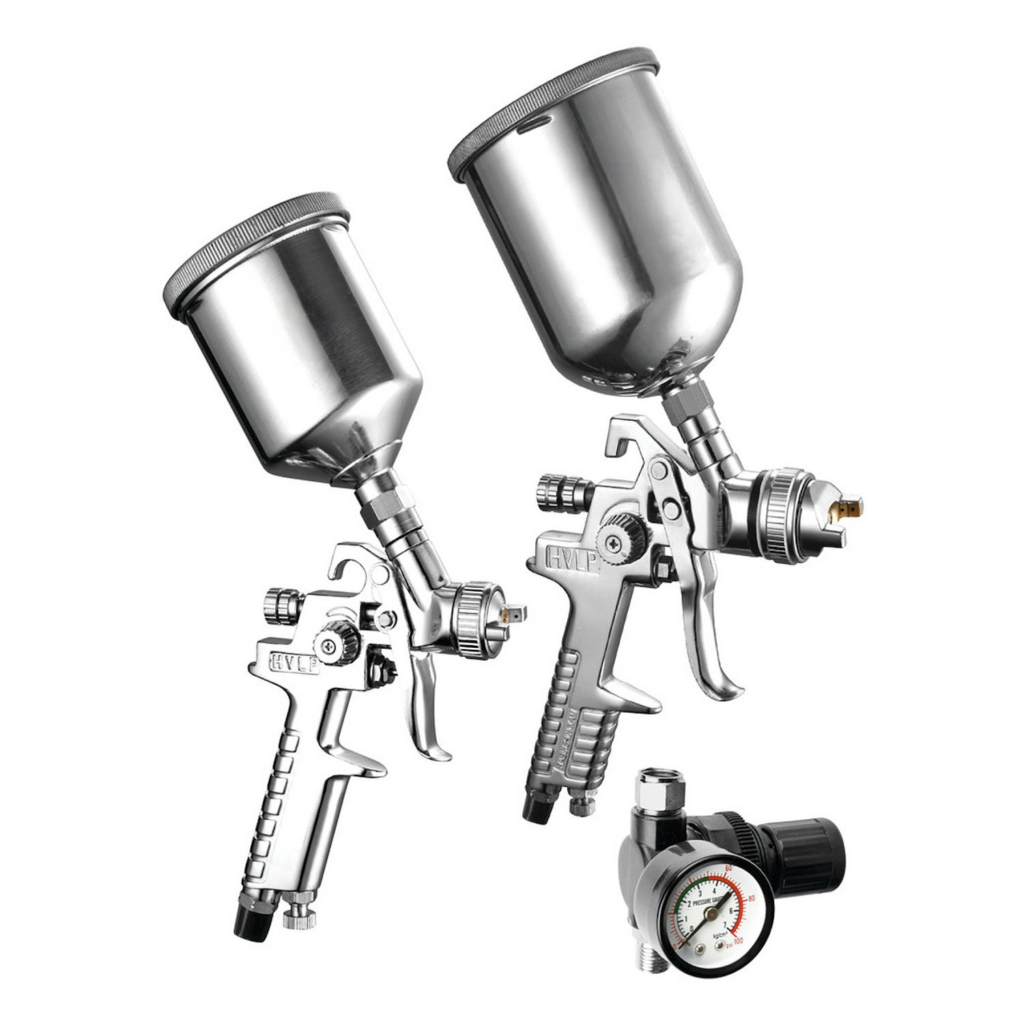
Auto painting requires a steady supply of clean compressed air. Paint spray guns typically require consistent airflow to produce a smooth and even finish.
For painting projects, a larger compressor with a tank capacity of at least 60 gallons is commonly recommended. This allows the compressor to deliver steady airflow without frequent cycling.
Oil lubricated compressors are often preferred for painting because they provide long run times and consistent performance. Pairing the compressor with a quality air filtration and moisture separator system helps prevent water contamination in the paint.
A compressor with sufficient airflow ensures that spray guns from companies such as DeVilbiss and other professional brands operate properly during extended painting sessions.
Sign up now to join the JEGS email newsletter and be the first to learn about new products, special deals and e-mail only offers!
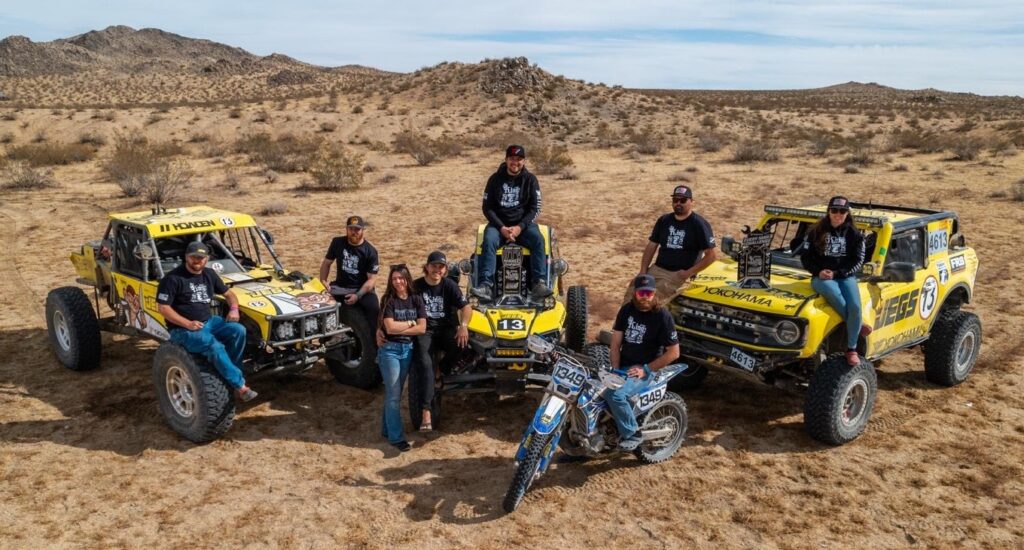
Off road vehicles often use compact onboard air compressors to inflate tires after trail driving. Lower tire pressures improve traction off road, but tires must be reinflated before returning to pavement.
Portable compressors designed for off road use are compact and easy to store in a vehicle. They allow drivers to quickly inflate tires after leaving the trail.
Many off road enthusiasts also use compressors to power air lockers, inflate spare tires, or run small air tools in remote locations.
A durable portable compressor is an essential accessory for serious off road builds.
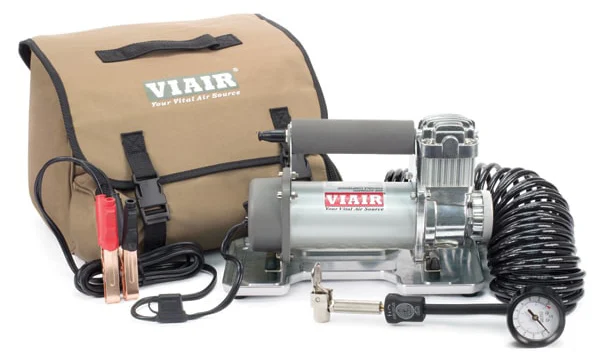
Single stage compressors are common in home garages and smaller shops. They compress air once before sending it to the tank. These units are usually more affordable and provide enough power for many automotive tasks.
Two stage compressors compress air in two steps, allowing higher pressure and greater efficiency. These compressors are commonly used in larger shops where air tools and painting equipment are used frequently.
For enthusiasts who plan to run multiple tools or perform frequent painting projects, a two stage compressor can provide improved performance.
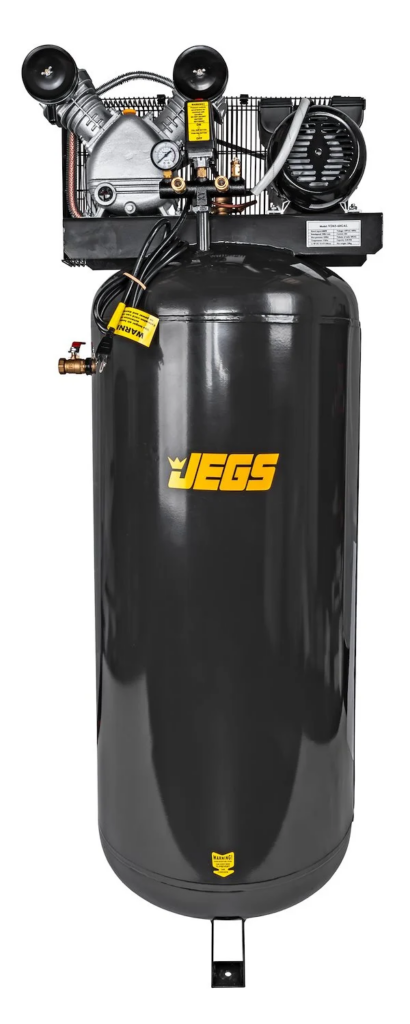
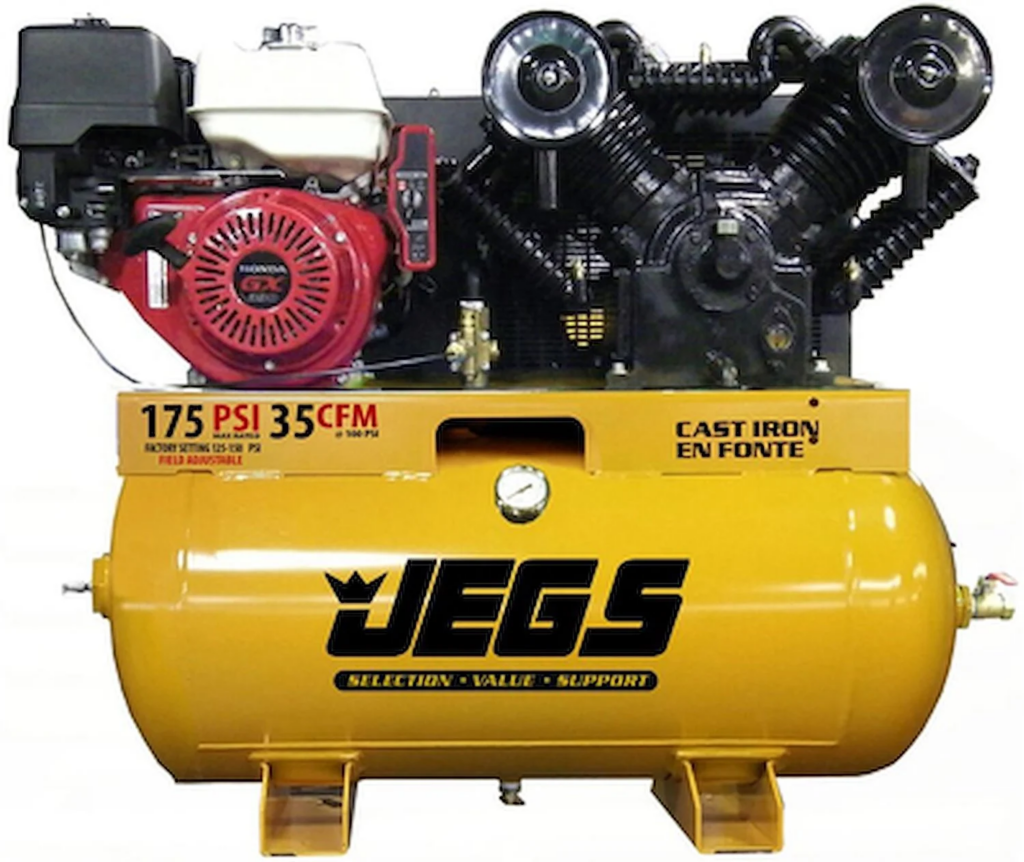
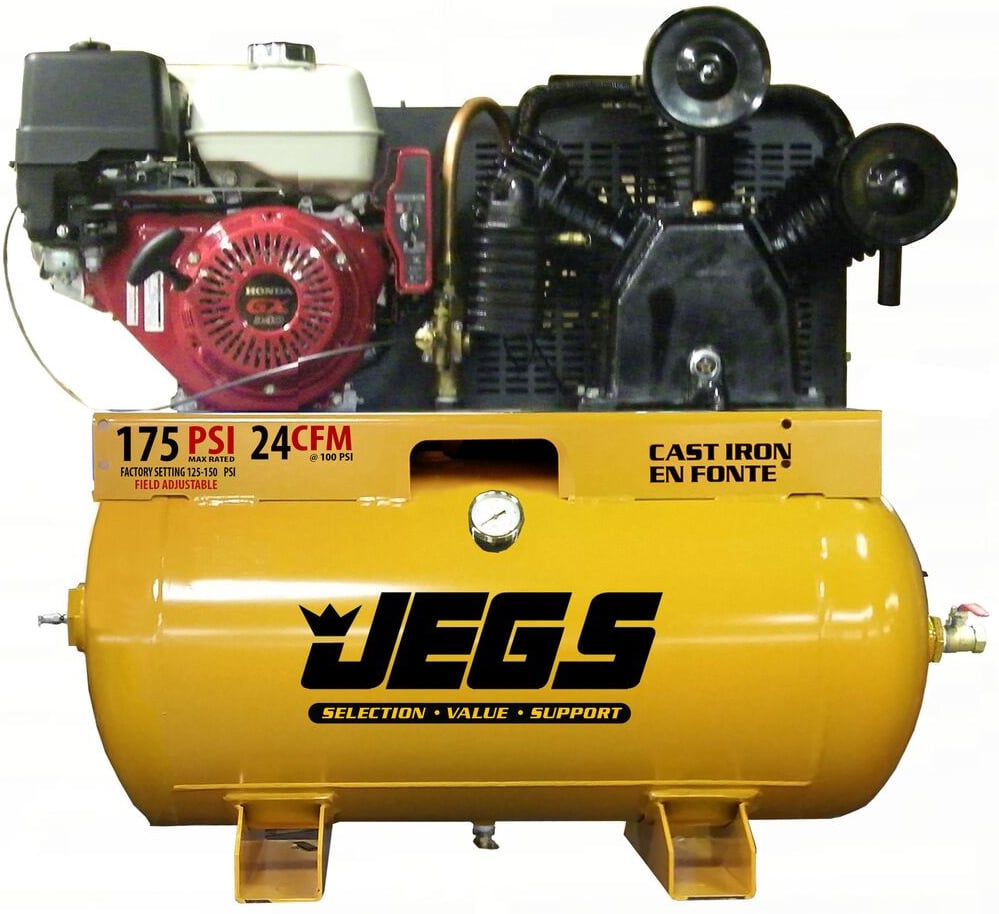
The best air compressor depends on the tasks you plan to perform. Small portable compressors work well for tire inflation and occasional air tool use. Mid size compressors are ideal for home garages and general mechanical work. Larger stationary compressors are better suited for painting and continuous air tool operation.
Consider tank size, airflow output, power requirements, and available garage space when selecting a compressor.
A quality air compressor is an essential tool for any automotive enthusiast. From routine maintenance to full restoration projects, the right compressor helps power the tools needed to get the job done.
At www.jegs.com, you will find air compressors, air tools, garage equipment, and shop accessories designed for performance enthusiasts and home mechanics.
If you need help selecting the best air compressor for your garage, auto painting project, or off road vehicle, the JEGS Tech Specialists can help you choose the right equipment for your workshop.




Leave a Reply