

 Order Status & Returns
 Gift Cards
 Help Center
 1-800-345-4545
ENGINES & COMPONENTS Parts

ADD A VEHICLE TO GUARANTEE PARTS FIT
See products that fit

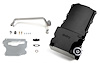
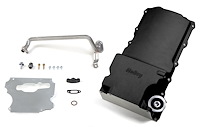
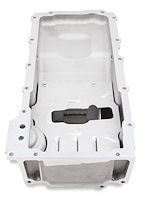
![302-75 Engine Swap Rear Sump Oil Pan Kit for Gen III Hemi 5.7L, 6.1L, 6.4L (392 ci.) Engines w/o VVT [Natural Finish]](https://www.jegs.com/images/mini_100/500/510/510-302-75.jpg)
HOLLEY
302-75 Engine Swap Rear Sump Oil Pan Kit for Gen III Hemi 5.7L, 6.1L, 6.4L (392 ci.) Engines w/o VVT [Natural Finish]
Part Number: 510-302-75
$44995
 Ships Today
 Lowest price guarantee
![302-75 Engine Swap Rear Sump Oil Pan Kit for Gen III Hemi 5.7L, 6.1L, 6.4L (392 ci.) Engines w/o VVT [Natural Finish]](https://www.jegs.com/images/mini_200/500/510/510-302-75.jpg)
HOLLEY
302-75 Engine Swap Rear Sump Oil Pan Kit for Gen III Hemi 5.7L, 6.1L, 6.4L (392 ci.) Engines w/o VVT [Natural Finish]
Part Number: 510-302-75
Ships TodayLowest Price Guarantee$44995
![302-64 Engine Swap Mid-Sump Oil Pan Kit for Mopar Gen III Hemi Hellcat 6.2L Supercharged Engines w/VVT [Natural Finish]](https://www.jegs.com/images/mini_100/500/510/510-302-64.jpg)
HOLLEY
302-64 Engine Swap Mid-Sump Oil Pan Kit for Mopar Gen III Hemi Hellcat 6.2L Supercharged Engines w/VVT [Natural Finish]
Part Number: 510-302-64
$49995
Ships TodayLowest price guarantee![302-64 Engine Swap Mid-Sump Oil Pan Kit for Mopar Gen III Hemi Hellcat 6.2L Supercharged Engines w/VVT [Natural Finish]](https://www.jegs.com/images/mini_200/500/510/510-302-64.jpg)
HOLLEY
302-64 Engine Swap Mid-Sump Oil Pan Kit for Mopar Gen III Hemi Hellcat 6.2L Supercharged Engines w/VVT [Natural Finish]
Part Number: 510-302-64
Ships TodayLowest Price Guarantee$49995
![302-61BK Engine Swap Oil Pan Kit for Gen III 5.7L & 6.4L [VVT, Black]](https://www.jegs.com/images/mini_100/500/510/510-302-61bk.jpg)
![302-61BK Engine Swap Oil Pan Kit for Gen III 5.7L & 6.4L [VVT, Black]](https://www.jegs.com/images/mini_200/500/510/510-302-61bk.jpg)
![302-21 GM Gen-V LT Retro-Fit Oil Pan [As Cast]](https://www.jegs.com/images/mini_100/500/510/510-302-21.jpg)
![302-21 GM Gen-V LT Retro-Fit Oil Pan [As Cast]](https://www.jegs.com/images/mini_200/500/510/510-302-21.jpg)
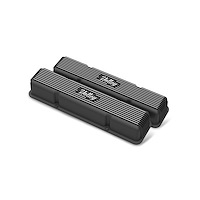



![241-187 Ford Fox Body Mustang-Style 2-Piece Cast-Aluminum Valve Covers for GM Gen III/IV LS Engines [Black Finish]](https://www.jegs.com/images/mini_100/500/510/510-241-187.jpg)
HOLLEY
241-187 Ford Fox Body Mustang-Style 2-Piece Cast-Aluminum Valve Covers for GM Gen III/IV LS Engines [Black Finish]
Part Number: 510-241-187
$53195
Ships TodayLowest price guarantee![241-187 Ford Fox Body Mustang-Style 2-Piece Cast-Aluminum Valve Covers for GM Gen III/IV LS Engines [Black Finish]](https://www.jegs.com/images/mini_200/500/510/510-241-187.jpg)
HOLLEY
241-187 Ford Fox Body Mustang-Style 2-Piece Cast-Aluminum Valve Covers for GM Gen III/IV LS Engines [Black Finish]
Part Number: 510-241-187
Ships TodayLowest Price Guarantee$53195

HOLLEY
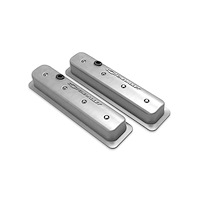
241-400 Aluminum Valve Covers GM LS1/LS2/LS3/LS6/LS7 Engines, Chevrolet with Bowtie Logo - Natural Machined Finish
Part Number: 510-241-400
$46795
Ships TodayLowest price guarantee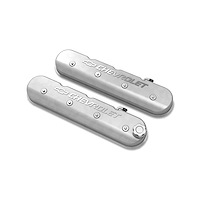
HOLLEY
241-400 Aluminum Valve Covers GM LS1/LS2/LS3/LS6/LS7 Engines, Chevrolet with Bowtie Logo - Natural Machined Finish
Part Number: 510-241-400
Ships TodayLowest Price Guarantee$46795
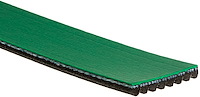
![FleetRunner Micro-V Belt Outside Belt Circumference: 124.875 in. [8 Ribs]](https://www.jegs.com/images/mini_100/400/465/465-k081243hd.jpg)
![FleetRunner Micro-V Belt Outside Belt Circumference: 124.875 in. [8 Ribs]](https://www.jegs.com/images/mini_200/400/465/465-k081243hd.jpg)