


 Order Status & Returns
 Gift Cards
 Help Center
 1-800-345-4545
High Performance Brake Calipers
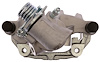
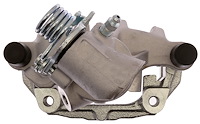
Brake calipers squeeze the pads against your rotors to create the friction that slows and stops your vehicle. This category brings together fixed and floating calipers for front and rear positions, in chrome, black, blue, red and silver powdercoat or anodized finishes. You'll find top brands like Wilwood, Power Stop, Dynamic Friction and Strange Engineering, so you can match the right caliper to your street, towing, drag or track build.
Show More
What Does A Brake Caliper Do?
A brake caliper is the clamp that presses your brake pads against the spinning rotor, turning motion into the friction that stops your vehicle. Every time you hit the pedal, hydraulic pressure pushes the caliper pistons, and the pads bite down on the rotor. Calipers come in two main designs.
A floating caliper uses pistons on one side and slides on pins so both pads make contact. That keeps cost and weight down for daily drivers. A fixed caliper mounts solidly and uses pistons on both sides of the rotor for firmer, more even clamping under hard use.
If you're upgrading from an older setup, it helps to know the difference between drum and disc brakes before you choose. You'll find calipers across our full range of disc brakes, sized for mild street cars through dedicated track builds.
Types Of Performance Brake Calipers
Performance brake calipers come in several designs, and the right type depends on your vehicle, your power level and how you drive. Knowing the main options makes it easier to match a caliper to your build.
Here are the common caliper types and options you'll shop:
- fixed calipers: mounted solidly with pistons on both sides for even, high-clamp braking.
- floating calipers: slide on pins with pistons on one side for lighter, budget-friendly stops.
- radial-mount calipers: bolt outward from the hub for added stiffness on big rotors.
- OE-replacement calipers: match factory specs for a direct, no-guesswork swap.
- big-brake and multi-piston calipers: use four or six pistons for serious heat and towing loads.
- powdercoated and anodized finishes: protect the caliper body and add color to your wheels.
Many kits include the caliper bracket and mounting hardware you need. You can add matching disc brake hardware when a swap calls for fresh pins, bolts or clips.
Front Vs. Rear Brake Calipers
Front brake calipers handle most of your stopping power because weight shifts forward when you brake. They're usually larger and often use more pistons than the rears. Rear brake calipers do less of the work, but they carry an extra job on many vehicles.
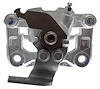
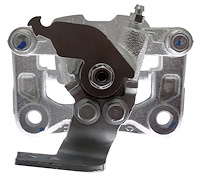
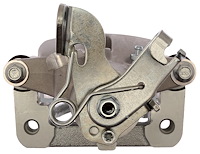
Rear calipers frequently integrate the parking brake, using either a mechanical lever or an electronic actuator built into the caliper body. That's why you can't always swap a front and rear caliper, even when they look similar.
When you shop, check the position facet and confirm whether your rear caliper needs a parking-brake provision. Adding rear discs to an older car? Our guide on how to convert rear drum brakes to disc brakes walks through the parts you'll need.
Matching front and rear calipers to the same system keeps your brake bias balanced and predictable.
Choosing Brake Calipers By Brand And Finish
Start by matching the caliper to your vehicle and use case, then pick a brand and finish that fit your goals and your budget. Power Stop offers bolt-on upgrades like the Evolution Sport and Autospecialty OE lines for street and towing drivers who want a clean factory-style replacement. Wilwood builds forged performance calipers, including the Forged Dynalite, GP200 and Forged Narrow Superlite 4, for drag, autocross and road-course cars.
Dynamic Friction, Allstar Performance, Aerospace Components and Strange Engineering round out the lineup for OE and race applications. Finish matters too, since your caliper is often visible through the wheel.
You can choose chrome, black, blue, red or silver in powdercoat or anodized coatings that resist heat and corrosion. If you run hard on track, adding brake ducting helps keep caliper and fluid temperatures in check. Pick the color that suits your build, then confirm fitment before you buy.
Signs You Need To Replace Your Brake Calipers
Replace a brake caliper when it leaks fluid, sticks, or causes uneven braking, since a failing caliper puts your stopping power at risk. Watch for brake fluid leaking around the caliper or on the inside of the wheel, which points to a failed piston seal.
A sticking caliper drags the pad against the rotor. You may notice uneven or fast pad wear, pulling to one side, or a burning smell after a drive. Vibration under braking and visible corrosion on the caliper body are other warning signs.
Because calipers wear as a matched pair, replace them in sets on the same axle to keep braking even. A sticking caliper often chews through pads and scores the rotor. Inspect your disc brake pads and brake rotors at the same time, and replace them together when needed.
Catching these signs early keeps your brake caliper replacement simple and your vehicle safe.

ADD A VEHICLE TO GUARANTEE PARTS FIT
See products that fit

ADD A VEHICLE TO GUARANTEE PARTS FIT
See products that fit
![Premium Brake Caliper [Silver Zinc Coated], 1994-2003 Ford/Lincoln/Mercury/Mazda, Front Right/Passenger](https://www.jegs.com/images/mini_100/300/328/328-331-54184.jpg)
DYNAMIC FRICTION
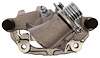
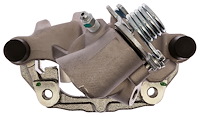
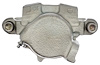
Premium Brake Caliper [Silver Zinc Coated], 1994-2003 Ford/Lincoln/Mercury/Mazda, Front Right/Passenger
Part Number: 328-331-54184
 Ships Tomorrow
 Lowest price guarantee
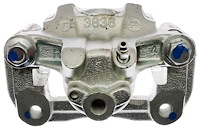
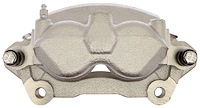
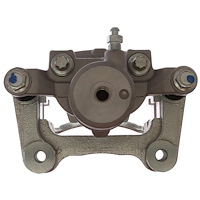
![Premium Brake Caliper [Silver Zinc Coated], 1994-2003 Ford/Lincoln/Mercury/Mazda, Front Right/Passenger](https://www.jegs.com/images/mini_200/300/328/328-331-54184.jpg)
DYNAMIC FRICTION
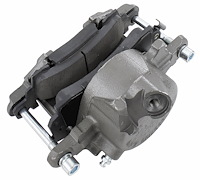
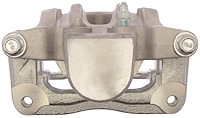
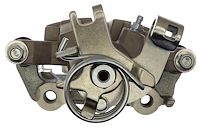
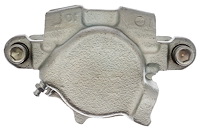
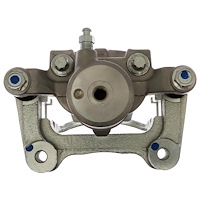
Premium Brake Caliper [Silver Zinc Coated], 1994-2003 Ford/Lincoln/Mercury/Mazda, Front Right/Passenger
Part Number: 328-331-54184
Ships TomorrowLowest Price Guarantee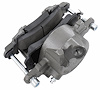
Frequently Asked Questions About Brake Calipers
How Much Does It Cost To Replace A Brake Caliper?
Brake caliper replacement cost depends on your vehicle, the type of caliper you choose, and whether you pay for labor. Fixed and multi-piston performance calipers typically cost more than basic floating replacements. Parts like brackets, pads and fluid can add to the total, so price the full job rather than the caliper alone.
Should You Replace Brake Calipers In Pairs Or All Four?
Replace calipers in pairs on the same axle so both sides clamp with equal force. If one front caliper fails, replace both fronts to keep braking balanced. You don't always need all four at once, but matching left and right on each axle is important for even, predictable stops.
How Long Do Brake Calipers Last?
Brake calipers can last for many years and often outlast several sets of pads, but their lifespan depends on climate, driving style and maintenance. Road salt and moisture speed up corrosion, while hard track use adds heat stress. Regular fluid changes and pad inspections help your calipers last longer.
Can You Drive With A Bad Brake Caliper?
You shouldn't drive with a bad brake caliper, because a sticking or leaking caliper can cut your stopping power and cause fluid loss. A dragging caliper builds heat, wears the pad unevenly, and can damage the rotor. If you notice pulling, a burning smell or a soft pedal, have the caliper inspected before you drive.
Do You Need New Brake Pads And Rotors When Replacing Calipers?
It's smart to inspect your pads and rotors whenever you replace a caliper. A failed caliper often causes uneven pad wear and scores the rotor, so those parts may need replacing too. Fresh pads and a true rotor surface help your new caliper perform its best and bed in evenly.