


 Order Status & Returns
 Gift Cards
 Help Center
 1-800-345-4545
Performance Racing Seats
Racing seats hold you in place under hard launches, braking and cornering, so you can focus on driving. This category covers fixed-back, reclining, aluminum drag and containment, suspension and bucket seats, plus bench and replacement seats. You'll find options for street, track, drag and off-road builds, whether you're upgrading a weekend cruiser or outfitting a dedicated race car.
Show More
Fixed-Back vs. Reclining Racing Seats
Choose a fixed-back seat if your car sees track time or competition, and choose a reclining seat if it's mostly street driven. A fixed-back shell doesn't recline, so the backrest can't flex or shift under load. That added strength and stability is why fixed-back seats are common for road racing, track days and other competition use.
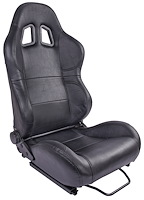
Reclining racing seats balance comfort and performance. You can adjust the backrest angle for long drives and easier entry and exit. They're a popular pick for street-driven cars that still need more side support than a factory seat offers.
Plan around how you'll use the car over the next few seasons. If track days are on the calendar, buying a fixed-back seat now can save you a second purchase later. Compare both styles in our guide to the best racing seats for street, track and drag builds. Then browse the full lineup of seats and seat belts for your project.
Aluminum Drag Racing Seats and Containment Seats
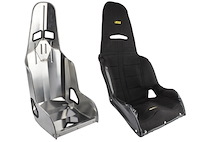
Aluminum drag racing seats keep you locked in place through hard launches and high-speed passes. They use high side supports and harness openings for multi-point harnesses, so your belts route cleanly through the shell. Containment seats take that idea further with extra side support around your upper body.
An aluminum seat is a common choice for dedicated drag cars, where you rarely need an adjustable backrest. The fixed shell gives you a consistent seating position every pass, which helps you repeat the same reaction and driving inputs. It also gives you a solid base for mounting your harness the same way each time.
Kirkey racing seats are a familiar sight in drag cars, with the 55, 65 and 86 Series covering aluminum drag and containment designs. Before you order, check the height of the side supports against your shoulders. Also confirm helmet clearance inside the cage, since a taller containment seat sits closer to the roof bars.
How to Size a Racing Bucket Seat
Size a racing bucket seat by your seated hip width first, then check shoulder height and seat depth. Sit on a hard, flat surface and measure across the widest point of your hips. Round up to the next seat size, so a 14 3/4 in. measurement points you to a 15 in. seat.
Seat widths usually fall between 11 and 26 in., and seats at JEGS have backrests between 25 and 35 in. high. Measure your seated shoulder height and compare it to the shoulder harness slots on the backrest. A seat that's too short or too tall can leave the harness at an awkward angle.
Next, check fit inside the car. Seat depth affects how you reach the pedals, so make sure you can press the clutch and brake fully without sliding forward. The shell also needs clearance against the door panels and transmission tunnel. Our racing seat sizing guide walks you through each measurement step by step.
Racing Seat Mounts, Brackets and Harness Compatibility
Most racing seats mount to the car with brackets, sliders or fixed mounts, so plan your mounting setup before the seat arrives. Brackets adapt the seat to your floor or chassis. Sliders let you move the seat forward and back, while fixed mounts hold it in one position.
Check the seat listing to see whether mounting hardware is included. Then shop seat mounts and installation parts that match your seat's mounting holes and your vehicle. Getting the seat height and position right here affects sightlines, pedal reach and harness angles.
Harness compatibility matters just as much. Look at the harness pass-through openings in the shell and confirm they line up with the belts you plan to run. A multi-point harness needs a clean path for each strap it uses, so mismatched openings can force awkward belt routing. If you're keeping factory-style belts in a street car, browse replacement seat belts for your build.
Racing Seat Brands at JEGS
JEGS carries racing seats from several brands, and each one has a different focus. Start with the brand that matches how you drive and what you're building:
- Kirkey makes aluminum drag and containment seats in its 55, 65 and 86 Series.
- Procar Seats offers Rally, Sportsman and Pro90 lines in reclining and fixed-back designs.
- Corbeau offers the FX1 Pro, RRX and GTS II, including reclining models for street-driven cars.
- NRG Innovations seats include fiberglass Prisma bucket seats and carbon fiber seats.
- PRP Seats makes the Podium Elite suspension race seat for off-road and UTV builds.
Use the Brand filter on this page to narrow your results. Then refine by Material, Position or Size to find seats that fit your car and your body. Compare the shell material, backrest style and harness openings across brands before you choose. Shop all racing seats at JEGS when you're ready to build.

ADD A VEHICLE TO GUARANTEE PARTS FIT
See products that fit

ADD A VEHICLE TO GUARANTEE PARTS FIT
See products that fit
![Retro Low Back Reclining Bucket Seat Kit [With Headrest, Beige]](https://www.jegs.com/images/mini_100/500/555/555-70313k.jpg)
![Retro Low Back Reclining Bucket Seat Kit [With Headrest, Beige]](https://www.jegs.com/images/mini_200/500/555/555-70313k.jpg)
![High Back Competition Seat [Black]](https://www.jegs.com/images/mini_100/500/555/555-70298.jpg)
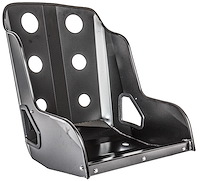
![High Back Competition Seat [Black]](https://www.jegs.com/images/mini_200/500/555/555-70298.jpg)
![Aluminum Racing Seat [16 in. Hip Width]](https://www.jegs.com/images/mini_100/500/555/555-702260.jpg)
![Aluminum Racing Seat [16 in. Hip Width]](https://www.jegs.com/images/mini_200/500/555/555-702260.jpg)
![Aluminum Racing Seat, Black [16 in. Hip Width]](https://www.jegs.com/images/mini_100/500/555/555-702264.jpg)
![Aluminum Racing Seat, Black [16 in. Hip Width]](https://www.jegs.com/images/mini_200/500/555/555-702264.jpg)
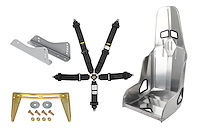
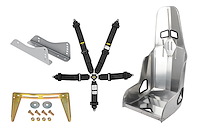
![Aluminum Racing Seat Kit [Black, 16 in. Hip Width]](https://www.jegs.com/images/mini_100/500/555/555-702264k1.jpg)
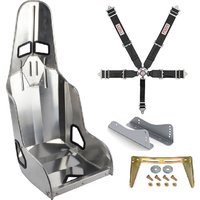
![Aluminum Racing Seat Kit [Black, 16 in. Hip Width]](https://www.jegs.com/images/mini_200/500/555/555-702264k1.jpg)
![Pro High Back II Race Seat [Gray]](https://www.jegs.com/images/mini_100/500/555/555-70256.jpg)
![Pro High Back II Race Seat [Gray]](https://www.jegs.com/images/mini_200/500/555/555-70256.jpg)
![GS-2 High Back Sport Seat [Right/Passenger Side]](https://www.jegs.com/images/mini_100/500/555/555-70294-r.jpg)
![GS-2 High Back Sport Seat [Right/Passenger Side]](https://www.jegs.com/images/mini_200/500/555/555-70294-r.jpg)
![Retro Low Back Reclining Bucket Seat with Headrest, Right/Passenger Side [Black]](https://www.jegs.com/images/mini_100/500/555/555-70299-r.jpg)
JEGS
Retro Low Back Reclining Bucket Seat with Headrest, Right/Passenger Side [Black]
Part Number: 555-70299-R
 Ships Today
 Lowest price guarantee
![Retro Low Back Reclining Bucket Seat with Headrest, Right/Passenger Side [Black]](https://www.jegs.com/images/mini_200/500/555/555-70299-r.jpg)
JEGS
Retro Low Back Reclining Bucket Seat with Headrest, Right/Passenger Side [Black]
Part Number: 555-70299-R
Ships TodayLowest Price Guarantee![Retro Low Back Reclining Bucket Seat with Headrest, Right/Passenger Side [White]](https://www.jegs.com/images/mini_100/500/555/555-70305-r.jpg)
JEGS
Retro Low Back Reclining Bucket Seat with Headrest, Right/Passenger Side [White]
Part Number: 555-70305-R
Ships TodayLowest price guarantee![Retro Low Back Reclining Bucket Seat with Headrest, Right/Passenger Side [White]](https://www.jegs.com/images/mini_200/500/555/555-70305-r.jpg)
JEGS
Retro Low Back Reclining Bucket Seat with Headrest, Right/Passenger Side [White]
Part Number: 555-70305-R
Ships TodayLowest Price Guarantee![Retro Low Back Reclining Bucket Seat without Headrest, Right/Passenger Side [Gray]](https://www.jegs.com/images/mini_100/500/555/555-70309-r.jpg)
JEGS
Retro Low Back Reclining Bucket Seat without Headrest, Right/Passenger Side [Gray]
Part Number: 555-70309-R
Ships TodayLowest price guarantee![Retro Low Back Reclining Bucket Seat without Headrest, Right/Passenger Side [Gray]](https://www.jegs.com/images/mini_200/500/555/555-70309-r.jpg)
JEGS
Retro Low Back Reclining Bucket Seat without Headrest, Right/Passenger Side [Gray]
Part Number: 555-70309-R
Ships TodayLowest Price Guarantee![Retro Low Back Reclining Bucket Seat with Headrest, Right/Passenger Side [Beige]](https://www.jegs.com/images/mini_100/500/555/555-70313-r.jpg)
JEGS
Retro Low Back Reclining Bucket Seat with Headrest, Right/Passenger Side [Beige]
Part Number: 555-70313-R
Ships TodayLowest price guarantee![Retro Low Back Reclining Bucket Seat with Headrest, Right/Passenger Side [Beige]](https://www.jegs.com/images/mini_200/500/555/555-70313-r.jpg)
JEGS
Retro Low Back Reclining Bucket Seat with Headrest, Right/Passenger Side [Beige]
Part Number: 555-70313-R
Ships TodayLowest Price Guarantee![Racing High Back Sport Seat, Black Leather w/Yellow Diamond Stitched Bolsters & Carbon Fiber Look Backing [Left/Driver Side]](https://www.jegs.com/images/mini_100/500/555/555-70317-l.jpg)
JEGS
Racing High Back Sport Seat, Black Leather w/Yellow Diamond Stitched Bolsters & Carbon Fiber Look Backing [Left/Driver Side]
Part Number: 555-70317-L
Ships TodayLowest price guarantee![Racing High Back Sport Seat, Black Leather w/Yellow Diamond Stitched Bolsters & Carbon Fiber Look Backing [Left/Driver Side]](https://www.jegs.com/images/mini_200/500/555/555-70317-l.jpg)
JEGS
Racing High Back Sport Seat, Black Leather w/Yellow Diamond Stitched Bolsters & Carbon Fiber Look Backing [Left/Driver Side]
Part Number: 555-70317-L
Ships TodayLowest Price Guarantee
![Aluminum Racing Seat Kit [Black, 18 in. Hip Width]](https://www.jegs.com/images/mini_100/500/555/555-702266k1.jpg)
![Aluminum Racing Seat Kit [Black, 18 in. Hip Width]](https://www.jegs.com/images/mini_200/500/555/555-702266k1.jpg)
![Pro High Back II Race Seat [Red]](https://www.jegs.com/images/mini_100/500/555/555-70251.jpg)
![Pro High Back II Race Seat [Red]](https://www.jegs.com/images/mini_200/500/555/555-70251.jpg)
![Racing High Back Sport Seat, Black Leather w/Black Diamond Stitched Center Panels & Black Vinyl Backing [Right/Passenger Side]](https://www.jegs.com/images/mini_100/500/555/555-70319-r.jpg)
JEGS
Racing High Back Sport Seat, Black Leather w/Black Diamond Stitched Center Panels & Black Vinyl Backing [Right/Passenger Side]
Part Number: 555-70319-R
Ships TodayLowest price guarantee![Racing High Back Sport Seat, Black Leather w/Black Diamond Stitched Center Panels & Black Vinyl Backing [Right/Passenger Side]](https://www.jegs.com/images/mini_200/500/555/555-70319-r.jpg)
JEGS
Racing High Back Sport Seat, Black Leather w/Black Diamond Stitched Center Panels & Black Vinyl Backing [Right/Passenger Side]
Part Number: 555-70319-R
Ships TodayLowest Price Guarantee![Racing High Back Sport Seat, Black Leather w/Black Diamond Stitched Center Panels & Black Vinyl Backing [Left/Driver Side]](https://www.jegs.com/images/mini_100/500/555/555-70319-l.jpg)
JEGS
Racing High Back Sport Seat, Black Leather w/Black Diamond Stitched Center Panels & Black Vinyl Backing [Left/Driver Side]
Part Number: 555-70319-L
Ships TodayLowest price guarantee![Racing High Back Sport Seat, Black Leather w/Black Diamond Stitched Center Panels & Black Vinyl Backing [Left/Driver Side]](https://www.jegs.com/images/mini_200/500/555/555-70319-l.jpg)
JEGS
Racing High Back Sport Seat, Black Leather w/Black Diamond Stitched Center Panels & Black Vinyl Backing [Left/Driver Side]
Part Number: 555-70319-L
Ships TodayLowest Price Guarantee![Retro Low Back Reclining Bucket Seat without Headrest, Left/Driver Side [White]](https://www.jegs.com/images/mini_100/500/555/555-70308-l.jpg)
JEGS
Retro Low Back Reclining Bucket Seat without Headrest, Left/Driver Side [White]
Part Number: 555-70308-L
Ships TodayLowest price guarantee![Retro Low Back Reclining Bucket Seat without Headrest, Left/Driver Side [White]](https://www.jegs.com/images/mini_200/500/555/555-70308-l.jpg)
JEGS
Retro Low Back Reclining Bucket Seat without Headrest, Left/Driver Side [White]
Part Number: 555-70308-L
Ships TodayLowest Price GuaranteeFrequently Asked Questions About Racing Seats
Do I need an SFI or FIA certified racing seat?
It depends on where you race. Some tracks and sanctioning bodies require SFI or FIA certified seats, so check your rulebook before you buy. For a street-only car, certification usually isn't required, but a certified seat shows the design meets a recognized standard.
Can I use a racing seat in a daily driver?
Yes, many street drivers run racing seats. Think about daily use before you buy, since tall side supports can make getting in and out harder. If your car has seat-mounted airbags or occupant sensors, check how a seat swap affects those systems.
How often should I replace racing harness belts?
SFI-rated harness belts should be replaced 2 years from the date on the tag. FIA-rated harnesses carry a 5-year rating. Check your tag dates before each season, and see our race harness buying guide for more on harness types and ratings.
Are fiberglass or aluminum racing seats lighter or better?
Neither material is better for every build. Fiberglass and composite shells give you support at relatively low weight, which suits many street and track cars. Aluminum seats are common in drag racing, with high side supports and harness openings for multi-point harnesses. Exact weights vary by model, so compare the specs on the seats you're considering.
What other parts do I need when replacing a seat?
Plan for belts and upholstery along with the seat itself. A new seat may call for a fresh harness or belts that route properly through the shell. If you're refreshing a stock-style interior, seat upholstery and covers help you finish the job.