Sign up now to join the JEGS email newsletter and be the first to learn about new products, special deals and e-mail only offers!

 2 People Found This Article Helpful
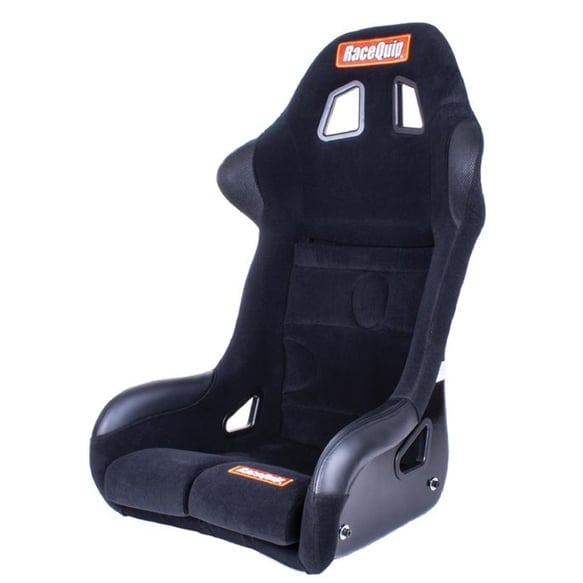

Upgrading to racing seats is one of the most effective ways to improve driver control, safety, and comfort in a performance vehicle. Whether you are building a street performance car, a dedicated track machine, or a drag racing setup, the right racing seat helps keep the driver securely positioned while improving overall driving confidence.
Modern racing seats are designed with advanced materials, improved ergonomics, and compatibility with racing harness systems. Choosing the best racing seat depends on how the vehicle will be used and what level of support and safety is required.
Factory seats are designed primarily for comfort and everyday driving. While they may work fine for commuting, they often lack the support needed for aggressive driving or high performance conditions.
Racing seats are built to hold the driver firmly in place during acceleration, braking, and cornering. This helps reduce driver fatigue and allows the driver to maintain better control of the vehicle.
Many racing seats are also designed to work with performance harness systems, which improve safety during track events or racing.
Manufacturers such as Sparco, Corbeau, Kirkey, and RaceQuip produce racing seats used in a wide range of performance builds.
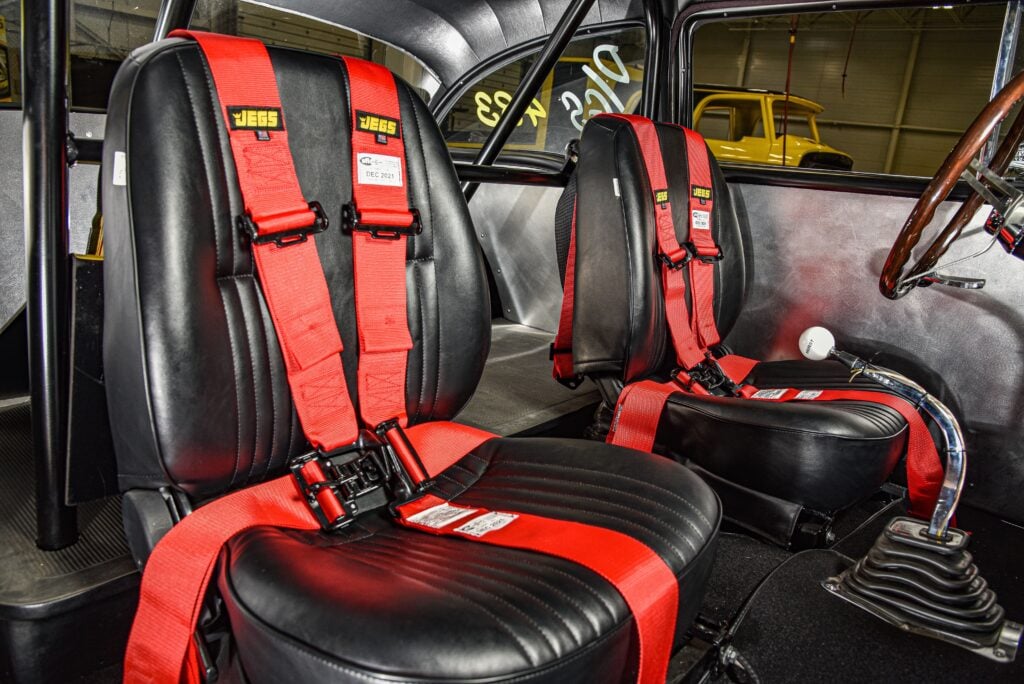
Different driving styles require different seat designs. Understanding the main categories will help you select the best seat for your build.
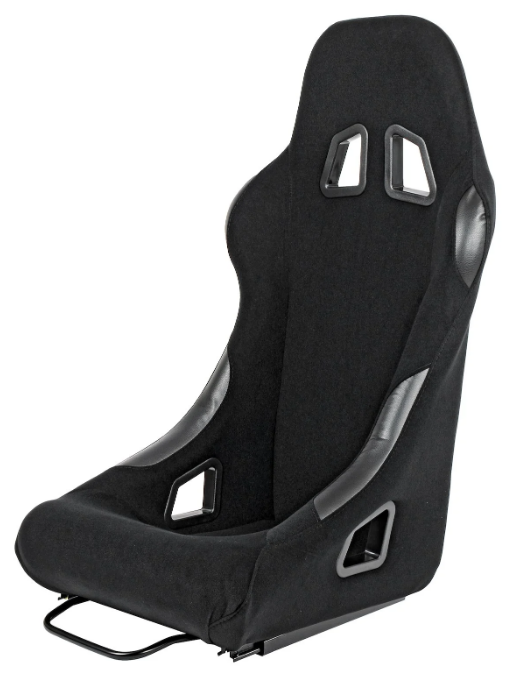
Fixed back racing seats are designed for maximum rigidity and driver support. The seat shell does not recline, which increases strength and stability during high performance driving.
These seats are commonly used in track cars, road racing vehicles, and dedicated competition builds.
Brands such as Sparco and Corbeau offer fixed back racing seats designed for road racing, autocross, and track day vehicles.

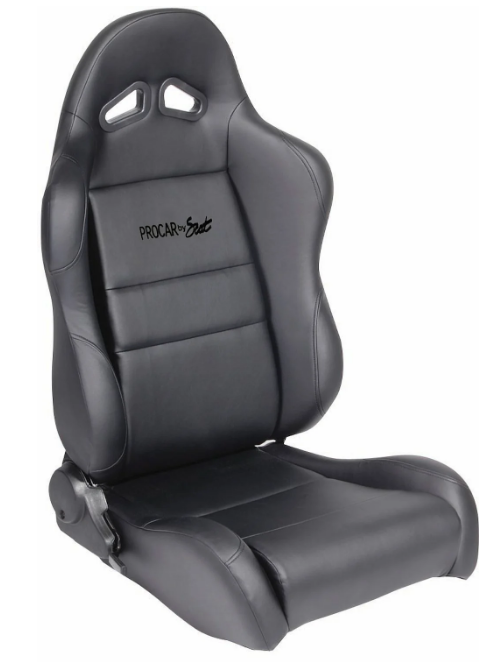
Reclining racing seats provide a balance between comfort and performance. These seats allow the backrest angle to be adjusted, making them a popular choice for street driven performance vehicles.
They still offer improved side bolstering compared to factory seats while maintaining everyday usability.
Corbeau produces several reclining sport seats that are commonly used in street performance cars and restomod builds.
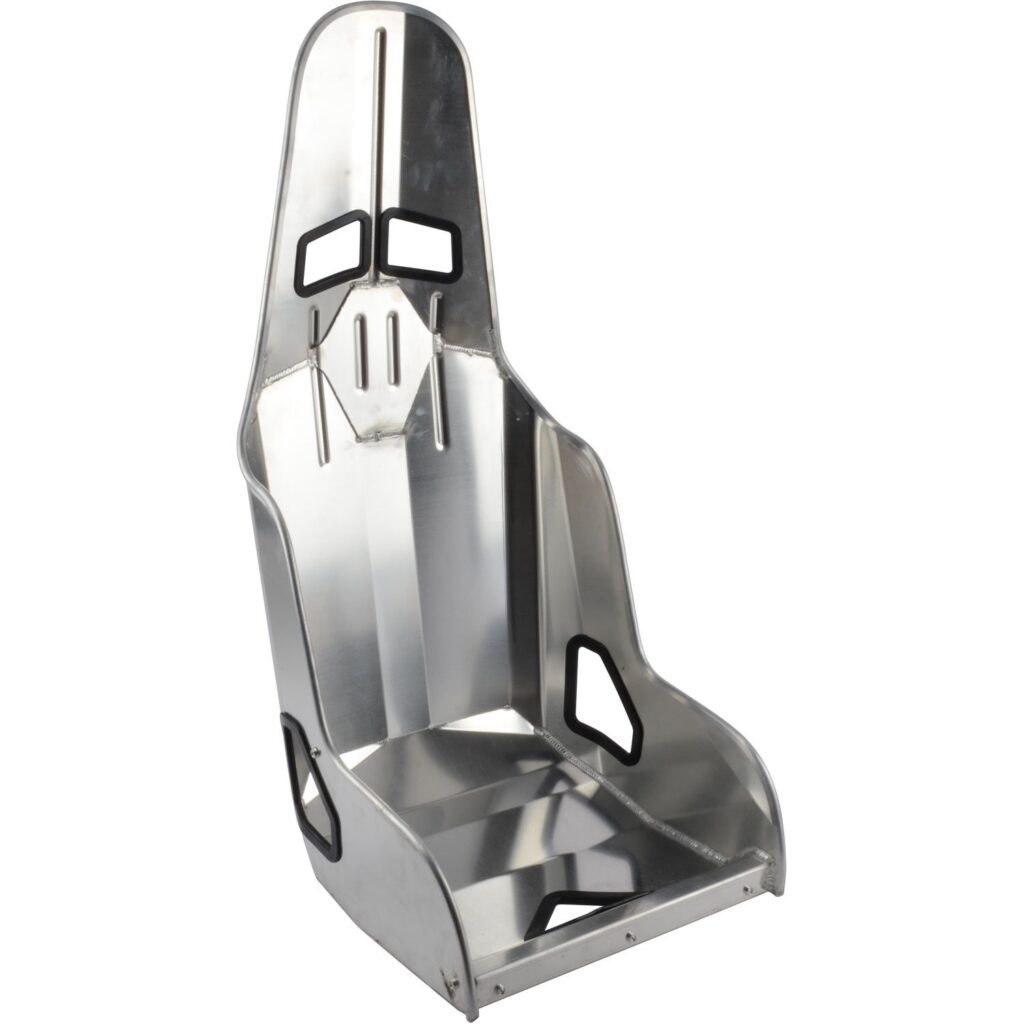
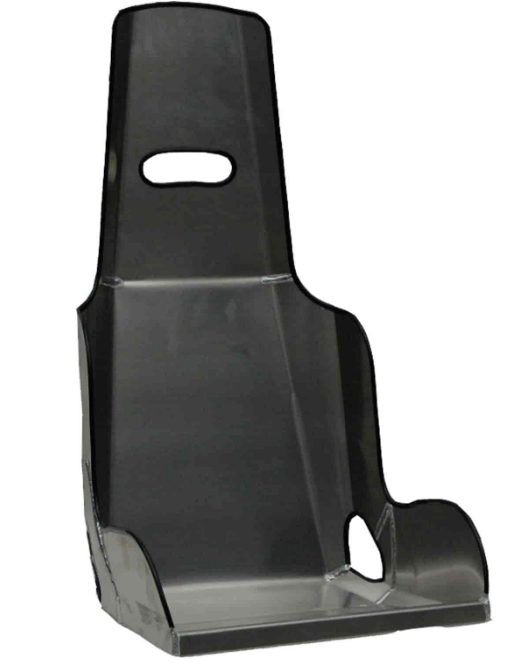
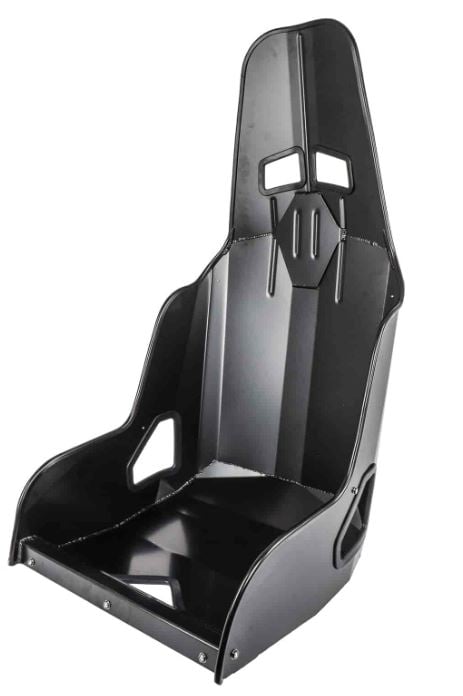
Aluminum racing seats are commonly used in drag racing and other motorsports where lightweight construction and strength are critical.
These seats are often made from formed aluminum and include high side supports and harness openings. They are designed to work with multi point racing harnesses.
Kirkey and RaceQuip produce aluminum racing seats that are widely used in drag racing applications.
When selecting racing seats, several important factors should be considered to ensure proper fit and performance.
Racing seats are designed with specific body sizes in mind. A seat that fits the driver properly provides better support and reduces movement during aggressive driving.
Many racing seat manufacturers offer different widths and sizes to accommodate various drivers.
Sign up now to join the JEGS email newsletter and be the first to learn about new products, special deals and e-mail only offers!
Many performance builds use multi point harness systems for additional safety. Racing seats designed with harness pass through openings allow shoulder belts and lap belts to be routed properly.
Manufacturers such as Sparco and RaceQuip offer seats designed specifically for use with racing harness systems.
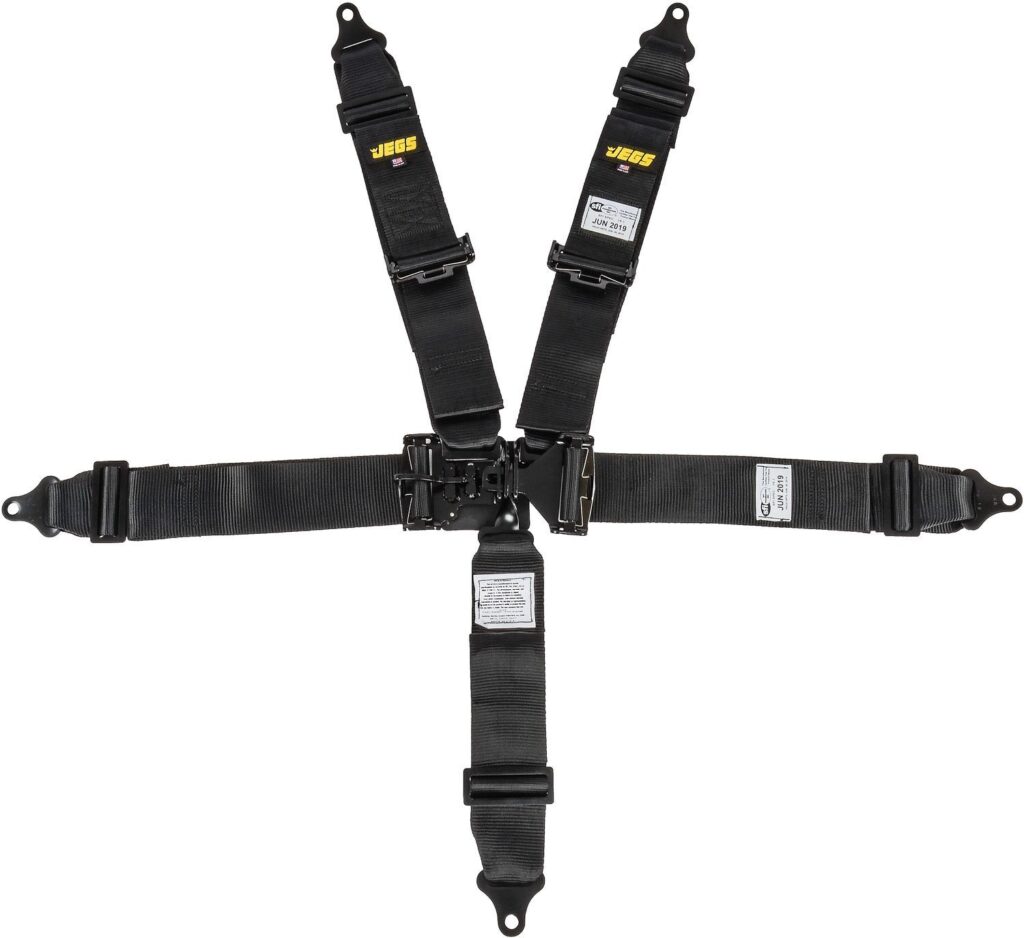
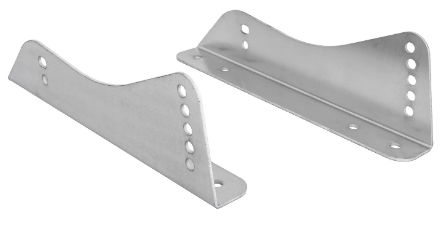
Proper mounting is essential for safety and comfort. Racing seats are typically installed using seat brackets, sliders, or fixed mounts depending on the application.
Seat mounting brackets from companies like JEGS, Sparco and Corbeau allow racing seats to be installed in a wide range of vehicles.
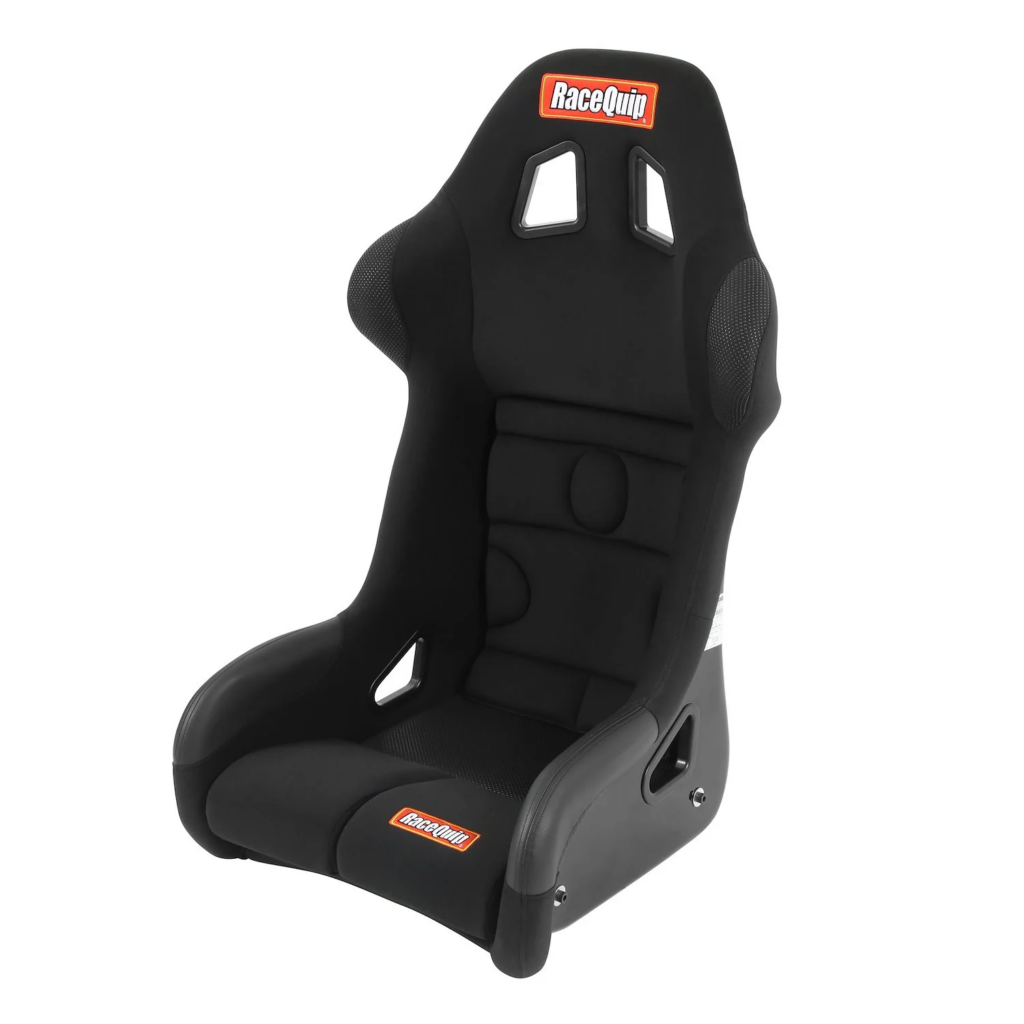
Seat materials affect both durability and weight. Aluminum racing seats are extremely lightweight and strong, making them ideal for drag racing or dedicated race vehicles.
Composite shell seats made from fiberglass or similar materials are often used in road racing and track builds because they provide excellent support while remaining relatively lightweight.
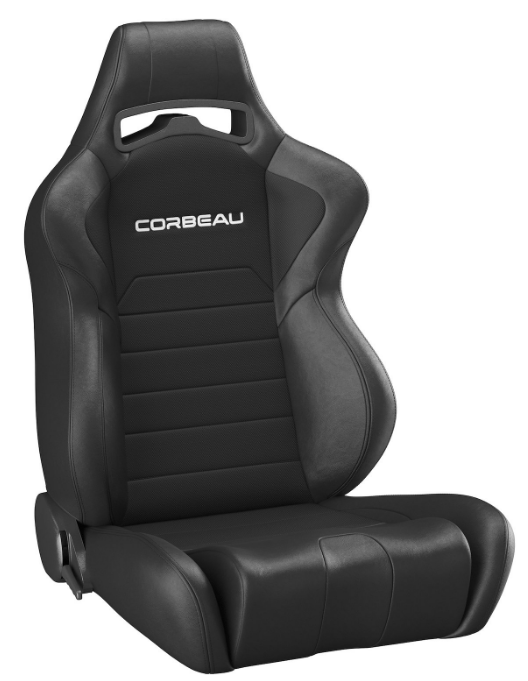
Street performance cars benefit from racing seats that balance comfort and support. Reclining sport seats are often the best option because they allow adjustability while providing improved bolstering.
These seats are popular in muscle cars, tuner builds, and restomod vehicles where performance driving is combined with regular street use.
Corbeau sport seats are commonly used in street performance applications because they offer both comfort and aggressive styling.
Track cars require seats that hold the driver firmly in place during cornering and braking. Fixed back racing seats are typically preferred for these builds.
Seats from Sparco are widely used in road racing and track day cars because they provide strong side support and compatibility with racing harness systems.
A properly fitted racing seat helps the driver maintain better control of the vehicle during high speed driving.
Drag racing places unique demands on seating because the driver experiences strong acceleration forces during launches.
Aluminum racing seats from manufacturers like Kirkey and RaceQuip are commonly used in drag cars because they are lightweight, strong, and designed to work with racing harnesses and safety equipment.
These seats help keep the driver securely positioned during hard launches and high speed passes down the track.
Upgrading to racing seats improves driver control, safety, and overall driving experience. Whether you are building a street performance car, a track day machine, or a dedicated drag racing vehicle, selecting the right racing seat helps ensure comfort and support behind the wheel.
At www.jegs.com, you can find racing seats, seat brackets, harnesses, and performance safety equipment from trusted brands such as Sparco, Corbeau, Kirkey, and RaceQuip.
If you need help selecting the best racing seats for your street, track, or drag build, the JEGS Tech Specialists can help you choose the right equipment for your vehicle and driving style.



Leave a Reply