


Sign up now to join the JEGS email newsletter and be the first to learn about new products, special deals and e-mail only offers!

 3 People Found This Article Helpful


For track enthusiasts looking to shave some decimals off their lap times, racing seats are a great aftermarket performance upgrade to consider.
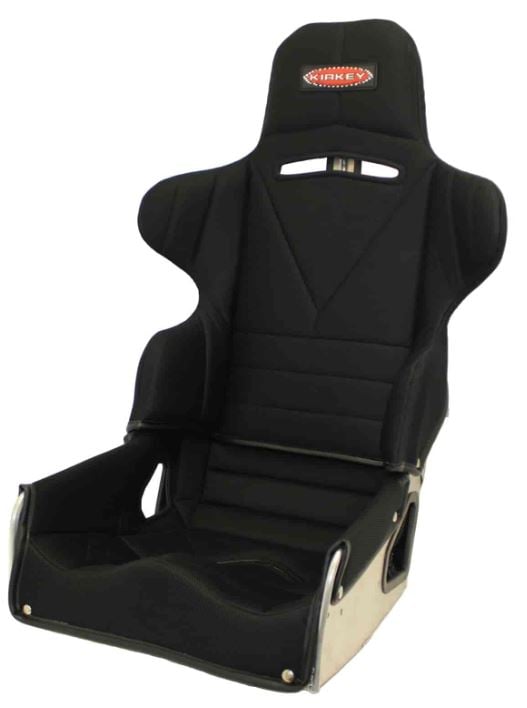
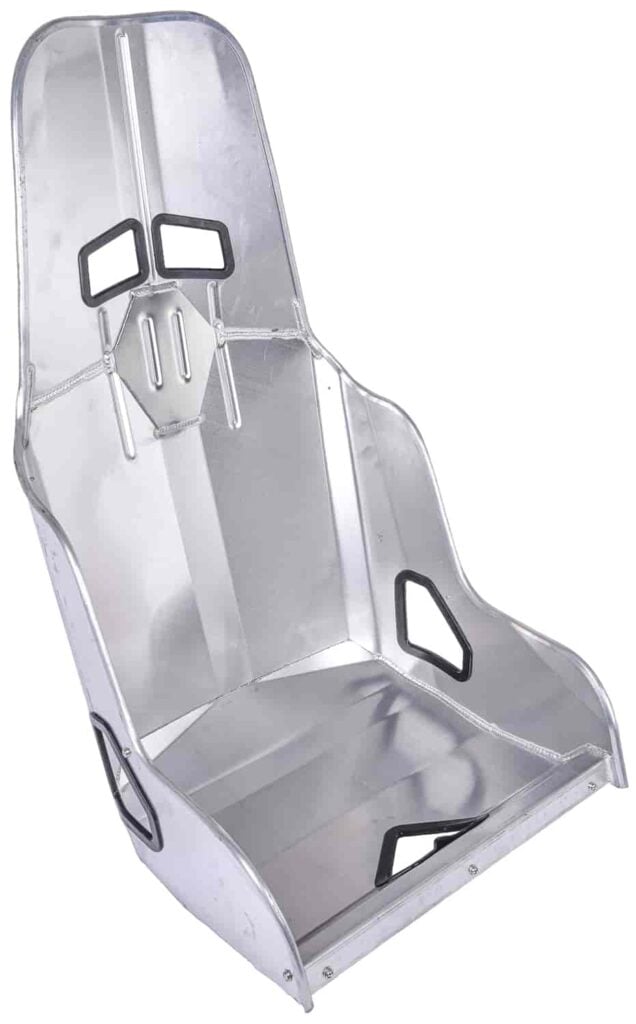
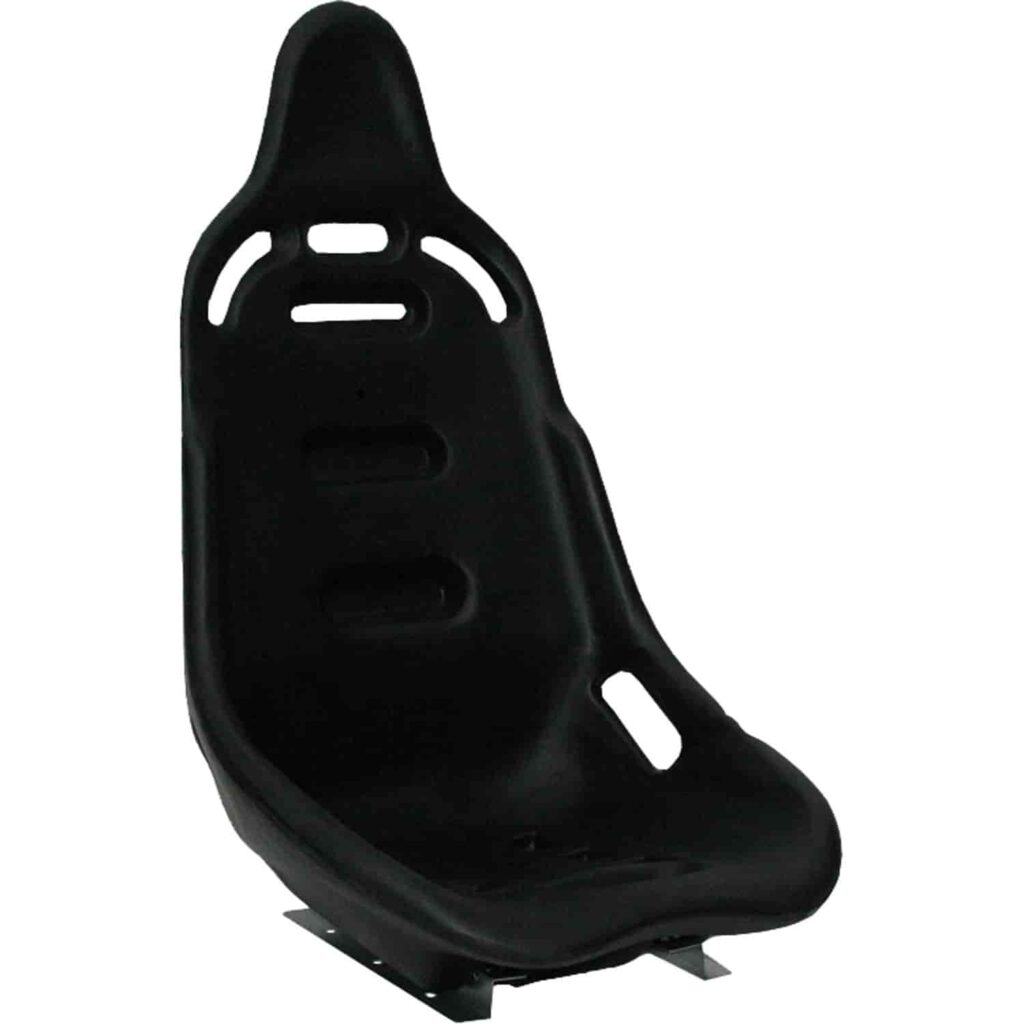
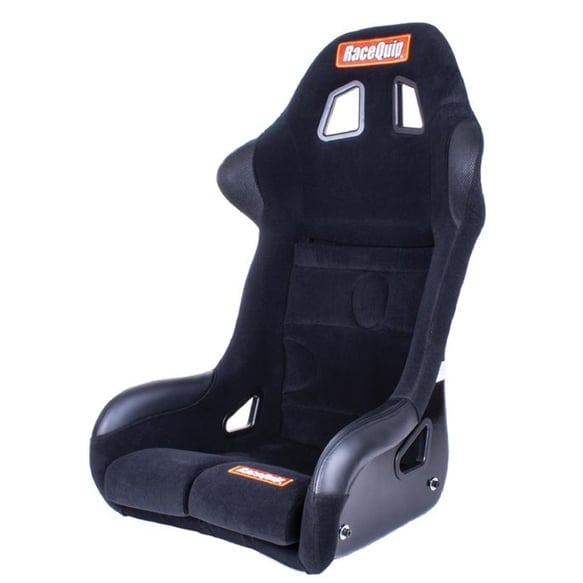
Racing seats differ from car stock seats in several key areas; they're designed to provide better lateral support, reduce weight, and enhance the overall driving experience through improved ergonomics, materials, and safety features.
However, these benefits are only possible if the seat has been sized and fitted to both the driver and the vehicle. Otherwise, an ill-fitting seat can lead to discomfort, lack of control, and a higher risk of injury in the event of a crash.
To ensure you end up with the right seats for your measurements and vehicle, this article covers everything you need to know about racing seat sizing.
To find the right size for your racing seat, start with two measurements: your “seated hip width” and “shoulder height.”
Here’s how to accurately measure each:
Seated Hip Width:
Shoulder Height:
These measurements are central in selecting a racing seat that fits your body shape and size, improving both your comfort and safety while driving. Incorrect sizing can lead to discomfort and a lack of control, so take these measurements carefully to ensure the best possible fit.

Sign up now to join the JEGS email newsletter and be the first to learn about new products, special deals and e-mail only offers!
Comfort might not be the first thing on a driver's mind, but it plays an important role in maintaining focus and control during intense races. The formula for comfort in racing seats involves more than just soft materials; it includes a blend of ergonomics, material choice, and adjustability to suit individual needs.
Ergonomics is key in racing seat design. A seat that mirrors the natural curves of the body can greatly reduce driver fatigue and increase concentration. Look for features like contoured backrests, adjustable lumbar support, and side bolsters that provide supportive seating without restricting movement.
Material choice of the racing seat cover also impacts comfort. Breathable fabrics like mesh or perforated leather can keep you cool under pressure, while memory foam or high-density padding supports your body without compromising the seat's firmness.
Finally, adjustability is also important. Being able to tweak seat angles, backrest positions, and headrest heights allows for a personalized fit that can enhance comfort, especially during long periods behind the wheel.
Still unsure if racing seats are right for you? Check out our detailed guide covering five reasons you should purchase racings seats for your ride.

By considering these dimensions, you can ensure a racing seat that not only fits you perfectly but also complements your vehicle’s interior, enhancing both safety and the driving experience.
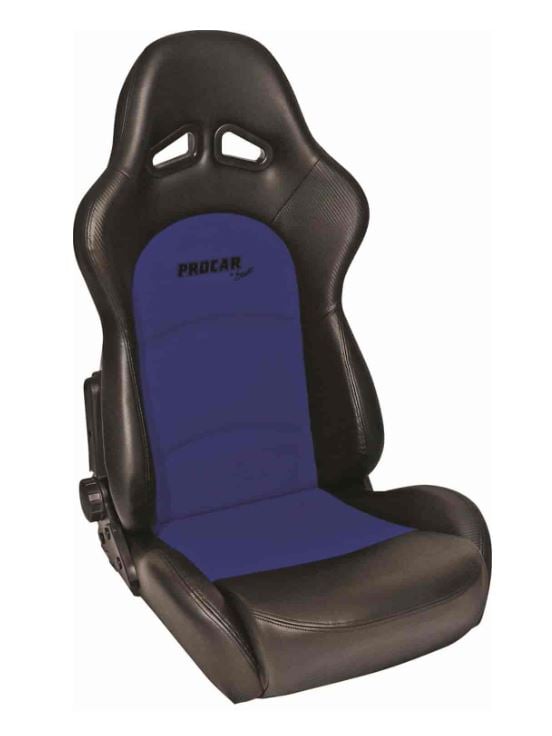
For drivers seeking the ultimate fit, consider getting fitted for a custom racing seat. This approach ensures that your seat precisely conforms to your body's shape and your vehicle's interior, maximizing both safety and comfort.
During a professional fitting session, experts will evaluate your body measurements and assess your seating position, ensuring that the seat provides optimal support and alignment with the vehicle's controls and sight lines.
Custom fittings are typically conducted at specialized racing equipment shops or directly with seat manufacturers. The process involves detailed measurements of your body and the vehicle's cockpit. You may be seated in various mock-up seats or use adjustable rigs to find the perfect alignment, taking into account factors such as leg reach, steering wheel distance, and overall ergonomics.
While custom racing seats are an investment, they offer unmatched benefits in terms of comfort, control, and safety. They are especially beneficial for drivers with specific postural needs or those who have struggled to find a standard seat that fits well.
And there you have it, a complete rundown on car racing seat sizing. By properly measuring your seated hip width and shoulder height and taking into account your own specific comfort and performance needs, you’re sure to choose the right seat for your vehicle.
Consider JEGS for all your automotive needs, a leading supplier of performance auto parts, including racing seats. Complete your order online and have your products sent straight to your garage.
Still have questions? Contact our team today.


need 22 inch hip width

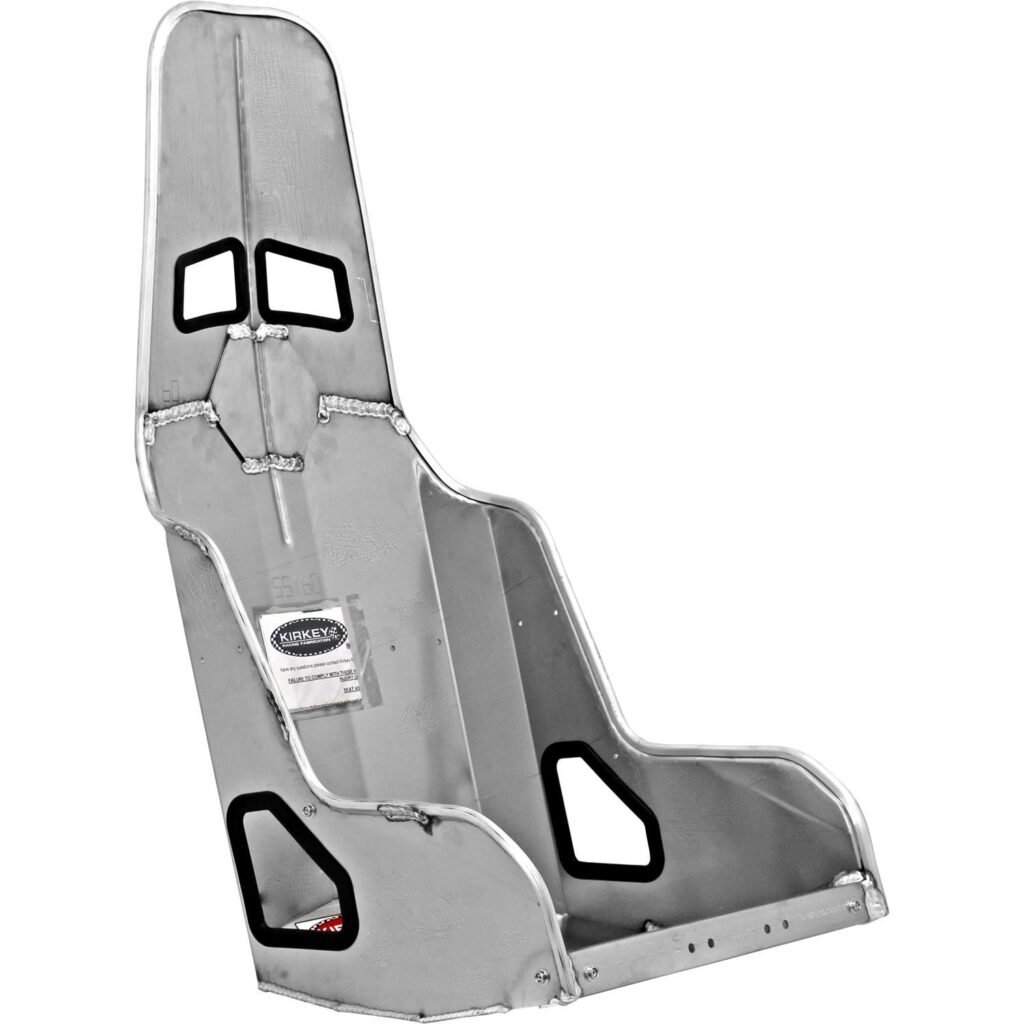
Chris, if you need a 22 inch hip width, you are going to be looking at a wide seat in most racing seat lineups. Seat sizing is based on the inside width at the hips, so you want to make sure the seat you choose lists a hip width at or slightly above that measurement to stay comfortable, especially if you are in the seat for longer periods. Many standard seats are closer to 18 to 20 inches, so you will want to focus on wide or XL versions. Brands like Kirkey offer their aluminum seat series in wider sizes, and companies like Procar by Scat have wide fit seats in their performance series that are designed for larger drivers while still providing support. The key is also making sure the seat will physically fit in your vehicle, since wider seats can run into clearance issues with the door panels or transmission tunnel. If you are planning to use harnesses, you will also want to confirm the seat has proper openings and support for that setup. If you would like help matching a seat to both your measurements and your vehicle, give us a call at 1-800-345-4545 and speak with a Tech Specialist and we will be glad to help.




Leave a Reply