


 Order Status & Returns
 Gift Cards
 Help Center
 1-800-345-4545
Crankcase Evacuation Systems
A crankcase evacuation system pulls blow-by gases, moisture and pressure out of your engine's crankcase to create a controlled vacuum. Whether you're building a street cruiser or a race engine, the right setup protects your seals, keeps oil cleaner and can free up power. Below you'll find what these systems do, how they work, the parts you'll choose from and what a kit costs.
Show More
What Is a Crankcase Evacuation System?
A crankcase evacuation system removes blow-by gases, moisture and pressure from your engine's crankcase. That lets the internals run under a slight, controlled vacuum instead of positive pressure. As your pistons move, combustion pressure slips past the rings and into the crankcase.
That blow-by carries fuel, water vapor and contaminants that dilute your oil and drive crankcase pressure up. Left unchecked, that pressure looks for a way out, and it usually finds your weakest gasket or seal. An evacuation system gives those gases a controlled exit and replaces positive pressure with vacuum.
You'll see the category cover simple valve cover breathers, larger catch cans and complete weld-on setups with a vacuum pump. If you're mapping out a full oil system refresh, it pairs naturally with the rest of your oil system parts.
Not sure where to start? Shop All Crankcase Evacuation Systems and match the setup to your engine and budget.
How Does a Crankcase Evacuation System Work?
Every crankcase evacuation system does the same job, pulling air out of the crankcase, but there are two common ways to get there. Exhaust-scavenged systems tap into your headers with weld-in bungs and a check valve on each side.
As exhaust flows past those fittings, it creates a low-pressure zone that draws crankcase gases into the stream. The check valves stop exhaust from backing up into the engine. This method is simple, affordable and popular on drag and circle-track cars that spend time at wide-open throttle.
The other approach uses a crankcase vacuum pump. An electric crankcase vacuum pump or a belt-driven mechanical pump actively pulls a measurable, adjustable vacuum no matter what the throttle is doing. That makes it the choice for high-horsepower and forced-induction builds.
Want the details on sizing and mounting a pump? Read our beginner's guide to vacuum pumps before you buy. Match the method to how and where you drive.
Benefits of Running Crankcase Vacuum
Pulling a vacuum on the crankcase does more than tidy up your engine bay. Lower pressure changes how the bottom end behaves, and the payoffs stack up on the street or the strip. Here's what running crankcase vacuum can do for your engine:
- Improves piston ring seal, since lower crankcase pressure lets the rings sit tighter against the cylinder walls.
- Reduces blow-by by giving combustion gases a clear path out instead of pooling below the pistons.
- Cuts oil leaks and gasket failures, because there's no positive pressure pushing oil past your seals.
- Improves ring and cylinder lubrication, helping the oil your oil pumps and pickups deliver stay where it belongs.
- Removes moisture and fuel vapor that would otherwise dilute your oil and shorten its life.
- Frees up potential horsepower, since reduced windage and better ring seal cut parasitic drag.
Crankcase Evacuation System Components
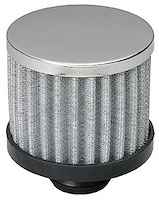
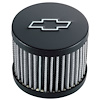
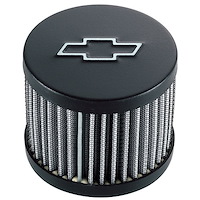
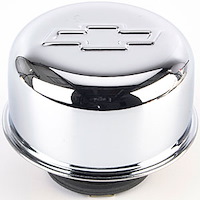
Once you know the approach you want, you'll build the system from a handful of parts. Breathers are the starting point. A valve cover breather or crankcase breather filter vents the engine and blocks debris.
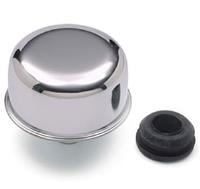
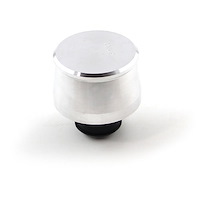
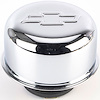
An oil breather cap does the same job in a compact package. To keep oil mist out of your intake, add an oil catch can or an air/oil separator, which trap vapor and let clean air pass. Browse dedicated oil catch cans and breather tanks if you want a larger reservoir for a boosted or high-rpm engine.
Exhaust-scavenged builds rely on check valves, weld-on fittings and hoses to route everything safely. A vacuum-pump build adds the pump plus a mounting bracket. Serious race combinations often build evacuation into dry sump systems for maximum control over crankcase pressure.
Popular parts here come from Moroso, Mishimoto, Vibrant Performance, JAZ Products, Mr Gasket and B&B. For build tips and install walkthroughs, browse our engines and components tech articles.
How Much Does a Crankcase Evacuation Kit Cost?
How much you spend on a crankcase evacuation kit comes down to the method you choose and how much hardware it includes. A single valve cover breather or breather cap can start around $15, so upgrading your venting is an inexpensive first step.
A quality oil catch can or air/oil separator kit typically runs from roughly $100 into the low hundreds, depending on capacity, materials and fittings. Complete weld-on exhaust evacuation systems with check valves and hardware sit higher in that range. Adding an electric crankcase vacuum pump pushes a full setup toward several hundred dollars.
Budget for the whole oil system, not just this category. Fresh oil pans and components or new engine dipsticks and tubes keep everything sealing and reading right. Prices and stock vary by brand and fitment, so check the current listing for your combination.
Ready to build your setup? Shop All Crankcase Evacuation Systems and filter by part type, brand and price.

ADD A VEHICLE TO GUARANTEE PARTS FIT
See products that fit

ADD A VEHICLE TO GUARANTEE PARTS FIT
See products that fit

 Lowest price guarantee


![Hose Separator [(2) -12 AN (3/4 in.)]](https://www.jegs.com/images/mini_100/700/799/799-654333.jpg)
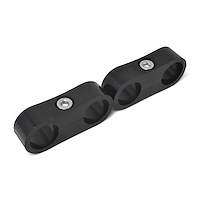
![Hose Separator [(2) -12 AN (3/4 in.)]](https://www.jegs.com/images/mini_200/700/799/799-654333.jpg)





![Officially-Licensed Chevy Push-In Air Breather Cap [Shark Gray]](https://www.jegs.com/images/mini_100/700/778/778-141-884.jpg)
![Officially-Licensed Chevy Push-In Air Breather Cap [Shark Gray]](https://www.jegs.com/images/mini_200/700/778/778-141-884.jpg)
![Slant-Edge Aluminum Chevy Bowtie Push-In Air Breather Cap [Chevy Orange]](https://www.jegs.com/images/mini_100/700/778/778-141-859.jpg)
![Slant-Edge Aluminum Chevy Bowtie Push-In Air Breather Cap [Chevy Orange]](https://www.jegs.com/images/mini_200/700/778/778-141-859.jpg)
![Slant-Edge Aluminum Chevy Bowtie Push-In Air Breather Cap [Polished]](https://www.jegs.com/images/mini_100/700/778/778-141-854.jpg)
![Slant-Edge Aluminum Chevy Bowtie Push-In Air Breather Cap [Polished]](https://www.jegs.com/images/mini_200/700/778/778-141-854.jpg)
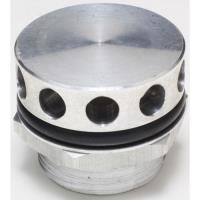

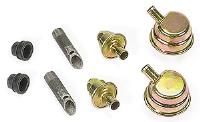
![Vacuum Pump Vane Kit [4 Vane, For Moroso Vacuum Pump No. 22642]](https://www.jegs.com/images/mini_100/700/710/710-97642.jpg)
![Vacuum Pump Vane Kit [4 Vane, For Moroso Vacuum Pump No. 22642]](https://www.jegs.com/images/mini_200/700/710/710-97642.jpg)
Frequently Asked Questions About Crankcase Evacuation Systems
Is a Crankcase Evacuation System Good for a Street Car?
Yes. A street car benefits from reduced blow-by, cleaner oil and fewer leaks, even if you never see a track. Most street builds do well with a simple breather-and-catch-can setup, while a dedicated vacuum pump is best saved for high-horsepower or boosted engines.
Do You Need an Electric Vacuum Pump or Will an Exhaust-Scavenged System Work?
It depends on your power level and how you drive. Exhaust-scavenged systems work well on cars that spend real time at wide-open throttle, like drag and track builds. If you run big power, boost or want steady, adjustable vacuum at any rpm, an electric crankcase vacuum pump is the better call.
Can You Drive Without a Crankcase Breather?
You shouldn't. Without a breather or another vent, blow-by has nowhere to go, so crankcase pressure climbs and forces oil past your seals and gaskets. Even a basic breather relieves that pressure on a mild engine, and a catch can keeps oil vapor out of your intake.
What Are the Symptoms of Too Much Crankcase Pressure?
Common signs include fresh oil leaks, pushed-out gaskets, oil in the intake tract and a saturated or leaking breather. You might also notice oil misting around the valve covers or the dipstick lifting. These point to blow-by outpacing your venting, which means it's time to add or upgrade an evacuation setup.
Do Crankcase Evacuation Systems Require Welding to Install?
Not always. Breather, catch-can and air/oil separator setups bolt on with no welding required. Welding only comes into play with exhaust-scavenged systems, which need bungs added to your headers for the check-valve fittings.