


 Order Status & Returns
 Gift Cards
 Help Center
 1-800-345-4545

Drag Racing Helmets
Racing helmets protect your head from impact and fire, so the right one depends on how fast you run and who sanctions your class. This page brings together full-face, open-face and carbon fiber helmets certified to Snell SA2025 and SA2020 standards. Use the guidance below to compare ratings, check drag racing rules and get a proper fit before you buy.
Show More
Types of Racing Helmets for Drag, Circle Track and Road Racing
Racing helmets come in three main styles: full-face, open-face and carbon fiber. Your choice depends on your car, the speeds you run and what your sanctioning body requires. Here's how each style compares:
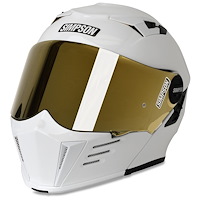
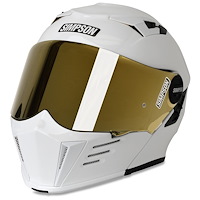
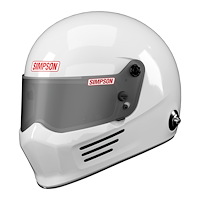
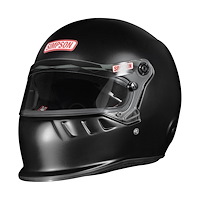
- A full-face racing helmet covers your chin and face, and it's required in many quicker drag racing classes.
- An open-face racing helmet leaves your face exposed and suits some slower classes where the rules allow it.
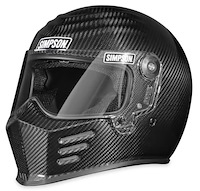
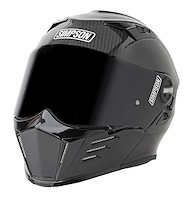
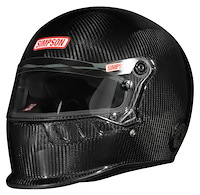
- A carbon fiber racing helmet uses a shell that's typically lighter, which can ease neck fatigue over a long day.
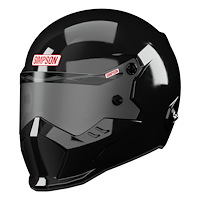
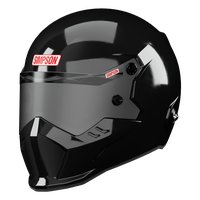
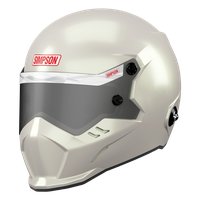
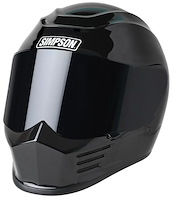
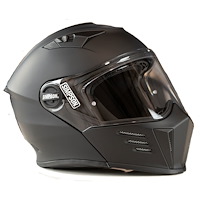
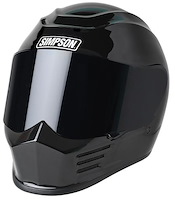
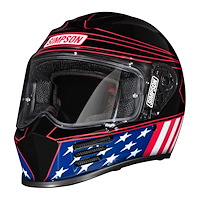
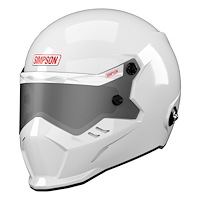
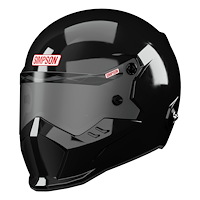
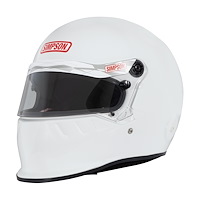
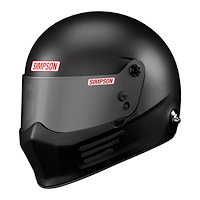
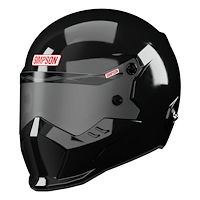
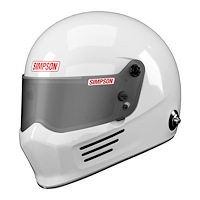
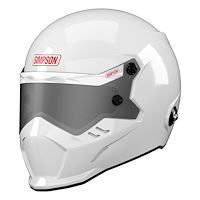
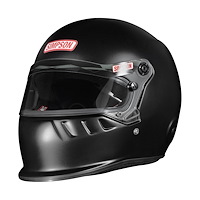
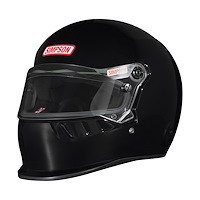
You'll find each style from brands racers know. Shop Simpson racing helmets such as the Vudo, Bandit, Kingsnake and SA2025 models, or compare G-Force helmets like the Air Surge, Rift and Revo.
Bell racing helmets include the RS7, GT6, BR8 and M8, while Stilo helmets cover the ST5, ST6 and Venti lines. You can also browse Zamp helmets such as the RZ-67D and FS-10, plus Impact Racing helmets like the Champ and Vapor LS.
Snell SA2025 vs. SA2020 Racing Helmets
Snell SA2025 is the current auto racing standard, and SA2020 helmets remain eligible with most sanctioning bodies for now. SA2025 took effect on Oct. 1, 2025, and SA2020 production and shipping had to stop by March 31, 2026.
Most sanctioning bodies accept Snell SA helmets for about 10 years from certification. That means an SA2020 helmet is generally eligible through the end of 2030, but check your sanctioning body's current rulebook before you buy. Our article on race helmet ratings and regulations explains how these cycles work.
SA2025 also tightens fire protection. During the 30-second flame test, the liner and padding touching your head can't exceed 70°C (158°F), so most brands use a fire-resistant liner, often Nomex. Pair your helmet with racing fire suits and driving clothing that meet your class rules. Both SA2020 and SA2025 helmets include M6 threaded anchor inserts for the posts on head and neck restraint systems.
What Helmet Do You Need for Drag Racing?
For most quick drag cars, you need a full-face helmet that meets Snell or SFI specs. NHRA requires one for any vehicle running 9.99 or quicker in the quarter mile, or over 135 mph.
Once your car runs 7.49 or quicker, NHRA makes a shield mandatory. Keep spare helmet shields and visors on hand, and add visor tear-offs so you can clear your view between rounds.
NHRA's 2026 rules supplement accepts Snell SA2025 and M2025 helmets alongside SA2020. Rules change, so check the current NHRA rulebook for your class before race day. If you run slower than 9.99, an open-face helmet may be allowed, but a full-face helmet gives you more coverage as your car gets quicker.
New to the sport? Our guide to choosing a racing helmet walks you through each decision. You can also shop the rest of your racing safety equipment in one place.
SA vs. M vs. DOT Helmet Ratings Explained
SA ratings are built for auto racing, M ratings are built for motorcycles and DOT certification is what makes a helmet street-legal. Snell SA standards add flammability and rollbar impact tests that M standards don't include. SA standards also allow a shorter eye-port.
Here's how to match the rating to the way you'll use your helmet:
- Choose a Snell SA helmet for any car competition where your rulebook calls for SA certification.
- Choose an M-rated helmet only if your sanctioning body accepts it, as NHRA does with M2025.
- Choose a helmet that also carries DOT certification if you plan to wear it on the street.
Use the DOT-Approved filter on this page to find helmets that carry both Snell SA and DOT certification. Your helmet isn't the only rated part in your car, either. Read our article on SFI-rated part replacement and recertification to keep belts, suits and other certified gear current for tech inspection.
How to Measure and Fit a Racing Helmet
To size a racing helmet, measure your head circumference about one inch above your eyebrows and around the widest point at the back. Take several measurements to confirm your number. If you wear a balaclava, keep it on while you measure.
Compare your measurement with the manufacturer's size chart, then try the helmet on. It should feel snug, and it shouldn't shift when you rotate your head. Once you've found the right fit, round out your setup with these add-ons:
- Add fresh air cooling systems to move cool air into your helmet during long waits in the staging lanes.
- Protect the shell and liner between events with helmet bags and hooks for your trailer or shop.
- Pick up racing gloves so your hands are covered along with your head and body.
Browse all racing helmet accessories to finish your kit. When you're ready, shop racing helmets now and get set for your next event.

ADD A VEHICLE TO GUARANTEE PARTS FIT
See products that fit

ADD A VEHICLE TO GUARANTEE PARTS FIT
See products that fit

 Lowest price guarantee

Frequently Asked Questions About Racing Helmets
How often should I replace my racing helmet?
Snell recommends replacing a helmet after 5 years of use, or immediately after any incident or impact. Sanctioning bodies may accept a helmet for about 10 years from certification. Follow whichever limit comes first.
Are SA2025 helmets compatible with my HANS device?
Yes. SA2025 and SA2020 helmets include M6 threaded anchor inserts for HANS posts. Check your device's instructions to confirm you have the correct post hardware.
Is a carbon fiber racing helmet worth it?
A carbon fiber shell is typically lighter, which can ease neck fatigue during a long race day. A composite helmet with the same Snell SA2025 certification has passed the same standard. If weight matters to you, carbon fiber is worth a look.
Can I wear a Snell SA helmet on the street?
Only if it also carries DOT certification. A Snell SA rating on its own doesn't make a helmet street-legal. Use the DOT-Approved filter on this page to find helmets with both certifications.
What accessories do I need with a racing helmet?
Most racers start with a spare shield, a storage bag and a way to keep cool air flowing. If your car runs 7.49 or quicker, plan on tear-offs too. See the fit section above for accessories that pair with your helmet.