


 Order Status & Returns
 Gift Cards
 Help Center
 1-800-345-4545
Brake Boosters & Master Cylinders
Brake booster and master cylinder upgrades give your pedal the right feel and stopping power for restorations, hot rods, street cars and race cars. The master cylinder turns pedal force into hydraulic pressure, while a power brake booster multiplies that force to reduce pedal effort. Below, you'll find parts, kits and hardware, plus guidance on bore size, booster type and when it's time for a brake booster replacement.
Show More
How a Brake Booster and Master Cylinder Work Together
When you press the pedal, the brake booster multiplies your foot's force and passes it to the master cylinder through a pushrod. The master cylinder converts that force into hydraulic pressure and sends fluid through the lines to your calipers or wheel cylinders.
A vacuum brake booster mounts on the firewall and draws engine vacuum, usually from the intake manifold. Inside, a diaphragm splits the housing into two chambers. Pressing the pedal lets outside air into one side while vacuum holds the other. That pressure difference pushes the diaphragm forward to add assist.
Most brake master cylinder designs today are tandem, or dual-chamber, units. Each chamber feeds a separate hydraulic circuit, so a leak in one circuit doesn't take out all of your braking. For a closer look at pistons, seals and reservoirs, read our guide on how a master cylinder works. Since both components work as a system, plan upgrades alongside the rest of your brake parts.
Brake Booster and Master Cylinder Parts We Carry
You can replace a single component or rebuild the whole system with the parts in this category. Here's what you'll find:
- Master cylinders, including the Baer Brake ReMaster 2-bolt 1" bore unit for GM and Ford applications.
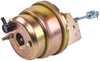
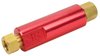
- Brake boosters and components for single- and dual-diaphragm setups, plus booster check valves and manual-to-power conversion kits.
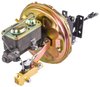
- Master cylinder and booster kits from Leed Brakes for 1964.5-1966 and 1967-1970 Ford Mustang and Mercury Cougar.
- Power brake booster conversion kits for 1974-1986 Jeep CJ models with disc/drum brakes.
- Master cylinder fittings and hardware, such as 2 PSI residual pressure valves, gaskets, braces and remote brake bias adjusters.
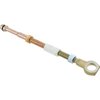
- Master cylinder pushrods and Tuff Stuff booster clevis extension rods for dialing in pedal geometry.
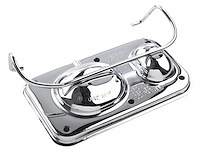
- Chrome master cylinder covers for 1967-80 GM vehicles and slave cylinders for hydraulic clutches.
- Parts from featured brands such as Right Stuff for restoration and street builds.
How to Choose the Right Master Cylinder Bore Size
Match master cylinder bore size to the total piston area of your calipers or wheel cylinders. A smaller bore creates more line pressure with less pedal effort, but it moves less fluid, so pedal travel gets longer. A larger bore moves more volume for a firmer, shorter pedal, though you'll need more force to reach the same pressure.
Tilton 74-Series master cylinders come in 7/8" and 1-1/8" bore sizes, while the 78-Series offers a 5/8" bore. Wilwood aluminum tandem-chamber master cylinder kits and 1" bore rebuild kits cover many street and race builds.
Next, confirm your brake layout. Disc/disc and disc/drum systems need different valving, and drum circuits usually need a residual pressure valve. Manual brakes have no assist, so a smaller bore helps keep pedal effort manageable. Before you order, verify your year, make and model with the vehicle fitment tool.
Power Brake Booster Types: Vacuum, Dual Diaphragm, Hydraulic and Electric
Most street cars use a vacuum brake booster, since it runs on engine vacuum with no extra pump. A single-diaphragm booster works well when you have firewall room for a larger diameter. A dual-diaphragm booster stacks two diaphragms for more assist in a smaller diameter. That helps when headers, valve covers or a big engine crowd the firewall. To see the design up close, read about how a dual brake booster works.
Hydraulic boosters use pressure from the power steering pump instead of engine vacuum. Electric boosters use electrical power for assist, so they don't depend on engine vacuum or a power steering pump. Both are options when a high-lift camshaft leaves too little vacuum for a conventional booster.
Before you buy, measure booster diameter and firewall clearance, and check how much vacuum your engine makes at idle. If vacuum is low, you can add a vacuum pump or switch to hydraulic or electric assist.
Signs Your Brake Booster or Master Cylinder Needs Replacement
Brake problems usually show up at the pedal first. Watch for these warning signs:
- A sinking or spongy pedal often points to a failing master cylinder.
- A hard, rock-like pedal that takes extra effort usually means the booster has lost vacuum assist.
- A hissing sound when you press or release the pedal can signal a vacuum leak at the booster.
- Fluid around the master cylinder or on the booster shell can mean the master cylinder is leaking.
- A lit brake warning light can indicate low fluid or another hydraulic problem.
If you spot any of these, inspect the system carefully before your next drive. A brake booster replacement fixes lost assist, while a leaking or sinking master cylinder needs a rebuild or a new unit. For more troubleshooting help, check our brake master cylinder FAQs.

ADD A VEHICLE TO GUARANTEE PARTS FIT
See products that fit

![Power Brake Conversion Kit For 1964-1972 GM A-Body, GM F-Body Camaro, Firebird [Disc/Disc]](https://www.jegs.com/images/mini_100/500/555/555-630086.jpg)
JEGS
Power Brake Conversion Kit For 1964-1972 GM A-Body, GM F-Body Camaro, Firebird [Disc/Disc]
Part Number: 555-630086
 Ships on Oct 19, 2026
 Lowest price guarantee
![Power Brake Conversion Kit For 1964-1972 GM A-Body, GM F-Body Camaro, Firebird [Disc/Disc]](https://www.jegs.com/images/mini_200/500/555/555-630086.jpg)
JEGS
Power Brake Conversion Kit For 1964-1972 GM A-Body, GM F-Body Camaro, Firebird [Disc/Disc]
Part Number: 555-630086
Ships on Oct 19, 2026Lowest Price Guarantee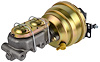
JEGS
Power Brake Conversion Kit with Pedal Assembly for Mopar B-E Body
Part Number: 555-630211
Ships on Oct 19, 2026Lowest price guarantee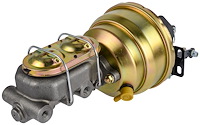
JEGS
Power Brake Conversion Kit with Pedal Assembly for Mopar B-E Body
Part Number: 555-630211
Ships on Oct 19, 2026Lowest Price Guarantee![Power Brake Booster Conversion Kit for 1964-1974 GM A/F/X-Body [Disc/Drum]](https://www.jegs.com/images/mini_100/500/555/555-631019.jpg)
JEGS
Power Brake Booster Conversion Kit for 1964-1974 GM A/F/X-Body [Disc/Drum]
Part Number: 555-631019
Ships on Oct 19, 2026Lowest price guarantee![Power Brake Booster Conversion Kit for 1964-1974 GM A/F/X-Body [Disc/Drum]](https://www.jegs.com/images/mini_200/500/555/555-631019.jpg)
JEGS
Power Brake Booster Conversion Kit for 1964-1974 GM A/F/X-Body [Disc/Drum]
Part Number: 555-631019
Ships on Oct 19, 2026Lowest Price Guarantee![Power Brake Conversion Kit for 1964-1972 GM A-Body, F-Body, X-Body [Disc/Drum]](https://www.jegs.com/images/mini_100/500/555/555-631037.jpg)
JEGS
Power Brake Conversion Kit for 1964-1972 GM A-Body, F-Body, X-Body [Disc/Drum]
Part Number: 555-631037
Ships on Oct 19, 2026Lowest price guarantee![Power Brake Conversion Kit for 1964-1972 GM A-Body, F-Body, X-Body [Disc/Drum]](https://www.jegs.com/images/mini_200/500/555/555-631037.jpg)
JEGS
Power Brake Conversion Kit for 1964-1972 GM A-Body, F-Body, X-Body [Disc/Drum]
Part Number: 555-631037
Ships on Oct 19, 2026Lowest Price Guarantee![Power Brake Conversion Kit for 1966-1977 Ford Bronco Firewall Mount [Disc/Drum]](https://www.jegs.com/images/mini_100/500/555/555-631075.jpg)
JEGS
Power Brake Conversion Kit for 1966-1977 Ford Bronco Firewall Mount [Disc/Drum]
Part Number: 555-631075
Ships on Oct 19, 2026Lowest price guarantee![Power Brake Conversion Kit for 1966-1977 Ford Bronco Firewall Mount [Disc/Drum]](https://www.jegs.com/images/mini_200/500/555/555-631075.jpg)
JEGS
Power Brake Conversion Kit for 1966-1977 Ford Bronco Firewall Mount [Disc/Drum]
Part Number: 555-631075
Ships on Oct 19, 2026Lowest Price Guarantee![Power Brake Booster Conversion Kit for 1974-1986 Jeep CJ [Disc/Drum]](https://www.jegs.com/images/mini_100/500/555/555-631839.jpg)
JEGS
Power Brake Booster Conversion Kit for 1974-1986 Jeep CJ [Disc/Drum]
Part Number: 555-631839
Ships on Oct 19, 2026Lowest price guarantee![Power Brake Booster Conversion Kit for 1974-1986 Jeep CJ [Disc/Drum]](https://www.jegs.com/images/mini_200/500/555/555-631839.jpg)
JEGS
Power Brake Booster Conversion Kit for 1974-1986 Jeep CJ [Disc/Drum]
Part Number: 555-631839
Ships on Oct 19, 2026Lowest Price Guarantee
JEGS
O.E. Style Replacement Brake Master Cylinder for Select 1967-1977 GM Models
Part Number: 555-631200
Ships on Oct 19, 2026Lowest price guarantee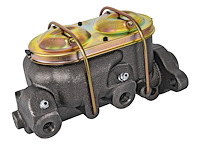
JEGS
O.E. Style Replacement Brake Master Cylinder for Select 1967-1977 GM Models
Part Number: 555-631200
Ships on Oct 19, 2026Lowest Price Guarantee![Power Brake Conversion Kit for 1967-1970 Ford Mustang [Disc/Disc]](https://www.jegs.com/images/mini_100/500/555/555-631473.jpg)
JEGS
Power Brake Conversion Kit for 1967-1970 Ford Mustang [Disc/Disc]
Part Number: 555-631473
Ships on Oct 19, 2026Lowest price guarantee![Power Brake Conversion Kit for 1967-1970 Ford Mustang [Disc/Disc]](https://www.jegs.com/images/mini_200/500/555/555-631473.jpg)
JEGS
Power Brake Conversion Kit for 1967-1970 Ford Mustang [Disc/Disc]
Part Number: 555-631473
Ships on Oct 19, 2026Lowest Price Guarantee![Power Brake Booster for 1964-1972 GM Cars, Universal [7 in. Dual Diaphragm]](https://www.jegs.com/images/mini_100/500/555/555-631438.jpg)
JEGS
Power Brake Booster for 1964-1972 GM Cars, Universal [7 in. Dual Diaphragm]
Part Number: 555-631438
Ships on Oct 19, 2026Lowest price guarantee![Power Brake Booster for 1964-1972 GM Cars, Universal [7 in. Dual Diaphragm]](https://www.jegs.com/images/mini_200/500/555/555-631438.jpg)
JEGS
Power Brake Booster for 1964-1972 GM Cars, Universal [7 in. Dual Diaphragm]
Part Number: 555-631438
Ships on Oct 19, 2026Lowest Price Guarantee![Power Brake Booster Conversion Kit for 1964-1972 GM A-Body, 1967-1969 GM F-Body, 1968-1974 GM X-Body [Disc/Disc]](https://www.jegs.com/images/mini_100/500/555/555-631230.jpg)
JEGS
Power Brake Booster Conversion Kit for 1964-1972 GM A-Body, 1967-1969 GM F-Body, 1968-1974 GM X-Body [Disc/Disc]
Part Number: 555-631230
Ships on Oct 19, 2026Lowest price guarantee![Power Brake Booster Conversion Kit for 1964-1972 GM A-Body, 1967-1969 GM F-Body, 1968-1974 GM X-Body [Disc/Disc]](https://www.jegs.com/images/mini_200/500/555/555-631230.jpg)
JEGS
Power Brake Booster Conversion Kit for 1964-1972 GM A-Body, 1967-1969 GM F-Body, 1968-1974 GM X-Body [Disc/Disc]
Part Number: 555-631230
Ships on Oct 19, 2026Lowest Price Guarantee![Brake Master Cylinder, Aluminum with Chrome Finish [GM Universal Mounting]](https://www.jegs.com/images/mini_100/500/555/555-631001.jpg)
JEGS
Brake Master Cylinder, Aluminum with Chrome Finish [GM Universal Mounting]
Part Number: 555-631001
Ships on Oct 19, 2026Lowest price guarantee![Brake Master Cylinder, Aluminum with Chrome Finish [GM Universal Mounting]](https://www.jegs.com/images/mini_200/500/555/555-631001.jpg)
JEGS
Brake Master Cylinder, Aluminum with Chrome Finish [GM Universal Mounting]
Part Number: 555-631001
Ships on Oct 19, 2026Lowest Price Guarantee![Power Brake Booster Conversion Kit with Aluminum Master Cylinder for 1964-1974 GM A/F/X Body [Disc/Drum]](https://www.jegs.com/images/mini_100/500/555/555-631498.jpg)
JEGS
Power Brake Booster Conversion Kit with Aluminum Master Cylinder for 1964-1974 GM A/F/X Body [Disc/Drum]
Part Number: 555-631498
Ships on Oct 19, 2026Lowest price guarantee![Power Brake Booster Conversion Kit with Aluminum Master Cylinder for 1964-1974 GM A/F/X Body [Disc/Drum]](https://www.jegs.com/images/mini_200/500/555/555-631498.jpg)
JEGS
Power Brake Booster Conversion Kit with Aluminum Master Cylinder for 1964-1974 GM A/F/X Body [Disc/Drum]
Part Number: 555-631498
Ships on Oct 19, 2026Lowest Price Guarantee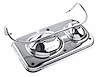
![Power Brake Conversion Kit Fits Select 1964-1972 Buick, Chevrolet, Oldsmobile, Pontiac A, F, X-Body Models [Disc/Drum]](https://www.jegs.com/images/mini_100/500/555/555-631179.jpg)
JEGS
Power Brake Conversion Kit Fits Select 1964-1972 Buick, Chevrolet, Oldsmobile, Pontiac A, F, X-Body Models [Disc/Drum]
Part Number: 555-631179
Ships on Oct 19, 2026Lowest price guarantee![Power Brake Conversion Kit Fits Select 1964-1972 Buick, Chevrolet, Oldsmobile, Pontiac A, F, X-Body Models [Disc/Drum]](https://www.jegs.com/images/mini_200/500/555/555-631179.jpg)
JEGS
Power Brake Conversion Kit Fits Select 1964-1972 Buick, Chevrolet, Oldsmobile, Pontiac A, F, X-Body Models [Disc/Drum]
Part Number: 555-631179
Ships on Oct 19, 2026Lowest Price Guarantee![Power Brake Conversion Kit for 1970-1981 F-Body Camaro, Firebird [Disc/Drum]](https://www.jegs.com/images/mini_100/500/555/555-631072.jpg)
JEGS
Power Brake Conversion Kit for 1970-1981 F-Body Camaro, Firebird [Disc/Drum]
Part Number: 555-631072
Ships on Oct 19, 2026Lowest price guarantee![Power Brake Conversion Kit for 1970-1981 F-Body Camaro, Firebird [Disc/Drum]](https://www.jegs.com/images/mini_200/500/555/555-631072.jpg)
JEGS
Power Brake Conversion Kit for 1970-1981 F-Body Camaro, Firebird [Disc/Drum]
Part Number: 555-631072
Ships on Oct 19, 2026Lowest Price Guarantee![Power Brake Conversion Kit with Adjustable Proportioning Valve for 1967-1969 GM F-Body and 1968-1974 GM X-Body [Disc/Drum]](https://www.jegs.com/images/mini_100/500/555/555-630062.jpg)
JEGS
Power Brake Conversion Kit with Adjustable Proportioning Valve for 1967-1969 GM F-Body and 1968-1974 GM X-Body [Disc/Drum]
Part Number: 555-630062
Ships on Oct 19, 2026Lowest price guarantee![Power Brake Conversion Kit with Adjustable Proportioning Valve for 1967-1969 GM F-Body and 1968-1974 GM X-Body [Disc/Drum]](https://www.jegs.com/images/mini_200/500/555/555-630062.jpg)
JEGS
Power Brake Conversion Kit with Adjustable Proportioning Valve for 1967-1969 GM F-Body and 1968-1974 GM X-Body [Disc/Drum]
Part Number: 555-630062
Ships on Oct 19, 2026Lowest Price Guarantee![Power Brake Conversion Kit with Adjustable Proportioning Valve for GM A/F/X Body [Disc/Drum]](https://www.jegs.com/images/mini_100/500/555/555-630011.jpg)
JEGS
Power Brake Conversion Kit with Adjustable Proportioning Valve for GM A/F/X Body [Disc/Drum]
Part Number: 555-630011
Ships on Oct 19, 2026Lowest price guarantee![Power Brake Conversion Kit with Adjustable Proportioning Valve for GM A/F/X Body [Disc/Drum]](https://www.jegs.com/images/mini_200/500/555/555-630011.jpg)
JEGS
Power Brake Conversion Kit with Adjustable Proportioning Valve for GM A/F/X Body [Disc/Drum]
Part Number: 555-630011
Ships on Oct 19, 2026Lowest Price Guarantee![Universal Power Brake Conversion Kit with Firewall Mount Pedal [Universal Mount]](https://www.jegs.com/images/mini_100/500/555/555-631090.jpg)
JEGS
Universal Power Brake Conversion Kit with Firewall Mount Pedal [Universal Mount]
Part Number: 555-631090
Ships on Oct 19, 2026Lowest price guarantee![Universal Power Brake Conversion Kit with Firewall Mount Pedal [Universal Mount]](https://www.jegs.com/images/mini_200/500/555/555-631090.jpg)
JEGS
Universal Power Brake Conversion Kit with Firewall Mount Pedal [Universal Mount]
Part Number: 555-631090
Ships on Oct 19, 2026Lowest Price Guarantee![Brake Master Cylinder with Dual Reservoir, Aluminum with Chrome Finish [Universal Mounting]](https://www.jegs.com/images/mini_100/500/555/555-631394.jpg)
JEGS
Brake Master Cylinder with Dual Reservoir, Aluminum with Chrome Finish [Universal Mounting]
Part Number: 555-631394
Ships on Oct 19, 2026Lowest price guarantee![Brake Master Cylinder with Dual Reservoir, Aluminum with Chrome Finish [Universal Mounting]](https://www.jegs.com/images/mini_200/500/555/555-631394.jpg)
JEGS
Brake Master Cylinder with Dual Reservoir, Aluminum with Chrome Finish [Universal Mounting]
Part Number: 555-631394
Ships on Oct 19, 2026Lowest Price Guarantee![Power Brake Conversion Kit for 1964-1972 GM A/F/X Body [Disc/Drum]](https://www.jegs.com/images/mini_100/500/555/555-631033.jpg)
JEGS
Power Brake Conversion Kit for 1964-1972 GM A/F/X Body [Disc/Drum]
Part Number: 555-631033
Ships on Oct 19, 2026Lowest price guarantee![Power Brake Conversion Kit for 1964-1972 GM A/F/X Body [Disc/Drum]](https://www.jegs.com/images/mini_200/500/555/555-631033.jpg)
JEGS
Power Brake Conversion Kit for 1964-1972 GM A/F/X Body [Disc/Drum]
Part Number: 555-631033
Ships on Oct 19, 2026Lowest Price Guarantee![Power Brake Booster Conversion Kit 1 1/8 in. Bore [Disc/Disc]](https://www.jegs.com/images/mini_100/500/555/555-631025.jpg)
JEGS
Power Brake Booster Conversion Kit 1 1/8 in. Bore [Disc/Disc]
Part Number: 555-631025
Ships on Oct 19, 2026Lowest price guarantee![Power Brake Booster Conversion Kit 1 1/8 in. Bore [Disc/Disc]](https://www.jegs.com/images/mini_200/500/555/555-631025.jpg)
JEGS
Power Brake Booster Conversion Kit 1 1/8 in. Bore [Disc/Disc]
Part Number: 555-631025
Ships on Oct 19, 2026Lowest Price Guarantee![Brake Master Cylinder with Dual Reservoir, Aluminum with Black Finish [Universal Mounting]](https://www.jegs.com/images/mini_100/500/555/555-631390.jpg)
JEGS
Brake Master Cylinder with Dual Reservoir, Aluminum with Black Finish [Universal Mounting]
Part Number: 555-631390
Ships on Oct 19, 2026Lowest price guarantee![Brake Master Cylinder with Dual Reservoir, Aluminum with Black Finish [Universal Mounting]](https://www.jegs.com/images/mini_200/500/555/555-631390.jpg)
JEGS
Brake Master Cylinder with Dual Reservoir, Aluminum with Black Finish [Universal Mounting]
Part Number: 555-631390
Ships on Oct 19, 2026Lowest Price Guarantee![Power Brake Booster for Select 1967-1972 GM Models [11 in. Single Diaphragm]](https://www.jegs.com/images/mini_100/500/555/555-631110.jpg)
JEGS
Power Brake Booster for Select 1967-1972 GM Models [11 in. Single Diaphragm]
Part Number: 555-631110
Ships on Oct 19, 2026Lowest price guarantee![Power Brake Booster for Select 1967-1972 GM Models [11 in. Single Diaphragm]](https://www.jegs.com/images/mini_200/500/555/555-631110.jpg)
JEGS
Power Brake Booster for Select 1967-1972 GM Models [11 in. Single Diaphragm]
Part Number: 555-631110
Ships on Oct 19, 2026Lowest Price Guarantee![Brake Master Cylinder with Dual Reservoir, Aluminum with Black Finish [Universal Mounting]](https://www.jegs.com/images/mini_100/500/555/555-631396.jpg)
JEGS
Brake Master Cylinder with Dual Reservoir, Aluminum with Black Finish [Universal Mounting]
Part Number: 555-631396
Ships on Oct 19, 2026Lowest price guarantee![Brake Master Cylinder with Dual Reservoir, Aluminum with Black Finish [Universal Mounting]](https://www.jegs.com/images/mini_200/500/555/555-631396.jpg)
JEGS
Brake Master Cylinder with Dual Reservoir, Aluminum with Black Finish [Universal Mounting]
Part Number: 555-631396
Ships on Oct 19, 2026Lowest Price GuaranteeFrequently Asked Questions About Brake Boosters and Master Cylinders
Should I replace the brake booster and master cylinder together?
You don't have to, but it often makes sense when both parts are original or you're changing your brake layout. A matched master cylinder and booster combo helps make sure pushrod length, bore size and mounting line up. If only one part has failed and the other checks out, you can replace just that component.
Do I need to bench bleed a new master cylinder?
Yes. Bench bleeding removes air from the master cylinder before you install it, which makes bleeding the rest of the system faster. Mount the unit level in a vise, route bleeder tubes back into the reservoir and stroke the piston until no bubbles appear.
Can I convert manual brakes to power brakes?
Yes. A manual-to-power conversion kit pairs a power brake booster with a matched master cylinder and the hardware to mount them. Check firewall clearance, pushrod length and your vacuum source before you start.
Why does my engine need enough vacuum for a power brake booster?
A vacuum brake booster relies on the difference between engine vacuum and outside air pressure to create assist. Aggressive camshafts can lower idle vacuum, which leaves you with a hard pedal. If your engine runs low vacuum, a vacuum pump, hydraulic assist or an electric booster can restore pedal feel.
What does a residual pressure valve do?
A residual pressure valve holds a small amount of pressure in the brake lines so fluid doesn't drain back to the master cylinder. They're common on drum brake circuits and on systems where the master cylinder sits lower than the calipers or wheel cylinders. Check the valve's PSI rating against your brake type before you install one.